
When the high school sports season approaches, the excitement of tryouts often comes hand-in-hand with a mountain of paperwork, strict deadlines, and administrative requirements. For parents and student-athletes, navigating this bureaucratic maze can be just as challenging as mastering the sport itself. Keeping track of athletic clearance platforms, doctor appointments, and participation fees requires careful organization. Having a reliable high school sports tryout checklist ensures you never miss a critical deadline that could sideline your athlete on the first day of tryouts.
High school athletic departments operate under strict state association guidelines and school district policies. These rules are designed to protect student safety and maintain institutional compliance, but they leave very little room for error. A missing signature on a medical consent form or an expired physical examination can prevent an otherwise qualified student from stepping onto the field, court, or track. This guide breaks down every phase of the preseason process, helping you map out physicals, paperwork, and budgeting so your student-athlete is cleared and ready to play.
Understanding the Athletic Clearance Timeline
The most common mistake families make is waiting until the week before tryouts to look up school requirements. Athletic clearance is rarely an overnight process. Most high school athletic departments begin accepting paperwork weeks or even months before the official start date of a season. Fall sports often require clearance by mid-summer, while winter and spring sports have their own compressed windows depending on when the preceding season concludes.
Begin your preparation by visiting your high school’s athletic website or contacting the athletic director’s office. High schools increasingly use digital clearance platforms such as Aktivate, FinalForms, or AthleticClearance.com. These online portals streamline the process by allowing parents and students to sign documents electronically, upload medical records, and track approval status in real time. Create your account early, bookmark the login page, and review the required forms to understand what your specific school district demands.
Map out a timeline working backward from the first day of tryouts. If physical exam appointments take two weeks to secure and athletic office verification takes another five business days, you need to initiate the process at least a month in advance. Building in a buffer protects you against unexpected delays, such as a doctor’s office needing clarification on immunization records or a digital form getting rejected due to a missing guardian signature.
Furthermore, families managing multiple student-athletes or multi-sport athletes must track distinct timelines for every individual season. A fall cross-country runner might need clearance by July 15, while a winter basketball player needs separate documentation submitted by late October. Creating a master family calendar dedicated entirely to athletic deadlines prevents overlapping crises. It is also wise to factor in school holidays, summer vacations, and pediatrician office closures when scheduling appointments. If your family travels during July, securing your fall sports physical in early June is essential to avoid missing the athletic department’s summer upload window.

Securing the Sports Physical Examination
The pre-participation physical evaluation (PPE)—commonly known as the sports physical—is the cornerstone of any athletic clearance process. Schools require a physical examination conducted by a licensed healthcare provider to ensure the student is physically prepared for the rigors of competitive athletics. Crucially, schools almost universally mandate that the physical be completed on the specific state athletic association or school district form, rather than a generic doctor’s office summary.
Timing is everything when it comes to sports physicals. In many states, a physical exam remains valid for 365 or 395 days, meaning a physical completed for spring track last year might still cover fall soccer this year. However, some state associations enforce a strict rule requiring the physical to be valid through the entire duration of the sports season. Always check your state association’s specific expiration rules before assuming an older physical will suffice.
When scheduling the appointment with your pediatrician or family physician, explicitly state that you need a high school sports physical. Doctors must review the student’s complete medical history, including any previous concussions, cardiac symptoms, family history, and orthopedic injuries. Ensure the physician signs, dates, and stamps every required page. A common pitfall is the doctor completing the exam but forgetting to check the clearance box or sign the liability waiver, which results in an immediate rejection by the athletic department.
When you visit the clinic, bring the physical form printed directly from your school’s athletics website. Pediatricians handle dozens of these forms during peak seasons, but having the correct document ready eliminates confusion. Be prepared to discuss any chronic conditions, such as asthma or severe allergies, and ensure your doctor outlines any necessary rescue medication protocols on the paperwork. If your student-athlete requires an inhaler or an epinephrine auto-injector, the physical form often needs a corresponding action plan signed by both the physician and the parent. Double-checking these medical requirements during the initial doctor’s visit prevents frantic calls to the clinic later when the athletic trainer flags an incomplete medication authorization.
Navigating Insurance and Medical Consent Forms
Beyond the physical examination, high school athletic packets include a battery of legal and medical consent forms. Schools require proof of health insurance coverage because districts do not assume financial responsibility for athletic injuries. If your family does not have private health insurance, schools typically offer or require enrollment in a low-cost student accident insurance policy to satisfy the eligibility criteria.
Consent forms also cover emergency medical treatment authorization, assumption of risk, and concussion information sheets. In recent years, state laws regarding head injuries have become exceptionally rigorous. Both the student-athlete and at least one parent must typically review educational materials regarding concussion recognition and sign an acknowledgment form confirming they understand the protocol for reporting head trauma. Read these documents carefully; they outline the school’s return-to-play policies in the event of an injury, which are non-negotiable.
Emergency contact information is another vital component of this paperwork. Ensure that phone numbers and email addresses are current and that you list multiple trusted adults who can be reached if you are unavailable during practice hours. Incomplete emergency contacts can stall the final approval process, leaving your athlete stranded on the verification roster.
It is also important to understand the distinction between primary and secondary insurance coverage in high school athletics. School-provided accident insurance usually acts as a secondary policy, meaning it only covers out-of-pocket costs—such as deductibles and copays—that remain after your primary family health insurance plan processes a claim. Families should review their primary insurance policy to verify coverage limits for physical therapy, specialist consultations, and emergency room visits related to sports injuries. Knowing these details ahead of time prevents unwelcome financial surprises if an injury occurs during practice or competition.
Budgeting for Athletic Fees and Equipment
Participation in high school sports often comes with financial obligations that extend well beyond the basic school tuition or taxes. Athletic departments frequently charge “pay-to-play” fees, transportation fees, or sport-specific user fees to offset the rising costs of officiating, facility rentals, and equipment maintenance. These fees vary widely depending on the school district, the division, and whether the sport is classified as a varsity, junior varsity, or freshman offering.
In addition to district fees, booster clubs often request donations or mandatory fundraising participation to support equipment upgrades, tournament entry fees, and end-of-year banquets. When planning your seasonal budget, inquire about payment schedules. Many athletic departments allow families to pay fees in installments or apply for hardship waivers if the cost creates a financial barrier. Do not let financial uncertainty prevent your child from trying out; speak confidentially with the athletic director or coach about available assistance programs.
Equipment budgeting requires equal foresight. While schools provide uniforms and specialized gear like helmets or protective pads, student-athletes are almost always responsible for personal items such as footwear, practice apparel, mouthguards, and personal water bottles. Specialized sports—such as ice hockey, lacrosse, or golf—involve substantial equipment investments. Create a comprehensive gear inventory before tryouts begin to identify items that still fit from previous seasons versus those that require immediate replacement.
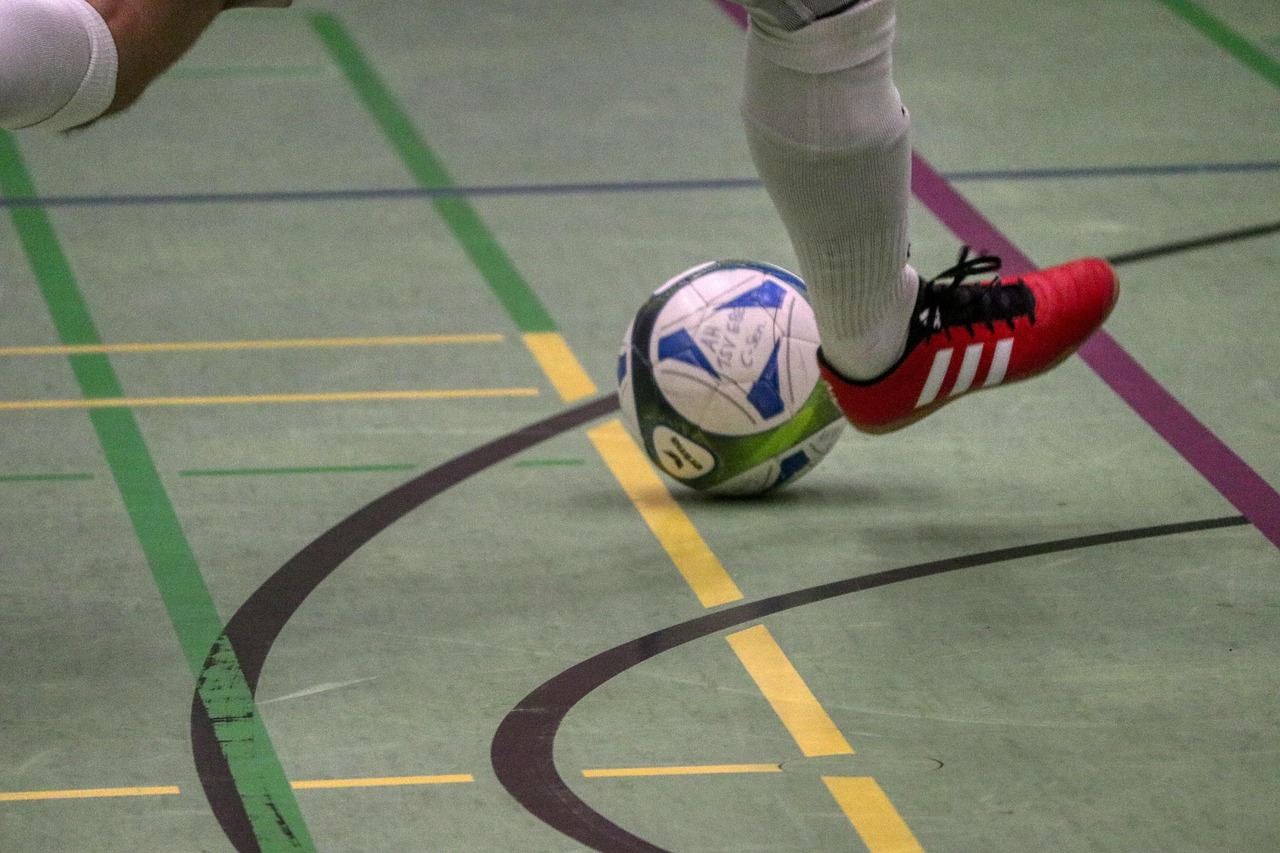
When purchasing footwear, remember that different surfaces demand specific shoes—cleats for natural grass, molded turf shoes for synthetic surfaces, and court shoes with non-marking rubber soles for gymnasiums. Investing in proper footwear not only improves performance but also reduces the risk of common overuse injuries like shin splints and ankle sprains. Furthermore, many programs require specific colorways for socks, undershirts, or warm-up gear to maintain team uniformity. Consulting the head coach’s preseason informational packet before making major gear purchases ensures you buy items that comply with team standards.
Managing Tryout Expectations and Preparation
Once your paperwork is submitted, the physical is approved, and fees are paid, the athletic clearance status should show green across the board. With administrative hurdles cleared, focus shifts to athletic preparation. High school tryouts are intensely competitive, particularly in larger districts or traditionally strong athletic programs. Coaches evaluate not only physical skill and conditioning but also coachability, hustle, and attitude.
Encourage your student-athlete to prepare physically during the off-season by maintaining general fitness, working on sport-specific fundamentals, and resting adequately. Remind them that tryouts are a snapshot in time; coaches look for potential, work ethic, and team-first mentality just as much as polished execution. If your athlete does not make the top roster, inquire about junior varsity opportunities, freshman teams, or cut policies that allow for practice squads.
Maintain open lines of communication with the coaching staff, but remember that the student-athlete should be the primary communicator. High school coaches appreciate mature athletes who advocate for themselves by asking what skills they need to improve if they fall short of a varsity roster spot. Keeping a positive, resilient attitude builds character and sets the foundation for future athletic success.
Mental preparation is just as critical as physical conditioning during the days leading up to tryouts. High school athletes often experience heightened performance anxiety when stepping onto a field with unfamiliar peers and evaluating coaches. Parents can help by fostering a supportive home environment that emphasizes effort, teamwork, and personal improvement over outcome-based goals. Remind your athlete that nervousness is a natural physiological response to competition and can be channeled into focused energy. Emphasize that coaches value players who communicate effectively on the field, support their teammates, and maintain composure under pressure, even when mistakes happen.
Final Verification and Pre-Tryout Checklist
As the first day of tryouts approaches, execute a final audit of your preparations. Never assume that submitting a form online guarantees approval. Check your digital clearance account one final time to verify that every document has been reviewed and marked as accepted by the athletic trainer or athletic director.
Compile a day-one gear bag containing your verified physical confirmation card (if required by your school), appropriate footwear, labeled water bottles, required safety gear, and healthy snacks. Arrive early on the first day of tryouts to allow time for check-in procedures, locker room assignments, and meeting coaches. By staying organized, respecting deadlines, and managing administrative details proactively, you set the stage for a smooth, stress-free start to the high school sports season.
To ensure absolute readiness, review this quick final verification checklist before leaving the house on day one:
- Digital Clearance Status: Confirmed green checkmark or approval notification in your school’s online athletic portal.
- Physical Exam Documentation: Hard copy or digital validation card stored safely in the student’s athletic bag, if required by the athletic department.
- Fee Receipts: Printed or digital confirmation of paid participation and transportation fees, or approved hardship waiver documentation.
- Sport-Specific Equipment: All required pads, sticks, racquets, footwear, and protective gear inspected for safety and proper fit.
- Hydration and Nutrition: Adequate water supply and light, nourishing pre-tryout snacks packed to maintain energy levels throughout the session.
By tackling these administrative requirements methodically, families can eliminate the last-minute stress that so often accompanies the start of a new athletic season. Taking care of paperwork, medical clearances, and equipment budgeting early allows parents and student-athletes to focus on what truly matters: enjoying the game, building camaraderie with teammates, and making the most of the high school sports experience.