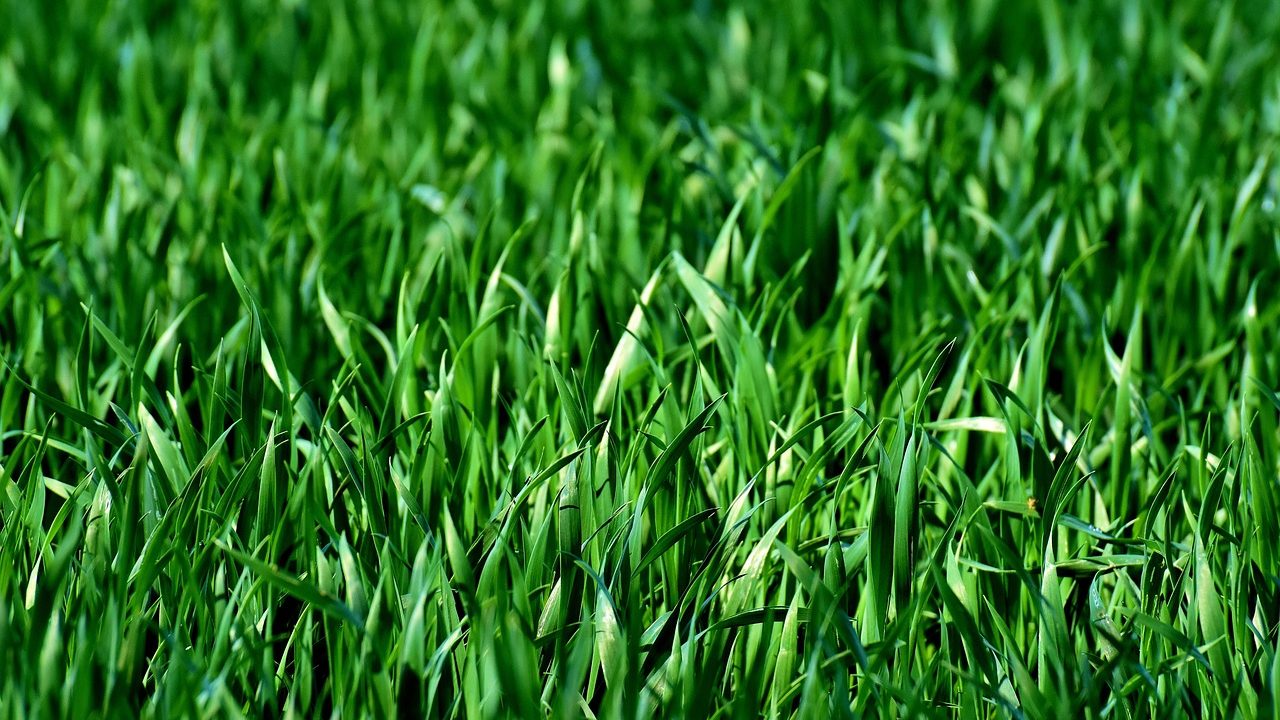
When you are looking for ways to boost curb appeal and reduce the weekend chore list, installing an automated lawn sprinkler system often sits near the top of the home improvement wish list. A lush, emerald-green lawn instantly elevates the aesthetic of any suburban property. However, homeowners frequently wonder whether the lawn sprinkler system property value impact matches the considerable upfront expense. After all, major landscape investments do not always translate dollar-for-dollar into higher home equity or a faster sale.
To evaluate whether underground irrigation is a smart financial move, you have to look past the instant gratification of a green yard and examine the complete economic picture. This includes upfront installation costs, regional water rate structures, ongoing mechanical maintenance, and how local real estate agents and home appraisers view irrigation systems when determining market value. By breaking down these variables, you can determine if an automated watering setup makes financial sense for your specific property.
Understanding the True Cost of Installation
Before analyzing any potential return on investment, you must understand what goes into installing a residential irrigation system. The total price tag varies significantly depending on your lot size, existing landscaping, soil composition, and municipal requirements like backflow preventers. Professional installation typically involves mapping out head-to-head coverage zones, trenching underground PVC or poly lines, connecting to the main water supply, and installing a programmable smart controller.
DIY installation can lower upfront labor expenses, but it demands significant physical labor, specialized tools like a trench trencher rental, and a solid understanding of hydraulic pressure and pipe sizing. Mistakes in design lead to dry spots, over-saturation, and pipe ruptures during freezing weather. Whether you hire a licensed contractor or tackle the project yourself, the initial capital outlay is substantial, meaning the system starts off deeply in the red.
When assessing the true cost of installation, you must also account for property-specific quirks. Sloped yards require specialized check valves to prevent low-head drainage, which pools water at the bottom of a slope and drowns turf. Mature trees and extensive flower beds demand secondary micro-irrigation lines or root-watering bubblers. If your municipal building department requires a licensed plumber to tie into the main line or install a dedicated backflow assembly, permit fees and inspection costs will quickly add to your initial budget. Factoring in these nuanced expenses prevents unwelcome financial surprises halfway through the project.
Furthermore, evaluating contractor estimates requires careful scrutiny of the hardware specified. Commercial-grade impact rotors or gear-driven heads last significantly longer and offer better resistance to lawnmower impacts than budget retail components. When reviewing proposals from landscaping firms, verify whether the quote includes backflow testing certification, permits, trench restoration, and post-installation walkthroughs. A cheaper initial bid might omit crucial components like a master valve or a rain sensor, leaving you to absorb those expenses later as expensive add-ons or retrofit projects.
How Appraisers and Buyers View Irrigation Systems
When prospective buyers tour a suburban home, a pristine lawn certainly makes a strong first impression. In neighborhoods where flawless turf is the social norm, an automatic sprinkler system is often viewed as a convenient amenity rather than a luxury. Buyers appreciate not having to drag hoses around the yard every summer evening. However, real estate agents note that while an irrigation system helps a home sell faster by maintaining great curb appeal, it rarely commands a direct, dollar-for-dollar bump in the final appraisal price.
Appraisers typically evaluate comparable recent sales in your immediate neighborhood. If most neighboring homes feature underground sprinklers, having one brings your property up to the local baseline standard rather than pushing its value above the market ceiling. Conversely, if no other homes on the block have systems, an appraiser might assign a modest incremental value, but it will not cover the full cost of a brand-new professional installation. In essence, the primary value lies in marketability and aesthetic preservation rather than immediate equity appreciation.
Furthermore, an outdated, poorly maintained, or malfunctioning irrigation system can actually detract from your home’s perceived value. If a prospective buyer spots dry, dead patches of grass caused by broken sprinkler heads, or observes leaks and soggy areas near the foundation, the system transforms from an asset into an immediate liability. Buyers will mentally deduct the estimated repair costs from their initial offers, viewing the outdated setup as an unwelcome project waiting to be tackled.
Real estate dynamics also shift depending on regional climate and buyer demographics. In arid suburban markets where water conservation and xeriscaping are heavily prized, an expansive lawn requiring daily high-volume irrigation can actually deter environmentally conscious buyers or those wary of steep municipal surcharges. Conversely, in regions with frequent summer dry spells, a reliable automated system is a prized selling point. Understanding your local housing market’s temperament helps clarify whether an irrigation system functions as a neutral background feature, a distinct selling advantage, or a potential point of buyer hesitation.
The Ongoing Burden of Water Bills and Utility Fees
While installation is a one-time capital cost, the operating expenses recur month after month. Automated systems make it easy to water frequently, which can inadvertently cause utility bills to skyrocket during peak summer months. Municipal water pricing structures often penalize high consumption through tiered rate increases or seasonal surcharges.
Homeowners in dry climates or drought-prone regions face strict watering schedules, odd-even day restrictions, and potential fines for runoff or overspray. In some municipalities, installing a dedicated irrigation meter helps separate landscape water from indoor household usage, occasionally exempting you from sewer fees on the outdoor portion. Even with these savings, the monthly cost of keeping a large lawn green through July and August represents a permanent addition to your household operating budget.
Understanding regional climate variations is essential when calculating ongoing water expenditures. In the Pacific Northwest, an irrigation system may only need to run heavily for two or three summer months. In contrast, properties in the Southwest or parts of the Sunbelt require supplemental irrigation for the better part of the year. Factoring in local utility rate tiers helps you model realistic annual operating expenses rather than relying on generalized regional averages that rarely reflect individual property consumption.
Additionally, homeowners must calculate the cost of potential water waste caused by system degradation. A single broken rotor head hidden in tall grass can waste thousands of gallons of water in a single week before it is noticed. Implementing flow sensors and automatic shut-off valves mitigates this risk by cutting water supply to damaged zones immediately, protecting both your landscaping from erosion and your monthly utility statement from catastrophic spikes.
Maintenance, Repairs, and Seasonal Demands
An automated irrigation system is a complex mechanical network of valves, solenoids, pipes, sprinkler heads, and electrical controllers. Like any other home system, it requires routine maintenance to function properly. Turf grows over sprinkler heads, lawn mowers strike exposed risers, tree roots crush underground lines, and valves eventually wear out, leading to leaks that waste water and drive up bills.
Furthermore, climate dictates a mandatory seasonal rhythm. In regions with freezing winters, you must hire a professional or rent an air compressor to blow out the system every autumn. Failing to winterize properly results in cracked backflow preventers and shattered pipes, leading to expensive emergency repairs when spring arrives. These ongoing maintenance burdens represent a hidden cost of ownership that many prospective buyers consider when evaluating a property.
Beyond winterization, mid-season tune-ups are vital for preserving system efficiency. A standard annual checklist should include flushing lines, cleaning out clogged nozzles, adjusting spray arcs to avoid watering pavement, and testing rain or soil moisture sensors to ensure they communicate properly with the main controller. Ignoring these maintenance tasks inevitably leads to premature component failure and wasted water resources.
Homeowners should also anticipate subterranean complications. As neighborhood trees mature, their extensive root systems can shift underground lines or wrap around buried valve boxes, creating restrictions and leaks that require professional excavation to repair. Maintaining a detailed map of your pipe layouts and wire paths during initial installation saves countless hours of diagnostic guesswork when underground failures inevitably occur.

Comparing Pros and Cons: Is the Investment Worth It?
To summarize the financial and practical trade-offs, weighing the direct advantages against the ongoing responsibilities helps clarify the decision-making process:
- Upsides: Consistent turf health, significant time savings over manual watering, enhanced curb appeal during marketing, and precise water management when paired with smart weather-based controllers.
- Downsides: High initial installation cost, rising monthly water utility bills, continuous mechanical maintenance needs, and mandatory seasonal winterization labor.
If you plan to stay in your home for many years, the convenience and aesthetic payoff of automated watering often justify the expense. If you plan to sell within a couple of years, you are unlikely to recoup the full installation cost at the closing table.
Evaluating this balance requires an honest assessment of your lifestyle and property goals. If your weekends are already heavily scheduled and you struggle to find time for routine home maintenance tasks, automating your watering schedule removes a persistent outdoor chore. However, if you enjoy hands-on gardening and prefer managing your landscape manually, the high capital outlay and ongoing utility overhead may offer diminishing returns.
It is also helpful to consider alternative landscape upgrades when deciding how to allocate your home improvement budget. For instance, investing in drought-tolerant native plantings, professional tree trimming, or hardscaped patio spaces can dramatically improve outdoor living quality and curb appeal without incurring the perpetual water fees and maintenance demands associated with a sprawling Kentucky bluegrass lawn.
Smart Strategies to Protect Your Investment
If you decide to move forward with installing a residential irrigation system, several best practices can help protect your financial investment and minimize future maintenance headaches:
- Invest in a smart controller: Modern Wi-Fi controllers automatically adjust watering schedules based on local weather forecasts, soil moisture data, and historical evapotranspiration rates, preventing unnecessary watering during rainstorms.
- Prioritize water-efficient heads: Choose high-efficiency rotary nozzles or drip irrigation zones for flower beds to reduce overall water consumption and eliminate misting loss from wind.
- Hire a reputable local contractor: Ensure the installer provides a comprehensive warranty on parts and labor, uses commercial-grade components, and properly designs the system for your specific water pressure.
- Perform regular audits: Walk your zones monthly to check for broken heads, tilted risers, or blocked spray patterns so minor issues do not turn into costly landscape damage or inflated water bills.
Implementing these strategies protects both your financial outlay and your local environment. By reducing excessive runoff and targeting root zones precisely, you avoid common pitfalls like turf fungus caused by over-watering. Furthermore, keeping meticulous records of your system’s layout, valve locations, and maintenance history adds reassuring documentation should you decide to put your home on the market in the future.
Another vital strategy is establishing a relationship with a certified irrigation technician for annual check-ups. Even diligent homeowners can miss subtle underground pressure drops or electrical resistance issues within solenoid valves. Professional diagnostic testing catches these hidden failures before they compromise large sections of turf, ensuring your irrigation network operates at peak efficiency throughout its operational lifespan.
Evaluating Your Specific Property Before You Build
Before committing capital to an underground watering network, conduct a comprehensive audit of your property layout, soil type, and water source capabilities. Not all suburban lots are ideal candidates for traditional sprinkler setups. Clay-heavy soils, for instance, absorb water very slowly, meaning standard high-output spray heads will quickly generate surface runoff long before moisture penetrates the root zone. In such environments, low-precipitation rotary nozzles or multi-stream rotors are mandatory to prevent erosion and pooling.
You must also measure your static water pressure and flow rate at the main hose bib. An inadequate water source requires installing a booster pump or splitting your lawn into an excessive number of tiny zones, which drives up installation labor and hardware costs significantly. Working closely with a qualified landscape professional to perform a catch-cup test helps you understand your baseline water availability and ensures the proposed design can deliver uniform coverage without straining your municipal connection.
Conclusion
Deciding to install an underground watering network involves a careful balancing act between immediate lifestyle convenience and long-term financial reality. While an automated setup does not guarantee a massive jump in resale value, it preserves curb appeal, saves valuable hours of manual labor, and keeps turf health stable in dry climates. By accounting for municipal water rates, ongoing maintenance requirements, and regional market expectations, you can make an informed choice that enhances your property without creating an unmanageable financial burden.