
When municipal water supplies mix with private irrigation lines or auxiliary water sources, the health risks to an entire neighborhood can be severe. That is why local water authorities enforce strict regulations regarding cross-connection control. At the center of this compliance framework sits your property’s backflow preventer. Navigating municipal rules, hiring certified testers, and keeping your plumbing protected from seasonal freezing can feel overwhelming. This backflow preventer testing and maintenance guide is designed to cut through the confusion, offering a clear roadmap for keeping your drinking water safe and your system compliant without wasting money.
Whether you recently installed an underground lawn sprinkler system or received a mandatory testing notice from your local water utility, understanding how these mechanical valves operate is essential. Backflow preventer testing and maintenance is not merely an optional chore; it is a critical line of defense for public health and a legal obligation for millions of American homeowners.
Understanding How Backflow Occurs in Residential Systems
To appreciate why backflow preventer testing and maintenance is mandatory, you must first understand the physics of residential plumbing. Normally, water flows under positive pressure from the municipal water main into your home and out through your hose bibbs, faucets, and irrigation heads. However, pressure fluctuations within the municipal grid can reverse this flow direction, pulling standing water, fertilizers, pesticides, and stagnant contaminants back into your drinking water supply.
This dangerous reversal happens through two primary mechanisms: backsiphonage and backpressure. Backsiphonage occurs when there is a sudden drop in municipal water pressure—such as from a nearby water main break, heavy fire hydrant usage, or routine system maintenance. This negative pressure acts like a giant straw, drawing water from your yard, swimming pool, or auxiliary sources backward into the household plumbing.
Backpressure, on the other hand, occurs when the pressure on your private property exceeds the pressure in the public water main. This typically happens when homeowners use elevated water sources, booster pumps, or boilers. Without a reliable mechanical barrier between your property’s private network and the public water supply, these hazardous substances can infiltrate your kitchen tap. A properly functioning backflow assembly instantly blocks this reverse flow, protecting both your household and your neighbors.
Common Types of Residential Backflow Assemblies
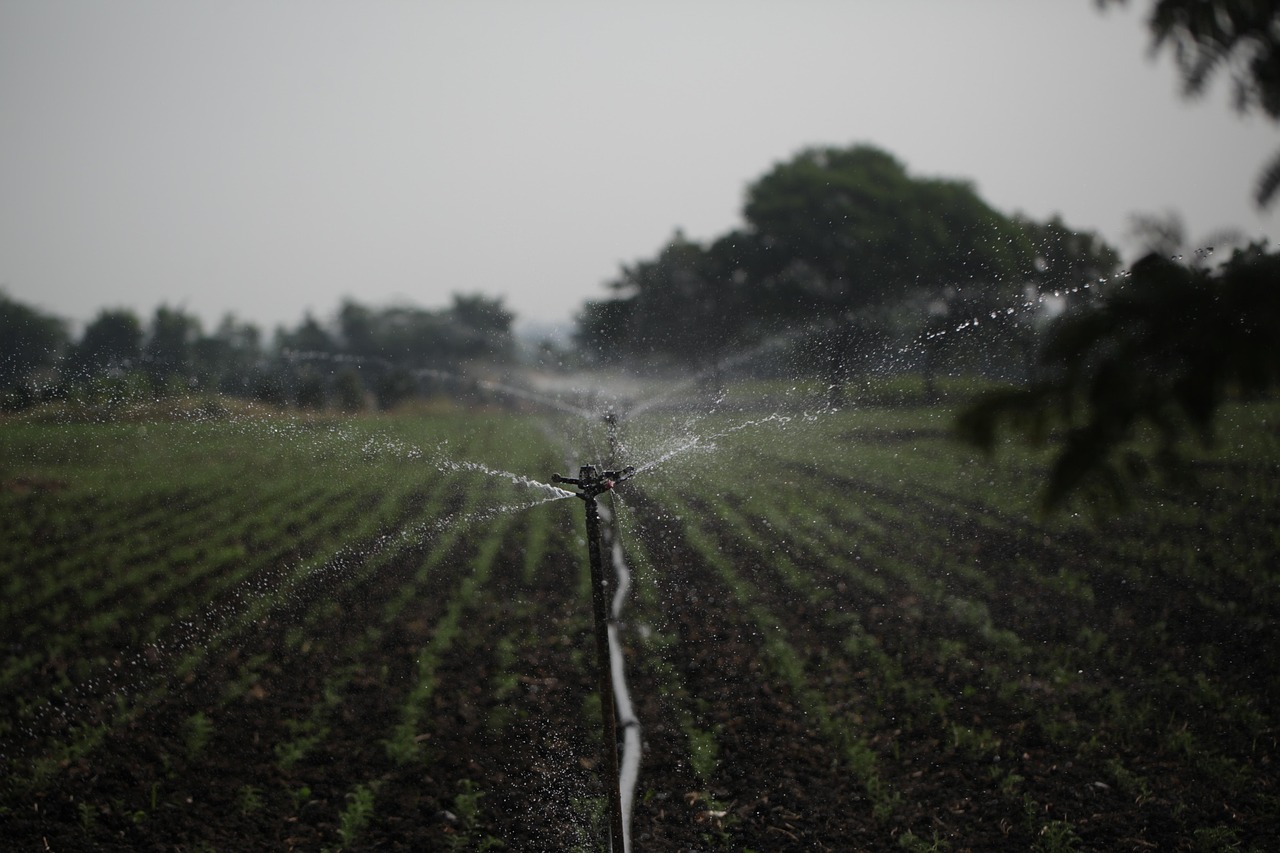
Not all backflow preventer assemblies are created equal. The type installed on your property depends on your local plumbing code, the degree of hazard posed by your water uses, and whether you operate an underground lawn irrigation system, a dedicated fire sprinkler line, or a swimming pool fill line.
The two most common devices found in residential settings are the Pressure Vacuum Breaker (PVB) and the Double Check Valve Assembly (DCVA). A third type, the Reduced Pressure Zone (RPZ) device, is occasionally used for high-hazard situations or commercial properties, though some municipalities require them for residential irrigation systems connected to chemical injectors or fertilizer tanks.
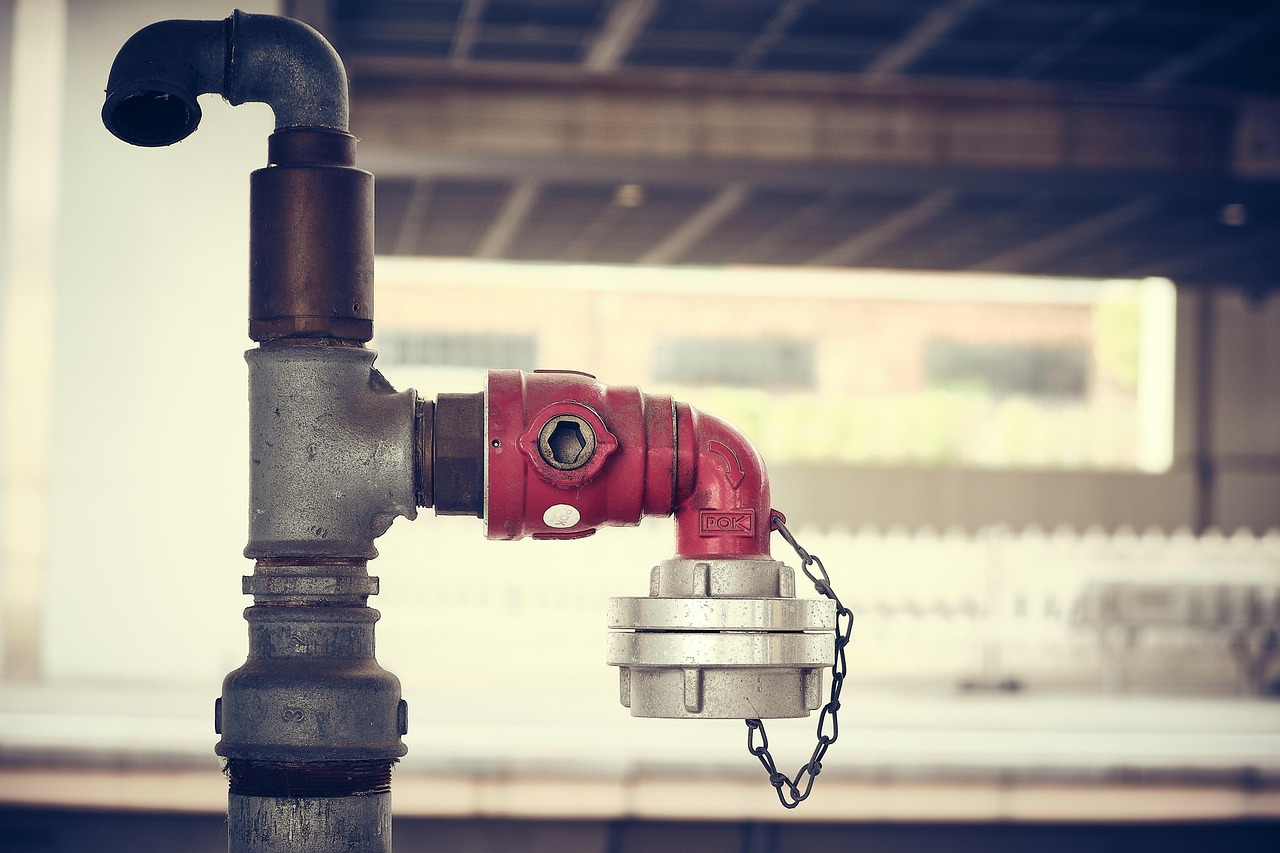
A Pressure Vacuum Breaker is specifically designed for protection against backsiphonage hazards where no backpressure can occur. It features an internal check valve and an air inlet valve that opens when pressure drops, breaking the siphon. PVBs must always be installed outdoors in a vertical position, elevated at least 12 inches above any downstream piping or sprinkler heads. Because of this height requirement, they are easily spotted protruding above ground near the side of a house.
A Double Check Valve Assembly consists of two independently operating spring-loaded check valves housed within a single body, complete with tightly sealed test cocks. DCVAs protect against both backsiphonage and backpressure and can be installed horizontally or vertically. They are frequently housed in below-ground utility boxes, though local codes dictate whether underground placement is permitted based on whether the test cocks remain accessible for annual inspections.
Why Annual Testing Mandates Exist
Municipal water departments enforce mandatory annual testing for several compelling reasons. Backflow preventers rely on internal rubber seals, delicate springs, and moving metal parts that degrade over time. Exposure to hard water minerals, extreme temperature swings, fluctuating water pressure, and normal mechanical wear can cause these internal components to stick, warp, or tear.
When a check valve fails silently, you receive no immediate warning inside your home. The device may look fine from the outside while failing to hold pressure internally. If a pressure drop occurs on the municipal line during a silent failure, contaminated water can enter the public supply undetected. Annual testing verifies that the check valves and relief mechanisms open and close precisely within manufacturer-specified pressure differentials.
Furthermore, local utility providers are legally mandated by state environmental protection agencies and federal Safe Drinking Water Act guidelines to maintain safe distribution systems. Failure to enforce cross-connection control can result in hefty fines for the utility provider, which trickles down to homeowners in the form of rate hikes or service shut-offs. Complying with annual test notices protects your local water district and ensures your property remains in good standing with municipal authorities.
The Role of Certified Backflow Technicians
A common point of confusion for homeowners is whether they can perform their own annual backflow test. In nearly every jurisdiction across the United States, the answer is a definitive no. Municipalities require that backflow testing be performed by a certified cross-connection control assembly tester (often holding a state plumbing license or specialized certification from organizations like the American Water Works Association).
Certified testers undergo rigorous training to understand complex plumbing schematics, water pressure dynamics, and diagnostic testing procedures. They utilize specialized, highly calibrated differential pressure gauge kits to measure holding pressures across check valves and verify the opening point of relief valves.
When hiring a certified tester, ensure they are registered with your specific water utility provider. Many utility districts maintain an approved roster of local contractors. Hiring an unapproved tester can result in your test report being rejected by the city, forcing you to pay for a second test. Always ask potential contractors for proof of current certification, general liability insurance, and whether their fee includes filing the paperwork directly with your municipal water department.
Step-by-Step Overview of the Testing Procedure
While you cannot certify your own device, understanding what the technician is doing during a service visit helps you evaluate their professionalism and keeps you informed about your home’s infrastructure. When a licensed tester arrives, they follow a standardized testing protocol established by regulatory bodies.
First, the technician conducts a thorough visual inspection of the entire assembly. They look for physical damage to the brass body, cracked fittings, leaking test cocks, and proper clearance from surrounding obstructions, dirt, or standing water. If the device is buried in a pit, they must clear away mud to expose the test cocks.
Next, the technician shuts off the downstream shut-off valve to isolate the system. They attach hoses and the differential pressure gauge kit to the test cocks located on the assembly body. By opening and closing specific test cocks in a precise sequence, they measure the exact pressure drop across each check valve.
If the valves hold pressure within the acceptable tolerance window (typically maintaining a differential of at least 1.0 to 2.0 pounds per square inch), the device passes. The technician records the readings on a standardized test report form, applies a dated inspection tag directly to the assembly, and submits the paperwork to your water utility. If the device fails, the technician will either perform minor repairs on the spot—such as clearing out trapped debris or replacing a worn o-ring—or recommend a complete rebuild or replacement.
Preventative Maintenance Tips for Homeowners
While certified testing requires a licensed professional, routine preventative maintenance is entirely within your wheelhouse. Taking proactive steps between annual inspections extends the lifespan of your backflow assembly and prevents costly emergency repairs.
Begin with monthly visual checks during the active irrigation season. Walk out to your backflow preventer and look for any signs of continuous leaking, weeping, or pooling water around the base. A small drip from the relief valve or test cocks often indicates that mineral scale or a piece of grit is trapped under a rubber seal. Gently opening and closing the test cocks can sometimes flush out debris, though you should never attempt to disassemble the internal valve components yourself.
Keep the surrounding area clean and unobstructed. Trim back ornamental grasses, bushes, and weeds that threaten to engulf the assembly. Adequate ventilation and clear access are vital not only for the tester but also to prevent moisture from trapping against the metal body, which accelerates corrosion. If your device is enclosed in an above-ground cage or box, ensure the locking mechanism works smoothly and that pests have not nested inside.
Another crucial maintenance habit is operating your shut-off valves correctly. Always open and close main water supply and irrigation shut-off valves smoothly and completely. Water hammer—a hydraulic shock caused by snapping a valve shut too quickly—can crack brass valve bodies and rupture internal check valve discs. Turn handles deliberately to protect your plumbing infrastructure.
Preparing Your Backflow Preventer for Winter
In regions that experience freezing temperatures, winterization is arguably the most critical component of backflow preventer testing and maintenance. Because backflow assemblies are densely packed with water and constructed of rigid brass, a hard freeze will quickly turn trapped water into ice, expanding with enough force to crack the valve body beyond repair.
Winterization typically occurs in late autumn, coordinated alongside the blowout of your underground lawn sprinkler system. The standard procedure involves shutting off the main water supply valve leading to the backflow assembly, opening all test cocks to drain trapped water, and leaving the test cocks positioned at a 45-degree angle to allow any residual moisture to expand safely without splitting the metal.
Insulation is equally vital for above-ground devices like Pressure Vacuum Breakers. Once the unit is drained, wrap the entire assembly in specialized insulating foam covers, heavy-duty insulated pouches, or fiberglass wraps designed specifically for backflow preventers. Avoid wrapping the device in random household blankets or unsealed plastic sheeting, which can trap ambient moisture and encourage mold growth or rust while failing to provide true thermal resistance.
If your backflow preventer is housed in an underground pit, ensure the pit lid fits tightly and is insulated underneath to block cold air drafts. When spring arrives, remember to close all test cocks before slowly turning the main water supply back on to repressurize your irrigation system without causing a sudden water hammer surge.
Troubleshooting Common Issues and Minor Leaks
Homeowners often panic when they spot water pooling around their backflow preventer, assuming the entire unit has failed and needs replacement. However, many common issues are minor and easily resolved once you understand the symptoms.
A slow trickle or intermittent spurting from the relief valve on an RPZ device often indicates a fluctuation in municipal water supply pressure. When city pressure drops suddenly, the relief valve momentarily opens to discharge water and prevent backflow. If this happens constantly during peak neighborhood water usage hours, it points to unstable municipal pressure rather than a broken valve.
Continuous weeping or steady leaking from a test cock usually means the internal core of that specific test cock is loose or worn out. A certified technician can easily replace the small core assembly during your next service visit without replacing the entire backflow unit.
If you notice structural cracks in the brass body—frequently caused by missed winterization or severe water hammer—repair is impossible, and complete replacement is mandatory. Never attempt to patch a cracked brass valve body with epoxy or plumbing tape; these makeshift fixes cannot withstand municipal operating pressures and will inevitably rupture.
How to Avoid Overpaying for Backflow Services
Because annual testing is a legal mandate, some homeowners feel trapped when paying for these services. However, you can manage costs effectively by employing a few smart consumer strategies.
First, avoid signing blanket, auto-renewing service contracts without comparing local rates. Call two or three independent, utility-approved plumbing contractors in your area to get upfront quotes for annual testing. Prices can vary significantly depending on your geographic region and whether the service is bundled with your seasonal sprinkler blowout.
Second, coordinate testing with your neighbors if you live in a subdivision or homeowners association. Many plumbing contractors offer neighborhood group discounts if they can knock out multiple backflow tests on the same street in a single afternoon. Asking your HOA to vet and recommend a preferred vendor can also unlock bulk pricing rates.
Finally, stay ahead of municipal deadlines. If you wait until the exact week your city-mandated testing notice expires, you will likely pay rush fees or struggle to find an available licensed technician. Schedule your annual test a few weeks before your designated compliance window opens to secure standard pricing and ensure your report is filed on time.
Conclusion
Protecting your household’s drinking water doesn’t have to be complicated. By staying informed about how your plumbing system interacts with the municipal water supply, respecting annual testing requirements, performing regular visual checks, and winterizing your equipment before freezing temperatures strike, you safeguard both your family’s health and your wallet. Treat backflow preventer testing and maintenance as an integral part of homeownership, and your plumbing system will operate reliably for years to come.