Winter brings cozy sweaters, steaming mugs of coffee, and—for many homeowners—parched indoor air that leaves throats scratchy, skin dry, and hardwood floors audibly cracking. When the heating system kicks into high gear, relative humidity levels inside a typical house can plummet below 20 percent, drier than the Sahara Desert. Restoring comfortable moisture levels is essential not only for personal health and comfort, but also for protecting wooden furniture, musical instruments, and drywall from splitting. When evaluating a whole house humidifier vs portable unit, you are essentially weighing a high-capacity, centralized appliance against a fleet of flexible, room-by-room machines.
Both approaches successfully elevate indoor relative humidity, but they operate on vastly different scales regarding water capacity, energy use, spatial coverage, and maintenance overhead. Making the right choice depends on your home’s footprint, your tolerance for daily chores, and whether you own your home or rent. This guide breaks down the mechanics, daily realities, and long-term costs of console humidifiers versus portable room units to help you make an informed decision before the next cold snap.
Understanding Winter Indoor Humidity Control
Before diving into specific hardware, it helps to understand what you are trying to achieve. Ideal indoor relative humidity during the heating season generally falls between 30 and 50 percent. When outdoor temperatures drop, cold air holds very little moisture. Once that air enters your home and is heated by a furnace or heat pump, its relative humidity plummets because warm air has a much higher moisture capacity than cold air.
Low humidity causes moisture to evaporate rapidly from everything it touches, including your mucous membranes, houseplants, and wooden construction materials. Static shocks become frequent, and doors may stick or unstick as framing timbers shrink. Conversely, over-humidification can cause condensation on cold window glass, leading to mold growth, peeling wallpaper, and structural rot within exterior walls. Effective indoor humidity control relies on steady, regulated moisture output rather than brute-force steaming that leaves windows dripping.
To maintain this delicate balance, homeowners must measure baseline conditions accurately. Relying on guesswork or general comfort is rarely enough; investing in a digital hygrometer allows you to track fluctuations across different rooms and adjust your equipment settings accordingly. Understanding how moisture migrates through building materials and interior air currents also explains why a single small machine in a hallway rarely suffices for a multi-level home.
The Case for Portable Room Units
Portable humidifiers are standalone appliances designed to condition the air in a single room or localized area, typically ranging from 300 to 800 square feet depending on the model. These units are popular because they require no plumbing modifications, cost relatively little upfront, and can be moved from a home office during the day to a bedroom at night.
Portables generally fall into two categories: evaporative and ultrasonic. Evaporative models use a built-in fan to blow air through a saturated paper or metal wick filter, naturally evaporating moisture into the air. Ultrasonic units use a high-frequency ceramic diaphragm to vibrate water into a cool micro-fine mist. Both types plug into a standard 120-volt outlet and sit quietly on a nightstand, dresser, or floor.
The primary advantage of portable units is targeted control. If only one member of the household suffers from winter congestion, you can place a portable unit directly in their bedroom without humidifying the entire house. They are also ideal for renters who cannot install ductwork-mounted equipment or alter plumbing systems.
The Limitations of Portable Units
Despite their flexibility, portable room units come with notable operational friction. The most common complaint among owners is the sheer frequency of water replenishment. Most portable tanks hold between one and two gallons of water. In a dry winter home, an ultrasonic or evaporative unit operating on high speed can empty a one-gallon tank in less than twelve hours. This means daily, sometimes twice-daily, trips to the kitchen sink or bathroom tub to refill heavy, awkward water reservoirs.
Maintenance is another significant burden. Portable units are breeding grounds for mineral scale, bacteria, and mold if they are not cleaned religiously. Ultrasonic models, in particular, will disperse white mineral dust—calcium and magnesium from hard tap water—across your furniture and electronics unless you use distilled water. Evaporative wick filters trap these minerals and harden over the course of a single season, requiring frequent descaling with vinegar or outright filter replacement every few weeks.
Furthermore, running multiple portable units across a three-bedroom house multiplies these maintenance tasks. Instead of washing one central reservoir, you find yourself scrubbing three or four separate tanks, changing multiple filters, and managing several power cords trailing across floors.
Whole-House Console Humidifiers Explained
A whole-house console humidifier sits on the floor—often in a central hallway, open-concept living area, or finished basement—and connects interior spaces through open doorways or HVAC return air paths. Unlike bypass or fan-powered units that mount directly onto your furnace ductwork, console units are self-contained appliances that do not require professional HVAC installation.
Console humidifiers typically feature massive water capacities, ranging from three to five gallons or more spread across dual reservoirs. Some high-end models even offer a direct-hookup kit that connects directly to a water supply line and floor drain, eliminating manual refills entirely. These units use heavy-duty evaporative wicks and powerful variable-speed fans to evaporate upward of 10 to 15 gallons of water per day, easily servicing large homes up to 3,000 square feet or more.
Because they rely on true evaporation rather than atomization, console units are naturally self-regulating. As the air approaches your target humidity level, the rate of evaporation slows down naturally, making it virtually impossible to accidentally soak your carpets or walls through over-humidification.
Comparing Water Capacity and Refill Frequency
The operational difference between portable units and console units largely comes down to labor. Managing humidity across a multi-room living space with portable units often requires running three or four separate machines. Each machine must be filled daily, cleaned weekly, and monitored individually.
By contrast, a single console unit consolidates your maintenance routine. Instead of hauling four one-gallon tanks to the sink, you might fill a single three-gallon console reservoir once a day—or bypass manual filling altogether with a direct plumbing connection. For busy households, this reduction in touchpoints is a major selling point. However, carrying a full three-gallon tank from your sink to a console unit can be physically demanding if the tank is heavy or awkward to maneuver.
Evaluating your household’s daily routine is crucial here. If hauling a heavy water container down a hallway sounds burdensome, a console unit with a direct-line installation kit or a portable unit with top-fill pitcher convenience may be necessary to ensure you actually maintain the equipment instead of letting it sit dry.
Evaporative vs. Ultrasonic Technology at Scale
Technology matters just as much as physical size. Portable units dominate the ultrasonic market because high-frequency nebulizers can be miniaturized easily. While ultrasonic units run nearly silently and produce an appealing plume of cool mist, they do not discriminate between pure water and dissolved minerals. If you use hard tap water in an ultrasonic portable, those minerals become airborne dust that settles on every surface.
Console units and higher-end portables overwhelmingly rely on evaporative technology. As air passes through a wet wick, water molecules evaporate into the air stream while heavy minerals remain trapped behind in the wick and basin. This natural air-washing effect prevents white dust entirely. Furthermore, evaporative systems are self-regulating: warm, dry air causes rapid evaporation, while humid air slows it down. Ultrasonic units, by contrast, pump out a constant volume of mist regardless of current room humidity unless paired with a sensitive, properly calibrated humidistat.
Hard Water vs. Soft Water: Mineral Impact on Humidifiers
The type of water you put into your humidifier significantly influences how often you need to clean it and whether you face mineral buildup issues. Municipal tap water often contains high levels of dissolved calcium and magnesium. When water evaporates from a wick or is atomized by an ultrasonic plate, these minerals are left behind.
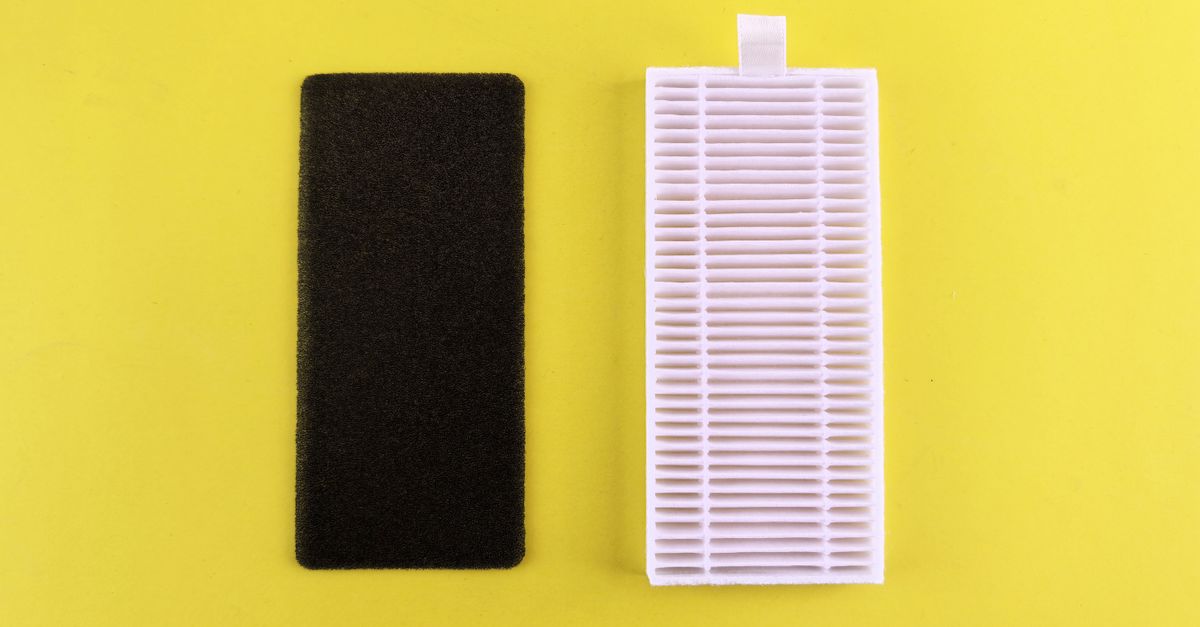
In evaporative console units and wicking portables, hard water causes mineral crusts to form on the filter paper, clogging the pores and reducing moisture output. Regular soaking in white vinegar is required to dissolve these deposits. If you use a water softener, the high sodium content can sometimes degrade certain metallic or plastic components prematurely, making manufacturer guidelines essential reading.
For ultrasonic portables, hard water is an absolute enemy unless you use distilled or demineralized water cartridges. Without filtration, the minerals are propelled into the air as fine dust, coating television screens, bookshelves, and upholstery in a gritty white film that can aggravate respiratory sensitivities.
Maintenance Overhead and Upkeep Realities
No matter which system you choose, humidifiers require diligent hygiene. Stagnant water sitting at room temperature is an incubator for mold spores and bacterial growth. If neglected, a humidifier can inadvertently distribute biological contaminants throughout your living space.
Portable units require weekly scrubbing of the water basin with a mild bleach solution or vinegar, along with periodic filter swaps. Because their components are smaller, they are generally easy to take apart and wash in a standard kitchen sink. Console units feature larger, bulkier components—such as expansive plastic drums, thick honeycomb wicks, and deep reservoirs—which can be cumbersome to clean in standard residential sinks. Many homeowners find themselves hauling console parts to a laundry tub, utility sink, or bathtub for routine scrubbing.
Filter costs also differ. Portable units use inexpensive, small wicks, but you may need to buy replacements for multiple rooms throughout the winter. Console units use large, heavy-duty wicks that cost more per replacement, though you only need to buy one or two per season.
Energy Consumption and Operating Costs
While humidifiers are generally not heavy electricity hogs compared to space heaters or central air conditioners, energy consumption does vary by technology. Evaporative units require power to run a small fan and, in some warm-mist designs, a heating element. However, standard cool-mist evaporative fans draw very little wattage, typically between 30 and 100 watts.
Ultrasonic units are exceptionally energy-efficient, often consuming less than 40 watts because they rely on rapid piezoelectric vibration rather than a motor-driven fan. Warm-mist vaporizers, which boil water to create steam, consume the most electricity—frequently ranging from 200 to 500 watts or more. When scaling up to a whole-house console unit, the larger fan motor consumes slightly more electricity than a single portable unit, but running one console unit typically draws less total power than operating four separate portable machines simultaneously.
Noise Levels, Aesthetics, and Placement
Living with appliances that run continuously for months requires considering noise and appearance. Portable units sit close to where you sleep or work. Even quiet models emit a low hum or a gentle splashing sound from water reservoirs, which can disturb light sleepers if placed on a bedroom nightstand.
Console units are typically placed in common areas—hallways, living rooms, or great rooms. While their larger fans do generate noticeable white noise on high speeds, they are usually far enough away from bedrooms that the sound blends into the background. On lower settings, modern console units are whisper-quiet.
Aesthetics are another consideration. Portable units look like kitchen appliances or small electronics scattered around your house. Console units are designed to look like low-profile furniture cabinets—often finished in faux wood grain or neutral charcoal plastics—allowing them to blend more discretely against baseboards and walls.
Upfront Costs Versus Long-Term Value
Financial considerations involve more than the sticker price on the box. Portable units have a low barrier to entry, often costing between $40 and $100 each. If you only need to humidify a single bedroom or nursery, a portable unit is by far the most economical choice.
Console units command a higher initial investment, typically ranging from $150 to $300 or more. However, when you calculate the cost of buying four or five portable units to cover an entire multi-story home, the financial gap narrows significantly. Furthermore, console units generally feature more durable fan motors and heavier-duty plastics designed to last for many heating seasons, whereas cheap portable units often fail or leak after two or three winters of heavy use.
Frequently Asked Questions
Can I run a humidifier 24/7 during the winter?
Yes, as long as your indoor relative humidity is properly monitored. If you use a humidistat or a unit with an automatic shut-off feature, the machine will cycle on and off to maintain your target humidity without over-saturating the air.
Where is the best place to put a console humidifier?
Place your console unit in an open central living area or hallway where air circulates freely throughout the home. Avoid tucking it tightly behind furniture or inside enclosed closets, as restricted airflow prevents proper moisture distribution.
Do humidifiers help with winter allergies and colds?
Maintaining indoor humidity between 30 and 50 percent keeps nasal passages and respiratory tracts moist, which helps your body naturally defend against airborne viruses and reduces irritation from winter congestion.
Common Mistakes to Avoid
Homeowners frequently make a few predictable missteps when managing winter humidity, regardless of whether they choose portables or a console unit:
- Ignoring the humidistat: Running a humidifier continuously without monitoring relative humidity leads to window condensation and hidden mold inside exterior walls. Always use a standalone hygrometer to verify room humidity.
- Skipping weekly cleaning: Letting water sit in a reservoir for weeks without a wash turns the appliance into a germ distributor. Clean basins weekly with vinegar.
- Using hard water in ultrasonic units: Neglecting to use distilled water in ultrasonic portables coats your home in fine white mineral dust that irritates lungs and clogs electronics.
- Placing units against cold exterior walls: Positioning any humidifier directly against a cold outside wall or drafty window skews humidity readings and promotes localized condensation.
Making Your Final Decision
Choosing between a whole-house console humidifier and a collection of portable room units comes down to mapping your home’s layout against your lifestyle preferences. If you live in an apartment, rent your home, or only care about keeping your bedroom comfortable at night, stick with a reliable evaporative portable unit. It gives you localized control without installation hassle.
If you own a larger home, suffer from chronic dry air across multiple rooms, and are tired of refilling small tanks twice a day, investing in a high-capacity console humidifier is the smarter, more efficient path forward. By consolidating your humidity management into a single, powerful appliance, you save time, reduce daily chores, and achieve a balanced, comfortable indoor climate all winter long.