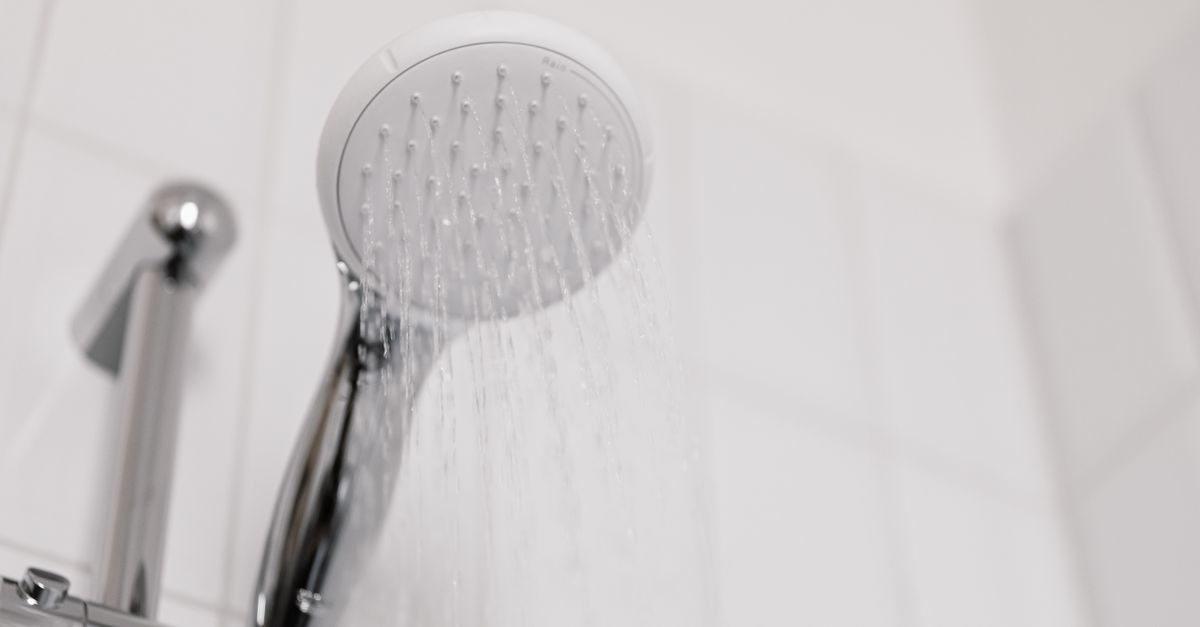
When dealing with hard water, chlorine odor, or heavy mineral buildup in your home’s bathroom fixtures, selecting the right filtration strategy can feel overwhelming. Evaluating a showerhead water filter vs whole house system requires looking past marketing claims and examining the engineering, ongoing maintenance, and actual water chemistry involved. While a targeted shower filter focuses exclusively on your daily rinse, a whole-house system tackles every drop of water entering your home network.
Understanding how these two approaches differ in water flow rate, scale reduction, and recurring replacement costs will help you make an informed decision based on your homeownership status, plumbing configuration, and local water quality. Let’s break down the mechanics, financial commitments, and performance realities of both options, diving deep into the engineering principles that govern each system’s daily operation.
The Core Difference: Point-of-Use vs. Point-of-Entry
The fundamental distinction between a showerhead filter and a whole-house system lies in where the filtration happens. Point-of-use devices, such as inline showerhead filters, treat water at the very end of the delivery line just before it exits the fixture. Point-of-entry systems, often referred to as whole-house filters or softeners, treat the water supply right where it enters your home, typically near the main water shut-off valve.
This geographic difference dictates everything else about how the equipment performs. A shower filter only cleans the water for that specific bathroom. It does nothing for your kitchen sink, your washing machine, or your dishwasher. Conversely, a whole-house system conditions and filters all water used for bathing, cooking, cleaning, and laundry.
For renters or individuals living in apartment buildings, whole-house installations are typically out of the question due to landlord restrictions and plumbing access limits. In these scenarios, a showerhead water filter serves as the only viable mechanical intervention. Homeowners, however, have the flexibility to choose between treating a single troublesome fixture or protecting the entire plumbing infrastructure. Assessing your long-term plans for the property, your local utility water report, and the specific contaminants troubling your household will clarify which architecture best matches your lifestyle.
How Showerhead Filters Work
Inline showerhead filters screw directly between your existing shower pipe (the shower arm) and your showerhead. They rely on specialized media blends—most commonly KDF (Copper-Zinc alloy), activated carbon, and calcium sulfite—to target specific contaminants under high thermal conditions.
Hot water presents a unique challenge for filtration because elevated temperatures accelerate chemical reactions and release chlorine gas into the air. KDF media is specifically engineered to handle hot water, effectively oxidizing free chlorine and converting it into harmless water-soluble chloride. Many filters also incorporate calcium sulfite, which works rapidly at higher temperatures to neutralize chlorine.
Despite their utility, standard shower filters have distinct limitations:
- Chlorine and Chloramine Reduction: Most quality models excel at removing free chlorine, though chloramine requires specialized catalytic carbon media that is rarely found in compact shower housings due to space limitations.
- Sediment Trapping: Built-in mesh screens catch rust particles, sand, and large particulates that travel through aging municipal pipes before they can clog your showerhead nozzles.
- Hard Water Limitations: Contrary to popular marketing claims, standard shower filters do not soften hard water. They do not remove calcium or magnesium ions; instead, some media aim to alter the crystalline structure of minerals to reduce scale adherence, though results vary widely compared to true ion-exchange softeners.
Understanding these inner workings helps prevent unrealistic expectations. If your primary goal is to minimize the drying effects of municipal chlorine on your skin and hair, a shower filter delivers noticeable relief. If your skin is flaking due to heavy mineral hardness, however, a filtration unit alone will not solve the root cause.
How Whole-House Systems Work
Whole-house water filtration and conditioning systems are comprehensive units designed to handle high flow rates and large volumes of water. Depending on your water report, a whole-house setup might include a sediment pre-filter, a carbon tank for chemical reduction, and a water softener or template assisted crystallization (TAC) unit for scale prevention.
Traditional water softeners utilize an ion-exchange resin bed. As hard water passes through the resin, calcium and magnesium ions swap places with sodium or potassium ions. This chemical process permanently removes the minerals responsible for scale buildup on glass shower doors, tile grout, and plumbing fixtures.
Alternative whole-house systems use salt-free conditioning. Rather than removing minerals, these systems transform hardness minerals into microscopic crystal particles that flow freely through pipes without bonding to surfaces. While they do not change the physical softness of the water (meaning soap will still lather normally without feeling slick), they protect your water heater, pipes, and shower valves from destructive scale accumulation.
Deploying a whole-house configuration means coordinating multiple stages of treatment. A typical installation features a multi-stage approach where sediment is captured first, followed by chemical reduction via carbon, and final conditioning or softening. This layered protection ensures that abrasive dirt and reactive chemicals never reach your expensive household appliances or delicate plumbing joints.
Water Flow Rate and Pressure Considerations
Water pressure is one of the most noticeable daily performance factors when comparing filtration setups. A poorly designed filter can drop your shower’s flow rate to a frustrating trickle, transforming an invigorating morning routine into a tedious chore.
Showerhead filters sit directly in the flow path. Because they must pack reactive media into a compact plastic or metal housing, they inherently create some flow restriction. High-end shower filters are engineered with wide internal channels to minimize pressure drop, but budget models can noticeably diminish the performance of low-flow showerheads. If your municipal supply already suffers from low pressure, adding a restrictive filter can make rinsing shampoo nearly impossible.
Whole-house systems are engineered differently. Because they serve multiple fixtures running simultaneously (such as a shower and a washing machine), they feature much larger tank sizes and wider inlet/outlet ports (typically 1-inch or greater) designed to maintain high flow rates. A properly sized whole-house system will not cause a noticeable drop in shower pressure, even when water is running elsewhere in the home. However, an undersized whole-house system can bottleneck flow, leading to frustrating pressure drops whenever two major appliances operate at the same time.
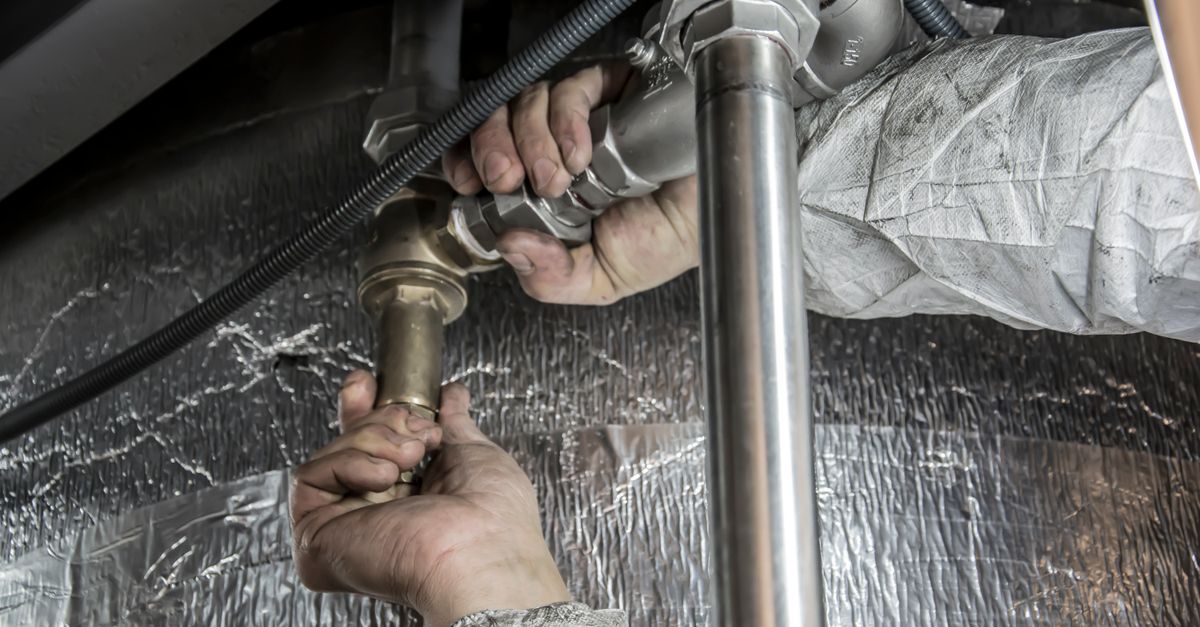
When planning a whole-house installation, consulting a professional plumber or running a peak demand calculation ensures that your pipe sizing and tank flow ratings match your household’s maximum simultaneous water usage. Ignoring these hydraulic calculations can result in frustrating pressure starvation across your entire home whenever multiple family members use water at once.
Scale Reduction and Fixture Protection
If your primary grievance is chalky white scale crusting over your showerhead nozzles, glass doors, and tile, you need to look closely at how each system handles hard water minerals.
Standard showerhead filters generally offer little to no true softening capability. While manufacturers often claim their proprietary media prevents scale, independent testing shows that kinetic degradation media and carbon primarily address chlorine, heavy metals, and volatile organic compounds rather than dissolved calcium and magnesium. Your showerhead may still require periodic descaling with vinegar or commercial cleaners.
Whole-house salt-based softeners eliminate this issue entirely by removing the minerals at the point of entry. Your shower glass stays cleaner longer, your fixtures remain free of crusty buildup, and your skin and hair avoid the drying, mineral-heavy residue left by hard water. Whole-house salt-free conditioners also prevent scale accumulation inside hidden components like your water heater tank and internal pipe walls, extending the lifespan of your home’s entire plumbing infrastructure.
Protecting appliances via whole-house treatment pays dividends over time. Water heaters operating with hard water accumulate thick layers of mineral scale on heating elements, forcing them to consume more energy and fail prematurely. By neutralizing hardness at the point of entry, you preserve the efficiency and longevity of every appliance that touches water in your house.
Filter Replacement Costs and Maintenance Demands
Ongoing maintenance is where the financial and operational differences between these two solutions become starkly apparent. Operating costs extend far beyond the initial purchase price.
Showerhead filters require frequent, hands-on attention. Because the filter cartridges are relatively small, they have a limited holding capacity. Most manufacturers recommend replacing shower filter cartridges every 3 to 6 months, depending on household size and water usage. A family of four taking daily showers will exhaust a standard filter cartridge much faster than a single occupant. Replacement cartridges typically range from $15 to $40 each, translating to an annual maintenance cost of roughly $60 to $160.
Whole-house systems require less frequent but more structured maintenance:
- Sediment Pre-Filters: Clear housing filters must be inspected monthly and replaced every 3 to 6 months, costing $10 to $30 annually.
- Carbon Media Beds: Whole-house carbon tanks usually last 3 to 5 years before requiring a complete media re-bedding, which can cost several hundred dollars or require professional service.
- Salt-Based Softeners: Require regular bags of salt (ranging from $6 to $15 per 40-pound bag), translating to an annual salt expense of $60 to $150 depending on water hardness and household water consumption.
While the annual upkeep of a whole-house system can rival or exceed multiple shower filter replacements, the whole-house system protects every water-using appliance in your home, spreading its functional value across water heaters, dishwashers, and washing machines. Factoring in these long-term consumables when selecting your equipment prevents unexpected budget strains down the road.

Installation Complexity and Upfront Investment
The barrier to entry for these two filtration tiers differs dramatically, influencing whether a DIY approach is feasible or if professional help is mandatory.
Installing a showerhead filter requires zero plumbing expertise. You simply unscrew your existing showerhead from the pipe arm, wrap the threads with standard plumber’s tape, screw on the filter housing, and attach the showerhead to the outlet side of the filter. The entire process takes less than ten minutes and requires only an adjustable wrench or pliers. Upfront costs are minimal, usually ranging from $30 to $100 for a durable metal housing and initial cartridge.
Whole-house systems, by contrast, demand a serious investment of both time and money. Purchasing a reliable whole-house filtration or softening system typically ranges from $600 for basic DIY-friendly tank setups to over $3,000 for advanced multi-stage commercial-grade systems with professional installation. Unless you have advanced soldering and PVC/PEX plumbing skills, professional installation is strongly recommended to tie the system into the main water supply line safely, integrate a bypass valve, and ensure proper drainage for backwashing units.
Furthermore, whole-house systems often require dedicated electrical access (for powered control heads) and a nearby drain line for periodic regeneration or backwash cycles. Failing to account for these logistical requirements can complicate installation and inflate labor costs significantly.
Evaluating Your Water Quality and Household Needs
To determine whether a showerhead filter or a whole-house system makes sense for your situation, ask yourself a few targeted diagnostic questions:
- Do you rent or own? Renters should stick with inline shower filters. Homeowners can weigh the long-term benefits of whole-house infrastructure protection.
- What are your primary water complaints? If you only dislike the smell of chlorine in the steam or want basic sediment reduction, a shower filter handles the job efficiently. If you have thick white scale on every bathroom surface and dry, irritated skin from hard water minerals, a whole-house softener is necessary.
- What is your budget? If spending over $1,000 upfront on plumbing modifications is out of the question, starting with an affordable shower filter provides immediate chlorine relief while you save for a comprehensive system.
Conducting a comprehensive water test before making a purchase ensures you invest in the correct technology. Municipal water quality reports provide a baseline, but testing your tap water directly reveals local pipe contamination or localized hardness levels that might dictate specialized treatment requirements.
Summary Comparison Table
Reviewing key operational metrics side-by-side highlights how these filtration methods cater to different homeowner priorities:
- Installation: Shower filters take 10 minutes with basic tools; whole-house systems usually require professional plumbing integration.
- Scope of Protection: Shower filters treat a single bathroom fixture; whole-house systems protect every tap, pipe, and appliance.
- Hard Water / Scale: Shower filters provide minimal scale mitigation; whole-house softeners or conditioners eliminate or prevent scale accumulation.
- Maintenance Frequency: Shower filter cartridges need replacement every 3 to 6 months; whole-house systems require annual salt top-ups or multi-year media changes.
- Upfront Cost: Shower filters cost $30 to $100; whole-house systems range from $600 to $3,000+ installed.
Making Your Final Decision
Neither solution is universally superior; each serves a distinct purpose in home water management. If you live in a rented apartment, experience harsh municipal chlorine odors, or want a low-cost, low-risk way to improve your daily shower experience, a high-quality showerhead water filter delivers excellent return on investment with zero installation hassle.
However, if you own your home, suffer from severe mineral hardness that ruins fixtures and strains water-using appliances, and want comprehensive protection across every faucet, investing in a whole-house filtration and softening system is the superior long-term strategy. Assess your local water report, evaluate your plumbing layout, and match your filtration investment to your actual daily needs.