When planning a kitchen remodel or replacing a worn-out appliance, few decisions impact your daily routine quite like choosing your cooking range. For decades, home cooks have debated the merits of a dual fuel range vs gas range. A traditional all-gas range has long been the darling of residential kitchens, prized for its responsive burners and simple installation. Meanwhile, the dual-fuel appliance promises the best of both worlds: the precision of gas flames on the cooktop combined with the even, dry heat of an electric convection oven underneath.
Making the right choice requires looking past marketing claims and examining how these appliances actually perform under everyday cooking conditions. You need to weigh baking precision, cooktop control, kitchen ventilation requirements, and—crucially—the electrical infrastructure of your home. This guide breaks down the functional differences between these two setups to help you decide which configuration deserves a spot in your kitchen layout.
Understanding the Anatomy of Modern Ranges
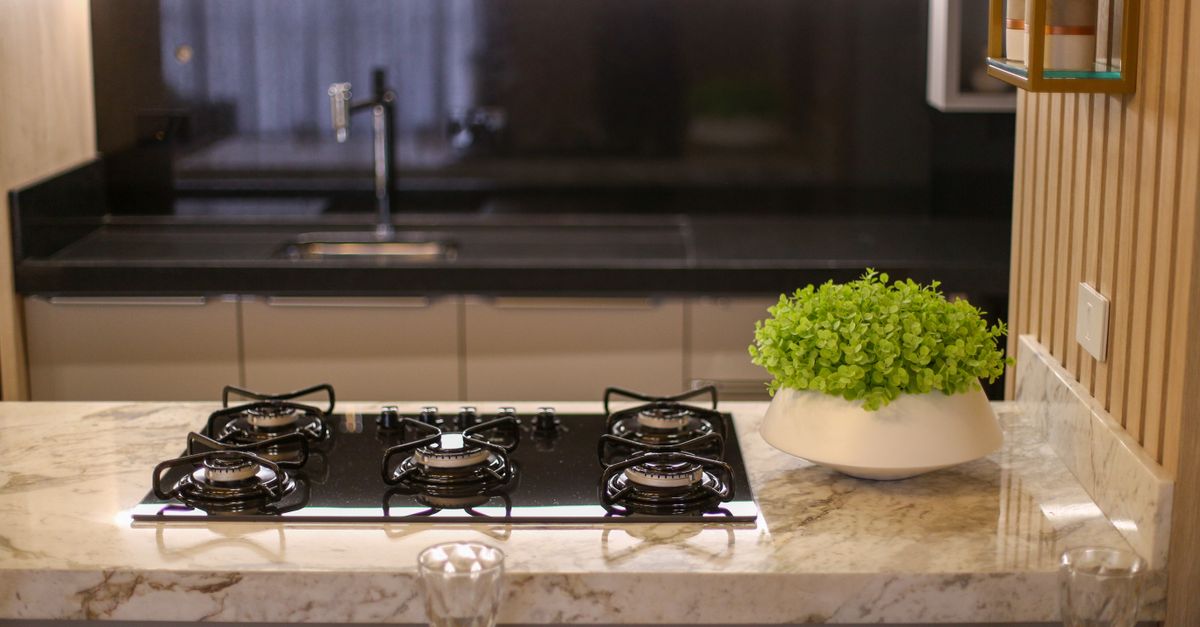
Before diving into performance metrics, it helps to understand what distinguishes these three main range categories: all-gas, all-electric, and dual-fuel. While all-electric ranges rely on smooth glass-ceramic tops or exposed electric coils paired with an electric oven, gas and dual-fuel ranges share a common top deck.
An all-gas range uses natural gas or liquid propane for both the surface burners and the lower oven cavity. The oven burner sits at the floor of the cabinet, generating heat that rises through natural convection or is pushed around by a convection fan. A dual-fuel range maintains the same gas burner configuration on top—offering open ports, sealed burners, or high-output brass rings—but swaps the gas oven cavity for a heavy-duty electric baking and roasting element, often supplemented by true European convection systems.
Manufacturers design these hybrid units specifically for culinary enthusiasts who demand the tactile feedback of open flame cooking paired with the exacting thermal tolerances required for professional-grade baking. Understanding how these distinct power sources interact within a single chassis is the first step toward making an informed purchasing decision for your kitchen upgrade.
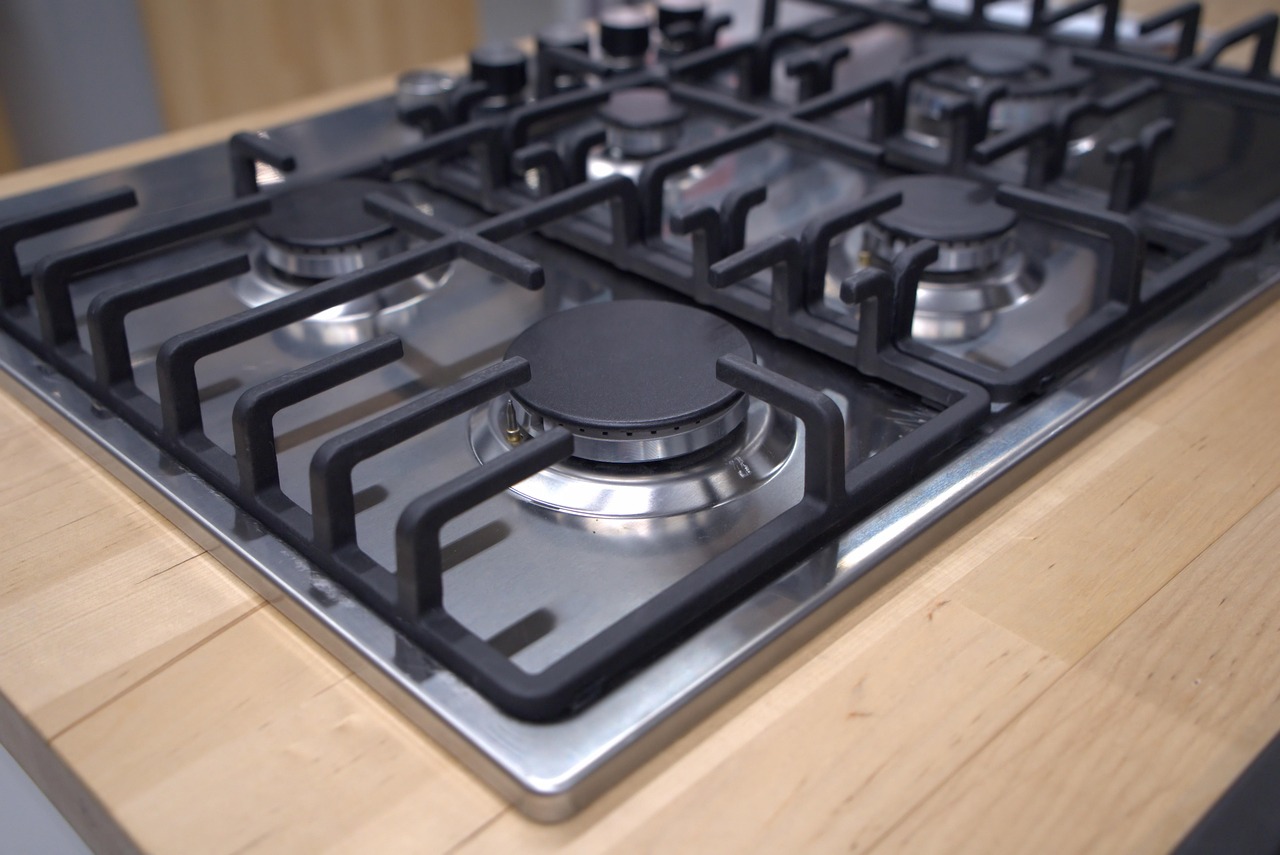
Furthermore, examining the physical construction of these appliances reveals why they command different price points. A high-end professional-style range—whether gas or dual-fuel—features heavy-gauge stainless steel construction, heavy cast-iron continuous grates that allow heavy pots to slide effortlessly across burners, and robust metal control knobs. The underlying skeleton of a dual-fuel range, however, must accommodate both heavy-duty gas supply manifolds and high-voltage electrical relays, terminal blocks, and insulation designed to withstand the intense thermal output of electric resistance elements.
Cooktop Performance: Gas vs. Dual-Fuel
One of the primary reasons homeowners gravitate toward gas and dual-fuel ranges is the cooktop. Because both appliance types use identical gas burner technology on top, their surface performance is virtually identical. Whether you choose a dedicated gas model or a dual-fuel unit, you get the same tactile feedback, visual flame control, and rapid heat adjustment.
Gas burners excel at tasks that require instant thermal adjustments. When you turn the knob down to simmer a delicate sauce, the flame shrinks immediately, preventing scorching. When you need a rolling boil for a large stockpot of pasta, high-BTU burners deliver direct, enveloping flame contact across the base of the cookware. Furthermore, gas cooktops work with virtually any type of cookware—from cast iron skillets and copper pans to warped aluminum pots that might not make proper contact with a flat electric glass cooktop.
Additionally, modern gas cooktops feature specialized burner designs, such as dual-ring burners capable of dropping down to an ultra-low simmer or roaring up to 20,000 BTUs for wok cooking. Because the cooktop engineering is identical across both gas and dual-fuel units of the same brand and tier, you do not sacrifice an ounce of surface cooking performance by upgrading to a dual-fuel chassis.
It is also worth noting how burner design impacts daily maintenance. Sealed burners prevent spills from falling into the internal mechanics of the range, pooling instead on a smooth porcelain-enameled or stainless steel spill tray. Open burners, often found on ultra-premium restaurant-style ranges, drop spills directly into a catch tray below, which requires periodic manual cleaning. Regardless of whether you choose an all-gas or dual-fuel unit, you will interact with the exact same cooktop surface and maintenance routine.
Oven Performance: The Core Difference
While the cooktops may match, the oven cavities tell a very different story. This is where the debate over a dual fuel range vs gas range truly matters. The heating medium inside the oven dictates how bread rises, how cookies brown, and how evenly roasts cook.
Gas ovens produce heat by burning gas, and a chemical byproduct of hydrocarbon combustion is water vapor. This creates a relatively moist environment inside the oven cavity. While moisture is beneficial when roasting meats—helping to keep poultry juicy and pork tender—it can work against you when baking. Excess humidity in the air makes it harder to achieve a crisp, flaky crust on pastries, and it can cause cookies to spread too quickly before the structure sets.
Electric ovens, by contrast, use dry heat generated by high-resistance heating elements. Combined with true convection systems—which feature a dedicated heating element surrounding the convection fan—electric ovens circulate air that maintains a remarkably stable temperature throughout the cavity. This dry, uniform heat environment minimizes hot spots, ensures even browning across multiple racks, and delivers predictable results for delicate baking projects.
To understand this difference in practical terms, consider the baking physics. When you slide a tray of choux pastry or laminated dough into an electric oven, the dry circulating air rapidly draws surface moisture away, allowing the dough to puff and set into a rigid, golden structure. In a gas oven, the ambient humidity slows down surface evaporation. While you can certainly bake wonderful cakes and casseroles in a gas oven, achieving pastry perfection requires more vigilance regarding baking times and rack positioning.
Baking Precision and Convection Technology
If you consider yourself an avid baker, pastry chef, or someone who frequently utilizes multi-rack baking, the baking capabilities of an electric oven are hard to overlook. True convection in dual-fuel ovens pulls air from the back element, heats it, and forces it across every rack simultaneously. This means you can load three sheets of chocolate chip cookies into the oven at once and pull them out evenly golden-brown without needing to rotate the pans halfway through the bake time.
Gas convection ovens, while improved in recent generations, often struggle with temperature swings. Because gas burners cycle on and off to maintain a set point, the ambient temperature can fluctuate more noticeably than in an electric oven. For everyday casseroles, roasted vegetables, and weeknight sheet-pan dinners, these minor temperature variations are entirely unnoticeable. However, for sensitive culinary applications like soufflés, macarons, or intricate layer cakes, the stability of a dual-fuel electric oven provides a distinct advantage.
Moreover, the thermal mass of electric heating elements helps recover temperature rapidly after the door is opened. When you check on a dish or baste a roast, the electric elements re-energize with steady resistance heat, whereas a gas burner must reignite and cycle gas, leading to slower thermal recovery times in certain configurations. This rapid recovery ensures that your baking cycle remains uninterrupted even if you need to rotate pans or check internal temperatures.
Advanced dual-fuel ranges also offer specialized operating modes such as proofing settings for bread dough, dehydrating functions, and precise temperature biasing. These features leverage the fine-grained electronic control of electric elements to hold exact temperatures that would be difficult for a fluctuating gas flame to match over extended periods.
Installation Realities: Power and Gas Lines
While culinary performance is paramount, the practicalities of kitchen installation frequently dictate the final purchasing decision. Upgrading from a standard gas range to another gas range is a straightforward swap: connect the flexible gas line, plug the standard 120-volt power cord into a wall outlet for the electronic igniters, clock, and lights, and slide the unit into place.
A dual-fuel range introduces a significant electrical hurdle. Because electric ovens require substantial wattage to power their baking, broiling, and convection elements, dual-fuel appliances require a dedicated 240-volt electrical circuit—the same heavy-duty plug used by all-electric ranges and clothes dryers. If your kitchen currently has only a standard gas drop and a 120-volt outlet near the range space, installing a dual-fuel range requires hiring a licensed electrician to run a new heavy-gauge wire from your main electrical panel to the kitchen.
Depending on your home’s layout, distance to the breaker box, and available electrical panel capacity, this upgrade can add hundreds or even thousands of dollars to your kitchen renovation budget. In older homes, the main electrical service panel may even need an upgrade to handle the cumulative load of modern kitchen appliances. Homeowners must weigh whether the performance gains of an electric oven justify the potential installation expense, particularly if drywall repair or sub-panel upgrades are required to accommodate the new line.
In addition to electrical considerations, plumbing and gas line sizing must be verified. Most pro-style ranges require a 1/2-inch or 3/4-inch gas supply line and a dedicated manual shutoff valve located in an accessible location. Ensuring compliance with local building codes and National Fuel Gas Code guidelines is mandatory for safety and warranty validity.
Ventilation and Kitchen Comfort
Another factor to keep in mind when evaluating range options is kitchen ventilation. Gas ranges release heat, combustion byproducts, and ambient moisture directly into your kitchen air. During heavy cooking sessions—such as searing steaks or simmering stocks for hours—a powerful range hood is essential to capture grease, heat, and exhaust.
Because dual-fuel ranges feature identical gas cooktops, they release the same amount of ambient surface heat and cooking exhaust as a standard gas range. The electric oven underneath does not vent combustion gases into the room, but it does emit dry heat into the kitchen space during long roasting cycles. Regardless of whether you select a gas or dual-fuel model, investing in a properly sized, exterior-venting range hood is a critical step for maintaining indoor air quality, reducing household humidity, and protecting your cabinetry from grease accumulation.
When calculating required ventilation power—measured in cubic feet per minute (CFM)—keep in mind that high-output gas cooktops generating over 50,000 total BTUs generally require make-up air systems in modern, airtight homes to prevent depressurization and ensure proper exhaust draft. Balancing your range’s thermal output with an appropriately rated hood fan is an essential element of overall kitchen design safety.
Cost Considerations and Long-Term Value
Budgetary factors extend far beyond the initial purchase price of the appliance. When comparing costs, look at local utility rates, installation complexity, and long-term ownership expenses to understand the complete financial picture:
- Upfront Appliance Cost: Dual-fuel ranges are positioned as premium kitchen appliances. They typically carry a higher price tag than standard all-gas equivalents of the same brand and tier due to the hybrid engineering required.
- Installation and Modification: If you lack a 240-volt outlet near the range, expect to pay for electrical permitting, wire running, heavy-duty conduit, and potentially a dedicated breaker installation.
- Utility Costs: Natural gas is generally less expensive per BTU than electricity in many regions of the United States. While running an electric oven will increase your monthly electric bill slightly, the operational cost difference between gas and electric ovens is usually negligible for most households over the course of a year.
- Maintenance and Repair: Electric oven elements are generally robust, but electronic control boards and dual-fuel diagnostic systems can be more complex to service than simpler gas ignition systems if a component fails out of warranty.
Evaluating these costs against your expected timeline in the home helps clarify value. If you plan to stay in your home for many years and bake frequently, the investment in a dual-fuel setup pays dividends in daily culinary satisfaction. If you are prepping a home for a quick resale, a standard gas range often provides the desired aesthetic and high-end feel at a lower initial capital outlay.

Common Mistakes to Avoid When Choosing
Homeowners shopping for a new kitchen range often run into a few predictable pitfalls. Keeping these missteps in mind can save you time, money, and frustration during your remodel:
First, don’t assume all dual-fuel ranges perform identically. Convection systems vary wildly between entry-level models and pro-style units. Look for models featuring true or European convection (with a third heating element around the fan) rather than basic fan-assisted gas or electric ovens if baking precision is your primary goal.
Second, never finalize your appliance selection without verifying your kitchen’s electrical capacity. Check your breaker box and the outlet behind your current range before ordering a dual-fuel unit. Discovering that you lack a 240-volt line after the appliance has been delivered can halt your kitchen renovation project for weeks and incur rush service fees from contractors.
Third, match the appliance to your actual cooking habits rather than aspirational cooking styles. If you rarely bake desserts, roast delicate pastries, or cook multi-course meals requiring precise multi-rack precision, the extra cost and installation complexity of a dual-fuel range may not offer a tangible return on your investment.
Fourth, ignore dimensional mismatches. Pro-style ranges—whether gas or dual-fuel—are significantly heavier and deeper than standard builder-grade ranges. Ensure that your cabinet cutouts, countertop overhangs, and kitchen pathways can accommodate the physical footprint of a heavy-duty appliance.
Frequently Asked Questions
To help resolve remaining uncertainties, here are answers to common questions homeowners ask when comparing these range types:
Can I convert a gas range to dual-fuel? No, you cannot simply convert an existing all-gas range into a dual-fuel unit. The internal chassis, wiring harnesses, power supplies, and oven cavity structures are entirely different. You must purchase a dedicated dual-fuel appliance.
Do electric ovens take longer to preheat than gas ovens? High-output electric heating elements often preheat just as fast as, or faster than, standard gas oven burners, especially when paired with rapid preheat modes. However, the exact time depends on the specific wattage and cavity volume of the model.
Are dual-fuel ranges harder to clean? The cooktop maintenance is identical since both use gas burners. The oven cavity cleaning depends on whether the model features self-cleaning pyrolytic technology or steam-cleaning features, which vary across brands regardless of fuel type.
Decision Framework: Which Range Is Right for You?
To crystallize your choice, ask yourself three key questions about your kitchen workflow and home infrastructure:
- What is your primary cooking style? If you primarily sauté, stir-fry, boil, and roast meats, a traditional gas range handles these tasks effortlessly. If you bake bread, pastries, and cakes regularly, the electric oven in a dual-fuel range offers superior results.
- What is your existing electrical setup? If you already have a 240-volt outlet behind your range (perhaps from a previous electric cooktop or wall oven), choosing a dual-fuel model is seamless. If you only have standard 120-volt power, budget for an electrician or lean toward an all-gas model.
- What is your total project budget? If your budget is tight and every dollar counts toward cabinetry or countertops, an all-gas range delivers high-end cooking performance without hidden electrical rewiring costs.
Making Your Final Selection
Ultimately, neither a dual-fuel range nor a gas range is universally superior; each serves distinct culinary preferences and home layouts. Gas ranges remain popular because they provide responsive cooktops, reliable performance, and straightforward gas-only installation. Dual-fuel ranges elevate the baking experience by pairing that same great gas cooktop with the dry, consistent heat of an advanced electric convection oven.
By evaluating your baking habits, checking your home’s electrical infrastructure, and weighing your renovation budget honestly, you can select the range that best supports how you cook every single day.