When your bathroom ventilation fan starts emitting a mechanical whine, fails to clear steam during hot showers, or stops working altogether, it is time for a replacement. While DIY installation is possible for handy homeowners with attic access, many people hire an electrician, HVAC technician, or general handyman. If you are gathering estimates, figuring out a realistic bathroom exhaust fan replacement cost estimator model can save you from overpaying. Contractor bids for this seemingly simple job can range from a few hundred dollars to well over a thousand, depending on what is hiding behind your drywall and inside your attic.
Understanding how professionals price this work requires looking past the bottom-line total and examining the individual line items. Contractors factor in labor hours, ceiling modifications, electrical wiring capacity, and ductwork paths. When you know how to deconstruct a proposal, you can spot predatory labor surcharges, question unnecessary line items, and ensure your bathroom receives the proper ventilation performance it needs to prevent mold and mildew growth.
Furthermore, navigating these proposals requires a fundamental appreciation of mechanical building science. A bathroom fan is not merely a small appliance screwed into drywall; it is the terminating point of a mechanical extraction system designed to handle hundreds of cubic feet of humid air per minute. When you bring a licensed tradesperson into your home, you are paying for their liability insurance, specialized tools, code knowledge, and efficiency in dealing with unexpected structural hurdles. Evaluating their bid objectively ensures you maintain a healthy working relationship while paying a fair, transparent market rate.
The Anatomy of a Bathroom Fan Replacement Bid
A professional service proposal should never be a single lump sum scribbled on a notepad. A legitimate contractor breaks down a bathroom exhaust fan replacement cost estimator projection into distinct categories: labor, materials, disposal fees, and any necessary permits. When you request multiple bids for comparison, ensure each contractor is quoting the exact same scope of work.
The baseline cost typically covers removing the existing unit, dropping in a replacement housing of a similar footprint, connecting existing wiring, and securing the duct connection. However, very few replacements are straightforward exact matches. If the new fan requires a larger ceiling cutout, stronger mounting framing, or an electrical switch upgrade, the labor and material requirements increase. Requesting itemized bids allows you to see exactly where your money is going and helps you identify where inflated charges might be hiding.
To thoroughly understand a proposal, look for specific sub-line items such as disposal of the old unit, hardware fasteners, vibration isolators, and sealing mastic for duct connections. If a contractor groups everything into a vague “Installation Services” fee, ask for a written breakdown before signing any agreements. Furthermore, a professional bid should explicitly state whether the cost includes traveling to the job site, protecting surrounding flooring and vanities with drop cloths, and performing a post-installation airflow test to verify that the unit is exhausting air properly through the roof cap.
Line-item transparency also protects you during tax season if you are making energy-efficient or health-related home improvements, and it provides clear documentation if you ever sell your home and need to prove that professional work was performed up to current building codes. When an estimator takes the time to write out each phase of the project, it signals a high level of professional organization and reduces the likelihood of scope creep or mid-project misunderstandings.

Straight Swaps Versus Complex Retrofit Installations
The single biggest driver of project cost is whether the job is a straight swap or a complex retrofit. A straight swap occurs when the contractor can access the fan housing from below or above in an open attic, and the new fan fits into the exact same ceiling opening and connects to the existing duct and wiring.
Retrofit installations, on the other hand, introduce complications that add labor hours. Common complications include:
- Ceiling Cutout Modifications: Older fans often feature smaller housing units than modern, high-CFM (cubic feet per minute) quiet fans. Expanding the drywall cutout requires precise cutting, patching, or framing support.
- Attic Accessibility: If the bathroom is located on a multi-story home with living space above it rather than an attic, the contractor must work entirely from the bathroom ceiling, which is significantly more tedious and time-consuming.
- Switch and Wiring Upgrades: Upgrading from a basic single-switch unit to a modern model featuring integrated LED lighting, a humidity sensor, or a heater requires running new wiring or adding wall switches.
When evaluating bids, check whether the contractor has inspected your attic or if they provided a blind quote over the phone. A reputable professional will want to see the existing setup before committing to a final price. Without an attic inspection, contractors frequently build massive contingency cushions into their flat rates to guard against hidden framing issues, damaged wiring, or disconnected ductwork.
Additionally, working from underneath a finished ceiling without an attic crawlspace above requires specialty drywall tools, dust containment systems, and patching expertise. If your contractor has to cut away plaster or drywall to anchor a heavier housing unit to surrounding ceiling joists, expect an additional line item for drywall repair and texture matching. While some contractors include basic patching, others leave finishing work to a separate painter or drywall specialist, so clarifying this responsibility upfront is essential to avoiding surprise expenses.
Understanding Duct Run Material Tiers and Pricing
The fan itself is only part of the equation. The ductwork that carries moisture-laden air outside your home plays a massive role in system efficiency and total project cost. During a replacement, a contractor may recommend upgrading your duct runs, especially if the existing setup uses substandard materials.
Duct material tiers generally fall into three categories:
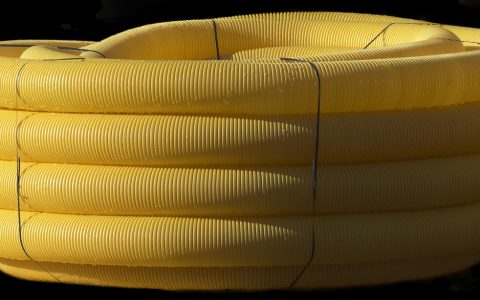
- Flexible Foil or Plastic Ducting: Inexpensive and easy to snake through tight attic spaces, but prone to sagging, collecting moisture in low points, and creating high static pressure that reduces fan performance.
- Semi-Rigid Aluminum Ducting: A step up in durability and airflow efficiency, offering a smoother interior surface while remaining flexible enough for tricky routing.
- Rigid Galvanized Metal Ducting: The gold standard for airflow efficiency and longevity. Rigid metal ducts resist crushing, prevent lint or dust buildup, and comply strictly with modern building codes for long vertical or horizontal runs.
If a contractor’s bid includes replacing degraded flexible ductwork with rigid metal or insulated flex ducting, expect higher material and labor costs. This is an investment that improves the lifespan of your fan and protects your roof structure from condensation damage. Additionally, insulated ductwork is vital in cold climates to prevent warm, moist exhaust air from condensing inside the duct tube before it escapes the building.
It is worth noting that improper duct installation is one of the leading causes of premature bathroom fan motor failure. When flexible ducting is compressed during installation or has excessive sharp bends, the motor has to work harder against backpressure, generating excess heat and noise. Upgrading to a properly sized, smoothly routed duct run eliminates this strain and ensures that the fan operates at its rated CFM efficiency, ultimately saving you money on electricity and preventing costly repairs down the road.
Furthermore, local building codes in many municipalities now explicitly prohibit uninsulated flexible ducting in unconditioned attic spaces due to condensation risks. If an older home currently features substandard materials, a code-compliant replacement will require upgrading the duct run, making it imperative to verify whether your estimates account for this material transition.
Spotting Predatory Labor Surcharges and Hidden Markups
Unfortunately, home improvement services occasionally feature inflated pricing or hidden fees designed to take advantage of homeowners who are unfamiliar with standard trade rates. To protect your investment, look out for common predatory markup tactics:
Exorbitant Material Markups: Contractors are entitled to a markup on hardware to cover procurement, transportation, and warranty handling. However, a markup exceeding 30 to 50 percent on standard retail items like a basic bathroom fan is excessive. Always cross-reference the model number of the fan being supplied against standard retail pricing.
Vague Diagnostic or Trip Fees: While it is normal for a service professional to charge a fee to visit your home and evaluate the situation, this fee should ideally be credited toward the total repair cost if you hire them. Be wary of contractors who stack separate diagnosis fees, truck charges, and administrative surcharges on top of standard labor rates.
Inflated Labor Hours: A standard straight-swap fan replacement typically takes an experienced technician between one and two hours. More complex retrofit jobs involving new roof vents or wiring might take three to four hours. If a bid lists eight hours of labor for a simple residential fan replacement, ask for a detailed explanation of why the time estimate is so high.
Being vigilant about these markup tactics ensures you remain in control of your renovation budget. If a contractor resists itemizing their labor or tries to rush you into signing an open-ended time-and-materials contract, take a step back and consult another professional. Transparent pricing is a hallmark of reputable tradespeople who value long-term client trust over quick, high-margin transactions.
Another common tactic to watch for is the lowball estimate designed to win the job followed by a barrage of surprise change orders once work commences. Ethical contractors conduct a thorough pre-work audit of the electrical service panel, switch boxes, attic space, and roof penetration point so that their initial estimate captures the true scope of the project from the very beginning.

Evaluating Electrical Requirements and Code Compliance
Bathroom ventilation is subject to strict building and electrical codes for safety and moisture control. A proper replacement bid should account for these requirements. For instance, fans installed directly over a bathtub or shower enclosure must be rated for wet or damp locations and connected to a Ground Fault Circuit Interrupter (GFCI) protected circuit.
If your home is older, the existing wiring might lack a dedicated ground wire, or the electrical box in the ceiling might not be robust enough to support a heavier, modern fan-heater combination. A trustworthy contractor will include necessary electrical updates in their estimate rather than surprising you with code-compliance upcharges halfway through the job. Always verify that your contractor pulls any required local permits if your municipality mandates them for electrical or mechanical alterations.
Furthermore, local building codes increasingly mandate that new or replaced bathroom fans operate continuously at a low CFM rate or be controlled by a moisture-sensing switch or a programmable timer rather than a simple on-off toggle switch. Discussing these switch options ahead of time prevents misunderstandings about project scope and final billing.
Integrating modern controls not only brings your home into compliance with current energy codes but also vastly improves everyday usability. A humidity-sensing switch automatically detects steam buildup during showers and runs the fan until relative humidity levels return to baseline, eliminating the risk of family members forgetting to turn the unit off or on. When reviewing electrical line items, ensure your contractor clearly outlines whether new switch boxes or neutral wires are needed to support these advanced control options.
The Hidden Dangers of Improper Termination
One of the most frequent shortcuts taken by substandard installers—or hidden issues in older homes—is improper duct termination. The exhaust air from your bathroom must be vented entirely outside the building envelope. Venting moist air directly into an unventilated attic space is a major building code violation that leads to rapid mold growth, wood rot, and ruined roof sheathing.
When reviewing bids, verify where the duct ultimately leads. A quality bid will include checking or installing a dedicated roof cap, gable vent, or soffit vent equipped with a backdraft damper. If your current fan simply exhausts into the attic crawlspace, fixing this ventilation flaw should be a non-negotiable line item on your new project estimate.
Contractors who omit roof termination checks from their bids are either ignoring critical building safety standards or planning to present you with an expensive change order once they crawl into your attic and discover the code violation.
Addressing improper termination also protects the structural integrity of your roof framing over the long term. Warm, moisture-laden air rising into a cold attic during winter months condenses rapidly upon hitting cold roof trusses, creating ideal conditions for wood-boring pests, fungal decay, and ruined insulation. Ensuring your contractor installs a properly sealed, insulated, and flashed exterior exhaust hood is just as important as installing a high-performance fan motor.
Reading Between the Lines: Contractor Warranties and Change Orders
Before putting pen to paper on any service agreement, examine the warranty terms provided by the contractor. A professional HVAC technician or electrician should offer a workmanship warranty covering their installation labor for at least one year, in addition to honoring the manufacturer’s warranty on the fan motor and housing components.
Furthermore, discuss how change orders are handled. If the technician opens the ceiling and discovers water damage, rotted framing, or damaged wiring that was impossible to see beforehand, a reputable contractor will present a written change order detailing the extra cost and getting your approval before proceeding with the extra repairs.
A clear, unambiguous change-order policy prevents misunderstandings and ensures that both parties are aligned if unforeseen issues emerge behind the drywall. Reputable contractors never perform unauthorized work and bill for it later; they pause, explain the situation to the homeowner, present written pricing options, and wait for formal authorization before proceeding.
How to Compare Multiple Contractor Proposals Effectively
Gathering at least three independent bids is the best way to establish fair market value for your specific project. When you have your estimates side by side, do not simply choose the lowest bidder. A lowball bid often indicates that the contractor is cutting corners, omitting critical line items like roof vent termination, or planning to hit you with change orders once work begins.
Compare the proposals based on scope of work, warranty coverage on labor, quality of materials specified, and the contractor’s licensing and insurance status. A slightly higher bid from an established, insured professional who guarantees their ventilation work and includes proper duct inspection is almost always a better value than a cheap handyman who leaves lingering moisture issues unaddressed.
Taking the time to check licensing boards, read verified local reviews, and confirm general liability insurance gives you peace of mind throughout the project lifecycle. When you evaluate contractor bids through a lens of comprehensive quality rather than bottom-line price alone, you safeguard your home improvement investment and ensure lasting functional performance.
Frequently Asked Questions About Bathroom Fan Replacement Costs
Can I replace just the motor instead of the whole housing?
If your existing fan housing is in good condition and matches the brand and model series of the replacement motor assembly, a motor swap is a viable, lower-cost option. However, for older units where housings are rusted or obsolete, a complete replacement is more reliable.
How many CFM do I need for my bathroom?
As a general rule of thumb, calculate one CFM per square foot of bathroom floor space for rooms up to 100 square feet. For larger spaces, add additional CFM for each plumbing fixture (toilet, shower, tub).
Why is my new fan louder than expected?
Noise levels are measured in sones. A rating of 1.0 sone or lower is exceptionally quiet, while higher sones indicate a noisier unit. Ensure your contractor installs a low-sone model if operating noise is a priority for your household.
Conclusion
Replacing a bathroom exhaust fan is a vital maintenance task that protects your home from moisture damage, mold, and indoor air quality issues. By understanding how to break down a professional service proposal, evaluate duct material tiers, and identify inflated labor surcharges, you can approach the hiring process with confidence. Take the time to secure detailed, itemized bids, verify that proper ventilation standards are met, and choose a qualified professional who delivers lasting value to your home.