When water finds its way into your basement, the panic sets in quickly. Whether it is a slow trickle through a cove joint or standing water after a heavy downpour, fixing the issue usually requires bringing in professionals. But once the estimates start rolling in, comparing them can feel like translating a foreign language. Using a reliable basement waterproofing contractor cost estimator framework is essential for making sense of those numbers.
Waterproofing quotes rarely look alike. One company might pitch a multi-thousand-dollar exterior excavation, while another suggests an interior French drain system at half the price. To evaluate these bids fairly, you need to understand the underlying math, the hardware specifications, and the scope of work each contractor proposes. This guide walks you through analyzing linear-footage pricing, sizing sump pump systems, spotting hidden surcharges, and catching contract red flags before you sign.
Understanding the Anatomy of a Waterproofing Bid
A professional waterproofing estimate is more than a single bottom-line price. It should act as a detailed scope of work that breaks down every phase of the project. If a contractor hands you a napkin sketch or a one-line invoice with a lump sum, that is your first warning sign.
Legitimate bids typically separate costs into distinct categories: labor, materials, permits, and electrical work. They should specify the exact linear footage of the perimeter to be trenched, the specific model and horsepower of the sump pump, the depth and diameter of the sump basin, and the route of the discharge line. Understanding these line items allows you to compare competing contractors apples-to-apples rather than just looking at who is cheapest.
Furthermore, an honest estimate will outline site preparation and cleanup responsibilities. Does the company haul away concrete debris, or is that an extra charge? Do they patch the concrete floor flush with the existing slab, or do they leave a rough trench that you have to finish? Knowing what is included prevents unwelcome surprises when the crew packs up and leaves.
Beyond basic line items, a comprehensive bid should also account for potential structural complications. For example, if your foundation includes interior load-bearing columns sitting directly on footings that cross the drainage path, the estimate needs to detail how the contractor intends to bridge or reroute around those obstacles without compromising structural stability or leaving dead zones where water can pool.
Linear-Foot Pricing Math for Interior French Drains
The backbone of most residential basement waterproofing systems is the interior French drain, sometimes referred to as a sub-floor pressure relief system. When contractors calculate this cost, they rely heavily on linear footage, but the math is rarely a simple multiplication problem.
Contractors generally charge a per-foot rate that covers breaking up the concrete slab, digging the trench, laying gravel, wrapping and placing the perforated pipe, and pouring fresh concrete over the top. However, this per-foot rate can vary wildly depending on site conditions. For instance, breaking up a standard four-inch concrete slab is straightforward, but if your basement has a thick, reinforced concrete floor or stone foundation footings that require hand-chipping, the labor cost per linear foot will climb.
When reviewing the math, check whether the contractor is pricing the entire perimeter or just the walls experiencing active leakage. While targeting only the wet wall can save money upfront, water often migrates along the footing to the next weakest point. A comprehensive system usually requires perimeter coverage, but you should verify that you are not paying for footage covered by built-in obstructions like permanent masonry chimneys or immovable structural support columns that the crew cannot trench around.
It is also vital to analyze how corners, stairwells, and bulkheads are factored into the linear footage calculation. Some contractors measure wall-to-wall dimensions loosely, which can inflate your costs by 10% to 15%. Ask for a breakdown that shows exact room measurements and clarifies whether corner basins or specialized junction fittings carry additional piece-rate charges on top of the base linear-foot fee.

Sump Basin Sizing Tiers and Hardware Specifications
An interior drainage system is only as good as the sump pump discharging the collected water. When evaluating a waterproofing quote, pay close attention to the specifications of the sump basin and the pump itself. This is an area where low-ball bidders often cut corners to undercut the competition.
Sump basins come in various sizes, typically ranging from 18 by 22 inches to larger 24 by 30-inch models. A larger basin holds more water, which means the pump cycles on and off less frequently, extending the lifespan of the motor. If a contractor quotes a tiny, shallow basin in a high-water-table area, the pump will struggle during heavy storms.
You also need to examine the pump hardware. Look for cast-iron housings rather than cheap plastic models, as cast-iron dissipates heat much better. Check the horsepower—typically one-third to one-half horsepower for standard residential applications—and verify whether the system includes a vertical float switch or a tethered float switch. Tethered switches require more clearance inside the basin and can occasionally get hung up on the sidewall, whereas vertical switches offer more reliable operation in tight spaces.
Furthermore, do not overlook the importance of a battery backup pump. Heavy storms frequently knock out residential power grids just when sump pumps are needed most. If your primary quote does not include a secondary battery-operated pump or a combination system, ask for an add-on price. Relying solely on a primary AC-powered pump leaves your finished basement completely vulnerable during prolonged blackouts.
Spotting Hidden Sump Pit Surcharges
One of the most common ways waterproofing estimates swell after work begins is through hidden surcharges related to the sump pit installation. Unscrupulous or careless estimators often leave certain site-specific requirements out of the initial quote, adding them later as change orders.
Electrical requirements are a frequent culprit. Installing a sump pump requires a dedicated, grounded GFCI outlet near the pit. If your basement lacks an outlet in that specific location, running new wiring or pulling a permit for electrical work can add hundreds of dollars to the project. Always ask if the estimate includes the necessary electrical work or if you need to hire a separate licensed electrician.
Another hidden cost involves discharge lines. The quote should clearly state where the water goes once it leaves the pit. Does the line run out through the rim joist and terminate ten feet from the foundation, or does it run underground across your yard to a dry well or street storm drain? Burying a discharge line requires trenching through your landscaping, patching sod, and potentially installing anti-freeze frost-free fittings. If the initial bid only accounts for a short hose dumped right outside the foundation wall, you will face additional expenses to make the system code-compliant and effective.
Check also for check-valve specifications and union fittings. A quality check valve prevents discharged water from flowing back down into the basin when the pump shuts off, reducing unnecessary wear and tear. If these small hardware items are omitted from the bid, or if the contractor charges exorbitant fees for basic PVC fittings during installation, your final invoice will quickly exceed expectations.
Analyzing Exterior Waterproofing and Excavation Bids
While interior systems manage water after it enters the foundation walls, exterior waterproofing aims to stop water before it touches the concrete. Exterior bids are significantly more expensive and complex, requiring heavy machinery, deep excavation, and meticulous site restoration.
When reviewing an exterior quote, examine the membrane application process. A proper exterior job involves excavating down to the footing, cleaning the foundation wall, repairing cracks, applying a heavy-duty polymer-modified waterproofing membrane, and installing a drainage board protection layer alongside exterior weeping tile. Bids that omit the drainage board or rely on cheap tar coatings rather than true elastomeric membranes will fail prematurely.
Excavation also impacts your property’s landscaping, hardscaping, and decks. A professional contractor should explicitly state how they will handle permanent structures like concrete porches, brick walkways, or mature shrubs that sit in the excavation path. If the contract states that landscape repair is entirely the homeowner’s responsibility, factor those landscaping restoration costs into your total budget.
Additionally, ask about backfilling protocols. Soil settling is a major issue after deep excavation. If the contractor does not backfill in compacted lifts using proper granular materials, your yard will experience severe sinkholes and depressions around the foundation perimeter over the subsequent seasons, potentially creating a secondary grading problem that directs surface water right back toward your walls.
Common Waterproofing Quote Red Flags
Protecting your investment means knowing what warning signs to look for when reviewing contractor proposals. Some sales tactics and contract clauses are designed to pressure homeowners or obscure poor workmanship.
High-pressure sales tactics are the most obvious red flag. If a contractor offers a steep discount—often thousands of dollars—only if you sign the contract right then and there during the initial sales visit, walk away. Reputable companies stand by their pricing and allow reasonable time for you to review bids.
Vague warranties are another major concern. Read the fine print to see what is actually covered. A lifetime warranty on a waterproofing system sounds great, but check if it is transferable to a new owner if you sell the home, and find out whether it covers labor or just replacement parts. Furthermore, watch out for clauses that void the warranty if you finish the basement walls later or fail to have the system serviced annually by their specific technicians.
Finally, be wary of proprietary systems. Some national franchises use proprietary drain channels or wall panels that only their specific dealer network can service. If that company goes out of business, finding replacement parts or repair service becomes nearly impossible, locking you out of third-party maintenance.
Comparing Labor, Materials, and Overhead
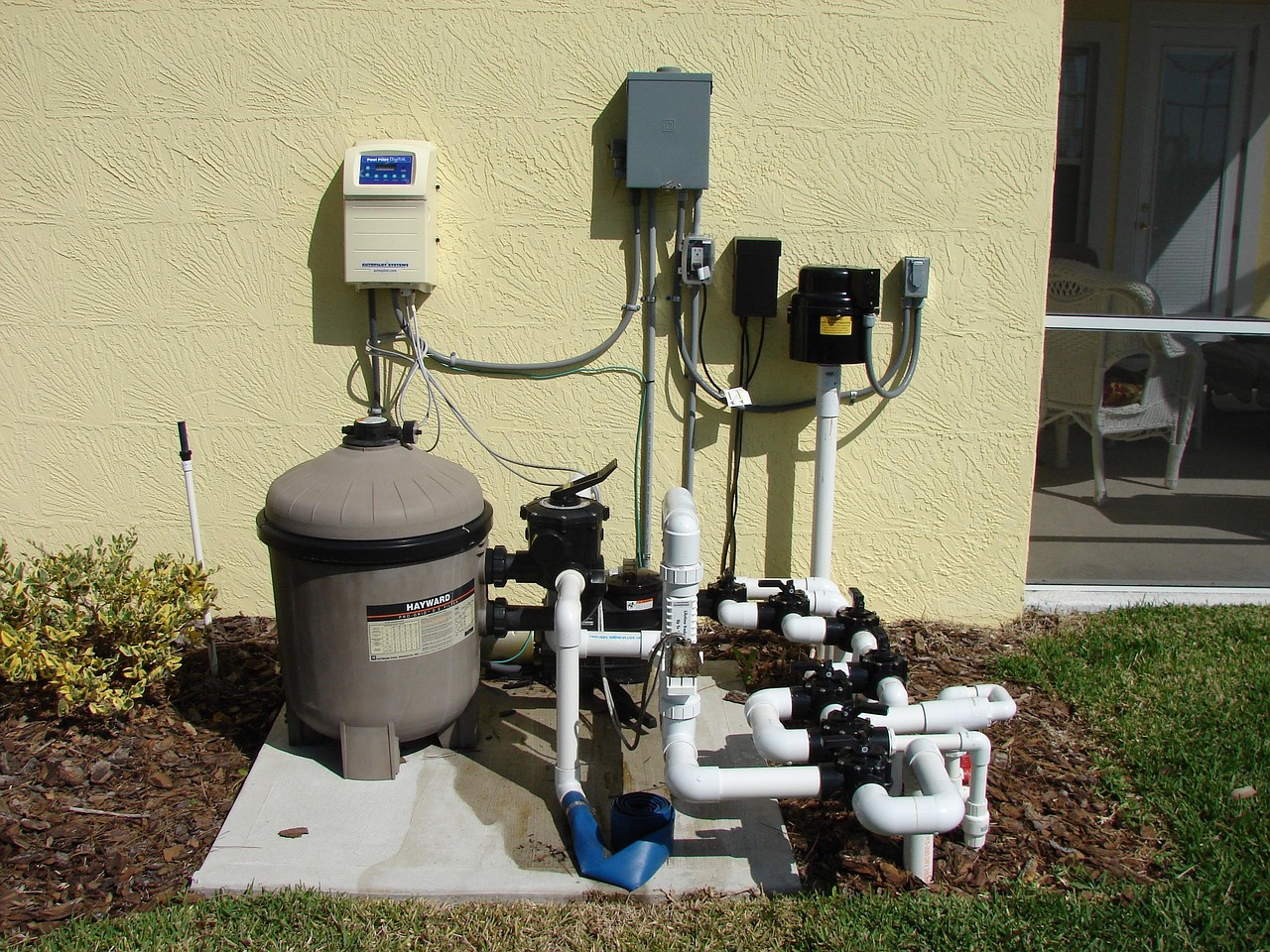
When you look at the total price tag of a basement waterproofing project, it helps to understand how the numbers break down between labor, materials, and company overhead. Understanding this balance helps you evaluate whether a bid is gouging you or undercharging to the point of compromising quality.
Materials make up a relatively modest portion of an interior drainage project—perforated pipe, gravel, sump basins, and pumps are standard commercial goods. The vast majority of the cost is labor and physical exertion. Breaking concrete, hauling heavy buckets of debris up basement stairs, and mixing concrete patches is grueling, labor-intensive work. A bid that seems suspiciously low usually means the contractor is cutting labor costs by hiring unskilled day laborers or rushing through the installation steps.
Overhead also plays a role. Established regional companies with physical offices, customer service teams, insurance coverage, and bonding charge higher rates than independent operators working out of a single pickup truck. While you pay a premium for established businesses, that overhead typically translates to better accountability, warranty fulfillment, and insurance protection if something goes wrong during the excavation process.
It is also prudent to request proof of general liability insurance and workers’ compensation coverage directly from the insurer before signing. Waterproofing involves heavy machinery, structural modifications, and electrical tie-ins. If an uninsured worker is injured on your property or structural damage occurs to your foundation, you could be held personally liable.
Questions to Ask Before Signing a Waterproofing Contract
Before putting pen to paper and handing over a deposit, put your prospective contractor on the spot with a few targeted questions. The answers will tell you everything you need to know about their professionalism and the reliability of their estimate.
- Are your installers company employees or subcontractors, and are they certified by the drainage system manufacturer?
- Does this quote include all permitting fees, inspection costs, and electrical hookups required by local building codes?
- What specific steps do you take to control concrete dust and protect the rest of my home during the trenching process?
- If groundwater continues to enter the basement after the system is installed, what is your exact callback and remediation protocol?
- Can you provide references from at least three local homeowners who had similar interior drainage systems installed within the past two years?
Getting these answers in writing provides an extra layer of protection and ensures both you and the contractor are aligned on expectations before the first hammer hits the concrete.
Conclusion: Balancing Cost and Peace of Mind
Investing in basement waterproofing is rarely cheap, but viewing the expense strictly as a home repair misses the bigger picture. A dry basement protects your home’s structural integrity, prevents mold growth, and preserves valuable living space. By using a structured approach to evaluate linear-footage math, sump pump hardware, and hidden surcharges, you can separate predatory sales pitches from honest, professional bids. Take your time, get multiple quotes, demand transparent line-item details, and choose the contractor who offers the most reliable, comprehensive solution for your home’s specific moisture challenges.