When your cat is diagnosed with chronic lower airway inflammation, mastering feline asthma inhaler training aeroKat chamber cost US considerations, daily dosing routines, and household trigger management becomes essential for long-term health. Feline asthma affects an estimated one to five percent of cats across the United States. Left unmanaged, persistent inflammation leads to permanent airway remodeling, excessive mucus secretion, severe bronchospasm, and life-threatening respiratory distress. While oral corticosteroids like prednisolone were traditionally used to quiet hyper-reactive lungs, long-term oral administration carries risks of systemic side effects including weight gain, iatrogenic Cushing’s disease, secondary infections, and diabetes mellitus. Targeted aerosol therapy has become the clinical gold standard in modern veterinary practice.
Inhaled therapy delivers active medication—most commonly fluticasone propionate—directly onto the inflamed bronchial mucosa. Localized delivery achieves high drug concentrations within airway tissues while keeping systemic absorption negligible. However, cats cannot be instructed to take deep, synchronized breaths from a metered-dose inhaler (MDI). Successful administration relies on specialized holding hardware, gradual behavior shaping through positive reinforcement, and a commitment to reducing common household environmental irritants.
Understanding the AeroKat Aerosol Chamber
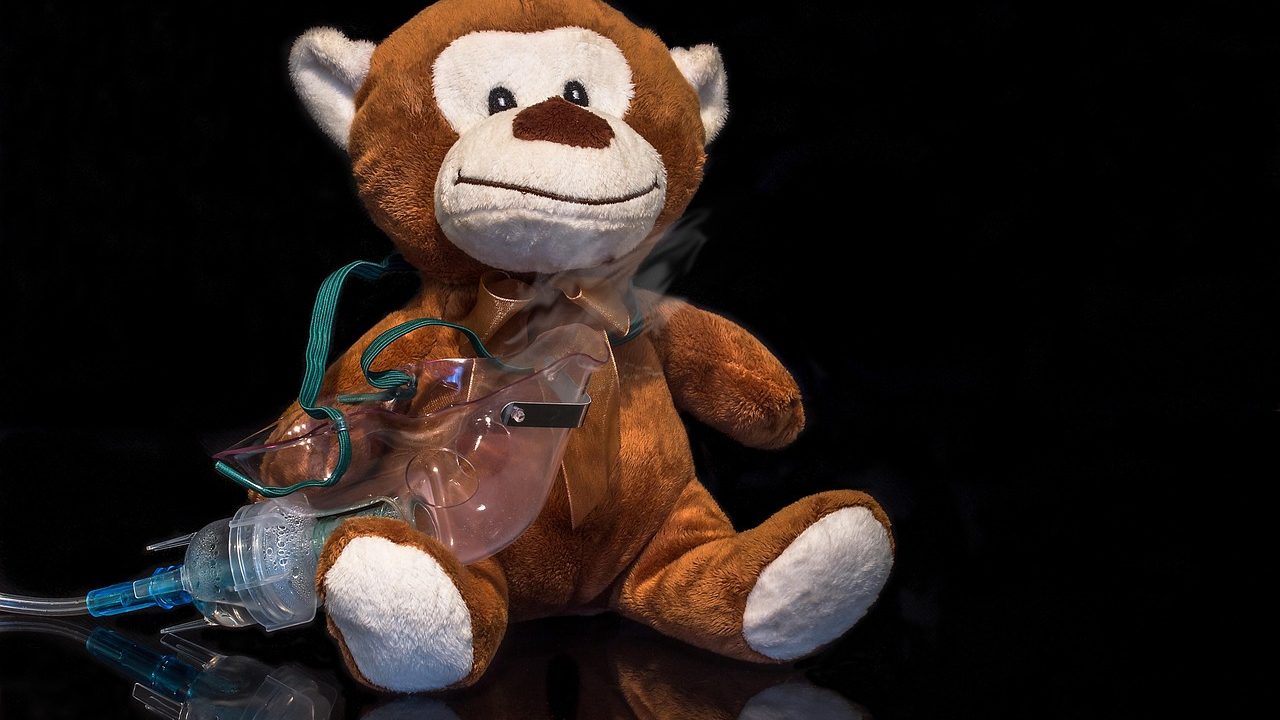
Human metered-dose inhalers fire aerosolized medication at high velocity. If discharged directly into a cat’s mouth, the spray collides with the tongue, teeth, or pharynx, resulting in the drug being swallowed rather than inhaled into the lower lungs. Furthermore, the loud hiss and cold propellant blast cause immediate panic in felines. An aerosol holding chamber acts as an intermediate reservoir that holds the suspended medication in air, allowing the cat to breathe the drug in normally over several natural respirations.
The AeroKat Canine/Feline Aerosol Chamber is engineered specifically for small animal airway anatomy and low tidal breathing volumes. It features four primary functional components:
- Contoured Silicone Mask: Soft, medical-grade silicone masks contoured to seal gently around a cat’s muzzle. Establishing an airtight seal around the nose and mouth is critical to prevent ambient air from diluting the medication. AeroKat kits routinely include small and medium mask options to accommodate various facial profiles, from petite domestic shorthairs to broad-muzzled breeds.
- Static-Free Polycarbonate Body: A clear central cylinder that holds the plume of micro-fine drug particles in suspension for several seconds without letting particles cling excessively to the inner walls.
- Flow-Vu Visual Breath Indicator: A high-visibility green silicone flap located inside the clear adapter component. The Flow-Vu flap flexes visibly toward the cat during inhalation and returns to its resting position upon exhalation. This visual feedback allows pet parents to count actual deep breaths accurately and confirm an adequate seal.
- Universal Rubber MDI Adapter: A flexible, durable socket at the rear of the chamber designed to accept standard commercial metered-dose inhaler nozzles.
Step-by-Step Mask Desensitization Protocol
Rushing a cat into wearing a face mask is the single most common cause of treatment failure. Restraining an anxious cat and forcing a mask over its face triggers a stress response, leading to struggling, vocalization, open-mouth panting, or shallow tachypnea. Shallow or frantic breathing prevents medication from reaching deep into the bronchial tree. Desensitization should proceed as a systematic, reward-based training protocol divided into discrete, low-stress phases over one to two weeks.
Phase 1: Environmental Familiarization and Scent Association (Days 1–3)
Begin by placing the unassembled AeroKat mask and clear chamber on the floor in areas where your cat feels safe and relaxed, such as near sleeping spots or favorite resting perches. Allow your cat to approach, inspect, and sniff the hardware at its own pace. Every time your cat investigates or touches the equipment, immediately provide an exceptionally high-value treat—such as a lickable meat puree, freeze-dried chicken bite, or wet treat paste. Never force the equipment toward the cat during this introduction phase; the goal is simply establishing a positive, non-threatening association.
Phase 2: Voluntary Mask Insertion and Treat Pairing (Days 4–7)
Detach the soft silicone mask from the clear chamber. Smear a small dab of lickable treat inside the inner rim of the mask near the nose opening. Hold the mask loosely in the palm of your hand and offer it to your cat. Allow the cat to insert its muzzle into the mask voluntarily to lick the treat out. Repeat this process several times daily. Your cat will begin associating placing its nose into the mask with an enjoyable food reward.
Phase 3: Extended Mask Seal Without Food (Days 8–11)
Once your cat comfortably places its muzzle inside the mask, discontinue smearing treat paste inside the rim. Hold the empty mask gently against your cat’s muzzle for one to two seconds, then immediately remove it and deliver a treat from your opposite hand. Gradually increase the hold duration to three, five, seven, and finally ten seconds over multiple short training sessions. If your cat shows signs of pulling away or pawing at the mask, gently release it without scolding, wait a few hours, and drop back to a shorter duration for the next attempt.
Phase 4: Full Assembly Dry Runs (Days 12–14)
Reattach the mask to the complete polycarbonate AeroKat chamber, leaving the active medication canister off for now. Hold the assembled unit gently against your cat’s muzzle for a duration of 5 to 10 seconds. Focus on keeping your own body relaxed and using a calm, reassuring voice. Watch the green Flow-Vu flap flex with each breath to confirm you are achieving an effective seal around the nose and mouth. Deliver an immediate high-value reward every time the mask is removed.
Phase 5: Acclimatizing to Inhaler Actuation Sounds
The sudden puffing sound of a pressurized MDI canister can startle a sensitive cat. To desensitize your cat to the noise, actuate an inhaler canister (or a dummy aerosol spray) into a cardboard box or thick towel several feet away from the cat, immediately followed by a favorite treat. Once the sound no longer evokes a startle reflex, attach the canister to the AeroKat. Actuate the drug into the chamber *before* placing the mask onto your cat’s face, or actuate it while holding the unit securely in position if your cat has become thoroughly accustomed to the sound. Keep the mask positioned for 7 to 10 full inhalations, then reward generously.
Mastering Inhaled Medication Routines
Feline aerosol therapy generally employs two distinct classes of inhaled drugs: daily controller medications that reduce underlying chronic inflammation, and fast-acting rescue medications that relieve acute bronchospasms.
Controller Medications (Daily Steroids): Fluticasone propionate (available as brand-name Flovent HFA or generic fluticasone HFA) is the foundational anti-inflammatory agent used in feline asthma management. It works by suppressing mucosal swelling, reducing mucus hypersecretion, and decreasing hyper-reactivity within the airway walls. Fluticasone must be administered consistently twice daily, roughly twelve hours apart. It is a preventive medication and does not provide immediate relief during an active asthma attack. Full therapeutic efficacy typically builds over 7 to 14 days of uninterrupted daily administration.
Rescue Medications (Bronchodilators): Albuterol sulfate (Salbutamol) is a short-acting beta-2 adrenergic agonist that causes rapid relaxation of smooth muscles surrounding constricted airways. Albuterol is used to treat acute coughing fits, wheezing episodes, or sudden breathing distress. It acts quickly—often within minutes—to open narrowed bronchial passages. However, albuterol does not treat underlying airway inflammation and should never be used as a standalone long-term monotherapy. Overuse of beta-agonists without concurrent steroid therapy can lead to receptor down-regulation and paradoxical bronchospasm.
Standard Step-by-Step Dosing Protocol
- Remove the protective cap from the metered-dose inhaler canister and shake it vigorously for 5 to 10 seconds to ensure proper suspension of active drug particles in the propellant.
- Insert the MDI canister nozzle firmly into the universal rubber adapter at the back of the AeroKat chamber.
- Gently position the silicone mask over your cat’s nose and mouth, forming a snug, comfortable seal without pressing hard against the eyes or bridge of the nose.
- Press the inhaler canister down firmly once to discharge a single measured puff into the chamber.
- Observe the green Flow-Vu breath indicator. Count 7 to 10 complete inhalation cycles (one cycle consists of the green flap flexing forward and returning to resting position).
- Gently remove the mask, immediately offer a high-value treat, and wipe your cat’s face and lip area with a damp cloth or warm wipe to remove any residual micro-fine steroid dust from the facial fur.
AeroKat Setup and Hardware Maintenance
Proper maintenance and cleaning of the AeroKat chamber are essential for ensuring consistent drug delivery and preventing static electricity accumulation. Static charge causes airborne medication particles to adhere to the interior plastic cylinder walls, significantly reducing the amount of medication suspended in air for the cat to inhale.
Step-by-Step Cleaning Instructions
Wash the AeroKat holding chamber every two weeks, or immediately if you notice hair, dust, or saliva accumulating inside the barrel or around the valve flap. Never wash the device in an automatic dishwasher or scrub it with harsh brushes, as scratches create micro-grooves that trap static charges and harbor bacteria.
- Disassembly: Carefully pull off the soft silicone mask, the front valve adapter holding the green Flow-Vu flap, and the rear rubber MDI ring from the clear central barrel.
- Soaking: Submerge all disassembled components in a bowl of warm water mixed with a few drops of mild liquid dish soap. Let the parts soak undisturbed for 15 minutes.
- Rinsing: Swirl the parts gently through warm, clean water to rinse off residual soap. Avoid directing strong, high-pressure tap water directly onto the delicate silicone Flow-Vu flap.
- Air Drying: Place all components onto a clean paper towel or drying rack and allow them to air-dry completely. Do not rub or wipe the interior of the clear chamber with cloth towels, napkins, or tissues, as friction generates a strong electrostatic charge on the plastic.
Identifying and Managing Household Asthma Triggers
Inhaled controller medications manage internal airway inflammation, but long-term success requires reducing external airborne triggers that spark acute bronchospasms. Asthmatic cats possess hypersensitive airways that react strongly to common domestic air pollutants.
Selecting Dust-Free Cat Litter
Traditional sodium bentonite clay litters produce fine silica dust clouds whenever a cat digs, scratches, or covers waste. Inhaling micro-fine particulate matter causes physical irritation to bronchial membranes. Transition your household to low-dust or virtually dust-free litter alternatives such as paper pellets, ground walnut shells, compressed wood particles, or dust-free silica gel crystals. Avoid artificial fragrances completely; synthetic scents release volatile organic compounds (VOCs) that irritate sensitive mucosal linings.
Mitigating Dust Mites in Feline Sleeping Areas
Microscopic dust mites thrive in soft fabrics, bedding, carpet fibers, and upholstered furniture. Because cats spend up to 16 hours a day resting, sleeping surfaces represent a major source of allergen exposure. Mitigating dust mite triggers in feline asthma requires a structured cleaning schedule:
- Wash all cat blankets, bed covers, and slipcovers weekly in hot water (at least 130°F) to kill dust mites and neutralize protein allergens.
- Encase primary pet bedding cushions in washable, zippered allergen-barrier covers.
- Replace heavy fabric drapery in primary cat resting areas with non-porous window blinds or washable shades.
- Vacuum carpeted floors at least twice weekly using a vacuum equipped with a sealed HEPA filtration system to trap fine particles rather than exhausting them back into the room air.
Air Purifier Selection and Strategic Placement
Installing dedicated High-Efficiency Particulate Air (HEPA) purifiers significantly lowers the ambient concentration of airborne dander, mold spores, pollen, and fine particulates. True HEPA filtration is certified to capture 99.97% of airborne particles down to 0.3 microns in size.
Place HEPA air purifiers directly in the rooms where your cat spends the majority of its time—typically the main living room or primary bedroom. Position the air purifier unit at least 12 inches away from walls or furniture to allow unimpeded 360-degree intake airflow. Keep the unit running continuously on a low or medium fan speed to maintain stable clean air delivery rates (CADR) rather than turning it on and off periodically.
Eliminating Secondary Indoor Air Pollutants
Evaluate all products and practices that release smoke, vapors, or chemical fumes into your home environment. To protect an asthmatic cat, eliminate exposure to:
- Tobacco smoke, cannabis smoke, and aerosol vapors from e-cigarettes or vaping devices.
- Essential oil diffusers, scented wax melts, and incense sticks. Volatile organic compounds and concentrated terpene oils—such as tea tree, eucalyptus, citrus, and peppermint—are mucosal irritants and can spark acute asthmatic attacks.
- Aerosol deodorants, room sprays, scented plug-in fresheners, and harsh chemical cleaning agents containing ammonia or chlorine bleach. Opt for unscented, non-toxic enzymatic cleaners or simple vinegar-and-water solutions.
- Wood smoke from open fireplaces or wood-burning stoves. Ensure fireplace flues function properly and keep asthmatic pets out of rooms with active hearth fires.
Financial Overview: AeroKat Chamber and Inhaler Costs in the US
Managing feline asthma involves an initial investment in delivery hardware combined with ongoing monthly prescription costs. Knowing what to expect regarding pricing and sourcing options in the US helps pet owners budget effectively while maintaining uninterrupted care.
Hardware Costs
The authentic AeroKat Canine/Feline Aerosol Chamber typically costs between $60 and $80 in the United States when purchased through licensed veterinary clinics, accredited online pet pharmacies, or direct medical suppliers. While generic human pediatric spacer devices can be found online for lower prices ($15 to $30), human spacers lack the low-resistance silicone feline mask shapes and the visual Flow-Vu indicator required to verify adequate mask seal and breath counts in cats.
Medication Costs and Sourcing Options
In the US market, brand-name Flovent HFA (fluticasone propionate) purchased out-of-pocket through retail human pharmacies can be expensive, ranging from $220 to $300 per 120-actuation canister (which provides a 60-day supply under standard twice-daily dosing). Fortunately, several alternative sourcing strategies exist to help manage expenses under veterinary guidance:
| Medication Sourcing Pathway | Estimated US Cost (60-Day Supply) | Key Considerations & Benefits |
|---|---|---|
| Brand Flovent HFA (US Retail Pharmacy) | $220 – $300 | Widely available at local pharmacies; standard brand formulation. Highest out-of-pocket cost. |
| Generic Fluticasone HFA (US Retail Pharmacy) | $90 – $160 | FDA-approved generic alternatives; often significantly discounted using pharmacy savings programs (e.g., GoodRx). |
| Compounded Inhaled Formulations | $60 – $100 | Sourced from licensed US compounding pharmacies; customizable strengths and delivery formats available. |
| Certified International Pharmacies (e.g., Canada) | $45 – $75 | Substantially lower prices for brand-name fluticasone. Requires a valid US veterinary prescription and longer shipping times (2–3 weeks). |
When purchasing medications online or internationally, verify that the dispensing pharmacy requires a valid prescription from your licensed veterinarian and holds appropriate pharmacy accreditations (such as NABP/VIPPS accreditation in the US or CIPA certification in Canada).
Recognizing Emergency Respiratory Distress
Despite diligent daily maintenance dosing and environmental management, asthmatic cats can experience acute exacerbations. Being able to distinguish between stable baseline breathing and an emergency respiratory crisis is essential for timely intervention.
Baseline Breathing vs. Acute Crisis Signs
A well-managed asthmatic cat should display a calm, resting sleeping respiratory rate of under 30 breaths per minute, show smooth chest movement without abdominal straining, and exhibit minimal to no coughing fits. Conversely, signs of an acute, severe asthma attack include:
- Open-Mouth Breathing or Panting: Cats are obligate nasal breathers. Any occurrence of open-mouth panting or frantic breathing represents a medical emergency.
- Abdominal Effort and Heaving: Marked contraction of the abdominal muscles and flanks pushing inward with every exhalation to force air out of constricted lungs.
- Orthopneic Posture: Hunching low to the floor with the neck extended straight out, head lowered, and elbows flared away from the body to open the airway as wide as possible.
- Gum and Lip Cyanosis: Pale grey, blue, or purple discoloration of the gums, tongue, or inner lips indicating inadequate tissue oxygenation.
- Lethargy or Collapse: Severe weakness, mental confusion, or loss of consciousness due to oxygen deprivation.
If your cat displays open-mouth breathing or severe distress, administer a rescue dose of albuterol through the AeroKat chamber immediately according to your veterinarian’s emergency plan, keep the cat as calm and quiet as possible, and transport the animal directly to the nearest 24-hour emergency veterinary hospital.
Practical Scenarios and Common Troubleshooting
Even with thorough preparation, cat owners frequently encounter small hurdles during aerosol therapy. Here is how to navigate common real-world scenarios:
Scenario 1: The Cat Squirms or Backs Away During Dosing
If your cat attempts to back away or hide when it sees the AeroKat, do not chase or trap the animal. Try positioning your cat in a comfortable corner on a table or sofa facing away from you, backed gently against your torso. This prevents backward escape while keeping your hands free to position the mask calmly. You can also wrap your cat loosely in a soft towel (