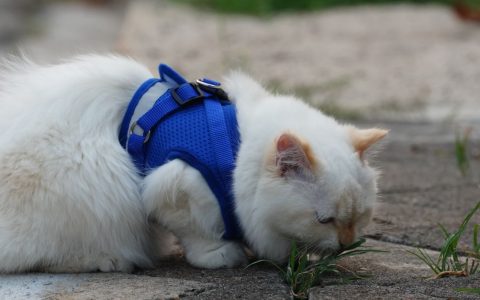
Living with a cat that suffers from chronic upper respiratory issues can feel like a continuous cycle of clear days followed by sudden bouts of sneezing, watery eyes, and nasal congestion. Mastering feline herpesvirus chronic upper respiratory infection care US protocols empowers pet owners to maintain their cat’s daily comfort, limit flare-up frequency, and avoid severe complications. Feline Herpesvirus-1 (FHV-1) is one of the primary drivers of infectious respiratory disease in cats worldwide, and once a cat becomes infected, the virus establishes a permanent home within the nervous system.
Managing an infected cat requires a clear understanding of how the virus behaves, how physical or psychological stress triggers viral reactivation, and how environmental controls can dramatically ease a cat’s work of breathing. Whether you are caring for a single rescue cat with intermittent eye discharge or managing a multi-cat household where respiratory congestion spreads quickly, this guide breaks down clinical insights, practical amino acid supplement dosing, humidity management, stress reduction protocols, and essential veterinary intervention points.
Understanding Feline Herpesvirus-1 (FHV-1) Latency
Feline Herpesvirus-1 is a highly contagious, species-specific alphaherpesvirus that targets the epithelial tissues of the upper respiratory tract and eyes. Following an initial acute infection—often contracted during kittenhood, in animal shelters, or in crowded cattery environments—the virus travels up sensory nerve axons to establish lifelong latency within the trigeminal ganglion. In this sheltered neural environment, the viral DNA persists in a dormant state, hidden from the host’s circulating antibodies and immune surveillance.
During true latency, the cat displays no clinical signs and does not shed infectious viral particles into the environment. However, latency is not permanent total clearance; it is a temporary truce between the host immune system and the virus. When the cat experiences physiological or psychological stress—such as boarding, moving to a new home, introduction of new pets, elective surgery, or systemic illness—endogenous corticosteroid levels rise. Elevated cortisol suppresses local cell-mediated immunity, allowing the virus to reactivate, replicate within nerve tissue, and travel back down sensory nerves to the mucosal surfaces of the nose, pharynx, and conjunctiva.
It is vital for pet owners to realize that viral latency means cure is not the clinical goal; effective long-term management is. Complete eradication of FHV-1 from the nervous system is currently impossible with existing veterinary medicine. Consequently, effective feline herpesvirus chronic upper respiratory infection care US routines focus on suppressing viral replication during reactivations, minimizing environmental and social triggers, supporting the structural integrity of the mucosal immune barrier, and providing prompt medical care when secondary pathogens invade.
Identifying Viral Flare-Ups vs. Secondary Bacterial Infections
One of the central challenges for cat owners is distinguishing between a uncomplicated viral flare-up and a secondary bacterial infection that requires prescription antimicrobial therapy. Because acute viral replication destroys the delicate ciliated epithelial cells lining the nasal passages and sinuses, the upper airway loses its primary physical mechanism for clearing mucus and micro-debris. This structural damage leaves the respiratory tract highly vulnerable to opportunistic secondary bacterial invaders that normally reside harmlessly in small numbers within the upper respiratory tract.
A primary, uncomplicated FHV-1 viral reactivation typically presents with specific serous (watery) signs:
- Clear, serous nasal discharge: Fluid running from the nostrils is thin, transparent, and non-sticky.
- Serous ocular discharge and blepharospasm: Excessive tearing (epiphora) that appears clear, accompanied by mild squinting or blinking.
- Paroxysmal sneezing: Sudden, rhythmic bursts of multiple sneezes in short succession.
- Mild lethargy: A slight drop in activity level or enthusiasm for play, though the cat generally maintains basic curiosity and eating habits.
When opportunistic bacteria such as Bordetella bronchiseptica, Mycoplasma felis, Chlamydia felis, or Pasteurella multocida colonize the damaged mucosal linings, the character of the clinical illness changes significantly. Indications of secondary bacterial involvement include:
- Mucopurulent discharge: Nasal exudate or ocular discharge turns thick, cloudy, yellow, green, or rusty brown.
- Nasal crusting and mechanical occlusion: Nostrils become clogged with dried, hardened purulent material, forcing the cat to open-mouth breathe or make heavy, stertorous (snoring) sounds.
- Severe conjunctivitis and chemosis: The conjunctival tissues surrounding the eye swell dramatically (chemosis), turn dark pink or red, and produce thick discharge that can glue the eyelids shut overnight.
- Complete anorexia and adipsia: The cat stops eating and drinking entirely, largely because severe congestion blocks scent receptors, making food unrecognizable.
- High fever and deep depression: Systemic bacterial activity often raises rectal temperature above 103.5°F, resulting in severe weakness, hiding, and neglect of basic grooming.
If you observe thick colored discharge, complete loss of appetite lasting more than 24 hours, persistent squinting with corneal cloudiness, or labored abdominal breathing, schedule an immediate veterinary evaluation. While early viral flare-ups frequently respond to home supportive measures, secondary bacterial complications demand targeted prescription antibiotics and targeted clinical diagnostics.
L-Lysine Supplementation: Role, Debates, and Dosing Regimens
For decades, L-lysine has served as a widely used non-prescription supplement in feline respiratory management. The biochemical rationale for L-lysine supplementation centers on competitive amino acid antagonism: FHV-1 relies heavily on systemic arginine to synthesize essential viral proteins required for capsid assembly and viral replication. L-lysine shares transport pathways and structural similarities with arginine. By significantly elevating circulating levels of lysine relative to arginine in blood plasma and tissue fluid, the virus is theoretically deprived of the arginine necessary to multiply efficiently.
Modern veterinary literature presents a nuanced, evolving perspective on routine L-lysine supplementation. While early in vitro studies and preliminary clinical trials demonstrated reduced viral shedding and reduced conjunctivitis scores, subsequent controlled systematic reviews in shelter environments yielded mixed results. In high-density housing settings, lysine supplementation did not consistently lower viral load or prevent infection spread across broad populations. Despite these academic debates, many shelter protocols and private-practice veterinarians continue to endorse oral L-lysine for individual household cats during acute flare-ups or anticipated stress periods, provided the supplement is administered without causing undue stress or food aversion.
Standard L-Lysine Dosing Guidelines
When utilizing L-lysine as part of your overall feline herpesvirus chronic upper respiratory infection care US plan, proper dosing, consistent timing, and appropriate formulations are paramount. Human-formulated lysine tablets often contain excipients, artificial sweeteners (such as xylitol, which is toxic to pets), or high dosages that irritate feline digestive tracts. Always select veterinary-labeled formulations—available in unflavored powders, soft chews, or palatable oral pastes. Below are standard clinical dosing guidelines widely recognized in feline practice:
| Cat Category / Health Status | Target Daily Dosage | Administration Frequency | Primary Goal |
|---|---|---|---|
| Kittens (Maintenance / Mild Signs) | 250 mg total per day | Split into 125 mg twice daily | Preventative baseline support during early growth |
| Adult Cats (Routine Maintenance) | 500 mg total per day | Split into 250 mg twice daily | Sustained baseline immune support for chronic carriers |
| Adult Cats (Active Flare-Up / Stress Event) | 1,000 mg total per day | Split into 500 mg twice daily | Suppress active viral replication during acute stress |
To optimize bioavailability and minimize stomach upset, give lysine supplements alongside meals. If your cat resists chews or oral pastes, mixing unflavored, pure L-lysine powder directly into a small tablespoon of wet food or meat puree is usually the least invasive method. Crucially, if a cat refuses to eat food treated with supplement powder, stop adding it immediately; forced administration or food rejection poses a far greater immediate risk to feline health than missing a supplement dose.

Environmental Controls: Humidity, Air Quality, and Temperature
Modifying the home environment is just as critical as biological supplementation when caring for a cat with chronic upper respiratory disease. The microscopic cilia lining the feline nasal passages rely on a healthy, moist layer of mucus to trap pathogens and sweep them toward the throat for elimination. Dry indoor air dries out mucosal surface layers, paralyzes ciliary movement, thickens retained secretions, and aggravates upper airway inflammation.
Optimizing Ambient Humidity and Steam Therapy
Maintaining indoor relative humidity between 40% and 50% keeps sensitive mucosal tissues hydrated and helps break down viscous nasal plugs. Placing cool-mist humidifiers in rooms where your cat spends significant time—such as near sleeping perches or quiet bedrooms—yields consistent benefits. Cool-mist ultrasonic units are substantially safer than warm-steam vaporizers, which present severe thermal burn hazards if knocked over by an inquisitive pet.
For acute congestion episodes, structured bathroom steam therapy provides immediate mechanical relief by softening crusted nasal passages:
- Bring your cat into the bathroom, shutting windows and doors to seal the room.
- Run a hot shower for 10 to 15 minutes, allowing dense warm steam to fill the space. Do not place the cat inside the shower enclosure itself.
- Sit with your cat on a bath mat or comfortable chair, encouraging calm, quiet resting while breathing in the steam.
- Repeat this humidification ritual two to three times daily during active congestion phases. Gently wipe away loosened nasal discharge with a soft, warm paper towel immediately after each session.
Air Filtration and Elimination of Environmental Irritants
Cats affected by chronic viral respiratory disease possess hyper-reactive airway tissues. Environmental irritants that would cause mild irritation in healthy cats can trigger severe inflammatory bouts in herpesvirus-positive animals. Taking active steps to maintain pristine indoor air quality is vital:
- Deploy HEPA Air Purifiers: High-Efficiency Particulate Air (HEPA) units placed in primary living areas continuously extract dust mites, pollen, mold spores, and airborne dander that irritate respiratory passages.
- Transition to Low-Dust Litter: Standard clay litters generate dense micro-dust clouds during pouring, digging, and scooping. Switch to low-dust clay, paper pellet, micro-crystal, or natural pine litters to prevent chemical and physical particle inhalation.
- Eliminate Synthetic Fragrances: Stop using plug-in air fresheners, scented room sprays, aerosol deodorizers, scented candles, and essential oil diffusers. Volatile organic compounds and essential oils (such as eucalyptus, tea tree, wintergreen, and citrus) cause airway spasm and carry potential hepatic toxicity for cats.
- Ban Indoor Tobacco and Cannabis Smoke: Secondhand smoke severely paralyzes respiratory cilia and causes micro-vascular damage throughout the nasal turbinates, dramatically lengthening recovery times during viral flare-ups.
- Maintain Temperature Consistency: Avoid sudden, drastic fluctuations in room temperature or direct cold drafts from air conditioning vents, which can induce reflex airway constriction in compromised pets.
Nutritional Support and Encouraging Appetite During Flare-Ups
Cats are obligatory nose-breathers and depend almost entirely on their olfactory sense to stimulate hunger and trigger the cephalic phase of digestion. When an active herpesvirus flare-up clogs nasal passages with mucus or causes painful ulcerative lesions on the tongue and pharynx, food loses its scent and appeal. Anorexia in felines is a serious medical situation that can lead to hepatic lipidosis (fatty liver syndrome)—a potentially fatal metabolic complication—in as little as 48 to 72 hours of inadequate caloric intake.
When implementing your feline herpesvirus chronic upper respiratory infection care US strategy during a congestion episode, employ targeted feeding protocols to encourage independent eating before metabolic decline occurs:
Warming and Enhancing Food Aromatics
Warm canned cat food or soft meat purees in the microwave for 5 to 8 seconds to bring the temperature to approximately 98°F to 100°F (just below body temperature). Heating food volatilizes lipid molecules and intensifies scents, allowing a cat with impaired olfaction to detect food aromas. Always mix the food thoroughly and test its temperature with your wrist to avoid burning delicate mouth tissues.
Enhance scent profiles and palatability by incorporating cat-safe toppers:
- Warm, unsalted, onion-free, and garlic-free chicken or beef bone broth.
- A small spoon of liquid drained from water-packed canned tuna or sardines (in moderation, ensuring no added oils or salt).
- Commercially prepared single-ingredient meat baby foods (chicken, turkey, or beef purees that contain zero onion or garlic powders).
- Nutritional yeast flakes, which offer a strong, savory parmesan-like aroma that appeals to many cats.
Nasal Hygiene Prior to Feeding
Timing meal offers directly after airway cleaning yields the highest success rate. Approximately 10 minutes before presenting a fresh bowl of food, perform steam therapy or clear the nostrils using a cotton pad soaked in warm sterile saline. Removing hardened secretions opens air channels, allowing scent molecules to reach nasal receptors while the cat approaches the food bowl.

Multi-Cat Household Protocols and Stress Reduction
Managing chronic feline herpesvirus in multi-cat settings presents unique challenges. Because stress triggers endogenous cortisol release—which subsequently reactivates latent virus—mitigating environmental friction and social competition among cohabitating cats is an indispensable part of overall disease control.
Mitigating Inter-Cat Social Stress
Social tension between cats in a home often operates quietly. Subtle blocking of hallways, resource guarding, or territorial friction elevates chronic stress levels, leading to repeated viral shedding. Restructure the living environment to ensure absolute resource abundance and physical safety:
- Enforce the N+1 Resource Rule: Provide one more litter box, food dish, and water station than the total number of cats residing in the house. Spread these resources across multiple distant locations so timid cats can access them without encountering assertive housemates.
- Expand Vertical Territory: Install cat trees, wall shelves, window perches, and covered hideaways. Vertical choices allow cats to navigate high-traffic rooms while avoiding ground-level confrontation.
- Utilize Synthetic Pheromone Diffusers: Plug feline facial pheromone diffusers (such as Feliway Classic or Feliway Multicat) into core living rooms. These synthetic analogues simulate natural calming facial marks, lowering inter-cat tension and anxiety scores.
- Maintain Consistent Schedules: Keep feeding times, play routines, and owner interactions predictable. Rapid changes in household schedules can induce stress in sensitive cats.
Biosecurity and Isolation Protocols During Active Shedding
Although most resident cats in a multi-cat household where FHV-1 is established have likely been exposed to the virus, an actively symptomatic cat sheds massive amounts of viral particles through eye tear films and nasal secretions. To prevent secondary bacterial cross-transmission and protect young kittens, elderly pets, or immunocompromised housemates:
- Provide a dedicated sanctuary room for the symptomatic cat equipped with individual litter boxes, resting beds, food, water, and scratching posts during heavy discharge periods.
- Wash hands thoroughly with soap and warm water, or use an alcohol-based hand sanitizer, after cleaning secretions or applying eye medications before interacting with other household pets.
- Sanitize shared food dishes, water fountains, and plastic toys daily using heat or pet-safe disinfectant solutions, rinsing thoroughly before reuse.
Veterinary Treatments: Antivirals, Eye Care, and Prescription Interventions
While environmental management and non-prescription supportive care lay the foundation for long-term health, moderate to severe viral flare-ups demand target prescription veterinary medicine. Under no circumstances should pet owners administer human decongestants, cold preparations, or over-the-counter human eye drops to cats; compounds such as acetaminophen, pseudoephedrine, and oxymetazoline are highly toxic or fatal to felines.
Ophthalmic Diagnostics and Prescription Interventions
Feline Herpesvirus-1 displays a strong affinity for corneal and conjunctival epithelial cells. Left untreated, active viral replication in the eye can cause severe conjunctivitis, painful dendritic corneal ulcers, corneal sequestra, or permanent scarring leading to visual impairment.
- Fluorescein Stain Screening: Veterinarians perform fluorescein staining during eye evaluations to check for micro-ulcerations on the corneal surface prior to prescribing eye medications.
- Topical Ocular Antivirals: For active viral keratitis or ulcerative conjunctivitis, targeted ophthalmic antivirals like Cidofovir (compounded) or Trifluridine are prescribed. Cidofovir is frequently preferred by feline practitioners due to its convenient twice-daily administration schedule compared to older options requiring frequent dosing.
- Topical Ophthalmic Antibiotics: Antibiotic drops or ointments (such as Erythromycin, Terramycin, or Tobramycin) are used to combat or prevent secondary bacterial invasion of corneal tissue.
- Strict Avoidance of Ophthalmic Steroids: Topical corticosteroid eye drops (such as dexamethasone or prednisolone) must never be used during active corneal herpesvirus infections. Steroids suppress local tissue immunity, allowing the herpesvirus to rapidly erode corneal stromal layers, which can result in corneal perforation and eye loss.
Systemic Antiviral Therapy: Famciclovir
For refractory or severe cases where a cat suffers from debilitating systemic symptoms, persistent facial dermatitis, or deep ocular pain that fails to respond to topical remedies, veterinarians may prescribe oral Famciclovir. Famciclovir is a prodrug of penciclovir that has transformed systemic herpesvirus therapy in feline medicine. When dosed appropriately under veterinary direction, oral Famciclovir rapidly suppresses systemic viral replication, drastically reducing clinical disease scores, tearing, pain, and nasal congestion without causing notable adverse side effects in most patient populations.
Common Management Mistakes to Avoid
Effectively managing feline herpesvirus chronic upper respiratory infection care US plans over a cat’s lifetime requires avoiding common care pitfalls that can compromise recovery:
- Premature Discontinuation of Antibiotics or Antivirals: Stopping prescribed medications early because outward symptoms appear improved often allows surviving bacteria or viral particles to rebound rapidly, creating treatment-resistant secondary infections. Always complete the entire treatment course prescribed by your veterinarian.
- Aggressive Force-Feeding Under Acute Congestion: Attempting to syringe-feed a heavily congested, struggling cat poses a high risk of food aspiration into the lungs, potentially causing life-threatening aspiration pneumonia. Always consult your veterinarian regarding appetite stimulants (such as mirtazapine or capromorelin) before trying manual syringe feeding.
- Skipping Routine Core Vaccinations: Some owners assume that because a cat already harbors latent FHV-1, routine core vaccinations are unnecessary. However, maintaining regular FVRCP (Feline Viral Rhinotracheitis, Calicivirus, and Panleukopenia) booster schedules protects your cat against co-infections from other respiratory pathogens like Calicivirus, which can compound upper airway damage.
- Utilizing Essential Oil Humidification: Adding tea tree, eucalyptus, peppermint, or cinnamon oils to humidifiers or bath steam to clear airway passages causes severe mucosal tissue chemical burns and acute systemic liver toxicity in felines. Use pure water vapor only.
- Delaying Veterinary Evaluation for Ocular Signs: Assuming a squinting, weeping eye is merely a mild flare-up can lead to irreversible eye damage if an undetected corneal ulcer rapidly deepens. Immediate clinical evaluation is essential for any painful eye sign.
Building a Long-Term Management Routine
Successfully living with an FHV-1-positive cat requires shifting focus from looking for a fast cure to establishing a stable daily routine. Consistency in environmental controls, rapid response to early symptom shifts, and intentional stress reduction form the cornerstone of effective management. By tracking your cat’s baseline health, maintaining optimal humidity, utilizing safe L-lysine dosing regimens during higher-risk periods, and fostering a quiet home, you can significantly reduce both the severity and frequency of upper respiratory flare-ups.
Build a strong working partnership with your primary veterinarian. With early intervention at the first sign of secondary bacterial involvement and a well-structured daily supportive framework, cats with chronic feline herpesvirus can enjoy active, comfortable, and fulfilling lives.
Frequently Asked Questions
Can human L-lysine supplements be given to cats?
It is strongly recommended to use veterinary-specific L-lysine supplements rather than human over-the-counter products. Human tablets or capsules often contain inactive fillers, artificial colorings, or sweeteners like xylitol that can be toxic to cats. Additionally, human dosage units are difficult to split accurately into appropriate feline milligram amounts. Feline formulations come in tailored powders, chews, or pastes with standardized dosages and flavors designed for cats.
Can feline herpesvirus be transmitted to humans or dogs?
No. Feline Herpesvirus-1 (FHV-1) is strictly species-specific. It infects domestic cats and certain wild felids only. It poses no infection risk to humans, dogs, or other non-feline household pets. However, human hands and clothing can mechanically carry viral particles from an infected cat to another healthy cat, so practicing good hand hygiene remains essential in multi-cat settings.
How long does a typical herpesvirus flare-up last?
An uncomplicated viral flare-up in an adult cat with a functional immune system typically lasts between 7 and 14 days from initial onset to symptom resolution. However, if a secondary bacterial infection develops, or if the cat lives in a high-stress environment, clinical signs can persist for several weeks or become chronic without targeted veterinary therapy.
Is a cool-mist or warm-mist humidifier better for a congested cat?
Cool-mist ultrasonic humidifiers are much preferred for pet environments. Warm-mist vaporizers rely on boiling water to generate steam, creating a hot surface and liquid reservoir that can easily cause severe thermal burn injuries if tipped over by an active or startled cat. Cool-mist units deliver effective air hydration safely without temperature hazards.
How can I tell if my cat’s eye issue is a emergency?
Any sign of severe eye pain—such as holding an eye tightly shut, prominent cloudiness or bluish haze across the clear cornea, visible bleeding, intense redness and swelling around the eye socket, or sudden vision loss—should be evaluated by a veterinarian immediately. Rapidly progressing corneal ulcers can lead to eye perforation within 24 to 48 hours if left unmanaged.