
Moving out of an apartment should feel like a fresh start, not an expensive battle over your hard-earned money. Yet, finding your security deposit slashed by vague cleaning fees or trumped-up repair charges is a frustratingly common rite of passage for renters. If you are facing unfair withholdings, navigating an apartment security deposit dispute guide is your best roadmap to holding landlords accountable and recovering every dollar you are legally owed.
Landlords are bound by strict state laws dictating how long they have to return your funds, what they can legally deduct, and the type of documentation they must provide. When they cross legal lines, silence is your worst enemy. By understanding your rights, documenting unit conditions meticulously, and escalating through formal channels like demand letters and small claims court, you can successfully turn the tables on wrongful deductions.
Understand Your State’s Security Deposit Timelines
Every US state has specific statutes governing security deposits. These laws dictate the exact calendar window a landlord has to either return your full deposit or mail an itemized statement of deductions. Depending on where you rent, this timeline ranges from 14 days to 60 days following the end of your lease and your physical handover of the keys.
For example, states like California and Washington enforce relatively tight turnaround times of 21 days, whereas other jurisdictions allow up to 30 or even 45 days. Crucially, landlords must generally follow these deadlines regardless of whether they have finished repairs or received contractor bills. If a landlord misses the statutory deadline, many state laws dictate that they forfeit any right to withhold money, meaning they must return the entire deposit immediately upon request.
To protect yourself, always provide your landlord with a written forwarding address the day you move out. State countdown timers frequently begin the moment your lease terminates or you officially surrender the premises—whichever happens later. Keeping a paper trail of your forwarding address via certified mail or email ensures the landlord cannot claim they did not know where to send the payment.
What Constitutes Proper Delivery of Funds
State laws are equally precise about how a landlord must deliver your deposit. Simply writing a check and letting it sit on a property manager’s desk does not constitute returning funds. The check must be postmarked or electronically transferred within the statutory window. If your landlord mails a check on day 30 of a 30-day limit, but the postmark shows day 35, they have violated the statute. Tracking these fine details is often what wins a deposit dispute before a judge even hears your case.
Normal Wear and Tear Versus Tenant Damage
The single most frequent flashpoint in any security deposit dispute is the distinction between normal wear and tear and actual tenant-caused damage. Landlords cannot legally use your security deposit to perform routine turnover maintenance between tenants. Painting walls, steam cleaning carpets for the next occupant, replacing outdated fixtures, or addressing minor scuffs on baseboards are operational costs of doing rental business.
Actual damage, by contrast, goes beyond the normal deterioration expected from everyday living. Examples include deep gouges in hardwood floors, large holes in drywall from unanchored heavy shelving, broken windows, unauthorized paint colors, or severe pet stains and odors that require subfloor remediation. Landlords bear the burden of proof in showing that the damage was caused by your negligence or misuse, rather than the passage of time.
When reviewing your lease agreement, look closely at any clauses defining property condition. However, remember that state law always supersedes lease language. A landlord cannot write a clause into a lease stating that all tenants must pay a mandatory carpet cleaning fee upon moving out if state law explicitly prohibits deducting routine cleaning costs from deposits.
Applying Useful Depreciation Standards
When landlords do charge for actual damage—such as replacing a ruined carpet or repairing a damaged appliance—they cannot charge you the brand-new retail price of that item. Courts and housing authorities widely recognize the principle of useful life and depreciation. Carpets, paint, appliances, and window blinds all have expected lifespans. If a carpet has a normal useful life of seven years and you ruined it after six years of tenancy, the landlord can only charge you for the remaining one year of value, not the cost of a brand-new installation.
Demanding and Decoding the Itemized Statement
If your landlord keeps a portion of your deposit, they are almost universally required by law to provide a written, itemized list of deductions alongside any remaining balance. This statement cannot simply say ‘Cleaning and Repairs: $500.’ It must break down specific costs, detailing the exact labor hours, material expenses, and contractor invoices associated with each line item.
When your itemized statement arrives, inspect every charge with a critical eye. Look for red flags such as inflated hourly rates, charges for pre-existing damage that you noted on your move-in checklist, or costs for full-room replacements when only a minor repair was needed. For instance, if a small patch of drywall was damaged, a landlord cannot legally bill you to repaint the entire apartment and charge it to your deposit.
Cross-reference every single deduction against your move-in and move-out documentation. If you noticed a cracked tile in the kitchen the day you picked up the keys and noted it on your initial inspection form, any charge to fix that tile now is completely invalid. Your itemized statement analysis forms the factual foundation for your dispute.
Evaluating Contractor Invoices and Receipts
Landlords who perform in-house repairs often try to bill exorbitant labor rates equivalent to specialized contractors. Review state laws to see whether landlords are permitted to charge for their own labor. Many jurisdictions prohibit DIY labor charges entirely or restrict them strictly to out-of-pocket material expenses. If they hired an outside vendor, demand the original itemized invoice showing vendor names, license numbers, and itemized parts versus labor breakdown.
Gathering Your Move-In and Move-Out Evidence
Documentation is your ultimate shield and sword in any security deposit confrontation. Without concrete evidence, a dispute quickly devolves into a he-said-she-said argument where judges default to established landlord narratives. You need a robust evidentiary archive before you take any formal action.
Gather your original lease agreement, receipts for rent payments, and all text or email communications with the landlord or property manager. Next, pull out your move-in inspection checklist—ideally signed and dated by both parties—alongside any photographs or video footage you took the day you moved in. Do the exact same for your move-out day.
Effective move-out evidence includes high-resolution photographs and time-stamped video walks of every room, inside closets, appliances, and baseboards. If you cleaned the apartment thoroughly, take photos of sparkling kitchen counters, clean oven interiors, and vacuumed floors. If you hired a professional cleaning service or carpet cleaner, save those physical receipts and invoices to prove the unit was left in broom-clean condition.
The Power of Digital Metadata
When presenting photographs in a dispute or small claims court, digital metadata is a powerful verification tool. Modern smartphones automatically embed date, time, and GPS coordinates into the metadata of every photo and video file. Keeping these unedited digital files intact proves beyond a shadow of a doubt exactly when and where your move-out condition photos were captured.
Drafting an Effective Security Deposit Demand Letter
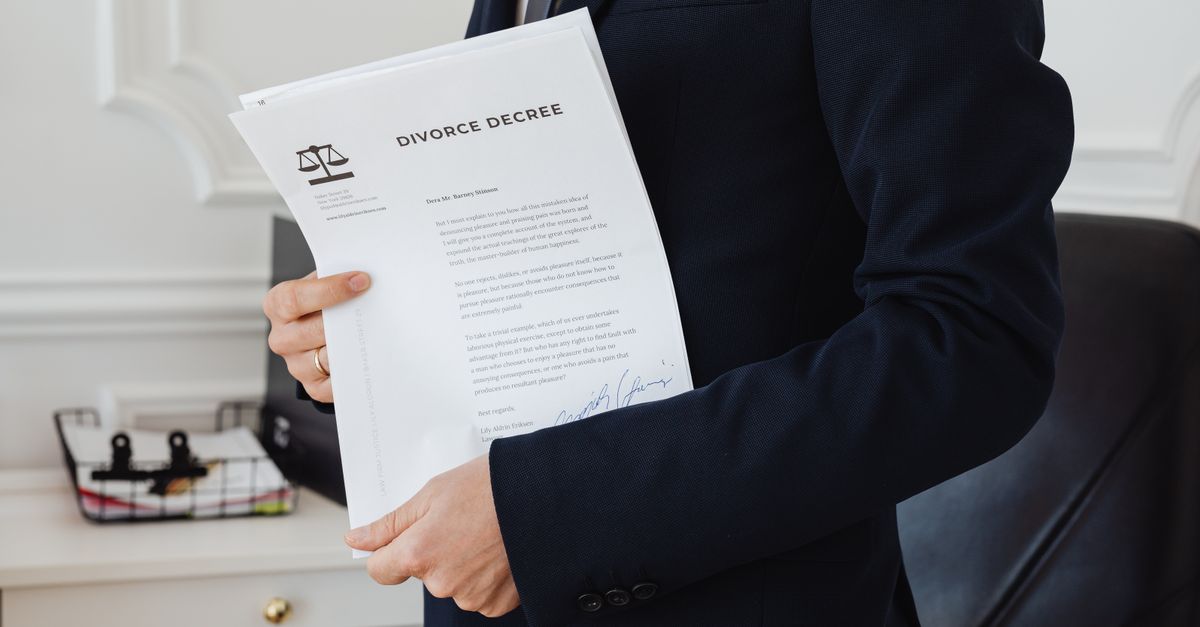
Once you have identified illegal deductions or missed deadlines, your next step is drafting a formal demand letter. This document signals to the landlord that you understand your legal rights and are prepared to pursue legal remedies if they do not cooperate.
Your demand letter should be professional, factual, and concise. Avoid emotional language, threats, or insults. State the rental address, the dates of your tenancy, the original deposit amount, and the amount wrongfully withheld. Cite your state’s specific security deposit statute—easily found via a quick search of your state’s tenant union or legal aid website—and quote the exact penalties for wrongful withholding, which in many states include statutory damages equal to double or triple the withheld amount.
Set a firm deadline for payment, typically 10 to 14 days from the date of the letter. Send the letter via certified mail with a return receipt requested, and follow up with an electronic copy via email. This creates undeniable proof of delivery, which will be vital if you end up in front of a judge.
Structuring Your Written Demand
An effective demand letter follows a clear structure: start with a concise heading referencing the property and lease dates. Paragraph one states the purpose of the letter and the exact total demanded. Paragraph two outlines the legal framework, noting the statutory return deadline and any violation incurred. Paragraph three details the itemized challenges and invalid deductions. Conclude with a clear ultimatum and a specific payment deadline, noting that failure to comply will result in an immediate small claims filing including court costs and statutory damages.
When to File in Small Claims Court
If your landlord ignores your demand letter, refuses to negotiate, or returns only a fraction of what you rightfully deserve, small claims court is your most practical and cost-effective avenue for justice. You do not need a lawyer to file a small claims lawsuit; in fact, many jurisdictions explicitly prohibit attorneys in small claims proceedings, creating a level playing field for everyday tenants.
Filing a small claims case involves filling out basic court forms at your local courthouse or municipal filing website and paying a modest filing fee, which usually ranges from $30 to $100 depending on your county. Once filed, you must formally serve the landlord with court papers according to local sheriff or process server rules.
When preparing for your court date, organize your evidence into a clean, tabbed binder with three copies: one for the judge, one for the landlord, and one for yourself. Include your lease, move-in and move-out checklists, timestamped photos, the itemized deduction statement, your demand letter, and the certified mail delivery receipt. Present a calm, organized timeline of events to the judge, focusing entirely on facts, dates, and statutory requirements rather than personal grievances.
Anticipating Landlord Counter-Claims
Landlords appearing in small claims court frequently attempt to introduce new damages or inflated repair estimates that were never listed on the initial itemized deduction statement. You can object to these additions on procedural grounds: if the landlord failed to include those specific items within the statutory itemized statement deadline, they have legally waived their right to claim them later. Judges routinely dismiss late-surfacing claims introduced for the first time at trial.
Collecting Your Judgment and Moving Forward
Winning a judgment in small claims court feels satisfying, but it is important to remember that the court does not automatically collect the money for you. If the landlord hands over a check on the spot or within the judge’s mandated timeline, the dispute is successfully closed.
If the landlord refuses to pay after losing the lawsuit, you have several legal mechanisms to enforce collection. Depending on state laws, you can garnish their bank accounts, place a lien on their personal or business property, or summon them back to court for a debtor’s examination to identify assets. In many cases, simply serving notice of these collection actions is enough to prompt a stubborn landlord to wire your funds immediately.
Ultimately, reclaiming your security deposit requires persistence, organization, and a calm adherence to procedural rules. By treating the process like a business transaction and leveraging your state’s tenant protection laws, you can successfully recover your money and move forward to your next home with confidence.
Frequently Asked Questions About Security Deposit Disputes
Can my landlord charge me a cleaning fee if I left the apartment clean?
No, landlords cannot charge standard cleaning fees if you return the apartment in broom-clean condition—the same condition it was in when you moved in, minus normal wear and tear. If a lease states that a cleaning fee is automatically deducted from every deposit, that clause is generally unenforceable in states where deposit deductions are strictly regulated for actual damage or extraordinary cleaning needs.
What should I do if my landlord never sent an itemized statement or my deposit?
If your landlord misses the state statutory deadline for returning your deposit or providing an itemized statement, they have likely forfeited their right to keep any portion of your money. Send an immediate demand letter demanding the full return of your deposit based on their statutory default. If they fail to respond within your deadline, file a claim in small claims court.
Do landlords have to pay interest on security deposits?
In certain states and municipalities—such as New York, California, New Jersey, and Washington, D.C.—landlords are legally required to hold security deposits in interest-bearing accounts and pay that accumulated interest to the tenant annually or upon lease termination. Check your local tenant housing laws to see if interest payments apply to your tenancy.