High-end outdoor equipment commands premium prices. A top-tier technical shell, a four-season mountaineering tent, or a down sleeping bag can easily run into four figures, putting serious strain on recreational budgets. For many campers, backpackers, and climbers, looking into the secondary market feels like the logical answer. Buying used outdoor gear opens up access to professional-grade equipment at entry-level prices, making advanced pursuits far more accessible.
However, the secondary marketplace—spanning peer-to-peer marketplaces, gear swaps, and specialized outdoor consignment shops—carries inherent risks that standard consumer purchases do not. Unlike buying new, where manufacturer defects are covered by straightforward return policies and comprehensive warranties, purchasing secondhand usually means buying final-sale items with unknown histories. Without a structured evaluation framework, a seemingly pristine piece of gear can harbor hidden structural failures, degraded weatherproofing, or compromised safety features that make it useless in the field.
Successfully navigating the secondhand market requires shifting your mindset from hunting for bargains to conducting a forensic technical inspection. You need to understand how different materials age, where structural fatigue hides, and how manufacturer warranties apply—or more often, do not apply—to second and third owners. This comprehensive guide breaks down the exact inspection criteria, wear indicators, and financial trade-offs you must weigh to ensure your next used gear purchase is a genuine investment rather than an expensive mistake.
The Economics of Secondhand Gear: Calculating True Savings
The primary motivation for buying used outdoor gear is financial. Brand-new equipment depreciates quickly, much like an automobile driven off the dealership lot. Items that have been used for a single weekend trip or stored incorrectly in a closet often hit the resale market at forty to sixty percent off their original retail value. For beginners testing out an activity or experienced enthusiasts looking to upgrade their kit without emptying their savings accounts, these discounts are compelling.
Yet, calculating true savings requires looking beyond the initial sticker price. A used tent priced at fifty percent off retail might look like a bargain until you discover that the shock cord is dead, the waterproof polyurethane coating is flaking off, and the stuff sack is missing. Once you factor in the cost of replacement parts, specialized waterproofing washes, professional repairs, and your own time, the math can change rapidly. In some cases, purchasing a discounted current-season item on clearance or choosing a reputable entry-level brand new yields a better cost-per-use ratio than buying a high-end, heavily worn secondhand item.
When assessing a listing, establish a clear pricing ceiling based on the item’s age, condition, and market demand. Popular gear from heritage brands that retain their design for years often holds its resale value remarkably well. Conversely, items with limited lifespans—such as climbing helmets, technical ropes, and certain electronics—should be discounted steeply or avoided altogether if their history is unknown. Always factor potential repair costs into your offer price before committing cash to a transaction.
Understanding Warranty Exclusions and Transfer Limitations
One of the most misunderstood aspects of the secondary market is how manufacturer warranties function. Many major outdoor brands proudly advertise lifetime warranties, leading casual buyers to assume that any piece of gear they purchase—regardless of how many hands it has passed through—remains protected for life. In reality, fine-print warranty policies across the outdoor industry almost universally restrict coverage to the original retail purchaser.
Brands design these lifetime warranties to cover manufacturing defects in materials and workmanship, not normal wear and tear, accidental damage, or degradation caused by improper storage. When a warranty claim is filed, most manufacturers require proof of purchase from an authorized retailer. If you cannot provide an original receipt, the brand may refuse the claim outright or charge a substantial fee to evaluate and repair the item.
Even brands renowned for their customer service and generous repair programs typically draw a hard line at ownership transfer. While a company might occasionally fix a zipper or patch a hole for a secondary owner as a goodwill gesture, they are under no obligation to do so. Before you purchase used technical gear, check the specific brand’s policy regarding second-hand ownership. If a piece of equipment relies heavily on its warranty protection—such as complex technical outerwear with waterproof-breathable membranes or high-end mechanical stoves—factor the lack of warranty coverage into your purchasing decision and your valuation.
Inspecting Shelters: Tents, Tarps, and Bivys
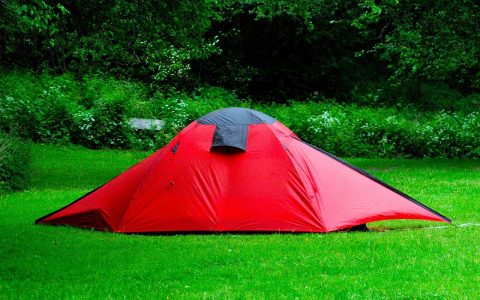
Shelters represent some of the most expensive investments in an outdoor kit, making them prime targets for secondhand shopping. However, tents and tarps are also among the most vulnerable to environmental degradation if they were stored improperly by their previous owners. When evaluating a used shelter, your inspection must cover the fabric, the waterproof coatings, the poles, and the hardware.
Start by examining the floor and rainfly fabrics for signs of delamination and hydrolysis. Hydrolysis occurs when moisture, heat, and time break down the polyurethane (PU) coating applied to nylon tent fabrics. Degraded waterproof coatings feel sticky or gummy to the touch, emit a distinct chemical or mildew odor similar to vinegar or fish, and exhibit flaking or peeling along the seams. While specialized wash-in and paint-on sealants can restore some water resistance to older nylon, a severely delaminated fly is essentially beyond economical rescue and will leak during a steady downpour.
Next, inspect the tent poles for stress fractures, micro-cracks, and structural fatigue. Aluminum alloy poles can develop subtle bends or kinks from high winds or rough pitching. Check the ferrule inserts—the small metal tubes joining pole segments—for corrosion or looseness. If a pole is bent significantly or shows signs of cracking near the joints, it can snap under load when you need it most. Replacement pole sections are available, but sourcing the exact diameter and length for older tent models can prove frustrating and expensive.
Finally, inspect all zippers, mesh panels, and guyout points. Run every zipper back and forth multiple times to check for missing teeth, misaligned tracks, or worn-out sliders. Inspect the fine mesh bug netting for small tears or cigarette burns, which require tedious hand-patching. Ensure all factory seam tape is firmly adhered and not peeling away from the corners or ridge lines.
Evaluating Sleeping Bags and Quilts
Sleeping bags and camping quilts retain their thermal efficiency through the loft of their insulation, whether that insulation is natural down or synthetic fill. Buying used insulation requires a keen eye for cleanliness, loft retention, and proper historical care, as improper washing or long-term compressed storage can permanently destroy thermal performance.
If you are considering a down sleeping bag, check the loft by shaking it out and allowing it to expand fully in a warm room. Premium down should puff up rapidly, trapping dead air spaces that provide warmth. If the bag feels flat, clumped, or unevenly distributed, the down has likely been contaminated by body oils, moisture, or improper laundering. Down clusters clump together when dirty, losing their ability to trap heat. While professional down cleaning and specialized tumbling with down-safe detergents can revive a neglected bag, severe clumping that has compromised the internal baffles is irreversible.
Inspect the shell fabric and liner for stains, fading, and fabric thinning. Down-proof fabrics are tightly woven to prevent feathers from poking through, but persistent abrasion can compromise this weave. Look closely at the draft collars, zipper guards, and footboxes, as these areas accumulate the most body oils and sweat. A persistent musty smell indicates the bag was stored damp, which can lead to mold and mildew growth deep within the insulation fibers—a health hazard that cannot be easily remedied.
Synthetic sleeping bags demand a slightly different evaluation. Synthetic insulation is more resilient to moisture than down, but it breaks down faster over time through compression and repeated stuffing. A synthetic bag that has spent years tightly packed in a compression sack will have lost a significant percentage of its original warmth rating. Because synthetic insulation cannot easily be refluffed or repaired once its thermal fibers have crushed, older synthetic bags generally offer poor long-term value compared to down alternatives.
Assessing Technical Apparel and Waterproof Shells
Technical outerwear—including waterproof-breathable rain jackets, hardshell pants, and insulated alpine garments—represents a high-risk category in the resale market. The performance of these technical garments relies on complex membrane technologies and durable water repellent (DWR) surface treatments that degrade naturally over time and exposure to body oils, UV radiation, and abrasive friction.
Examine the interior lining of any waterproof shell closely. Traditional three-layer and two-layer laminates rely on a polyurethane or PTFE membrane bonded to the face fabric. If you notice discoloration, flaking, or a bubbling effect—known as delamination—the jacket has lost its waterproof integrity. Once a membrane delaminates, water will penetrate the fabric regardless of how many times you apply an aftermarket DWR spray to the exterior.
Check all taped seams along the shoulders, hood, and hem. Waterproof jackets feature heat-sealed tape over every needle hole to prevent moisture from seeping through the stitching. Over years of use and washing, this seam tape can lift, curl, or crack. While minor peeling at the very edge of a seam can sometimes be re-glued with specialized seam adhesive, widespread lifting means the jacket is no longer weather-tight.

Examine high-wear zones such as the cuffs, collar, and shoulders. Cuffs exposed to wrist watches or abrasive pack straps often show thinning fabric, while neck collars absorb facial oils that break down waterproof laminates from the inside out. Ensure that all pit zips, pocket zippers, and main front closures operate smoothly. Water-resistant polyurethane-coated zippers require careful handling and can be expensive to replace if the teeth or sliders fail.
Hardgoods: Backpacks, Stoves, and Cookware
Durability varies widely across camping hardgoods, making some items safe bets for secondhand purchase while others demand extreme caution. Backpacks, for example, are generally robust and make excellent candidates for the resale market, provided you check a few critical structural points.
When evaluating a used backpack, inspect the internal frame sheet and stays for bends or cracks. Check the hip belt and shoulder straps for foam compression; high-density foam loses its supportive cushioning over years of heavy loads. Inspect all webbing, buckles, and compression straps for fraying or sun-bleached degradation, which weakens nylon significantly. Ensure the haul loop and load-lifter attachment points show no signs of tearing away from the main pack body.
Stoves and cookware require rigorous functional testing before you trust them in the backcountry. Canister stoves, liquid-fuel stoves, and multi-fuel systems involve pressurized fuel and combustion, making safety your top priority. If you purchase a used stove, inspect all O-rings, fuel lines, and valve assemblies for cracks, stiffness, or leaks. Never purchase a used stove without testing it in a safe, well-ventilated outdoor environment to verify flame control, pressure regulation, and seal integrity.
Titanium and aluminum cookware, on the other hand, are nearly indestructible. Dents, scratches, and soot buildup on pots and pans affect only their appearance, not their cooking performance. As long as the pot handles are secure, riveted properly, and free of structural cracks, used cookware offers exceptional long-term value with virtually zero risk of mechanical failure.
Common Red Flags and Pitfalls to Avoid
Navigating online marketplaces and local garage sales means filtering through misleading listings and hidden defects. Recognizing common red flags protects you from losing money on compromised gear. The most immediate warning sign is vague or stock photography. If a seller uses promotional images pulled directly from a manufacturer’s website rather than clear, well-lit photos of the actual item for sale, proceed with extreme caution. Insist on seeing detailed pictures of high-wear areas, tags, and any disclosed flaws.
Another major red flag is an evasive seller who cannot answer basic questions about the gear’s history, age, or storage conditions. A responsible owner who has taken care of their equipment can usually tell you how many seasons it was used, how it was washed, and where it was stored. If a seller claims an item is “brand new, never used” but the price is seventy percent below retail and the tags have been removed, treat the claim with skepticism.
Be wary of gear that smells strongly of cigarette smoke, campfire residue, or musty basement dampness. Odors can be notoriously difficult to remove from technical fabrics, down insulation, and webbing, often requiring multiple specialized washes that strip protective finishes. Finally, avoid purchasing any safety-critical climbing equipment—such as harnesses, dynamic ropes, quickdraws, or carabiners—from unknown secondhand sources. Because internal micro-fractures, chemical contamination, and stress histories are impossible to verify visually, the potential safety risk far outweighs any financial savings.
Smart Platforms and Secure Transactions
Where you shop for used gear matters just as much as what you buy. General peer-to-peer marketplaces offer massive inventory, but they also host the highest volume of fraudulent listings and provide minimal buyer protection if an item arrives damaged or misrepresented.
Specialized online consignment platforms designed specifically for outdoor equipment offer a much safer alternative. These curated marketplaces often inspect items for authenticity and condition before listing them, providing clearer descriptions and more reliable grading systems. Similarly, local outdoor gear swaps hosted by climbing gyms, co-ops, or specialty retailers allow you to examine the equipment physically, test zippers, check fabric hand-feel, and ask the previous owner questions face-to-face before handing over any cash.
When buying through online platforms, always use secure payment methods that offer buyer protection policies. Avoid cash-app transfers, wire services, or direct bank deposits with private sellers you do not know. Taking these basic precautions ensures that your entry into the secondhand market remains a rewarding way to build a sustainable, cost-effective outdoor kit.