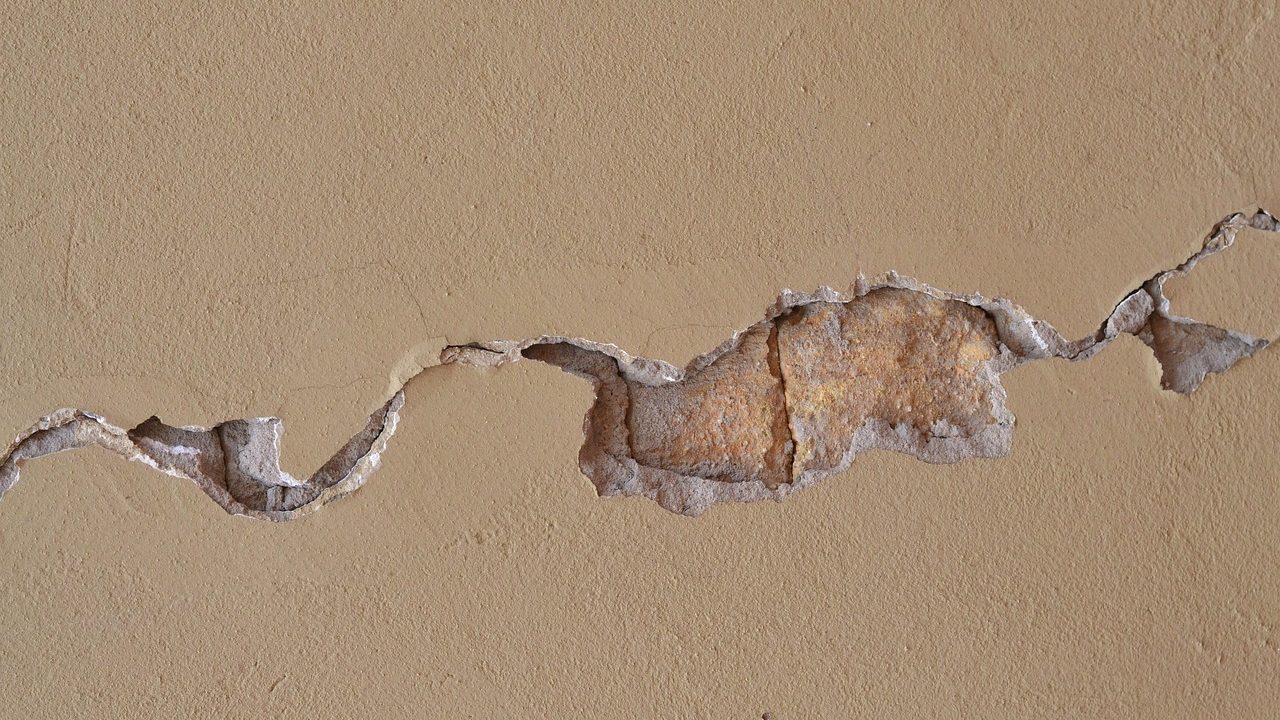
When an outdoor living space starts to look like a geologic fault line, the frustration is immediate. A sinking, sloping, or cracked concrete patio not only ruins the aesthetic of your backyard but also creates severe tripping hazards, pools stagnant water after rainstorms, and can cause hazardous drainage problems near your home’s foundation. When dealing with damaged flatwork, homeowners almost always land on the central dilemma of concrete patio mudjacking vs replacement. Do you hire a specialty lifting contractor to pump material beneath your existing slab, or do you call in heavy machinery to demolish the old concrete and pour a brand-new pad?
The short answer is that slab-jacking methods—traditional mudjacking and modern polyurethane foam jacking—offer a fast, lower-cost fix when your existing concrete is structurally sound but resting on compromised, washed-out, or poorly compacted soil. However, if your patio is shattered into dozens of small pieces, severely degraded, or improperly graded from the start, a full tear-out and replacement is the only responsible path forward. Making the right choice requires a clear understanding of what caused the failure in the first place, how each repair method works, and what the financial and structural trade-offs look like over the long run of homeownership.
Diagnosing the Damage: Can Your Patio Be Saved?
Before you request contractor quotes, you need to evaluate the actual condition of the concrete. Not every cracked slab is a candidate for lifting. Concrete is remarkably strong under compression, but it has very little tensile strength. When the underlying soil washes away due to a broken downspout, compresses under heavy weight, or settles unevenly because of poor grading during construction, the slab loses its uniform support. Without that uniform backing, normal weight or seasonal freeze-thaw cycles cause the concrete to snap along its weakest structural lines.
Look closely at the nature of the cracks and the overall displacement across the patio surface. If your patio has dropped two inches on one side near the back door, but the concrete panels themselves remain largely intact, unbroken, and free of spiderweb fractures, lifting is usually a viable option. Conversely, if a single slab is crazed with a complex web of structural cracks, or if pieces are crumbling apart under foot traffic, pumping material underneath will not glue those fractured pieces back together. A shattered slab will simply continue to break apart under weight and pressure, rendering any leveling attempt a temporary band-aid.
Furthermore, consider the history of the sub-base. Has the patio been settling slowly over twenty years, or did a major plumbing leak or gully erosion wash the dirt away last spring? If the root cause of the soil movement is ongoing and unaddressed, simply lifting the concrete without fixing the earth beneath it is a guarantee of future failure. A thorough diagnostic inspection requires checking gutter extensions, evaluating yard slopes, and inspecting the perimeter of the foundation to ensure water is actively moving away from the structure rather than pooling underneath your outdoor living space.
Understanding Traditional Mudjacking
Traditional mudjacking, often called slabjacking or pressure grouting, has been used for decades to lift sunken concrete slabs, sidewalks, driveways, and garage floors. The process is mechanically straightforward: contractors drill a series of two-inch holes directly through the sunken concrete slab. Using a heavy-duty, high-pressure pump, they force a dense slurry mixture—typically composed of topsoil, fine sand, Portland cement, and water—underneath the concrete.
As the slurry fills the voids left by eroded or compacted soil, it builds up hydraulic pressure and physically lifts the heavy concrete slab back toward its original grade. Once the slab reaches the desired height, the contractor plugs the drilled holes with a high-strength concrete patch that matches the surrounding texture as closely as possible.
The primary advantage of traditional mudjacking is its affordability. It is significantly cheaper than pouring a new patio from scratch because you are recycling your existing concrete. Furthermore, it keeps heavy demolition equipment off your lawn and finishes in just a few hours rather than days. However, traditional mudjacking has distinct drawbacks. The slurry mixture is heavy—often weighing upwards of 100 pounds per cubic foot. If the underlying soil is already weak and prone to settling, adding that much concentrated weight can sometimes cause secondary settling over time. Additionally, the injection holes are large and visually noticeable, and the wet slurry requires several days to cure and reach full compressive strength.
The Modern Alternative: Polyurethane Foam Jacking
In recent years, polyurethane foam jacking has largely overtaken traditional mudjacking as the preferred method for lifting sunken concrete in residential and commercial applications. Often marketed as slab-jacking or foam lifting, this technique follows the same basic concept of pumping material through drilled holes, but the chemistry, equipment, and mechanics are entirely different.
Instead of a heavy cement-and-soil slurry, contractors inject a high-density, two-part expanding structural polyurethane foam beneath the slab. As the liquid components mix and react underground, they expand rapidly—often up to 20 times their liquid volume—filling all voids, compacting the loose sub-base, and lifting the concrete with precise control.
Polyurethane foam offers several distinct performance advantages over mud-based slurries. First, the material is extremely lightweight, typically weighing around two to four pounds per cubic foot. This means it adds virtually no weight to unstable soils, drastically reducing the likelihood of future settlement due to load fatigue. Second, the injection holes required for foam jacking are much smaller—often the size of a dime or penny (around 5/8 of an inch)—making the final repair far less visible and preserving the appearance of decorative or stamped concrete. Third, the foam cures and hardens in a matter of minutes, meaning you can walk, run, and place heavy patio furniture on your slab almost immediately after the crew packs up their gear.
The chemical stability of polyurethane is another major selling point. Unlike soil-based slurries, structural foam is completely hydrophobic, meaning it will not wash away, degrade, or break down when exposed to heavy moisture, subsurface water infiltration, or freeze-thaw cycles. While foam jacking is generally more expensive per square foot than traditional mudjacking, the long-term performance and minimal disruption make it an exceptionally popular choice for homeowners looking for a reliable, clean, and permanent leveling solution.
The Full Replacement Route: When Demo Is Mandatory
Despite the speed and lower cost of lifting methods, there comes a point where throwing good money after bad is a losing strategy. Full concrete replacement involves bringing in demolition crews with heavy jackhammers, electric breakers, or skid-steers to break up the existing patio, hauling away tons of heavy rubble, regrading and aggressively compacting the sub-base, setting new wood forms, and pouring a fresh concrete slab.
You must choose replacement over lifting under specific structural conditions:
- Severe Fragmentation: If the concrete is cracked into four or more pieces per section, lifting individual pieces will result in an uneven, jagged surface that remains hazardous and unsightly.
- Surface Degradation: If the top layer of the concrete is spalling, pitting, scaling, or flaking away due to poor initial mix design, winter de-icing salt damage, or extreme age, lifting won’t restore the worn surface finish.
- Chronic Drainage Failures: If the patio was poured with a negative slope toward your house foundation, lifting it will only elevate a badly pitched slab. You need a complete tear-out to establish proper positive drainage away from the structure.
- Tree Root Intrusion: If massive tree roots pushed the original slab upward and those roots must be pruned or removed, the concrete above them must generally be replaced.
- Expansion of Use: If you want to enlarge your outdoor footprint, add a built-in kitchen, or upgrade to a completely different design layout, a teardown is the only practical starting point.
While replacement is disruptive, messy, and requires several days of curing before use, it gives you a pristine, blank slate. You can redesign the shape, upgrade the thickness from standard four inches to six inches for heavy loads, add reinforcing rebar or wire mesh, and ensure the sub-base is engineered correctly from the bottom up.
Comparing Costs: Slab-Lifting vs. Pouring New Concrete
For most homeowners, the financial equation is the ultimate tiebreaker. When evaluating concrete leveling cost vs replacement, lifting methods almost always come out significantly ahead on upfront price, often saving homeowners 50% or more compared to a total tear-out.
Slab-jacking—whether mudjacking or foam injection—is typically priced based on the amount of material pumped or the square footage of the affected area, with many contractors charging minimum service fees for small jobs. Because you are reusing the existing concrete and avoiding labor-intensive demolition, disposal fees, dumpsters, and extensive sub-base prep work, lifting usually costs a fraction of a full replacement. For a standard-sized patio, foam jacking represents a moderate investment, whereas a complete tear-out and repour climbs rapidly due to specialized labor and heavy equipment operation.
Replacement costs escalate quickly because you are paying for multiple distinct labor phases: demolition, debris disposal fees, imported sub-base gravel, grading, forming, concrete truck delivery, pouring, screeding, and finishing. Furthermore, if you tear out an old patio, you must also budget for landscaping repairs where heavy machinery tore up your lawn, sprinkler lines, or flower beds.
Evaluating Longevity and Warranties
Upfront savings mean little if the repair fails within two years. When comparing these options, durability depends heavily on soil stability, environmental exposure, and contractor workmanship.
A well-executed polyurethane foam lift can last for many years, often outlasting the remaining structural lifespan of the concrete itself. Because the foam is inert and waterproof, it will not wash away, degrade, or break down over time. However, mudjacking and foam jacking do not fix regional soil issues on a macro level. If you live in an area with highly expansive clay or poorly compacted fill dirt, the earth beneath the repaired slab may continue to shift, requiring future adjustments if new voids open up.
New concrete replacement offers a clean slate with a structural lifespan measured in decades—provided the sub-base was properly compacted to high density before the pour. New slabs also typically come with contractor workmanship warranties, though these rarely cover cracking caused by natural ground settlement or seismic shifts. When hiring any concrete professional, always ask detailed questions about what is covered under their warranty, whether they address the root cause of the soil failure, and if they guarantee the lift against future settling.
Environmental and Property Disruption Factors
Homeowners often overlook the collateral damage associated with major concrete projects. If you opt for a full replacement, your backyard will look like a construction zone for days or even weeks. Heavy equipment must drive across your turf, old concrete must be hammered into jagged chunks and loaded into heavy dump trucks, and transit mixers must access the site, often requiring protective plywood laid across your lawn.
In contrast, slab-jacking is remarkably non-invasive. A foam-jacking rig is typically parked neatly on the street or driveway, and technicians run lightweight, flexible hoses across your yard to the patio. The process creates virtually no debris, generates no heavy truck traffic on your grass, and leaves your surrounding landscaping, gardens, and sod entirely intact.
Long-Term Maintenance: Protecting Your Investment
Regardless of whether you choose to lift your existing patio or pour a brand-new slab, protecting your investment requires diligent ongoing maintenance. Concrete is durable, but it is not completely maintenance-free. Water is the primary enemy of any concrete flatwork. To prevent future settling and cracking, implement a seasonal inspection routine:
- Seal Expansion Joints: Regularly inspect and caulk the control joints and perimeter gaps with a high-grade polyurethane or silicone concrete sealant to prevent water from infiltrating the sub-base.
- Maintain Positive Drainage: Ensure that downspouts discharge at least four to six feet away from the patio edge and that yard grading slopes away from the concrete.
- Apply Penetrating Sealers: Apply a breathable, penetrating silane-siloxane sealer every two to three years to protect the concrete surface from freeze-thaw spalling and de-icing salt damage.
By staying proactive with joint sealing and drainage management, you can drastically extend the lifespan of your patio, avoiding premature settlement regardless of the installation method you choose.
Making Your Decision: A Step-by-Step Framework
To settle the debate for your specific backyard, run through this practical decision framework before calling contractors for estimates:
- Inspect the Integrity: Count the cracks. If the patio is fractured into a mosaic of small pieces or crumbling at the edges, write off lifting and plan for replacement.
- Check the Pitch: Place a long level on the surface. Does water pool against your home’s foundation or stay trapped in large puddles? If so, a simple lift might not fix the grade; you may need a new pour engineered with proper slope.
- Assess the Sub-Base: Have you recently fixed a leaking plumbing line, a broken downspout, or a major erosion problem near the patio? If the root cause of the soil washout has been permanently resolved, lifting is a safe bet. If the soil is chronically unstable, consider a new slab with reinforced sub-base compaction.
- Get Professional Assessments: Call reputable, specialized concrete lifting companies as well as general concrete contractors. A specialized lifting contractor will tell you honestly if the slab is too far gone for their methods.
Ultimately, choosing between lifting and replacing comes down to matching the treatment to the true condition of your concrete. If your patio is structurally sound but simply dropped out of alignment, foam jacking or mudjacking saves you money, time, and landscaping headaches. If time and weather have turned your concrete into a fragmented puzzle, investing in a properly graded, reinforced replacement is the only way to secure a lasting outdoor space.