Noticing a depression, sinkhole, or soft spot in the lawn directly above or adjacent to your underground sewage treatment system can trigger immediate anxiety. For rural and suburban homeowners, private decentralized infrastructure requires vigilant oversight, and ground movement is rarely a benign cosmetic issue. When evaluating septic tank baffle repair vs replacement, homeowners must look closely at sub-surface soil erosion, failing tank lids, and structural degradation around the inlet and outlet ports. At the heart of this problem are the tank’s internal baffles or tees, which prevent scum and sludge from escaping into the lateral drainfield.
When these structural elements or their surrounding access points fail, property owners must choose between a localized septic tank baffle repair and a comprehensive riser and lid assembly replacement. Making the right call depends on the age of your tank, the structural material—typically pre-cast concrete or polyethylene—and the extent of the surrounding soil movement. This guide breaks down the engineering principles, economic considerations, and long-term maintenance implications of both approaches so you can make a sound decision for your property.
Understanding the Role of Septic Baffles and Access Risers
To evaluate repair versus replacement options, it helps to understand how a standard residential septic system functions beneath the turf. Wastewater from your household plumbing empties into the primary tank, where heavy solids settle to the bottom as sludge, and lighter fats, oils, and greases float to the top as a scum layer. The liquid layer in the middle, known as effluent, flows out toward the drainfield.
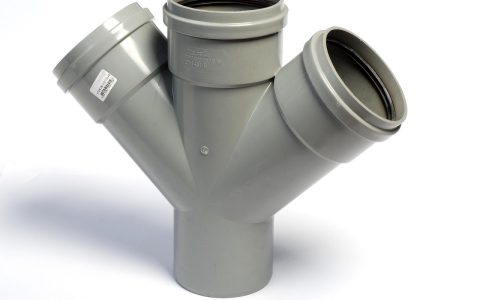
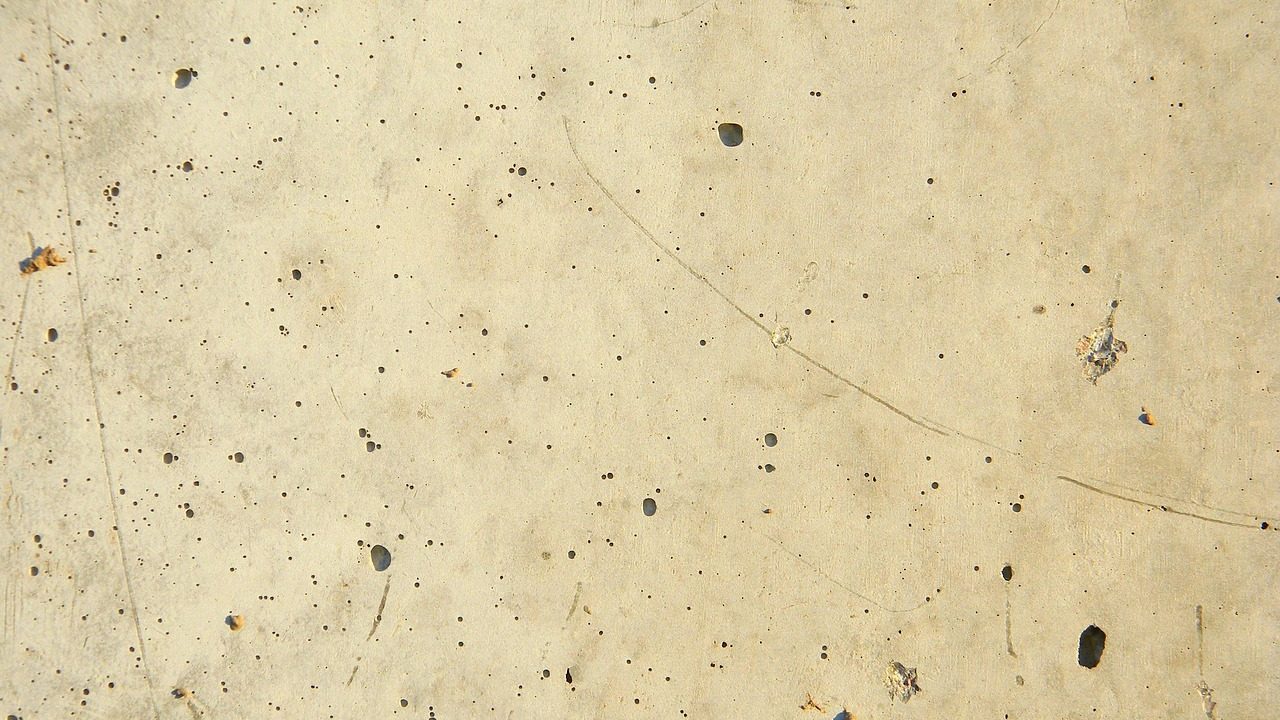
Baffles—often constructed as sanitary tees or concrete baffles cast directly into the tank walls—govern this liquid movement. The inlet baffle directs incoming raw sewage downward to prevent disturbance of the existing scum layer. The outlet baffle acts as the final defense, preventing floating solids from exiting the tank and clogging the perforated pipes in your soil absorption field. Older tanks often relied on poured concrete baffles, which are notoriously susceptible to cracking, breaking off, or deteriorating over decades of exposure to acidic wastewater gases.

Access risers, meanwhile, are vertical cylinders attached to the tank’s inspection ports that extend upward to the surface of the lawn. Historically, many residential tanks were buried two to three feet underground with simple concrete plugs resting directly on the tank top, requiring excavation every time the system needed pumping or inspection. Modern installation standards favor retrofitting these older systems with durable high-density polyethylene (HDPE) or pre-cast concrete risers and gasketed lids that sit flush with or slightly above grade.
The physical relationship between these components is vital. When an underground tank experiences ground movement, the lateral forces exerted by shifting soils can stress the pipe-to-tank connections. If an inlet or outlet pipe shears slightly, wastewater can leak into the surrounding bedding material. Over time, this escaping liquid washes away fine soil particles—a process known as internal soil piping—which directly causes the surface depressions and sinkholes that homeowners spot in their yards. Understanding this hydrodynamic chain reaction is essential for determining whether you are dealing with a simple cosmetic settling issue or a failing structural assembly.
Diagnosing the Causes of Surface Settling
Before committing to a specific repair strategy, you must determine why the ground is settling. Surface depressions near a septic tank rarely happen by accident; they are physical symptoms of an underlying structural or hydrological failure.
Common causes of yard settling around septic infrastructure include:
- Improper Backfill Compaction: When a tank is installed or repaired, the surrounding soil must be compacted in lifts. If backfill was dumped loosely, it will naturally settle over several seasons as rainwater infiltrates the soil matrix.
- Tank Wall or Lid Failure: Older concrete lids can structurally weaken, crack, and eventually cave inward under the weight of the overlying soil, creating a miniature sinkhole in the yard.
- Baffle Deterioration and Exfiltration: If a concrete baffle rots away or cracks, or if the pipe connection at the inlet or outlet shears, liquid can leak out of the tank into the surrounding soil. This localized washing away of fine soil particles creates voids, leading to noticeable surface depressions.
- Riser Seal Degradation: If an existing riser was added previously without proper joint sealant, stormwater can wash soil down the outside of the riser wall, causing the surrounding lawn to drop.
- Subsurface Hydrological Forces: High seasonal water tables or saturated soils surrounding the excavation pit can create hydrostatic pressure differentials, shifting the tank bedding and destabilizing the structural interface.
Accurate diagnosis usually requires professional excavation or probing with specialized tools. Never attempt to probe blindly with metal rods near plastic pipes or tank lids, as you risk puncturing structural components or cracking aging concrete surfaces.
Localized Concrete Baffle Patching: Pros and Cons
When an internal concrete baffle begins to crumble at the top or develop structural cracks, a technician might recommend a localized repair rather than replacing the entire structural assembly. This approach typically involves cleaning the damaged area, applying a structural hydraulic cement or epoxy mortar designed for harsh wastewater environments, and sometimes reinforcing the structure with stainless steel brackets or replacement PVC sanitary tees.
It is important to recognize the chemical realities of a septic tank environment. Hydrogen sulfide gas generated within the tank converts into sulfuric acid when it meets moisture on the upper walls and concrete baffles. Standard residential concrete and generic masonry mortar cannot withstand this aggressive biological and chemical attack for long. Professional repairs require specialized calcium aluminate mortars or polymer-modified repair products designed specifically to resist microbial induced corrosion.
The advantages of baffle repair:
- Lower Upfront Cost: Patching a deteriorated baffle is significantly less labor-intensive than excavating the entire top of the tank to install a new riser assembly.
- Minimal Yard Disturbance: Localized repairs often require a smaller excavation footprint, preserving more of your established turfgrass and landscaping.
- Quick Turnaround: A skilled technician can often complete a structural patch within a single service visit once the tank is safely pumped down and vented.
The limitations and risks:
- Durability Concerns: Even specialized patches have finite lifespans in aggressive sewer gas environments, meaning failure can recur after several years.
- Access Constraints: If your tank lacks a proper riser, simply patching a baffle leaves you with the same inconvenient, buried lid system, meaning you will have to dig up the yard again during the next routine pumping cycle.
- Unresolved Root Causes: If the settling is driven by broader structural shifting of the tank inlet or outlet pipe, a surface patch will only serve as a temporary band-aid.
Full Riser and Lid Assembly Replacement: When Is It Necessary?
In many cases, ground settling is intimately connected to a failing access port or an outdated, crumbling concrete lid. Upgrading to a modern pre-cast concrete or heavy-duty polyethylene riser and gasketed lid assembly represents a more comprehensive infrastructure investment.

This process involves excavating down to the top of the tank around the manhole or baffle access ports, removing the degraded lid or old access hardware, anchoring a new riser extension securely to the tank using structural concrete or mechanical fasteners, and installing a secure, child-safe cover at grade level. If the internal baffle is completely destroyed, replacing the access assembly often provides the necessary overhead clearance to install a modern PVC baffle replacement kit or retrofit an advanced effluent filter.
When selecting riser materials, homeowners generally choose between pre-cast concrete and high-density polyethylene (HDPE). Pre-cast concrete offers immense structural weight and rigidity, making it ideal for areas subject to vehicular traffic or heavy lawn maintenance equipment. HDPE risers, by contrast, are lightweight, exceptionally corrosion-resistant, and feature modular interlocking rings that make height adjustments straightforward. Regardless of the material chosen, professional installation must include proper rubber gasket seals and structural anchoring to prevent surface water from infiltrating the tank and overloading the drainfield.
The advantages of complete riser replacement:
- Permanent Access Solution: Eliminates the need for recurring excavation every three to five years for routine maintenance, saving labor costs over the lifespan of the system.
- Enhanced Safety: Modern locking lids prevent accidental entry by children or pets—a critical safety upgrade over heavy, cracked, unbolted concrete covers.
- Easier Effluent Filter Maintenance: Access risers make it straightforward to pull, inspect, and hose off effluent filters quarterly, protecting your drainfield from premature clogging.
- Structural Stabilization: A professionally installed riser system seals out surface stormwater infiltration, stopping the internal hydraulic overloading that often accelerates soil settling around the tank.
The drawbacks:
- Higher Initial Investment: Material costs for heavy-duty risers, structural sealants, and safety lids, combined with heavy excavation labor, make this a more substantial financial commitment.
- Aesthetic Impact: While green low-profile lids blend into suburban lawns, homeowners must still contend with visible or semi-visible access covers in their landscaping.
Comparative Cost and Longevity Analysis
When evaluating septic tank baffle repair vs replacement, homeowners must weigh short-term savings against long-term operational value. A localized mortar patch on a deteriorating concrete baffle might cost a fraction of a full excavation and riser installation. However, if that same tank lacks grade-level access, you will pay additional labor fees every time a pumper truck visits your property because technicians must dig up the lawn anew.
Furthermore, structural repairs in a damp, chemically aggressive environment have finite lifespans. If the concrete surrounding the repair has poor integrity due to age, a patch may fail within a few years, requiring more invasive intervention later. Conversely, investing in a robust riser and lid assembly addresses the root vulnerability—poor surface access and stormwater infiltration—while modernizing the system to meet current sanitary standards.
Consider the cumulative cost of repeated minor service calls versus a single, definitive structural upgrade. For homes intended as long-term residences, upgrading to accessible, sealed risers almost always delivers superior value by facilitating routine preventive maintenance like effluent filter cleaning.
The Critical Role of Effluent Filters in Riser Upgrades
When you invest in a full access riser assembly replacement, you create an ideal operational window to install or upgrade an effluent filter on the outlet tee. Traditional septic systems allowed suspended solids to migrate freely into lateral drainfield pipes, where biomats formed and eventually caused the entire absorption field to fail prematurely.
Modern building codes and best management practices strongly encourage—and in many jurisdictions mandate—the inclusion of a cartridge-style effluent filter housed directly inside the outlet sanitary tee or baffle assembly. These filters feature slotted PVC or plastic cartridges with openings typically measuring 1/16 inch or smaller, trapping fine suspended solids before they can escape the tank.
Access risers make effluent filter maintenance practical. Without a grade-level riser, servicing an effluent filter requires unearthing the tank top every six months to pull, hose down, and reinstall the cartridge—a messy, labor-intensive chore that most homeowners avoid. By pairing a riser installation with an effluent filter upgrade, you protect your multi-thousand-dollar drainfield from catastrophic clogging while ensuring that routine maintenance takes less than twenty minutes.
Actionable Steps for Homeowners
If you have identified surface settling near your septic system, follow a methodical evaluation process before hiring a contractor:
- Locate Your As-Built Records: Check your local county health department files or property closing documents for the original septic installation drawing to identify tank dimensions and baffle locations.
- Hire a Licensed Septic Professional: Contact a bonded, licensed wastewater contractor to perform a physical inspection. Ask them specifically to evaluate whether the settling is confined to backfill compaction or indicates structural failure.
- Request a Complete Tank Assessment: Have the technician pump the tank to expose the internal walls, baffles, and structural joints. Inspect photographs of the inlet and outlet tees.
- Weigh Access Improvements: If your tank requires excavation for every pump-out, strongly consider bundling any necessary baffle repair with a full riser installation.
- Establish a Maintenance Schedule: Once repairs are complete, schedule regular pumping and effluent filter checks to protect your investment.
Safety must remain paramount throughout this process. Septic tanks accumulate lethal concentrations of toxic gases, including hydrogen sulfide, methane, and carbon monoxide. Never enter a septic tank under any circumstances, and ensure that all access ports are secured with tamper-resistant locking mechanisms immediately following any repair or replacement work.
Conclusion
Addressing surface settling around a residential septic system requires balancing immediate structural needs with long-term maintenance convenience. While a localized concrete baffle patch can temporarily restore proper wastewater separation, it often leaves underlying access and infiltration issues unaddressed. Upgrading to a sturdy access riser and lid assembly provides permanent grade-level access, enhances property safety, and simplifies essential effluent filter maintenance. By consulting a qualified professional and investing in robust structural upgrades when settling occurs, you protect your septic tank, safeguard your yard, and prevent catastrophic drainfield failure.