
Heading out onto backcountry trails with your four-legged companion offers an unmatched way to explore the outdoors. However, remote environments present unpredictable hazards—ranging from sharp rocks and jagged branches to wildlife encounters, hidden thorns, and sudden weather shifts. When you are miles from the nearest trailhead, minor mishaps can quickly escalate if you are unprepared. Putting together a reliable dog hiking first aid kit guide perspective helps ensure you have the exact medical supplies needed to stabilize injuries and keep your pet comfortable until you reach professional veterinary care.
While you can buy pre-packaged pet first aid kits online, many commercial options contain flimsy tools or lack critical items specific to rugged hiking environments. Building your own kit allows you to customize supplies based on your dog’s size, coat type, medical history, and the specific terrain you plan to tackle. Whether you are planning a weekend backpacking trip or a quick afternoon day hike, a well-organized medical pouch is just as important as packing extra water and waste bags.
Understanding Canine Trail Risks and Medical Needs
Before throwing a random assortment of human bandages into a Ziploc bag, it helps to understand the most common injuries dogs sustain on hiking trails. Unlike humans, dogs walk barefoot over unpredictable surfaces, leaving their paw pads, dewclaws, and underbellies vulnerable to cuts, punctures, and burns from hot asphalt or granite. Additionally, dense brush harbors ticks, mosquitoes, and stinging insects, while dense vegetation can cause corneal scratches or acute allergic reactions.
Your canine first aid kit needs to address three primary categories of injury: soft tissue trauma (cuts, scrapes, and torn nails), environmental hazards (parasites, stings, and heat-related issues), and stabilization needs (sprains, fractures, or emergency transport). Balancing weight and utility is key. Every item in your kit should serve a distinct purpose without adding unnecessary bulk to your pack.
When planning your kit, take time to consider your individual dog’s temperament and physical conditioning. High-energy working breeds might push through pain until an injury becomes severe, while anxious dogs may require special handling during treatment. Tailoring your medical pouch to account for these behavioral traits ensures you are never caught off guard when an incident occurs miles away from civilization.
Core Wound Care and Cleansing Supplies
Lacerations and scrapes are among the most frequent trail injuries. When a dog tears a paw pad or slices a leg on a sharp branch, cleaning the wound properly prevents bacteria from setting deep into the tissue. Your kit should feature heavy-duty cleansing agents and protective barriers that work effectively in dirty outdoor conditions.
Pack several sterile saline wash ampoules or a small, lightweight spray bottle filled with clean water. Saline is ideal because it flushes dirt and debris out of an open wound without stinging or damaging delicate cells. Avoid using rubbing alcohol or hydrogen peroxide for deep cuts; these harsh chemicals destroy healthy tissue and delay the natural healing process.
In addition to flushing solutions, include antimicrobial wound washes or chlorhexidine-based sprays recommended by your veterinarian. These formulations safely reduce bacterial loads on the skin surface without causing undue irritation. Always check expiration dates annually, as compromised packaging can introduce contaminants right when you need a sterile environment the most.
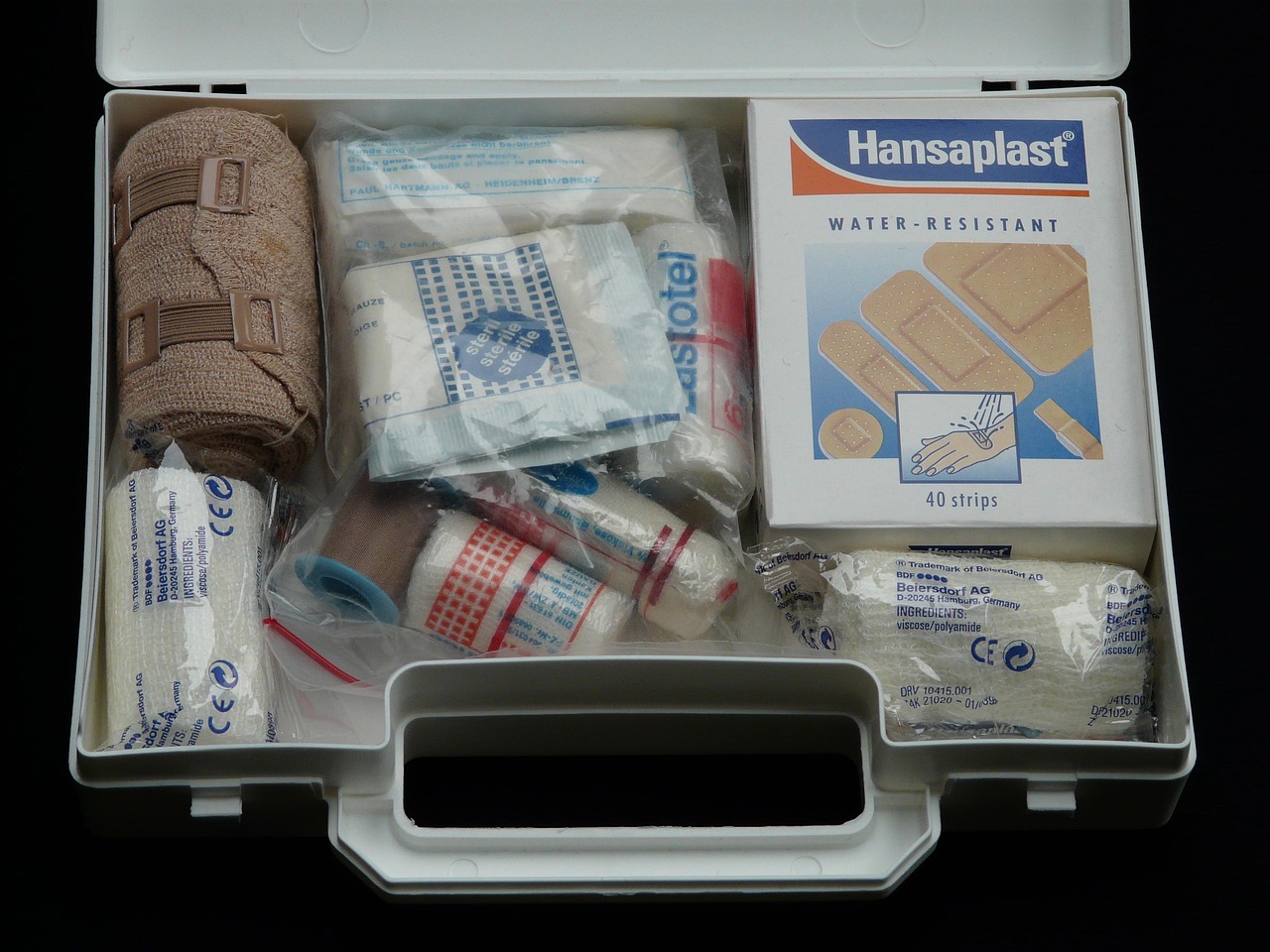
Bandaging and Wrap Materials
Once a wound is clean, protecting it from dirt, mud, and moisture is your next priority. Standard human adhesive bandages rarely stick to fur, meaning you need specialized veterinary wrap products designed for canine anatomy.
- Non-adherent sterile gauze pads: Place these directly over the wound so they won’t stick to healing tissue or pull at fur when removed.
- Cohesive elastic bandage (like Vetrap): This stretchy tape clings to itself rather than fur or skin, providing secure compression without cutting off circulation.
- Medical adhesive tape: Useful for securing initial gauze layers before applying the cohesive wrap.
- Roll gauze: Provides breathable structure for wrapping tricky areas like joints or tails.
Always monitor wrapped areas closely. If the bandage gets wet from stream crossings or rain, it must be removed and replaced immediately to prevent moisture from trapping bacteria against the skin and causing skin infections or hot spots. Furthermore, learn how to check capillary refill time and paw warmth below the bandage to ensure circulation remains completely uncompromised.
Parasite Prevention and Tick Removal Tools
Wooded trails, tall grass, and brushy switchbacks are prime territory for ticks, which can transmit serious vector-borne illnesses such as Lyme disease, Anaplasmosis, and Rocky Mountain spotted fever. Even if your dog receives routine monthly preventative medication, ticks will still hitch a ride on their fur before eventually attaching.
Include a dedicated tick removal tool in your kit, such as a specialized fine-tipped tweezer or a plastic tick-twister hook. Grasping the tick as close to your dog’s skin as possible and pulling straight upward prevents the mouthparts from breaking off and causing local inflammation. Never use petroleum jelly, lit matches, or nail polish remover to detach ticks, as these old home remedies often cause the parasite to regurgitate fluids into your dog’s bloodstream.
Pack a small bottle of antiseptic wipes or rubbing alcohol to clean the bite area and your tools after removal. Additionally, carrying a fine-toothed flea and tick comb allows you to quickly scan your dog’s coat during rest stops before settling down for camp.
Beyond ticks, be mindful of fleas and biting flies in high-altitude or forested zones. Carrying a specialized soothing balm or insect-safe wipe approved for canine use can drastically reduce skin irritation if your dog is sensitive to bug bites. Always inspect your dog’s ears, groin, and armpits thoroughly at the end of every hiking day.
Emergency Tools and Hardware
Beyond basic bandages, a truly comprehensive hiking kit requires several functional tools designed to handle unexpected physical obstacles on the trail.
- Muzzle (basket style or soft mesh): Even the friendliest, most well-trained dog may bite out of sheer panic and intense pain when injured. Slipping a properly fitted muzzle on your dog before examining a painful wound protects your hands.
- Small blunt-tip medical scissors (bandage shears): Essential for cutting away matted fur around a wound or slicing through stubborn adhesive tape.
- Nitrile gloves: Protects your hands from blood and bodily fluids while keeping open wounds sanitary.
- Digital rectal thermometer: A normal canine temperature ranges between 100.5°F and 102.5°F. Knowing how to take your dog’s temperature helps you accurately identify heatstroke or systemic infection.
- Tweezers or splinter forceps: Vital for extracting cactus needles, wood splinters, and thorns from paws or lips.
Having a dependable multi-tool or pocket knife in your medical kit also proves invaluable when you need to cut splints from fallen branches or slice through tangled fishing line discovered near backcountry lakes. Combine these tools with a small headlamp or flashlight so you can perform emergency medical checks even if darkness falls before you reach the trailhead.
Managing Sprains, Strains, and Mobility Issues
Active dogs often lack internal pacing mechanisms, pushing through fatigue until they suffer a muscular strain, joint sprain, or minor fracture. Jumping off boulders or scrambling up steep rock faces can easily result in awkward landings.
If your dog starts limping or refuses to bear weight on a leg, rest them immediately. Do not administer human over-the-counter pain medications like ibuprofen, naproxen, or acetaminophen. These common household drugs are highly toxic to dogs and can cause severe stomach ulcers, kidney failure, or death. Only administer pain relievers or anti-inflammatory medications if explicitly prescribed by your veterinarian for specific emergency trail use.
For minor sprains, resting the dog for a few hours may resolve the issue. However, if a limb hangs limply, shows unnatural swelling, or exhibits bone instability, you must improvise a support wrap or carry your dog out. For smaller breeds, a sturdy backpack or tote can work as an emergency sling. For medium and large dogs, consider carrying a lightweight emergency evacuation tarp or commercial canine rescue harness that allows two people to carry the dog safely off the mountain.
It is also wise to understand how to recognize signs of torn cranial cruciate ligaments (CCL) or severe hip dislocations, which frequently occur during explosive athletic movements on uneven terrain. Keeping an emergency rescue contact number or offline trail map downloaded to your phone ensures you can coordinate rapid evacuation if a major mobility failure occurs.

First Aid for Environmental Hazards and Toxins
Wilderness environments introduce varied ecological threats that go beyond physical trauma. Knowing how to respond to environmental challenges keeps minor annoyances from ruining your trek.
If your dog encounters stinging insects like wasps, hornets, or bees, watch closely for severe allergic reactions. Signs of anaphylaxis include facial swelling, hives, difficulty breathing, and sudden weakness. For mild localized swelling from a single sting, consult your veterinarian ahead of time for safe over-the-counter antihistamine dosage guidelines (such as plain diphenhydramine) and keep a few tablets sealed in your pack.
Heat exhaustion is another major risk during summer hikes, particularly in exposed, sun-drenched terrain. Pack a collapsible silicone bowl and extra water dedicated solely to cooling your dog down. If your dog pants excessively, drools thick saliva, or shows unsteady balance, move them into shaded cover immediately, wet their fur and paw pads with cool water, and offer small sips of water. Never submerge an overheated dog in freezing alpine water, as extreme temperature shocks can cause vital organs to fail.
Ingesting toxic wild mushrooms, stagnant standing water, or blue-green algae found in backcountry lakes can cause severe gastrointestinal distress or neurological damage. Pack activated charcoal capsules if recommended by your vet, and always carry enough fresh drinking water so your dog isn’t tempted to drink from questionable streams contaminated by wildlife.
Additionally, be mindful of wildlife encounters ranging from porcupines to rattlesnakes. If your dog suffers a porcupine quill injury, do not attempt to pull quills out at odd angles; use wire cutters to snip the hollow shafts to release air pressure before pulling them straight out with pliers, and seek veterinary care immediately to address embedded quills in the mouth or throat.
Assembling and Organizing Your Kit
Once you gather your supplies, organization determines how efficiently you can treat an injury in the field. When your dog is bleeding or panicked, digging through a chaotic bag wastes precious time.
Choose a waterproof, durable pouch or dry bag in a high-visibility color like bright red, orange, or yellow. Translucent internal pockets or clearly labeled Ziploc bags help you quickly locate specific categories of supplies—keeping wound care separate from tools and emergency gear.
Stash your canine first aid kit in an easily accessible pocket of your backpack rather than burying it at the bottom beneath heavy camping gear. Check the contents of your kit at the beginning of each hiking season. Expire dates on antiseptic wipes, sterile saline, and any emergency medications must be monitored and refreshed regularly.
Consider laminating a quick-reference emergency protocol card and slipping it inside the main pocket of your kit. Having step-by-step instructions for checking vital signs, managing bleeding, and contacting rescue services eliminates guesswork during stressful wilderness emergencies.
Building Confidence Through Preparation
Taking your dog hiking offers incredible rewards, deepening your bond while keeping both of you active and healthy. While nobody likes to dwell on worst-case scenarios, carrying a well-stocked medical kit transforms potential trail disasters manageable situations. By packing thoughtful wound care supplies, tick removal tools, and stabilization gear tailored to your dog’s specific needs, you are ready to tackle any trailhead with peace of mind. Pair your physical supplies with basic pet CPR and first aid training classes for the ultimate wilderness preparedness strategy.
Ultimately, proactive safety habits and careful route planning form the bedrock of every successful outdoor excursion. Pay attention to weather patterns, keep your dog securely leashed where required to prevent dangerous wildlife interactions, and always respect your dog’s physical limitations on strenuous climbs. With the right preparation and a customized first aid kit packed securely in your daypack, every trail adventure becomes safer, smoother, and vastly more enjoyable for both you and your canine companion.