When you share your home with a family pet, warm weather and neighborhood activity inevitably bring children, bicycles, and backyard games right to your property line. For many dogs, this flurry of activity is exciting; for others, it can be overwhelming, confusing, or outright stressful. Implementing a thoughtful dog socialization with neighborhood kids guide approach ensures that every interaction remains safe, calm, and positive for everyone involved.
Successfully integrating your dog into a neighborhood with active children requires much more than simply hoping for the best. It demands deliberate preparation, a solid understanding of canine body language, and unbreakable rules for how neighborhood kids interact with your animal. Whether your dog is an exuberant puppy still learning impulse control or a senior pet who prefers peace and quiet, establishing clear boundaries protects both your pet and the children who live down the street.
Understanding Canine Stress Signals Around Children
Before any outdoor interaction begins, you must learn to read what your dog is telling you. Dogs rarely bite without warning; instead, they display a sequence of subtle stress signals long before they resort to snapping or growling. Recognizing these early signs of discomfort is your first and most effective line of defense.
Common early stress signals include yawning, lip licking, turning the head away, and lifting a single paw. While these behaviors might look innocent to a child, they clearly indicate that the dog is feeling anxious or conflicted. As the dog’s stress level rises, you may notice more pronounced physical indicators, such as a tucked tail, stiffened body posture, dilated pupils, and low-pitched growling or whale eye—where the whites of the eyes are clearly visible.
Children are naturally inclined to crowd, hug, and squeal around animals, but these behaviors often mimic predatory or threatening actions in a dog’s mind. By monitoring your dog continuously during outdoor play, you can step in early, redirect the dog’s attention, or remove them from the situation before anxiety escalates into a defensive reaction.
Furthermore, recognizing cumulative stress is critical. If your dog has spent the morning enduring loud lawn mowers, construction noise, or multiple passing delivery trucks, their baseline tolerance will be significantly lower by afternoon when neighborhood children return from school. A dog that easily tolerated children in the morning might snap in the late afternoon simply because their cortisol levels are already elevated. Keeping a detailed mental log—or a literal journal if your dog has chronic reactivity issues—helps you identify patterns and proactively pull your dog indoors before they reach their tipping point.
When observing your dog in outdoor settings, pay close attention to subtle shifts in muscle tension. A relaxed dog has loose, flowing movements, soft facial expressions, and a gently wagging tail that often engages their entire hindquarters. In contrast, a stressed dog will exhibit rigid limbs, a frozen posture, and a tail that either tucks tightly beneath the body or wags in a stiff, mechanical manner. Educating older family members to spot these nuances ensures that someone is always advocating for the dog’s comfort when spontaneous neighborhood games erupt near your fence line.
Establishing Clear Physical and Behavioral Boundaries
Prevention starts with environmental design and strict behavioral rules. You cannot expect neighborhood children to intuitively know how to behave around your specific dog, so you must establish and communicate clear expectations. Start by setting physical boundaries in your front yard or driveway. If your property is unfenced, consider using a long line or a securely anchored tie-out that keeps your dog away from public walkways where children might run past unexpectedly.
Teach neighborhood children a few non-negotiable rules before they ever pet your dog. These rules should be simple, easy to memorize, and consistently enforced:
- Never approach a dog while it is eating, chewing on a toy, or resting in its crate or bed.
- Always ask the dog’s owner for permission before attempting to touch or pet the animal.
- Stand still like a tree if the dog becomes too excited, rather than running or screaming.
- Pet the dog gently under the chin or on the chest rather than reaching over the top of its head.
By framing these rules around the dog’s comfort rather than viewing them as restrictions, children quickly learn to respect the animal’s space. Parents in the neighborhood will also appreciate your proactive stance on safety.
When communicating these boundaries to young neighbors, maintain a friendly, educational tone rather than an authoritarian one. Children are far more likely to comply when they understand the why behind a rule. For instance, explaining that reaching over a dog’s head can look like a scary swat helps them grasp canine perspective. In addition, consider posting a polite, laminated sign near your front gate if your dog is actively in a behavior modification program, reminding visitors to check in with you before entering the yard.
Beyond verbal instructions, structuring your physical environment provides an extra layer of security. If your front yard sees heavy foot traffic from children walking home from school, designate a specific play or exercise zone in the backyard where your dog can enjoy fresh air without the sensory overload of street activity. Utilizing secure baby gates, sturdy patio fencing, and clearly defined threshold lines inside your home teaches both humans and pets where safe interactions begin and end.

Positive Reinforcement Techniques for Outdoor Encounters
Socialization is not about flooding your dog with overwhelming experiences until they shut down; it is about creating positive associations with new sights, sounds, and people. When neighborhood children are playing nearby, use high-value treats to reward your dog for remaining calm and focused on you.
Begin training at a distance where your dog notices the children but remains completely under threshold—meaning they can still take treats and listen to cues. Every time the dog looks at a child playing without reacting aggressively or fearfully, immediately mark the behavior with a verbal marker or clicker, then deliver a high-value treat. This process, known as desensitization and counter-conditioning, rewires your dog’s emotional response so they associate the sound of neighborhood kids playing with good things happening to them.
Gradually decrease the distance over several training sessions, always prioritizing your dog’s comfort. If your dog refuses treats or shows intense physical stiffness, you are too close. Back up and let your dog decompress.
To make this training effective, stock your treat pouch with high-value items like tiny pieces of roast chicken, freeze-dried liver, or specialized training treats that your dog rarely gets during normal meals. Avoid using dry kibble outdoors when competing against the high-arousal stimuli of children playing tag, riding scooters, or bouncing basketballs. Your currency must match the value of the distraction. Additionally, always practice consistency; every adult in your household should use the exact same verbal markers and reward schedules to avoid confusing the animal during outdoor sessions.
It is equally important to reward calm disengagement. If your dog glances toward a group of noisy children and then voluntarily looks back at you, that choice deserves an immediate jackpot reward. This teaches the dog that disengaging from potential triggers is a highly profitable behavior, reducing the likelihood of fixation or obsessive staring that can precede reactive outbursts.
Mastering Leash Safety Rules in Public Spaces
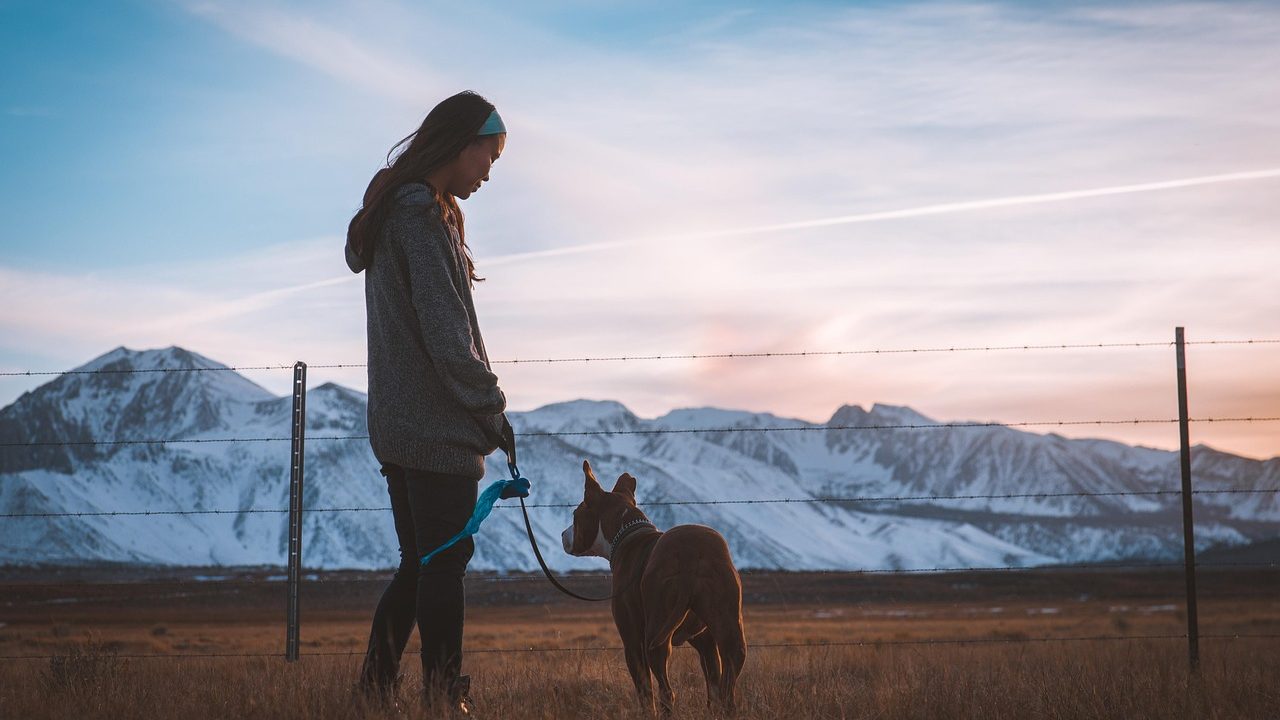
When you take your dog outside of your yard, leash management becomes your primary tool for accident prevention. A retractable leash is rarely suitable for neighborhood walks where children might appear suddenly from behind bushes or ride by on scooters. These leashes offer very little control and can cause severe friction burns or tangles if a dog bolts.
Instead, use a sturdy four-to-six-foot flat leash made of nylon or leather, paired with a comfortable harness or a well-fitted flat collar. Keep your dog on the side away from passing pedestrians and maintain a short lead whenever you walk past parks, school bus stops, or driveways where children congregate.
If a neighborhood child asks to pet your dog while you are out walking, stop, ask the child to wait a moment, and put your dog into a reliable sit or down position. Keep the leash secure with both hands, allowing you to control the dog’s movement instantly if a sudden noise or fast motion startles them.
It is equally important to manage your own body mechanics while handling a leash around children. Never wrap a leash strap around your wrist or hand; if your dog lunges unexpectedly after a passing skateboard or a group of shouting children, a wrapped leash can cause severe rope burns, sprains, or even fractures. Instead, form a secure loop with your thumb and forefinger, holding the bulk of the slack firmly in your palm. Furthermore, maintain situational awareness by keeping your eyes scanning ahead rather than staring down at a mobile device during walks.
When navigating crowded sidewalks or community parks, practice proactive positioning. Place yourself physically between your dog and approaching children, creating a literal and psychological barrier. This stance not only prevents sudden physical contact but also signals to parents and children that your dog requires breathing room. Keeping your dog focused on obedience cues, such as heel or watch me, while passing groups of children turns a potentially stressful encounter into a successful training opportunity.
Preventing Dog Bites Outdoors Through Active Management
Preventing dog bites is an active, ongoing responsibility that requires constant vigilance. No matter how well-trained or friendly your dog is, unexpected scenarios can trigger a defensive reaction. Pain, surprise, extreme heat, or sensory overload can lower a dog’s bite threshold significantly.
Never leave your dog unattended outside in an unfenced yard or tied up near a public sidewalk, even for a few minutes. Delivery drivers, neighborhood children cutting across lawns, or stray animals can easily create a high-stress situation when you are not there to intervene. Furthermore, avoid situations where children are playing high-energy games like tag, soccer, or catch in close proximity to your loose dog. The fast, erratic movements and high-pitched shouting of group sports can easily trigger a dog’s chase instinct or cause herding breeds to nip at ankles.
If you are hosting a gathering or your children are having friends over for a backyard party, consider setting up a safe zone for your dog inside the house. A quiet back bedroom or a crate covered with a light blanket provides a secure retreat away from the noise, chaos, and swinging doors of a busy event.
When implementing indoor management during outdoor gatherings, ensure family members understand that the dog’s safe zone is strictly off-limits to visiting children. Too often, well-meaning kids will seek out a secluded room to find the pet, startling a resting animal. Use baby gates with secure latches at entryways, and routinely check on your pet to ensure they have fresh water and adequate ventilation, particularly during warm summer months when outdoor entertaining peaks.
Additionally, recognize that weather conditions heavily influence canine behavior. High ambient temperatures, intense humidity, and direct sunlight can cause heat exhaustion in dogs, making them far more irritable and prone to snapping when disturbed. During peak summer months, limit outdoor exposure to early mornings and late evenings when temperatures drop, and always provide ample shade and cool, fresh drinking water if your dog spends time in a fenced yard.
Common Mistakes Pet Owners Make During Socialization
Even well-meaning pet owners often make critical missteps when trying to socialize their dogs with neighborhood kids. Recognizing these common pitfalls can save you from setbacks in your training journey.
One frequent mistake is forcing interactions. Picking up a small dog and pushing them toward an enthusiastic child, or dragging a reluctant large dog forward on a tight leash, teaches the animal that you will not protect them. When dogs feel that humans won’t advocate for their safety, they often feel forced to handle the situation themselves through growling or snapping.
Another error is relying solely on past good behavior. Just because your dog tolerated being swarmed by neighborhood toddlers last summer does not mean they will appreciate the same behavior today, especially as they age or if they develop underlying joint pain or vision loss. Always evaluate your dog’s current physical and emotional state rather than depending on historical temperament.
Finally, failing to supervise children and dogs together is a major hazard. Never assume that older children can act as reliable supervisors for younger kids and pets. Adult eyes and hands must be present whenever a dog and child interact within arm’s reach.
Another subtle pitfall is scolding or punishing a dog when they display warning signs like growling. While a growl can be alarming to hear, it is a vital communication tool. If you punish a dog for growling, you do not stop them from feeling uncomfortable; you simply teach them to stop giving warnings before they bite. Instead of punishing the growl, remove the dog from the trigger immediately and address the underlying stressor.
Pet owners also frequently overlook the importance of consistency across all household members. If one family member allows the dog to jump up on visitors while another strictly discourages it, the dog becomes confused, leading to erratic boundary testing around neighborhood children. Establishing household rules and adhering to them without exception eliminates mixed signals and reinforces polite behavior in all social contexts.

Creating a Long-Term Community Safety Plan
Building a harmonious relationship between your dog and the neighborhood requires a sustainable routine. Make it a point to educate your immediate neighbors about your dog’s boundaries and training goals. When children understand that your dog is in training and has specific rules, they often take pride in following them and acting as respectful community helpers.
Keep your veterinarian informed if you notice sudden changes in your dog’s behavior around people. Increased reactivity or sudden fearfulness is frequently tied to underlying medical issues, such as ear infections, dental pain, or arthritis, that make physical contact uncomfortable. Addressing health issues early can prevent behavioral fallout.
By combining consistent positive reinforcement, strict physical management, and a deep respect for canine communication, you create an environment where your dog feels secure and neighborhood children can play safely. Thoughtful oversight turns potential community conflicts into positive opportunities for responsible pet ownership.
Finally, establish an annual review of your safety protocols with your household. As neighborhood children grow older, their behavior patterns change, and your dog’s physical capabilities may shift as well. Maintaining an open dialogue with your family ensures that everyone remains aligned on safety rules, emergency responses, and the ongoing commitment to peaceful neighborhood coexistence.
Incorporating your community plan into everyday life means communicating openly with parents when neighborhood dynamics shift. If new families move in with young children, take the initiative to introduce your dog gradually from behind a secure fence or on a short leash, establishing positive rapport early. By remaining an active, approachable, and responsible pet owner, you help cultivate a neighborhood culture where both children and dogs thrive safely together.