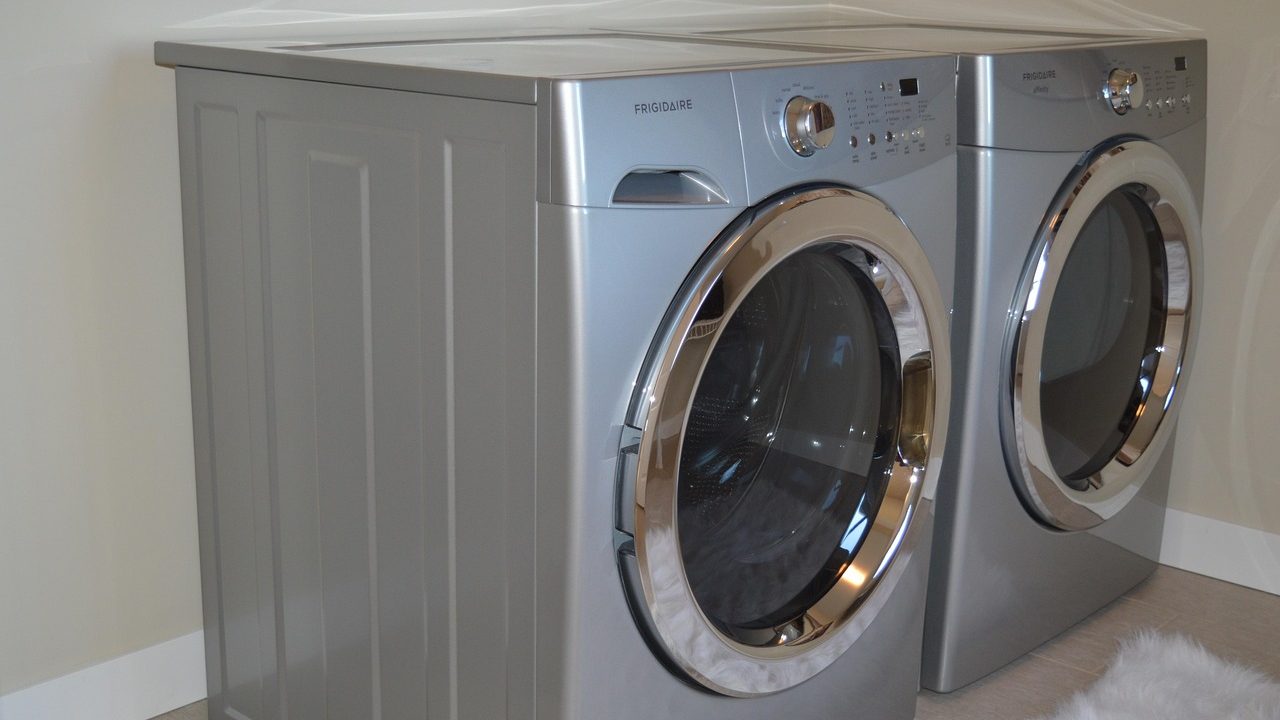
When you are designing a laundry room, purchasing a new home, or replacing a broken appliance, the debate over gas vs electric dryer utility costs is one of the most practical financial decisions you will face. While both types of clothes dryers accomplish the same basic task of tumbling wet garments through heated air, their underlying power sources create stark differences in installation requirements, monthly utility expenses, and drying speeds.
Understanding these differences requires looking past the sticker price at the appliance showroom. A lower purchase price for one type of dryer can easily be offset by expensive electrical upgrades or higher monthly utility bills. To determine which machine fits your household, you need to evaluate your home’s existing infrastructure, regional energy rates, and your typical laundry habits.
The Core Differences: How Gas and Electric Dryers Work
The primary distinction between gas and electric dryers lies in how they generate heat. While both appliances use a small electric motor to spin the drum and power a blower fan, their heating mechanisms are entirely separate.
Electric dryers rely on heavy-duty resistance heating coils, similar to the elements found in an electric kitchen range or a space heater. Air passes over these glowing coils and is forced into the tumbling drum. Because these coils require massive amounts of energy to reach and maintain high temperatures, electric dryers must draw power from a dedicated 240-volt electrical circuit.
Gas dryers, on the other hand, generate heat by burning natural gas or liquid propane through a burner assembly. An electronic igniter lights the gas jets, and air is heated as it circulates past the burner box. Because the combustion process provides the heat, the machine’s electrical components—the motor, the timer, the control board, and the igniter—only require a standard 120-volt household outlet.
Delving deeper into these mechanisms reveals how power delivery influences daily operation. An electric resistance coil acts essentially as a giant resistor, converting electrical current directly into thermal energy. This process is steady and reliable, but it places a continuous, heavy load on your home’s electrical service panel. Conversely, a gas burner utilizes a controlled flame chamber regulated by safety switches, thermal fuses, and a flame sensor. If the flame fails to ignite or extinguishes unexpectedly, the safety valve shuts off the gas supply instantly. While both systems are engineered with multiple safety redundancies, their underlying physical requirements dictate entirely different installation realities inside your home.
To expand on the engineering dynamics, consider the thermal transfer efficiency within the drum. Electric heating elements can sometimes experience localized hot spots if airflow drops due to lint accumulation, which can place stress on high-limit thermostats. Gas burners provide a more distributed convective heat stream through an internal combustion chamber, though they also require careful monitoring of the igniter and flame sensor over years of service. Understanding these mechanical nuances helps clarify why maintenance and repair routines diverge between the two appliance styles as they age.
Analyzing Monthly Utility Expenses
Operating costs are often the deciding factor for homeowners trying to choose between these two appliance types. However, because utility rates vary wildly across different regions of the United States, calculating exact savings requires looking at your local cost per kilowatt-hour (kWh) for electricity and your therm cost for natural gas.
In most parts of the country, natural gas is significantly cheaper per unit of energy than electricity. Because of this pricing structure, gas dryers generally cost less to run per load than standard electric resistance dryers. A typical electric dryer consumes between 2,000 and 5,000 watts of power per hour of operation, translating to roughly 3 to 5 kWh per load. If your local utility charges 15 cents per kWh, a standard drying cycle might cost around 45 to 75 cents in electricity alone.
Gas dryers use very little electricity—often less than 500 watts per load to run the motor and igniter—while burning a fraction of a therm of natural gas. In many regions, the combined cost of the gas and the minimal electricity used by a gas dryer results in per-cycle operating expenses that are noticeably lower than an electric model. Over the typical ten-to-fifteen-year lifespan of the appliance, these savings can add up, though the total dollar amount depends entirely on your household’s laundry volume.
To put this into perspective for a busy household running five to seven loads of laundry per week, the annual operating cost discrepancy can range anywhere from $30 to over $100 per year, heavily favoring the gas model in areas where electricity is priced at a premium. However, if you live in a region with abundant hydroelectric or nuclear power where electricity rates drop below 10 cents per kWh, the financial advantage of natural gas narrows substantially, sometimes rendering the operating costs nearly identical between the two units.
Furthermore, evaluating seasonal fluctuations in utility pricing is an important step. Natural gas rates can experience spikes during peak winter heating months when demand surges nationwide. Conversely, residential electricity rates can vary based on time-of-use (TOU) pricing structures implemented by regional utility companies. If your energy provider charges higher rates during peak afternoon and evening hours, running an electric dryer during those windows can significantly inflate your monthly bill. Scheduling your laundry cycles during off-peak hours can mitigate some of these electric utility penalties, making it essential to review your specific utility rate schedule before determining true long-term operational savings.
Initial Installation Overhead and Infrastructure Requirements
While operating expenses favor gas in many markets, upfront installation costs frequently favor electric. If your home already has the necessary hookups in place for both types of appliances, swapping a gas dryer for a gas dryer or an electric dryer for an electric dryer is a straightforward, low-cost project.
However, if your laundry space lacks the correct hookup, installation overhead can escalate quickly. An electric dryer requires a 240V receptacle, which is heavier and larger than standard outlets. If your laundry room only has standard 120V outlets, hiring a licensed electrician to run a dedicated heavy-duty line from your main electrical panel can cost anywhere from several hundred to over a thousand dollars, depending on the distance and complexity of the run.
Conversely, a natural gas dryer requires access to a gas supply pipe equipped with a shut-off valve. If your home relies strictly on all-electric utilities and lacks a gas line in the laundry room, running a new line from your main meter or indoor gas trunk can involve significant labor fees. Furthermore, working with gas lines always requires professional installation by a licensed plumber or technician to ensure safety, local code compliance, and proper ventilation testing.
When budgeting for your laundry room setup, it is vital to factor in these hidden infrastructure costs. A homeowner who purchases a less expensive gas dryer appliance but lacks an existing gas line may end up spending significantly more out-of-pocket on plumbing labor and permitting fees than someone who simply plugs a standard electric dryer into an existing 240V wall receptacle. Always inspect your laundry space and secure professional installation estimates before finalizing your appliance purchase.
In addition to electrical panels and gas trunk lines, consider physical space and structural clearance requirements. Both 240V heavy-duty cords and flexible gas connectors add depth behind the appliance, meaning your laundry pair may protrude further into the room if proper recess boxes are not built into the drywall. Planning for these dimensional requirements during a home renovation prevents clearance headaches and ensures your laundry doors can open smoothly without pinching utility supply lines.
Venting and Airflow Considerations
Regardless of whether you choose a gas or electric model, proper venting is non-negotiable for safety and efficiency. Both types of dryers produce large volumes of warm, moisture-laden air that must be exhausted directly to the outdoors through rigid metal ductwork.
Electric dryers simply push humid air out of the drum. Gas dryers do the same, but they also must vent the combustion byproducts—primarily water vapor and carbon dioxide produced by burning gas—out of the home. Because of this, a gas dryer must never be operated without a properly sealed, unobstructed exhaust vent. Failing to vent a gas dryer correctly introduces hazardous combustion gases and dangerous levels of moisture into your living space, creating severe indoor air quality issues and structural risks.
Furthermore, maintaining your dryer vent is an ongoing maintenance task that applies equally to both appliance types. Lint buildup restricts airflow, forcing the dryer to work harder, increasing energy consumption, and creating a dangerous fire hazard. Whether gas or electric, your dryer should be paired with rigid or semi-rigid aluminum ducting—never flexible plastic foil venting—and the entire duct run should be inspected and cleaned at least once a year.
Optimizing airflow extends beyond the immediate wall connection. The length of your exhaust run, the number of elbows or bends in the ducting, and the type of exterior wall cap all influence total backpressure. High backpressure forces the dryer’s blower fan to work overtime, increasing energy draw on electric units and putting extra thermal stress on gas burner assemblies. Cleaning your exterior louvers and checking for blockages caused by nesting wildlife or accumulated lint ensures safe operation and protects your investment regardless of which power source you choose.
Drying Performance and Fabric Care
When it comes to speed and fabric care, gas dryers often hold a subtle performance advantage. Gas burners generate heat much faster than electric resistance coils, allowing the drum to reach its optimal operating temperature almost immediately after the cycle starts. This rapid heating can shorten overall drying times by a few minutes per load.
In addition to heating up faster, gas heat is often described as slightly gentler on textiles than electric heat. Gas combustion naturally produces ambient moisture as a byproduct of burning hydrocarbons, meaning the air entering the drum is not quite as bone-dry as the air forced over ultra-hot electric coils. This minor difference can reduce static cling and minimize fiber brittleness over years of laundering.
That said, modern high-efficiency electric dryers and advanced heat pump electric dryers have narrowed the performance gap considerably. Standard electric dryers dry clothes thoroughly and reliably; the difference in cycle time is usually minimal unless you are running back-to-back loads all day long. For the average household doing a few loads a week, the actual difference in garment wear over time is negligible, provided you select the appropriate drying temperature and avoid overloading the drum.
Another factor influencing drying performance is the incorporation of modern sensor drying technology. Both gas and electric models now feature moisture sensors that automatically terminate the cycle when clothes reach the desired dryness level, preventing over-drying and shrinking. By stopping the tumbling action before residual heat bakes fabrics, these sensors protect delicate clothing fibers regardless of whether the heat originates from a gas burner or an electric resistance coil.
Upfront Appliance Purchase Prices
When shopping for laundry appliances, you will likely notice a distinct pricing trend on the showroom floor: gas models almost always carry a higher sticker price than their electric counterparts.
Manufacturers typically charge $50 to $150 more for the gas version of the exact same dryer model. This price discrepancy stems from the added complexity of the gas valve assembly, electronic ignition system, and safety sensors required inside the appliance. When factoring this initial premium into your calculations, you must weigh whether the long-term utility savings of a gas dryer will outweigh both the higher purchase price and any potential installation fees.
Maintenance, Repair, and Lifespan Realities
Both gas and electric dryers are durable household machines designed to last for a decade or more with basic maintenance. However, their internal components introduce different long-term repair considerations.
Electric dryers are mechanically simpler. When an electric dryer stops heating, the culprit is usually a blown thermal fuse, a failed thermostat, or a burned-out heating element. These parts are generally inexpensive, widely available, and relatively straightforward for a technician—or a knowledgeable DIYer—to replace.
Gas dryers feature more specialized components, such as gas safety coils, igniters, and gas valves. While the blower motors and drums are virtually identical to electric models, troubleshooting a gas heating failure requires caution and an understanding of gas safety protocols. If an igniter burns out or a gas valve fails, replacement parts can sometimes cost more than basic electric heating elements, and professional service calls for gas appliances often carry higher labor rates.
Beyond heating components, routine upkeep remains identical for both types of units. Cleaning the lint filter after every single load, keeping the moisture sensors free of fabric softener residue, and ensuring that the exhaust vent remains clear of obstructions will maximize the lifespan of either machine.
Evaluating long-term reliability also involves considering environmental factors in your laundry room. Excess humidity in poorly ventilated basements or utility closets can accelerate corrosion on metal cabinets and electrical terminals over time. Ensuring adequate room ventilation protects the internal control boards and wiring harnesses of both gas and electric units, reducing the likelihood of premature electrical failure.
Decision Framework: Which Dryer Should You Buy?
To choose the right appliance for your home, run through this practical decision framework before heading to the store:
- Check your existing laundry hookups: Look at the wall behind your current dryer space. If you have a 240V outlet and no gas line, buying an electric dryer avoids hundreds or thousands of dollars in installation overhead. If you have a gas stub and a standard 120V outlet, sticking with a gas dryer is the path of least resistance.
- Analyze your regional utility rates: Review your utility bills. If electricity is exceptionally expensive in your area while natural gas is reasonably priced, a gas dryer will yield meaningful monthly savings over time. If your electricity rates are low (such as in areas with abundant hydroelectric or nuclear power), an electric dryer makes great financial sense.
- Evaluate your long-term living situation: If you own your home and plan to stay for many years, investing in utility upgrades might pay off. If you are renting or plan to move soon, keeping the existing utility type eliminates unnecessary renovation expenses.
By carefully weighing installation hurdles, regional energy rates, and appliance purchase prices, you can select a laundry setup that keeps your utility bills manageable and your clothes drying efficiently for years to come. Taking a methodical approach to your purchase ensures that unexpected infrastructure expenses do not overshadow your long-term savings goals.