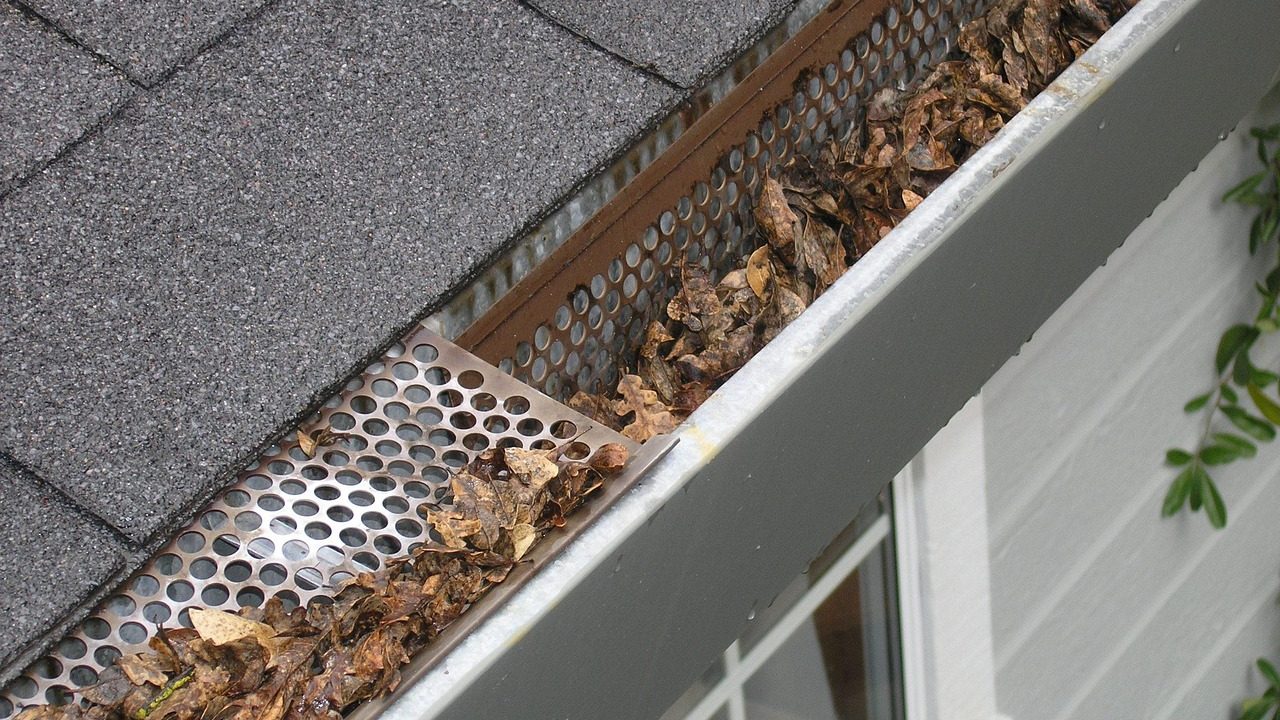
Every autumn, homeowners face the familiar, dreaded chore of climbing ladders to clear out decaying leaves, twigs, and roof grit from their drainage systems. Installing a permanent gutter protection system promises to end this seasonal headache once and for all. However, navigating the crowded market of filtration devices can feel overwhelming. When evaluating gutter guards vs surface tension hoods, you are essentially looking at two entirely different engineering philosophies designed to keep rainwater flowing freely while keeping organic debris out of your residential troughs.
Micro-mesh screens rely on physical filtration, using tightly woven stainless steel to block even the smallest particles while letting water pass straight through. Conversely, reverse-curve surface tension hoods rely on fluid dynamics, utilizing the physics of water to curve around a rounded nose and drop into the trough while shedding leaves over the front edge. Each approach has distinct strengths and weaknesses regarding heavy downpours, fine debris like pine needles, winter ice dam formation, and long-term durability. Understanding these operational differences will help you determine which technology suits your climate, tree canopy, and budget.
Understanding Micro-Mesh Gutter Guards
Micro-mesh screens represent the modern evolution of traditional punched-metal or plastic screen guards. Instead of large holes that allow helicopters, seed pods, and pine needles to wedge themselves into the troughs, high-end micro-mesh systems feature hundreds of tiny openings per square inch—often measuring down to 50 to 100 microns. Water passes through the permeable membrane rapidly due to surface adhesion and gravity, while virtually all solid debris remains on top to be blown away by the wind or brushed off later.
These systems typically feature an extruded aluminum or rigid PVC frame that slides under the second row of roof shingles and fastens securely to the outer lip of the gutter. Because the mesh is stretched tightly across the opening, leaves have no surface purchase to work their way inside. The aperture size is small enough to stop shingle granules from washing into the channel, reducing sludge buildup over time.
The Role of Stainless Steel Mesh
The quality of a micro-mesh system depends heavily on the grade of the wire mesh used. Marine-grade T316 stainless steel mesh is widely considered the gold standard because it resists corrosion, rust, and warping caused by extreme temperature fluctuations. Cheaper galvanized steel or coated aluminum mesh can corrode within a few seasons, especially in coastal regions or areas prone to acid rain. A rigid metal frame prevents the mesh from sagging into the gutter trough under the weight of wet leaves or heavy snow packs.
How Reverse-Curve Surface Tension Hoods Work
Surface tension hoods take a completely different mechanical route. Rather than filtering water through a screen, these systems consist of a solid metal hood that mounts slightly below the roofline, arching outward over the top of the gutter and curving downward into a narrow intake slot.
The underlying principle relies on the physical property of water known as adhesion—often referred to in physics as the Coandă effect. As rainwater flows down the roof and hits the curved nose of the hood, it naturally clings to the smooth metal surface, wrapping around the curve and entering the slot below. Meanwhile, heavier debris—such as large leaves, twigs, and nuts—loses momentum, sails past the curved lip, and drops harmlessly to the ground. These systems are often called gutter helmets or surface tension covers and are typically installed by authorized dealer networks with specialized mounting brackets tied directly to the fascia or roof rafters.
Fluid Dynamics and the Intake Slot
The width of the intake slot is critical to the success of a reverse-curve system. If the gap is too wide, small debris slips inside and clogs the gutter anyway. If the gap is too narrow, water fails to enter efficiently during heavy storms. Maintaining this precise gap over years of thermal expansion and contraction requires robust manufacturing tolerances and rigid structural anchoring.

Debris Shedding Efficiency: Leaves, Pine Needles, and Sediment
The primary job of any gutter cover is keeping organic matter out of your drainage system. However, different types of debris test micro-mesh screens and surface tension hoods in vastly different ways.
Micro-mesh systems excel at handling heavy leaf loads and fine detritus. Because water drains vertically straight through the mesh, dry leaves simply sit on top until wind gusts sweep them away. Even stubborn organic material like wet oak leaves or maple seeds dry out and blow off. However, extremely fine debris like pine needles, roof granules, and atmospheric dust can occasionally bridge across the mesh openings if the pitch is too flat. When fine silt accumulates, it can form a biofilm that temporarily impedes maximum water intake during torrential downpours, requiring an occasional sweep with a stiff brush.
Surface tension hoods handle large leaves exceptionally well, as the slope and curve ensure that dry maple or oak leaves slide right over the edge. Yet, these systems face unique challenges with surface tension physics. During a heavy downpour, high-velocity water can overwhelm the curved nose, shooting completely past the intake slot and splashing onto the ground below—a phenomenon known as overshoot. Furthermore, sticky pine needles, tree sap, and airborne pollen can leave a residue on the curved lip, disrupting the surface tension and causing water to drip down the front of the gutter instead of entering the trough.
Handling Pine Needles and Atmospheric Pollen
Pine needles present a notoriously difficult test for any gutter guard. In micro-mesh configurations, individual pine needles may occasionally land upright, but they rarely penetrate the sub-micron screen and are easily brushed away. In contrast, surface tension hoods can experience a “tacking” effect where pine needles stick to the curved resin or metal surface via natural tree sap. As more needles accumulate, they bridge across the intake slot, creating a dam that blocks water from curling into the channel.
Winter Performance and Ice Dam Potential
Winter weather introduces severe stress tests for residential exterior fixtures. Freezing temperatures, snow accumulation, and freeze-thaw cycles can dramatically impact how gutter protection systems perform.
Ice dams form when heat escapes from the attic, melts snow on the roof, and causes runoff to refreeze at the cold eaves. Micro-mesh screens generally maintain good cold-weather performance because water can still filter through the porous metal even if a light frost coats the surface. Because they do not block the entire upper cavity with bulky solid metal hoods, sunlight can also warm the mesh faster, helping to melt trapped frost or ice bridges.
Surface tension hoods, due to their large metal surface area and enclosed structure, can sometimes complicate winter drainage. The solid aluminum cover can shade the interior of the gutter, preventing solar gain from melting accumulated ice inside the trough. Additionally, if ice forms over the curved nose of a surface tension hood, it can disrupt the adhesive path required for water to flow into the slot, leading to major icicle formation and water spilling over the front of the system.
Managing Freezing Rain and Snowmelt
When snow melts gradually on a well-insulated roof, both systems handle the moderate volume well. However, during rapid freeze-thaw cycles, surface tension hoods are more susceptible to ice buildup along the outer lip because the water is forced to travel a horizontal and downward curving path in cold ambient air. Micro-mesh screens allow water to drop straight down into the heated gutter cavity, reducing the opportunity for refreezing on exposed exterior surfaces.
Installation Complexity and Roof Integrity
The method used to attach a gutter protection system to your home matters immensely for your roof’s warranty and structural integrity.
Micro-mesh guards are generally DIY-friendly for handy homeowners, though professional installation ensures correct pitching and secure fastening. Most designs slip underneath the existing asphalt shingles and screw into the front gutter lip. This means installers do not need to alter your roof deck or penetrate the waterproof underlayment. However, lifting older, brittle shingles to slide the guards into place can occasionally crack or dislodge aged roofing materials.
Surface tension hoods usually require professional installation. Because they are heavier and must be precisely leveled to maintain the correct surface tension angle, technicians mount heavy support brackets directly to the fascia board or drive fasteners through the roof shingles into the rafters. This structural rigidity makes them highly resistant to high winds and heavy snow loads, but any improper installation can potentially void shingle manufacturer warranties if roof penetrations are not properly sealed against moisture infiltration.
Structural Wind Resistance
High winds present a major challenge to exterior roof attachments. Professionally installed surface tension hoods are anchored directly to the fascia board with heavy-gauge brackets, giving them exceptional resistance to severe wind uplift during severe storms or hurricanes. Standard DIY micro-mesh guards, if held only by friction under the shingles and a few sheet metal screws on the front lip, can occasionally lift or flutter in high-wind zones unless bolted down with professional-grade fasteners.

Maintenance Requirements and Cleaning Realities
No gutter protection system is truly 100% maintenance-free. Anyone claiming you will never need to touch your gutters again is selling an unrealistic expectation.
Micro-mesh systems require minimal upkeep—typically an annual inspection in late autumn. If fine dust, pollen, or roof granules accumulate on the mesh surface, a quick pass with a leaf blower, garden hose, or soft-bristled broom easily restores optimal drainage. If any stubborn organic matter builds up at the end caps, it can be brushed away quickly from a secure ladder position.
Surface tension hoods require specialized cleaning when organic residue builds up on the curved nose. Because the hoods are often secured tightly to the roof structure, accessing the interior channel for deep flushing can be difficult if silt or shingle grit manages to enter through the intake slot. If pine sap or biological growth compromises the surface tension curve, professional cleaning with specialized cleaners may be necessary to restore proper water adhesion.
Preventing Biofilm and Organic Growth
In shaded, damp environments, both systems can develop biological films composed of algae, moss, and mold spores. On micro-mesh screens, a mild mixture of water and dish soap applied with a soft brush can easily lift biofilm without damaging the stainless steel weave. On surface tension hoods, abrasive cleaning pads must be avoided to prevent scratching the painted or treated metal finish, which would permanently ruin the surface tension properties required for water adhesion.
Cost Comparison and Long-Term Value
Budget is often the deciding factor for homeowners weighing property improvements. Upfront material and labor costs vary significantly between these two protection categories.
Micro-mesh guards span a wide pricing spectrum. DIY aluminum or stainless steel mesh kits purchased at home improvement centers offer an economical option for budget-conscious homeowners. Premium, professionally installed stainless steel micro-mesh systems command higher upfront costs due to heavy-duty framing and specialized brackets, but they offer exceptional longevity without requiring proprietary maintenance contracts.
Surface tension hoods are almost exclusively sold and installed by licensed contractors or national franchise networks. Because the price includes proprietary manufacturing, professional labor, and extensive warranty coverage, the initial investment is typically higher than standard mesh options. Homeowners should weigh this higher upfront cost against the expected lifespan of the aluminum hoods, which often carry robust manufacturer backing against structural failure.
Evaluating Return on Investment (ROI)
While spending thousands of dollars on professionally installed gutter protection may feel steep, it must be weighed against the recurring cost of annual gutter cleaning services or, worse, expensive structural repairs caused by water damage. A properly functioning system prevents fascia rot, foundation settling, basement flooding, and landscape erosion. Over a 15-to-20-year span, both systems can pay for themselves, provided they match your local tree canopy and do not require constant service calls.
Making Your Decision: Which System Fits Your Property?
Selecting the right gutter protection system comes down to an honest assessment of your immediate environment and local climate.
- Choose micro-mesh screens if: Your property is surrounded by heavy pine trees, you prefer a lower upfront investment, you want a system that handles heavy torrential downpours without overflowing, or you prefer a DIY installation approach that does not penetrate your roof framing.
- Choose surface tension hoods if: Your primary trees are large deciduous species like oaks and maples that drop big leaves, you live in an area with moderate rainfall rather than extreme cloudbursts, and you prefer a professionally installed, rigid system backed by a comprehensive contractor warranty.
Evaluating your tree canopy, roof pitch, and local weather patterns ensures you invest in a gutter protection method that truly protects your home from water damage, soil erosion, and foundational cracks for years to come.
Frequently Asked Questions
To help clarify your final decision, here are answers to common homeowner questions regarding gutter protection systems:
Will gutter guards void my roof warranty?
Most reputable gutter guard installations will not void your shingle warranty, provided the installer does not improperly nail through shingles or damage the underlayment. Micro-mesh systems that slip under the second course of shingles generally comply with manufacturer guidelines, but it is always wise to consult your roofing warranty documents before installation.
Do gutter guards work during heavy downpours?
Yes, quality micro-mesh systems allow high volumes of water to pass straight through without interruption. Surface tension hoods can occasionally experience overshoot during extreme downpours, where high-velocity water skips over the intake slot and falls onto the ground.
Can I install gutter guards on existing gutters?
In most cases, yes. Both micro-mesh screens and surface tension hoods are engineered to retrofit onto existing aluminum, copper, or vinyl gutters, provided the underlying troughs are structurally sound, properly pitched, and securely attached to the fascia board.
Summary Comparison
To help summarize your decision, consider how each system addresses the core challenges of residential drainage maintenance:
- Filtration vs. Adhesion: Micro-mesh filters water physically through tiny holes; surface tension hoods rely on fluid dynamics to bend water around a curved nose.
- Heavy Rain Handling: Micro-mesh rarely overshoots; surface tension hoods can experience overshoot during extreme cloudbursts.
- Pine Needle Resistance: Micro-mesh blocks needles effectively; surface tension hoods can catch needles in the intake slot if sap is present.
- Installation: Micro-mesh is often DIY-friendly; surface tension hoods require professional installation.
By weighing these critical performance factors carefully, you can protect your roofline, eliminate dangerous seasonal ladder work, and keep your home safe from water intrusion.