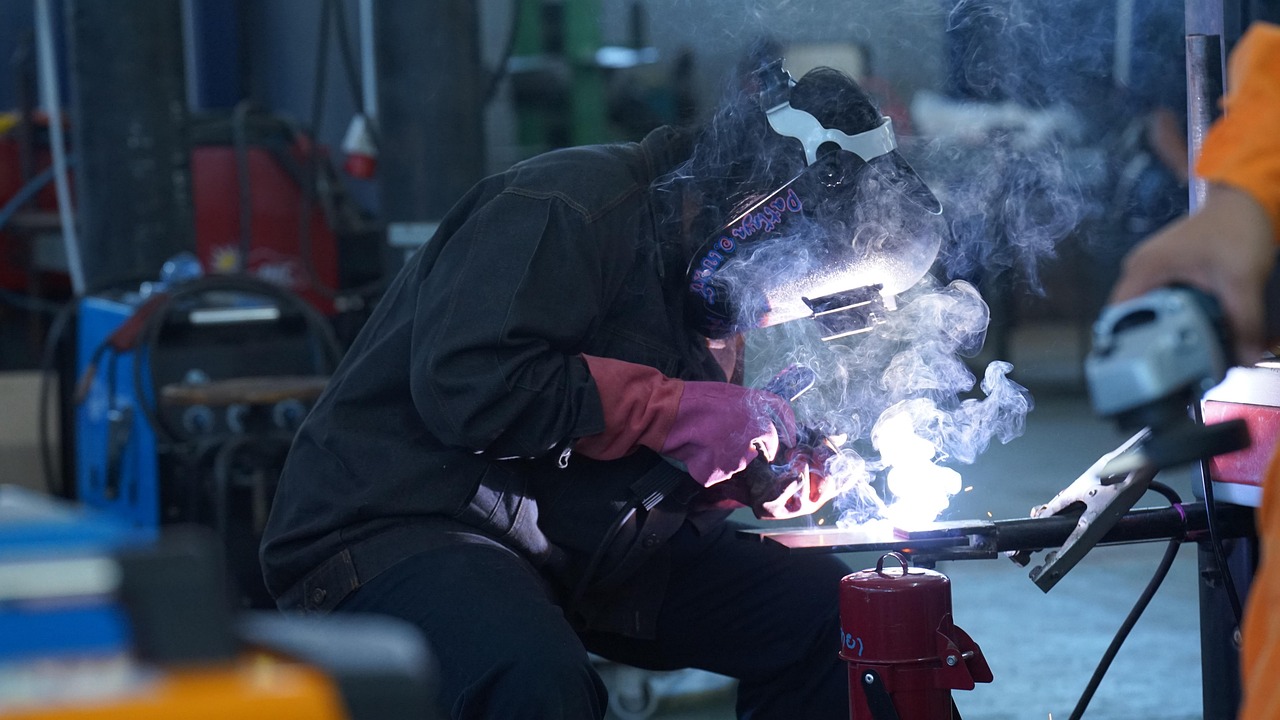
Choosing a high school vocational program guide approach can completely change how your teen approaches secondary education. Modern career and technical education (CTE) programs offer rigorous, hands-on training that prepares students for direct entry into the workforce or advanced post-secondary technical degrees. However, navigating the administrative requirements—ranging from selective applications and district transfer deadlines to specialized equipment fees and certification testing—can feel overwhelming for families.
Unlike traditional academic tracks, vocational education involves moving parts that require careful tracking. Districts often partner with local community colleges or regional technical centers, introducing unique scheduling challenges, transportation logistics, and fee structures. This roadmap is designed to help parents organize the journey, demystify application milestones, anticipate hidden costs, and support their student from initial exploration through graduation day.
Furthermore, early planning helps mitigate common bottlenecks such as course conflicts, missing immunizations required for clinical tracks, or overlooked aptitude testing dates. When families approach technical education with the same strategic mindset often reserved for traditional college prep, students are much more likely to maximize their opportunities and graduate with tangible credentials in hand.
As the modern economy places an increasing premium on specialized technical expertise, skilled trades and technical careers offer stable, high-paying opportunities that rival traditional four-year degree paths. By understanding how career clusters operate, how funding flows through federal and state channels, and how to sequence high school coursework effectively, parents can position their teens for immediate post-graduation success without unnecessary student debt.
Understanding Career and Technical Education (CTE) Tracks
Career and technical education encompasses a wide variety of industries, generally categorized into high-demand clusters such as health science, information technology, advanced manufacturing, construction trades, automotive technology, and culinary arts. High school programs typically start during sophomore or junior year, offering sequential courses that build specialized technical competencies alongside standard academic coursework.
When evaluating programs, parents should look closely at how the curriculum aligns with actual industry standards. High-quality CTE programs do not just teach basic skills; they culminate in recognized credentials, licenses, or industry certifications that hold real weight with employers. Understanding the specific sector your teen is interested in will dictate the application timeline, prerequisite coursework, and eventual out-of-pocket expenses for safety gear and tools.
Furthermore, understanding federal and state funding structures can help parents advocate for their students. Under legislation like the Carl D. Perkins Career and Technical Education Act, federal funds are allocated to states to improve secondary and post-secondary CTE programs. This means many local districts have access to specialized grants, modern laboratory equipment, and technical upgrading funds that benefit enrolled students directly. Families should ask school administrators how these resources manifest in daily classroom experiences, ensuring their teens have access to up-to-date machinery and software rather than obsolete systems.
Additionally, modern CTE programs emphasize academic integration—meaning students apply high-level math, physics, and communication skills directly within their technical projects. For example, precision machining requires advanced geometry and trigonometry, while biomedical technology labs rely heavily on biological science and data analysis. Recognizing this interconnectedness helps parents reinforce academic concepts at home through the lens of their student’s vocational passions. Engaging students in these practical applications ensures they view core subjects not as abstract requirements, but as vital tools for their future careers.
Mapping the Application and Enrollment Timeline
Securing a spot in a competitive vocational program or regional technical school requires early planning. Many districts open applications during the fall semester of a student’s sophomore year—and sometimes even earlier for magnet programs or selective-admission academies. Waiting until spring can mean missing out due to strict enrollment caps.
Families should start by meeting with the high school guidance counselor or CTE coordinator during freshman year to map out required prerequisite classes, such as introductory algebra or basic physical science. Building a reliable application calendar helps prevent missed deadlines for letters of recommendation, attendance records, or entrance assessments. Keep in mind that regional technical centers often serve multiple school districts, meaning your home high school’s bell schedule must coordinate with off-site transportation.
To build a successful timeline, families should map key academic milestones across all four years of high school:
- Freshman Year: Focus on foundational math and science courses, maintain a strong cumulative GPA, and attend high school career fairs or district CTE showcase nights.
- Sophomore Year Fall: Research regional technical center offerings, tour facilities during open houses, and verify specific application prerequisites.
- Sophomore Year Spring: Submit application paperwork, secure teacher recommendations, and register for any required district aptitude or placement tests.
- Junior Year: Begin specialized technical coursework, monitor transportation arrangements, and track initial competency hours or safety credentials.
- Senior Year: Complete capstone projects, sit for industry certification exams, participate in work-based learning or internships, and finalize post-graduation job placement or college plans.
Adhering strictly to these milestone windows ensures that administrative delays do not derail your student’s momentum. It is also wise for families to keep copies of all submitted application materials, recommendation letters, and entrance exam scores in a dedicated folder or digital drive for easy reference. Proactive calendar management also allows families to coordinate family vacations or extracurricular commitments around critical testing windows and interview dates.

Navigating Dual-Credit and Articulation Agreements
One of the greatest financial and educational advantages of modern vocational programs is the opportunity to earn college credit while still in high school. Dual-credit and articulation agreements allow students to complete introductory technical courses that count toward both their high school diploma and a post-secondary certificate, diploma, or associate degree.
Parents should ask program directors two specific questions regarding credit transfer: Does the program offer dual credit through a partner community college, or is it an articulation agreement? Dual-credit courses typically appear directly on a college transcript, whereas articulation agreements often require the student to enroll at the partner college and pass a validation exam or complete a certain number of advanced credits before awarding retroactive credit.
Understanding the distinction between these options prevents unwelcome surprises down the road. For instance, dual-credit classes taught by credentialed high school teachers on the high school campus usually carry nominal or waived tuition fees compared to traditional university courses. However, if the course requires enrollment through a local community college, families may need to navigate college registration systems, pay reduced-rate college fees, or purchase specific post-secondary textbooks.
Moreover, families must consider how dual-credit courses impact future college financial aid eligibility and cumulative college GPA calculations. Because these credits form the foundation of a student’s official post-secondary academic record, performing well in dual-credit technical courses yields long-term compounding benefits for college readiness and scholarship applications. Working closely with both high school and college advisors ensures that credits transfer seamlessly into the student’s intended post-secondary program of study.
Budgeting for Certification Exam Fees and Equipment
While public high schools generally cover tuition for vocational courses, families must often budget for specialized expenses that traditional academic classes do not require. These out-of-pocket costs can catch households by surprise if not anticipated well in advance.
Essential expenses typically include mandatory personal protective equipment (PPE)—such as steel-toe boots, welding helmets, safety glasses, or specialized culinary knives—as well as textbooks, digital software licenses, and industry certification exam fees. Certification exams, which validate a student’s proficiency to future employers, can range from modest fees to several hundred dollars per test. Proactive families can look into district fee waivers, career and technical student organization (CTSO) scholarships, or local employer sponsorships to help offset these costs.
When crafting an equipment budget, parents should consult the instructor’s syllabus well before the term begins. Some programs provide heavy shop machinery and shared tools, but require students to supply their own hand tool sets, measuring instruments, or sanitary uniforms. Purchasing commercial-grade equipment upfront often saves money over time compared to replacing cheap consumer-grade tools that fail under daily workshop conditions.
Additionally, planning for recurring expenses—such as consumable materials, uniform laundering, or safety gear replacements due to growth or wear—ensures that financial surprises do not interrupt your teen’s hands-on participation in shop or laboratory sessions. Maintaining an open dialogue with program instructors regarding required versus optional purchases can also prevent unnecessary spending on brand-name items when standard school-approved alternatives suffice.

Building a Certification Tracking Spreadsheet
Managing multiple classes, clinical hours, apprenticeship logs, and certification milestones requires organization. Creating a shared family spreadsheet can keep students accountable and give parents a clear view of academic progress.
A useful tracking document should include columns for course titles, required equipment, safety certifications earned, clinical or lab hours completed, and upcoming exam dates. For students pursuing fields like healthcare or electrical work, keeping meticulous records of safety training and hours completed is crucial, as these logs are frequently required by state licensing boards and prospective employers upon graduation.
To maintain clarity throughout high school, consider structuring the spreadsheet into clearly defined tabs or sections:
- Academic Progress: Track high school core credits, technical course grades, and dual-credit college courses alongside GPA calculations.
- Credential Inventory: Record exact titles of certifications earned, issuing organizations, license identification numbers, and expiration or renewal dates.
- Financial Ledger: Log all out-of-pocket expenses for tools, PPE, testing fees, and transportation to assist with tax planning or scholarship applications.
- Experience Log: Maintain a running tally of lab hours, clinical rotations, cooperative education hours, and mentorship meetings for resume-building.
Reviewing this document together on a monthly basis helps teens take ownership of their professional development while allowing parents to spot academic or logistical hurdles before they become critical issues. Furthermore, having a comprehensive digital portfolio of earned credentials and verified hours simplifies the job application process significantly when students enter the workforce.
Evaluating Post-Graduation Outcomes and Career Pathways
The ultimate goal of high school vocational education is to bridge the gap between education and meaningful employment or advanced training. As your teen progresses through the program, evaluate how the curriculum supports their long-term objectives. Are there built-in internship opportunities, cooperative education (co-op) placements, or direct job-shadowing partnerships with local businesses?
Many technical programs maintain active advisory boards made up of local industry leaders who help shape the curriculum and hire graduates directly. Investigating these local employer connections during the program selection phase ensures that your student is investing time in a pathway with robust local demand and competitive starting wages.
Parents should also examine whether the program facilitates direct transitions into registered apprenticeship programs. In fields like electrical, plumbing, HVAC, and advanced machining, completing high school vocational coursework can often reduce the required hours or classroom instruction time needed to achieve journeyman status, giving young adults a massive head start in their chosen trade.
Furthermore, evaluating post-graduation pathways includes analyzing regional labor market data and wage trends. Knowing which technical sectors experience high regional growth helps families make informed decisions about whether to enter the workforce immediately following high school graduation or pursue advanced post-secondary training. This long-range perspective ensures that high school training serves as an authentic springboard toward lasting career satisfaction and financial independence.
Common Pitfalls and How to Avoid Them
Navigating high school vocational tracks comes with a few common missteps that families can easily avoid with proper foresight. One frequent error is treating the vocational track as separate from core academic requirements, which can lead to last-minute credit crunches for graduation.
Another pitfall is failing to verify whether a program’s offered certification is nationally recognized or merely an internal completion certificate. Always verify the credentialing body with the state department of education or regional industry associations. Finally, ensure that your teen maintains open communication with both their home high school counselor and their technical instructor to prevent scheduling conflicts during standardized testing windows or extracurricular seasons.
Additionally, watch out for transportation bottlenecks. If your teen’s schedule requires traveling between a home high school and a regional technical center during the middle of the school day, clarify who provides the transportation and how delays are handled. Clear coordination prevents missed instructional hours and reduces daily friction for busy households.
Staying mindful of these common operational hurdles ensures that students remain focused on mastering their technical crafts rather than getting bogged down by administrative oversight. Anticipating these friction points allows families to address challenges calmly before they escalate into academic or scheduling crises.
Conclusion: Supporting Your Teen’s Technical Journey
Investing time in a high school vocational program equips students with tangible skills, professional confidence, and a head start on their careers. By staying organized, anticipating equipment and certification costs, and leveraging dual-credit pathways, families can turn technical education into a powerful foundation for long-term success. Take the first step today by scheduling a meeting with your student’s guidance counselor to review local CTE course offerings and application deadlines.
As your family embarks on this rewarding educational journey, remember that consistent communication, proactive financial planning, and active engagement with instructors and school counselors will create the ideal environment for your teen to thrive both academically and professionally. With thoughtful preparation and ongoing support, high school career and technical education opens doors to rewarding professions and enduring personal accomplishment.