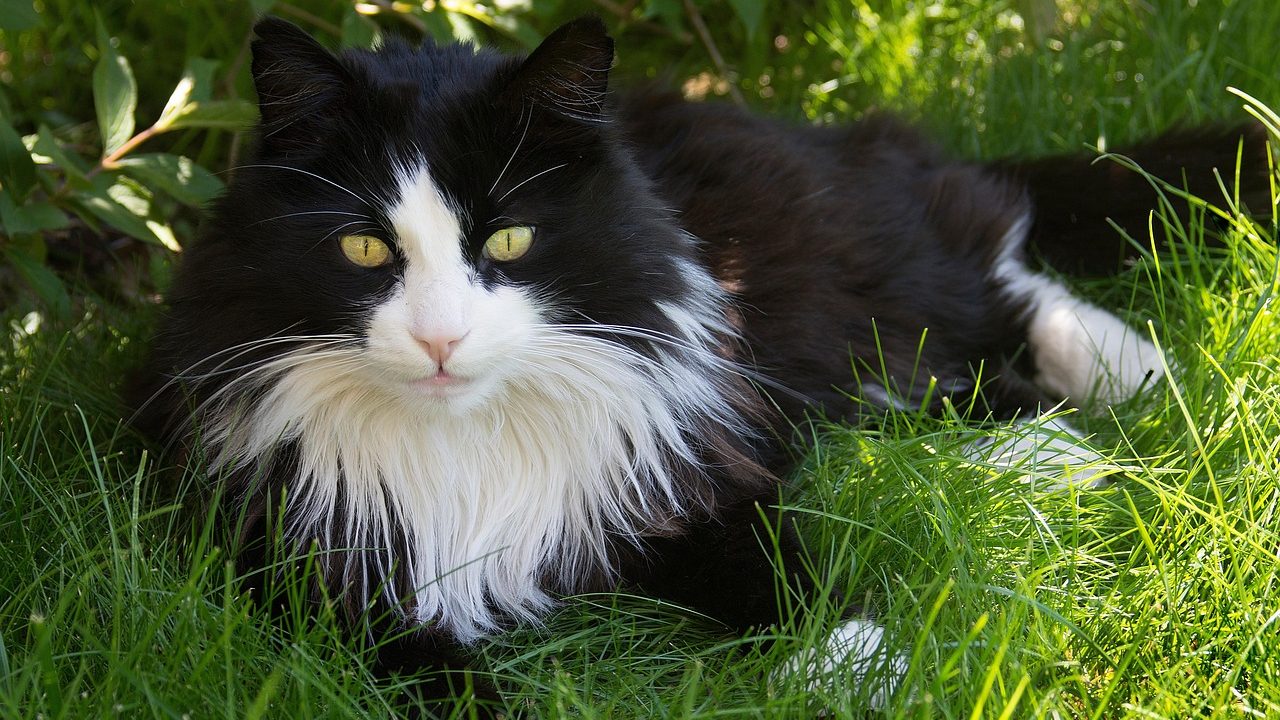
Long-haired felines like Persians, Maine Coons, and Ragdolls possess breathtaking coats, but maintaining them is a daily commitment. Without a reliable routine, fine undercoats quickly tangle, tighten, and form dense felts that pull painfully against your cat’s delicate skin. A comprehensive long haired cat matting care guide helps you navigate the realities of coat maintenance, from choosing the right steel tools to recognizing when a pelted coat requires veterinary intervention. Understanding how mats form, how to approach cat mat removal safely, and how to practice consistent prevention ensures your cat stays comfortable, mobile, and free from skin infections.
Why Long-Haired Cats Develop Mats So Quickly
To prevent tangles effectively, you first need to understand the mechanics of feline fur. Long-haired breeds typically feature a dual coat: a soft, insulating undercoat and coarser guard hairs. As the cat sheds, loose undercoat hairs become trapped within the surrounding fur instead of falling out entirely. Normal movement, grooming friction, and ambient moisture cause these trapped fibers to bind together, twisting around one another until they form tight knots.
Certain areas are much more prone to matting than others. Friction points—such as the armpits, the groin, the collar area where a harness or collar rests, and the hindquarters where urine or feces can occasionally soil the fur—are primary trouble spots. Additionally, senior cats or overweight felines who struggle to groom themselves effectively in hard-to-reach places will often develop dense mats along their lower back and base of the tail.
When left unchecked, these tangles do not just look unsightly; they pose genuine health risks. Tight mats act like Velcro, constantly pulling on the skin beneath. This creates chronic tension, redness, and soreness. Worse, mats trap moisture, dander, and dirt against the skin, creating an ideal breeding ground for bacterial infections, hot spots, and fleas. In severe cases, tightly wound pelting can completely restrict skin circulation or tear open if the cat catches the mat on an object.
Understanding seasonal coat changes is another crucial layer of prevention. During spring and autumn transitions, many long-haired cats experience a major shed, commonly referred to as blowing their coat. During these peak shedding windows, loose undercoat volume multiplies exponentially. If you do not ramp up your combing frequency during seasonal shifts, minor tangles that take seconds to clear can morph into impenetrable pelts within forty-eight hours. Recognizing these biological timelines allows you to adjust your grooming calendar before mats get the upper hand.
Essential Tools for Feline Coat Care
Throwing away ineffective pet store gadgets is the first step toward successful grooming. Many commercial brushes feature angled wire bristles that scratch feline skin or merely skim the surface of the coat while leaving dense undercoat tangles untouched near the skin. Building a proper grooming kit requires a few specific, high-quality instruments designed for professional-grade safety and efficiency.
First, invest in a sturdy metal greyhound comb with alternating coarse and fine teeth. This is the single most important tool in your arsenal because it allows you to feel down to the skin and detect hidden knots before they turn into major pelts. Second, a slicker brush with coated or polished pin tips helps manage loose surface hair and prevent initial tangling during daily sessions. Third, a mat splitter or a dematting comb with guarded, recessed blades can slice through stubborn knots vertically without exposing sharp edges near your cat’s skin.
Avoid using human hairbrushes, which generate static and fail to penetrate thick feline fur, and steer clear of cheap plastic combs that snag and break hair shafts. Always inspect your tools before each session to ensure no pins are loose or sharp points are exposed. Proper sanitation matters, too; periodically wipe metal combs with an alcohol swab to remove accumulated skin oils and dander that can dull the teeth and transfer bacteria.
Positive Reinforcement and Desensitization
Many cats despise being groomed because previous experiences involved painful pulling or forced restraint. Transforming grooming into a positive, bonding experience requires patience, short sessions, and a systematic desensitization process. Never pin a struggling cat down or attempt to tackle a severe grooming job in a single marathon session; this approach destroys trust and elevates stress levels for both of you.
Start by pairing the presence of your grooming tools with high-value rewards. Lay the metal comb on the floor, let your cat sniff it, and immediately offer a delicious treat. Next, touch the comb briefly to your cat’s preferred petting zones—such as under the chin or behind the ears—then reward them. Gradually work your way toward areas they tolerate less, keeping sessions to just two or three minutes at first.
Always watch for subtle feline stress signals, including tail twitching, flattened ears, skin rippling, or dilated pupils. The moment you notice these signs, pause the session, offer a soothing word and a treat, and try again later. Building positive associations ensures your cat eventually accepts routine maintenance without panic.
For particularly sensitive cats, incorporating clicker training can accelerate the desensitization process. Click the moment your cat allows the comb to touch their flank, followed immediately by a high-value food reward. Over days and weeks, you bridge the gap between fear and acceptance, turning what was once a wrestling match into a calm, predictable ritual that your cat may even learn to anticipate with quiet curiosity.
Step-by-Step Guide to Cat Mat Removal Safely
When you discover a knot, your immediate instinct might be to grab a pair of kitchen scissors and snip it out. Never do this. Cat skin is remarkably thin, elastic, and pulls up easily into the center of a mat; it is frighteningly easy to accidentally slice the skin with household scissors, resulting in a traumatic veterinary emergency.
Instead, follow these steps for safe removal at home:
- Isolate the mat: Gently part the surrounding clean fur to expose the base of the tangle right next to the skin. Place your fingers between the base of the mat and the cat’s skin to create a protective barrier.
- Hold the base: Pinch the hair shaft firmly between your thumb and forefinger right above the skin. This ensures that any pulling force is absorbed by your fingers, not by your cat’s sensitive dermal tissue.
- Work from the outside in: Use a metal comb or your fingers to gently pick at the outer edges of the mat, teasing out individual hairs from the tip downward toward the base. Never yank upward from the skin.
- Use a mat splitter if necessary: If the knot is too dense to tease apart, take a guarded mat splitter and make very small, vertical slices *away* from the skin, cutting parallel to the hair growth. This breaks the tension without cutting the hair off entirely.
- Comb through: Once the knot is split and loosened, run your metal comb through the section from skin to tip to ensure all debris is removed.
If a mat is tight against the skin (often called a pelt) or covers a large area of the body, abandon DIY removal efforts immediately. Forcing a tight pelt can tear the skin or cause severe behavioral aversion to future handling.
Preventing Mats in Long Hair Cats
An ounce of prevention is worth pounds of corrective grooming. Establishing a consistent schedule stops tangles before they start and keeps daily maintenance quick and manageable. Rather than waiting for a crisis, integrate short coat checks into your weekly routine.
Daily or every-other-day maintenance requires just five minutes. Focus on high-friction zones using your metal comb, ensuring you reach all the way down to the skin rather than just smoothing the topcoat. If your cat tolerates it lightly, a quick pass with a slicker brush removes loose undercoat debris before it has a chance to felt together.
Diet and hydration also play a surprisingly vital role in coat health. A dull, dry coat tangles much more easily than a well-nourished, hydrated one. Ensure your cat has access to fresh water and receives a nutritionally balanced diet rich in essential fatty acids like Omega-3 and Omega-6, which support skin elasticity and hair shine. Consult your veterinarian before adding any supplements to your cat’s food.
Environmental factors inside your home also influence coat condition. Low indoor humidity during dry winter months can cause feline skin and hair shafts to become brittle, increasing static electricity and encouraging rapid tangling. Utilizing a cool-mist humidifier in rooms where your cat spends significant time can help maintain optimal moisture balance in both skin and fur, reducing overall static cling and making daily passes with your steel comb significantly smoother.
Grooming Matted Cat Fur at Home vs. Professional Salons
Knowing your limits is a core part of responsible pet ownership. While minor, localized tangles can easily be managed at home, extensive matting requires professional help. Understanding the differences helps you make safe, cost-effective decisions for your cat’s welfare.
Home upkeep works best when your cat is cooperative, the mats are few and small, and the tangles are located well away from sensitive areas like the belly, ears, or armpits. It allows you to bond with your cat and save on salon expenses, provided you maintain strict consistency.
Conversely, professional groomers or veterinary clinics are necessary when:
- The matting covers more than twenty percent of the body or forms a continuous pelt across the back or flanks.
- The mats are pulling tightly against the skin, causing visible irritation, scabbing, or open sores.
- Your cat becomes aggressive, panicked, or inconsolable during handling.
- The mats are located dangerously close to the eyes, ears, or underbelly.
Professional groomers utilize specialized electric clippers with fine blades to safely shave beneath tight mats without risking skin lacerations. In extreme cases where a cat is fractious or the pelting is embedded against compromised skin, a veterinarian may need to perform a sedation grooming session to eliminate pain and prevent accidental injury.
When booking a professional salon visit, always verify whether the groomer has specific experience handling cats rather than just dogs. Feline skin is notoriously fragile compared to canine skin, and cat grooming requires specialized handling techniques and patience. Communicating your cat’s temperament clearly to the groomer ensures they can prepare a stress-minimized environment tailored to your pet’s specific needs.
Common Grooming Mistakes to Avoid
Even well-intentioned owners occasionally fall into traps that make coat maintenance harder than it needs to be. Avoiding these common errors protects your cat’s comfort and preserves their trust.
The single most dangerous mistake is using regular household scissors to cut out mats. As noted earlier, feline skin is deceptively mobile and easily pulled up into the loops of matted fur. Veterinary emergency rooms regularly treat cats with accidental lacerations caused by owners attempting DIY haircuts with kitchen or office shears.
Another frequent error is bathing a matted cat without brushing out the tangles first. Water causes existing mats to tighten and shrink like wool in a hot wash cycle, cementing the tangles even closer to the skin and making them virtually impossible to remove without shaving. Always comb and detangle thoroughly *before* any bath.
Finally, avoid relying solely on slicker brushes while ignoring the deep undercoat. Skimming the surface creates a false sense of security, leaving hidden, rock-hard mats festering right against the skin where they can cause hidden infections and severe discomfort.
Frequently Asked Questions About Long-Haired Cat Grooming
Navigating feline coat care often brings up specific logistical questions for pet owners. Reviewing these common inquiries can help you refine your daily routine and troubleshoot minor coat challenges before they escalate into major issues.
How often should I comb my long-haired cat?
A quick, five-minute session every day or every other day is ideal. Consistency prevents loose undercoat hairs from weaving into tight knots.
Can I use cornstarch or talc powder to loosen a cat mat?
While small amounts of plain, unscented cornstarch can sometimes help lubricate and ease apart a very mild tangle, it is rarely sufficient for dense mats and can create a messy paste if moisture is present. Always prioritize physical teasing with a metal comb over powdery quick fixes.
What should I do if I accidentally nick my cat’s skin while grooming?
Stop grooming immediately. Clean the minor scratch gently with warm water or a pet-safe antiseptic. If bleeding does not stop quickly or if the wound appears deep or large, contact your veterinarian right away for professional wound care.
Conclusion
Proper coat care for long-haired felines is an ongoing partnership between daily observation, gentle desensitization, and appropriate tool use. By investing a few minutes each week into thorough combing down to the skin, you protect your cat from the pain and health complications associated with severe matting. Remember to practice patience, prioritize your cat’s emotional and physical comfort, and never hesitate to turn to a professional groomer or veterinarian when a coat becomes too complex to manage safely at home. A tangle-free cat is a happier, healthier companion.