Transitioning an aging heating system from heating oil to natural gas is a major infrastructure project for many homeowners in the Northeast and Midwest. Evaluating oil furnace to gas conversion requirements involves far more than simply disconnecting an old oil burner and installing a new gas chassis. Because oil and gas burn differently, require different air-to-fuel ratios, and exhaust through distinct byproducts, your home’s underlying mechanical framework must be thoroughly assessed.
When moving away from a gravity-fed or older forced-air oil furnace, homeowners typically encounter three primary infrastructure hurdles: extending the natural gas supply line, managing chimney flue compatibility, and deciding whether to install a sidewall power vent. Understanding these components helps you anticipate project scope, avoid unexpected code violations, and budget realistically for the transition.
Assessing the Fuel Supply Infrastructure
The first step in any conversion is securing a reliable natural gas supply. If your neighborhood already has municipal gas mains running down the street, your local utility provider will need to run an underground service line from the main to an exterior meter on your property. However, the work inside the property line falls to your mechanical contractor.
Running black iron or approved corrugated stainless steel tubing (CSST) gas piping from the exterior meter to the new furnace location requires careful sizing calculations based on fuel demand and pipe length. The diameter of the pipe must be sufficient to supply adequate volume and pressure to the furnace, as well as any other gas appliances in the home, such as a water heater, stove, fireplace insert, or clothes dryer. If existing piping is too narrow, the entire run from the meter to the equipment may need to be upgraded to handle the total cumulative British Thermal Unit (BTU) demand of all connected devices simultaneously.
Prior to installing internal piping, the HVAC contractor must conduct a pressure test on the newly installed gas line to verify that there are no minute leaks in the threaded fittings or connections. This test involves pressurizing the pipe with air and monitoring a pressure gauge over a specified duration, as mandated by local plumbing and fuel gas codes. Only after passing this safety check can the system be hooked up to the utility supply.
Decommissioning and Removing Oil Tanks
Switching fuels means permanently decommissioning your old oil storage tank. Depending on whether your tank is located aboveground in the basement or garage, or buried underground in the yard, local environmental and fire codes dictate specific removal, cleaning, and disposal procedures. Abandoning an oil tank improperly can lead to severe environmental liabilities and complicate future real estate transactions.
Aboveground Storage Tanks (ASTs)
Basement or exterior oil tanks are relatively straightforward to remove, but they must still be handled with care to prevent toxic spills inside the home. A certified contractor will pump out any remaining sludge and liquid residual oil, cut the tank open or transport it intact, and clean out sediment before cutting it up for scrap metal disposal. Additionally, the fill pipe and vent pipe passing through the foundation wall must be removed or capped off permanently to prevent an oil delivery driver from accidentally pumping oil into a basement where no tank exists.
Underground Storage Tanks (USTs)
Buried oil tanks present higher complexity and potential liability. Over time, steel underground tanks can corrode and leak heating oil into the surrounding soil or groundwater. When converting to natural gas, local regulations generally require either full excavation and removal of the underground tank or, in restricted-access scenarios, an approved in-place closure. In-place closure involves pumping out all fluids, thoroughly cleaning the interior, taking soil samples around the perimeter to verify no leakage occurred, and filling the tank shell with an inert material like sand or concrete slurry.
Chimney Flue Dynamics and Condensation Risks
Perhaps the most misunderstood aspect of converting from oil to gas involves the chimney. Many older homes rely on a shared masonry chimney to vent combustion exhaust. While oil furnaces produced hot, buoyant exhaust gases that easily rose up traditional terra-cotta masonry flues, modern gas furnaces operate on entirely different thermal mechanics.
Natural gas contains a higher proportion of hydrogen than heating oil, which creates significantly more water vapor during combustion. When paired with high-efficiency equipment (or even mid-efficiency gas furnaces), the lower exhaust temperature means gases move more slowly and cool down before reaching the top of the chimney. When these cooler gases contact cold masonry bricks, water vapor condenses into liquid form inside the flue.
Because gas combustion exhaust contains acidic compounds (primarily carbonic and minor traces of nitric acid), this moisture is corrosive. Over time, acid condensation dissolves mortar joints, spalls brick interiors, and can eventually seep through chimney walls into interior drywall or plaster. Furthermore, an unlined or oversized flue causes gas exhaust to lose velocity, leading to poor draft and potential backdrafting of toxic carbon monoxide into the home.
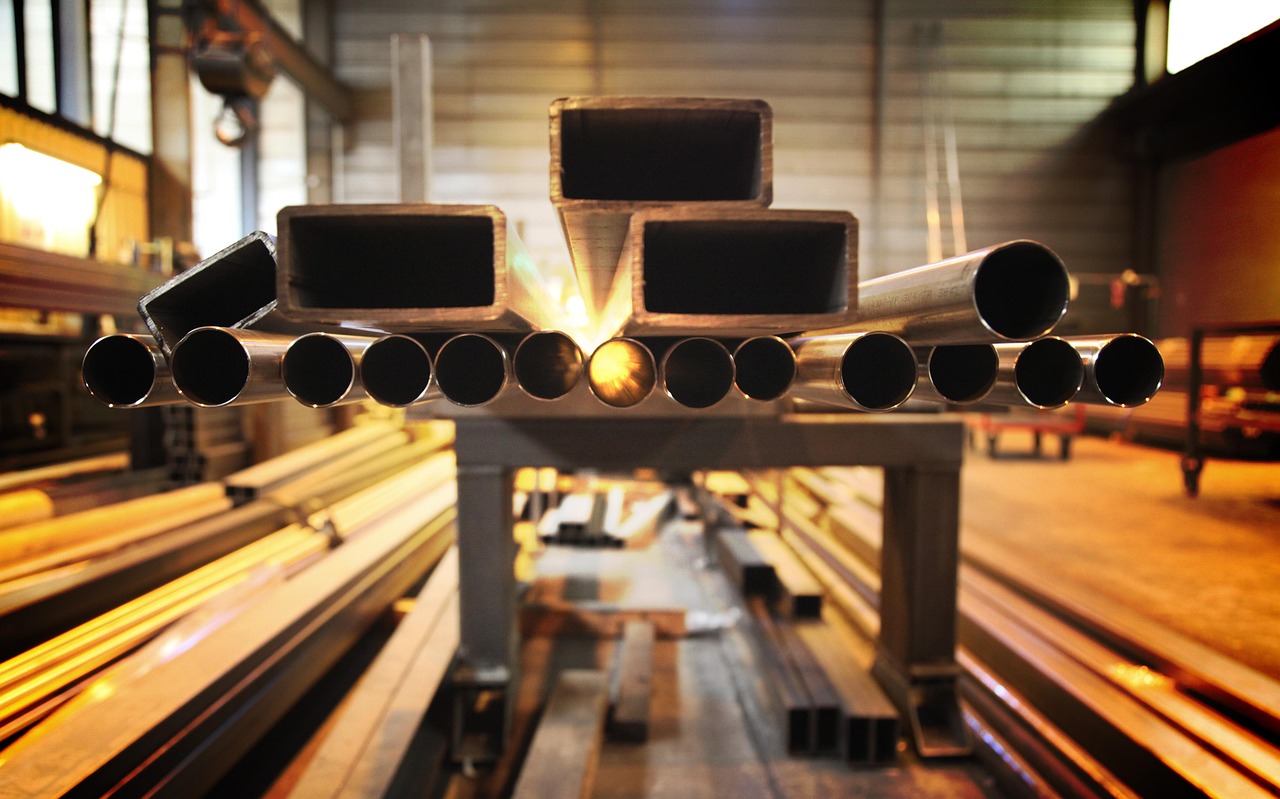
To prevent these structural and safety hazards, national fuel gas codes (such as NFPA 54 / ANSI Z223.1) strictly regulate chimney retrofits. An appropriately sized flexible aluminum or corrugated stainless steel liner must be dropped down the existing chimney flue. This liner creates a continuous, sealed, insulated pathway that retains exhaust heat, accelerates draft velocity, and isolates corrosive moisture from the brickwork.
Evaluating Sidewall Power Venting Alternatives
In some residential configurations, running a metal liner up an old chimney is either structurally impractical, excessively expensive due to chimney offsets, or impossible due to structural damage. In these scenarios, installers frequently turn to sidewall power venting or direct-vent PVC systems.
A power vent or direct-vent setup uses a mechanical draft fan to actively push exhaust gases horizontally out through a side wall of the home via rigid PVC, CPVC, or polypropylene piping. This approach bypasses the traditional vertical masonry chimney entirely, allowing the chimney to be sealed off or repurposed.
Single-Pipe Power Vent vs. Two-Pipe Direct Vent
When selecting a sidewall venting strategy for a high-efficiency (90%+ AFUE) condensing gas furnace, homeowners should understand the distinction between single-pipe power venting and two-pipe direct-vent configurations:
- Single-Pipe Venting: Draws air for combustion directly from the surrounding indoor basement or utility room air, while blowing exhaust out through a single plastic pipe to the exterior. While easier to install, this consumes conditioned indoor air and can create negative pressure in tight basements.
- Two-Pipe Direct Venting: Uses two dedicated plastic pipes routed to the exterior wall. One pipe brings fresh outdoor combustion air straight to the furnace burner box, while the second pipe carries exhaust gases outside. This sealed-combustion design protects indoor air quality, improves overall system efficiency, and prevents backdrafting issues.
Side Wall Termination Clearances
Because sidewall exhaust exits at ground level or lower-story heights, local building codes mandate strict clearance requirements for the termination hoods on the exterior wall:
- Must be positioned at least 12 inches above expected ground snow level.
- Must maintain a minimum distance (typically 3 to 4 feet) from operable windows, doors, and building air intakes.
- Must stay clear of public walkways, decks, gas meter regulators, and inside corners of exterior walls where exhaust gases could pool.
The Orphaned Water Heater Dilemma
A common hurdle during oil-to-gas conversions occurs when an old oil furnace and an oil or gas water heater share a single chimney flue. When the old furnace is removed and replaced with a high-efficiency gas furnace that vents through a sidewall PVC pipe, the water heater is left venting alone into the large, original masonry chimney flue.
This situation creates what HVAC professionals call an orphaned water heater. Because the water heater’s burner is relatively small (typically 30,000 to 40,000 BTUs) compared to the massive thermal mass of the chimney flue, its exhaust does not generate enough heat to establish an effective upward draft on its own. The cooler exhaust gases fail to rise, lingering in the flue until they condense into acidic liquid, or worse, spill backward out of the draft hood and enter the basement living space as odorless carbon monoxide.
To remedy an orphaned water heater during an oil-to-gas conversion, several compliance pathways exist:
- Install a Chimney Liner: A dedicated, properly sized aluminum liner can be dropped down the masonry chimney solely to serve the remaining atmospheric water heater, ensuring it drafts safely.
- Convert the Water Heater to Direct Vent: Upgrade the water heater to a modern power-vent or direct-vent model that vents through its own dedicated sidewall PVC pipe, allowing you to abandon the chimney entirely.
- Electric Water Heater Transition: Replace the combustion water heater with a highly efficient hybrid heat pump electric water heater, removing venting requirements completely.
Electrical Requirements and Draft Inducer Overhead
Older gravity-fed or early forced-air oil systems operated with relatively primitive electrical requirements. Many of these older burners relied on basic 120-volt lines without dedicated grounding, or were tied into shared household lighting circuits. Modern gas furnaces are highly engineered appliances featuring electronic ignition boards, variable-speed blower motors, and mechanical draft inducer fans.
To ensure system safety and reliable operation, a conversion requires dedicated electrical upgrades:
- Dedicated 15-Amp Circuit: Most local electrical codes require the new gas furnace to be served by its own dedicated 120-volt, 15-amp branch circuit, running straight to the main service panel with a modern grounded conductor (neutral and ground).
- Service Disconnect Switch: An electrical shutoff switch must be mounted directly on or within arm’s reach of the furnace cabinet. This allows technicians to completely cut power to the unit safely during routine maintenance.
- Draft Inducer Electrical Overhead: High-efficiency gas units utilize small motorized fans (draft inducers) to force exhaust through the venting system. Homeowners with frequent power outages should note that modern gas furnaces cannot operate during a blackout without a backup generator, whereas some old gravity systems could theoretically circulate warm air without electricity.
Ductwork Compatibility, Airflow Mechanics, and Static Pressure
Converting from an older heating system involves more than just fuel; it changes how air moves through your home. This is especially true if you are transitioning from an old gravity-fed oil furnace—often called an “octopus” furnace due to its massive, uninsulated round ducts spreading throughout the basement.
Gravity systems relied on the simple physical principle that hot air naturally rises and cold air falls. Consequently, they did not utilize motorized blowers. When you install a modern forced-air gas furnace, you introduce a high-performance blower motor designed to push air through a sealed, pressurized system. Attempting to connect a new high-static blower to old, unsealed, or oversized gravity ductwork can cause significant operational issues:
- Static Pressure Imbalances: Modern furnace blowers require specific resistance (static pressure) to function efficiently. If ducts are too wide, the air velocity drops, preventing heat from reaching upper floors. If they are too narrow, the motor works too hard, overheats, and wears out prematurely.
- Duct Sealing Requirements: Older duct joints were rarely sealed. Under positive pressure from a modern blower, these joints will leak significant amounts of conditioned air into unconditioned basement spaces, severely lowering the overall system efficiency.
- Return Air Balance: Gravity systems often had inadequate return air ducts, relying on a single large central grate in the floor. A modern forced-air system requires distributed return paths to balance room pressures and ensure uniform heating throughout the home.
Comparing Equipment Lifespan, Fuel Costs, and Efficiency Trade-Offs
Evaluating an oil-to-gas heating conversion cost requires a long-term look at structural lifespan, maintenance profiles, and energy delivery efficiencies. While the initial capital expenditure of a conversion can be substantial, the operational characteristics diverge significantly over time.
| Feature | Oil-Fired Furnace | Modern Gas Furnace (Condensing) |
|---|---|---|
| Average Lifespan | 20 to 30 years | 15 to 20 years |
| Combustion Efficiency (AFUE) | 80% to 87% | 90% to 98% |
| Annual Maintenance Requirement | High (soot cleaning, nozzle replacement, filter changes) | Moderate (annual safety inspection, simple filter swap) |
| Venting Architecture | Masonry chimney (hot exhaust) | PVC sidewall or lined chimney (cool exhaust) |
| Primary Heat Exchanger Wear | Thick steel, resistant to sulfur corrosion | Aluminized steel or stainless steel, sensitive to condensate acidity |
While oil-fired heat exchangers are structurally robust and can easily outlast modern gas equivalents, they lose ground rapidly on efficiency. Standard oil furnaces lose 13% to 20% of their heat straight up the chimney. By contrast, a high-efficiency condensing gas furnace converts up to 98% of the fuel’s energy directly into usable household heat, dropping operating costs and carbon footprints dramatically.
Step-by-Step Conversion Checklist for Homeowners
If you are planning an oil-to-gas conversion, navigating the project in a structured sequence helps avoid costly delays, coordination failures, and code non-compliance.
- Contact the Gas Utility: Verify gas main availability on your street and request the installation of a street-to-house service line and exterior meter.
- Perform a Load Calculation: Ensure your contractor performs an ACCA Manual J calculation to size the new gas furnace accurately based on your home’s envelope, rather than simply matching the BTU rating of the old oil system.
- Assess Venting Pathways: Decide whether to drop an aluminum/stainless liner down the existing masonry chimney or run dedicated PVC piping through a basement rim joist.
- Address the Water Heater: If your current water heater is orphaned, plan for a new liner, direct-vent upgrade, or a hybrid heat pump water heater.
- Decommission the Oil Tank: Hire a certified environmental contractor to clean, remove, and document the disposal of your aboveground or underground oil storage tank.
- Install Fuel Piping and Electrical Lines: Run internal gas plumbing, conduct mandatory municipal pressure tests, and run a dedicated 120V circuit to the furnace location.
- Mount and Commission the Furnace: Complete ductwork transitions, seal joints, connect venting lines, and perform start-up combustion analysis to ensure clean, safe operation.
Frequently Asked Questions
Can I reuse my existing oil burner chimney for a high-efficiency gas furnace without a liner?
No. Standard high-efficiency (90%+ AFUE) gas furnaces cannot vent directly into an unlined masonry chimney. The cooler, moisture-laden exhaust will condense on the cold interior brickwork, forming corrosive acids that rapidly destroy mortar joints and chimney structure. You must install an appropriately sized metallic liner or utilize sidewall PVC power venting.
What is the difference between a chimney liner and sidewall power venting?
A chimney liner is a flexible metal conduit (usually aluminum or stainless steel) installed inside your existing vertical chimney to channel exhaust safely out the roof. Sidewall power venting uses an internal motorized fan to push exhaust gases horizontally out of a basement or utility room wall via PVC or polypropylene pipes, bypassing the chimney entirely.
Is propane conversion the same as natural gas conversion?
Propane requires similar equipment to natural gas, and most modern gas furnaces can be converted to propane using a manufacturer-approved orifice and regulator kit. However, propane requires an on-site storage tank (either aboveground or buried) rather than a utility gas line, and fuel delivery logistics resemble those of heating oil.
Conclusion
Converting an older oil furnace to a modern natural gas system is a highly rewarding home improvement that yields quieter operation, improved indoor air quality, and lower maintenance headaches. However, it is not a simple drop-in replacement. By carefully planning for gas line sizing, chimney updates, oil tank decommissioning, and venting modifications, you can protect your property’s value, ensure local code compliance, and enjoy reliable, efficient warmth for decades to come.