When navigating a refurbished commercial sewing machine warranty risk US purchase, home entrepreneurs must carefully weigh cost savings against mechanical wear and fine-print coverage. Scaling a home-based apparel, upholstery, or custom embroidery business requires speed, stitch precision, and continuous operational uptime. While domestic craft machines stall when pushed through heavy canvas, leather, or continuous multi-hour production runs, brand-new industrial equipment demands a hefty capital investment. For many small business owners, purchasing certified pre-owned embroidery machines and refurbished industrial sewing heads represents the ideal middle ground: commercial-grade durability at 30 to 50 percent off original retail pricing.
However, buying heavy machinery online introduces operational challenges that domestic craft buyers rarely encounter. Industrial sewing machines and multi-needle embroidery heads weigh anywhere from 80 to over 300 pounds, ship on freight pallets, and contain complex mechanical linkages subject to gradual wear. Evaluating a prospective machine requires analyzing stitch-count wear limits, reading specialty dealer fine print, verifying spare parts availability, and understanding shipping logistics before handing over your credit card or placing a deposit.
Commercial vs. Domestic Refurbished Equipment: Defining the Standards
To evaluate refurbished commercial gear accurately, you must first understand how industrial equipment differs from high-end domestic or heavy-duty consumer machines. Domestic sewing machines use lightweight cast-aluminum or plastic chassis designed for periodic hobby use. Commercial machines feature solid iron frames, high-speed rotary hooks, centralized oiling systems, and external motors designed to run continuously at 3,000 to 5,000 stitches per minute for years on end.
When domestic sewing machines are sold as refurbished, the process usually involves clearing a minor thread jam, recalibrating upper tension, updating firmware, and repacking the unit in a consumer box. Commercial refurbishing is a far more intensive mechanical restoration that directly impacts long-term operational costs.
- Mechanical Wear Restorations: True commercial refurbishing involves tearing down high-wear assemblies, replacing bronze bushings, setting timing tolerances down to fractions of a millimeter, and renewing feed dog linkages.
- Motor Upgrades: Older commercial heads often arrive paired with loud, high-draw clutch motors. Top-tier refurbishers strip away legacy clutch units and install adjustable brushless DC servo motors suited for residential electrical circuits.
- Pneumatic and Electronic Systems: Multi-needle embroidery heads and automated thread trimmers rely on solenoids, optical encoders, and pneumatic valves that must be stress-tested under continuous load prior to resale.
Without standardized industry definitions, the phrase “refurbished” can mean anything from a complete factory overhaul down to a quick surface cleaning by an auction liquidator. Dissecting the specific mechanical condition of the head is your first line of defense against unexpected workshop downtime.
Stitch Counts and Mechanical Wear Limits: The Mileage of Industrial Sewing
Just as an automobile’s mileage reveals more about its remaining lifespan than its model year, a commercial sewing or embroidery machine’s stitch count provides vital insight into mechanical wear. Commercial embroidery units track total lifetime stitches within their internal diagnostic firmware, while mechanical industrial sewing heads require manual physical inspection to measure mechanical tolerances.
Understanding how stitch counts translate to mechanical wear helps you evaluate whether a listing price reflects true remaining utility:
| Equipment Category | Low Wear (Prime Condition) | Moderate Wear (Fully Serviceable) | High Wear (Requires Overhaul) |
|---|---|---|---|
| Single-Needle Industrial Lockstitch | Under 5 Million Stitches | 5 Million to 25 Million Stitches | Over 30 Million Stitches |
| Multi-Needle Commercial Embroidery (4-16 Needle) | Under 10 Million Stitches | 10 Million to 40 Million Stitches | Over 50 Million Stitches |
| Heavy-Duty Walking-Foot / Compound Feed | Under 2 Million Stitches | 2 Million to 10 Million Stitches | Over 15 Million Stitches |
When shopping for industrial equipment, always request a printout or screen capture of the machine’s internal diagnostic counter. If a seller claims a multi-needle embroidery machine was “only used occasionally in a home studio” but the firmware reports 60 million stitches, the machine operated in a high-volume commercial production shop and should be priced accordingly.
Physical Signs of High-Wear Industrial Heads
When reviewing mechanical lockstitch, walking-foot, or serger units where electronic counters are absent, examine physical friction surfaces in high-resolution photographs or video tours:
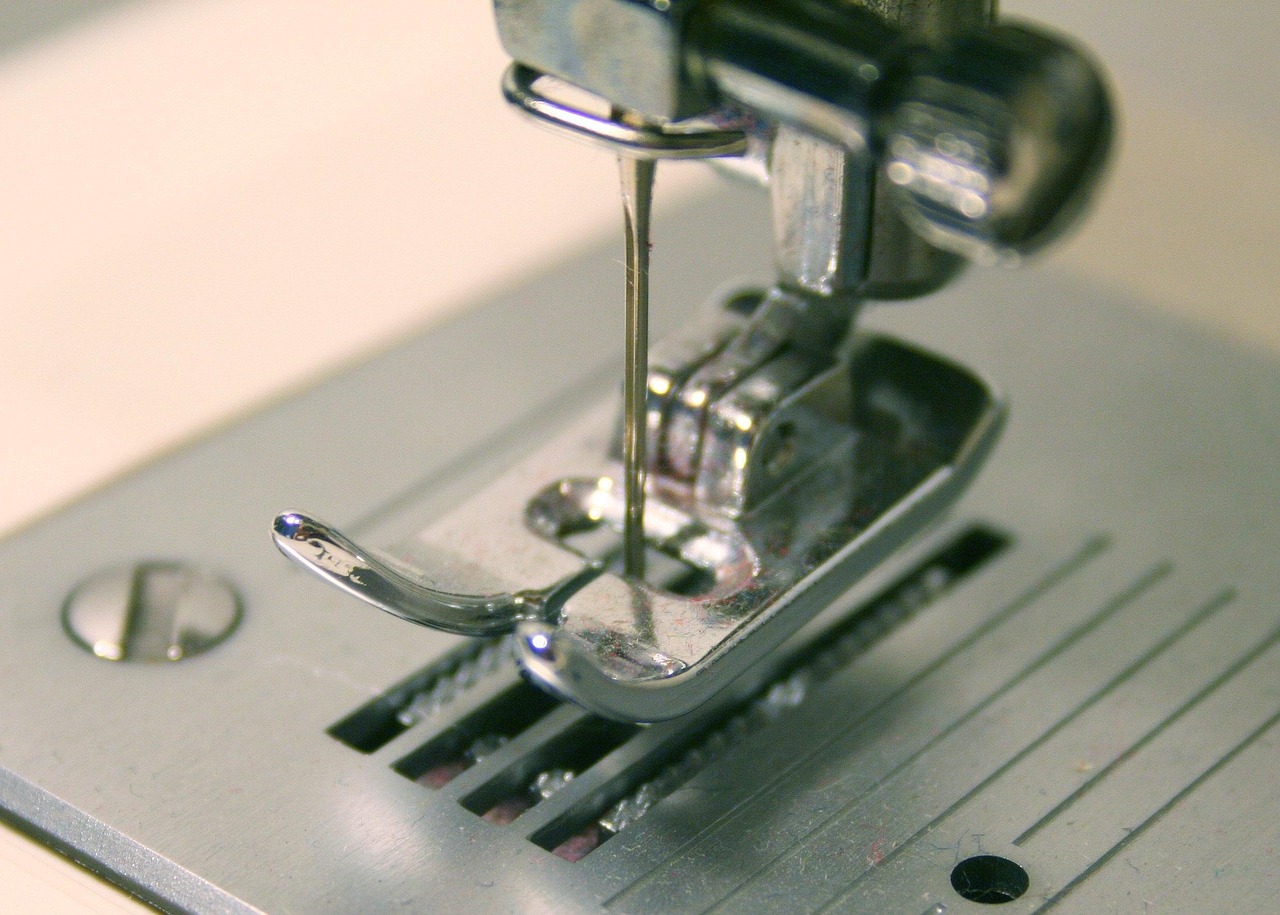
Rotary Hook and Bobbin Basket Play: The rotary hook rotates thousands of times per minute. Excessive side-to-side play in the hook assembly indicates worn gears or worn hook point bushings, which causes skipped stitches and thread shredding under load.
Needle Bar Deflection: Grab the needle bar at its lowest position and push gently side-to-side. Any noticeable wiggle indicates worn needle bar bushings in the cast housing—a repair that often costs more in shop labor than the machine head is worth.
Feed Dog and Needle Plate Gouging: Grooves cut into the steel needle plate or feed teeth ground flat signal millions of cycles through heavy abrasive materials like stiff canvas, denim, or heavy synthetic webbing.
Decoding Dealer Warranties: Factory Refurbished vs. Independent Dealer Guarantees
Understanding who backs the warranty is a critical step when mitigating refurbished commercial sewing machine warranty risk US liabilities. Warranties fall into three distinct categories, each carrying different levels of financial exposure for home-based business operators.
1. Factory-Certified Refurbished (Manufacturer Backed)
Factory-certified units are restored directly by major manufacturers (such as Janome, Brother, Juki, or Baby Lock) or their designated regional service centers. These units usually carry a 1-year limited factory warranty covering both parts and labor. The factory replaces worn assemblies with genuine OEM (Original Equipment Manufacturer) components, and the machine ships in original reinforced packaging with all factory accessories.
2. Independent Specialty Dealer Refurbished
Independent sewing machine dealers acquire traded-in commercial units, off-lease production equipment, or liquidations. The quality of independent dealer refurbishing varies widely based on technician skill. Dealer warranties typically range from 30 days to 1 year, but they are serviced directly by that single dealer. If you purchase from a dealer located across the country, you may be responsible for paying round-trip freight shipping if the machine requires physical warranty service.
3. As-Is Liquidations and Third-Party Marketplaces
Units sold on general auction sites, surplus outlets, or bankruptcy liquidations are almost universally sold “as-is, where-is.” While these prices appear tempting—often 60 to 70 percent below retail—they carry 100 percent of the operational risk. A single missing main drive board on a multi-needle embroidery unit can instantly erase your savings and leave you with non-functional hardware.
Fine-Print Warranty Analysis: Hidden Exclusions to Watch For
Commercial machinery warranties differ significantly from residential consumer protection policies. Under US commercial law, consumer protection statutes like the Magnuson-Moss Warranty Act generally do not apply to equipment purchased or classified for commercial or business use. Therefore, the written contract provided by the dealer dictates all legal rights.
Before placing a deposit or completing an online purchase, inspect the warranty agreement for these common structural risk factors:
Freight Exclusions on Warranty Service
This is the single largest hidden cost facing home businesses buying heavy equipment online. Industrial machines weighed and strapped to a wooden shipping pallet must ship via LTL (Less-Than-Truckload) freight carriers. Shipping an 80-pound walking-foot head or a 200-pound multi-needle embroidery unit back to a dealer for service can cost between $250 and $600 each way.
If a dealer warranty covers parts and labor but excludes freight, a minor $30 warranty sensor replacement could cost you $600 in round-trip shipping fees. Always seek dealers who provide phone diagnostic support and ship replacement parts directly to you for local installation under the warranty umbrella.
Parts Coverage vs. Electronics Exclusion Clauses
Read the fine print regarding circuit boards, power supplies, touchscreens, and main drive motors. Many dealer warranties cover mechanical steel components (gears, shafts, housings) for 1 year, but limit electronic coverage to 30 or 90 days. Modern commercial embroidery systems rely heavily on complex control boards that are susceptible to power surges and thermal stress; ensure electronic components share the same warranty period as mechanical parts.
Wear-Item Exclusions
Standard consumable items are universally excluded from commercial warranties. Expect to cover the cost of needles, loopers, bobbin cases, rotary hooks, needle plates, drive belts, and LED bulb assemblies yourself. However, ensure that major internal gear trains, main shafts, step motors, and frame castings are explicitly protected against failure during the covered timeframe.
Multi-Needle Embroidery Machines: Unique Wear Points and Certified Pre-Owned Deals
Multi-needle embroidery machines (ranging from 4 to 16 needles) represent one of the most profitable upgrades for a home custom-apparel business. Moving from a single-needle flatbed unit to a multi-needle tubular machine lets you embroider structured caps, jacket backs, and duffel bags with automatic color changes at speeds exceeding 1,000 stitches per minute.
However, multi-needle machines contain complex mechanical assemblies. When evaluating certified pre-owned embroidery machine deals, focus your mechanical audit on three high-stress components:
1. The Needle Driver and Reciprocator Assembly
In a multi-needle system, a single motor drives a reciprocating assembly that engages individual needle bars as the head shifts left and right. The plastic or composite drive blocks within the reciprocator wear out over millions of cycles. If the machine skips stitches on specific needle channels while stitching fine on others, the needle block or individual channel tracks are worn.
2. Automatic Thread Trimmer Mechanism
Industrial embroidery efficiency depends on clean, automatic under-bed trimming. The movable knife, fixed knife, and picker assembly operate beneath the needle plate inside a tight, lint-heavy workspace. Ask the refurbishing dealer if the trimming knives were replaced during servicing or merely re-sharpened. Fresh trim knives prevent missed trims that require manual thread clipping on every garment finished.
3. Color-Change Cam and Optical Encoders
Multi-needle heads rely on precise physical indexing to switch active needle channels. Worn color-change gears or dirty optical sensors cause “color change errors” that halt machine operation mid-design. A reliable certified pre-owned refurbisher will have recalibrated these sensors and lubricated the color-change spiral cam shaft.
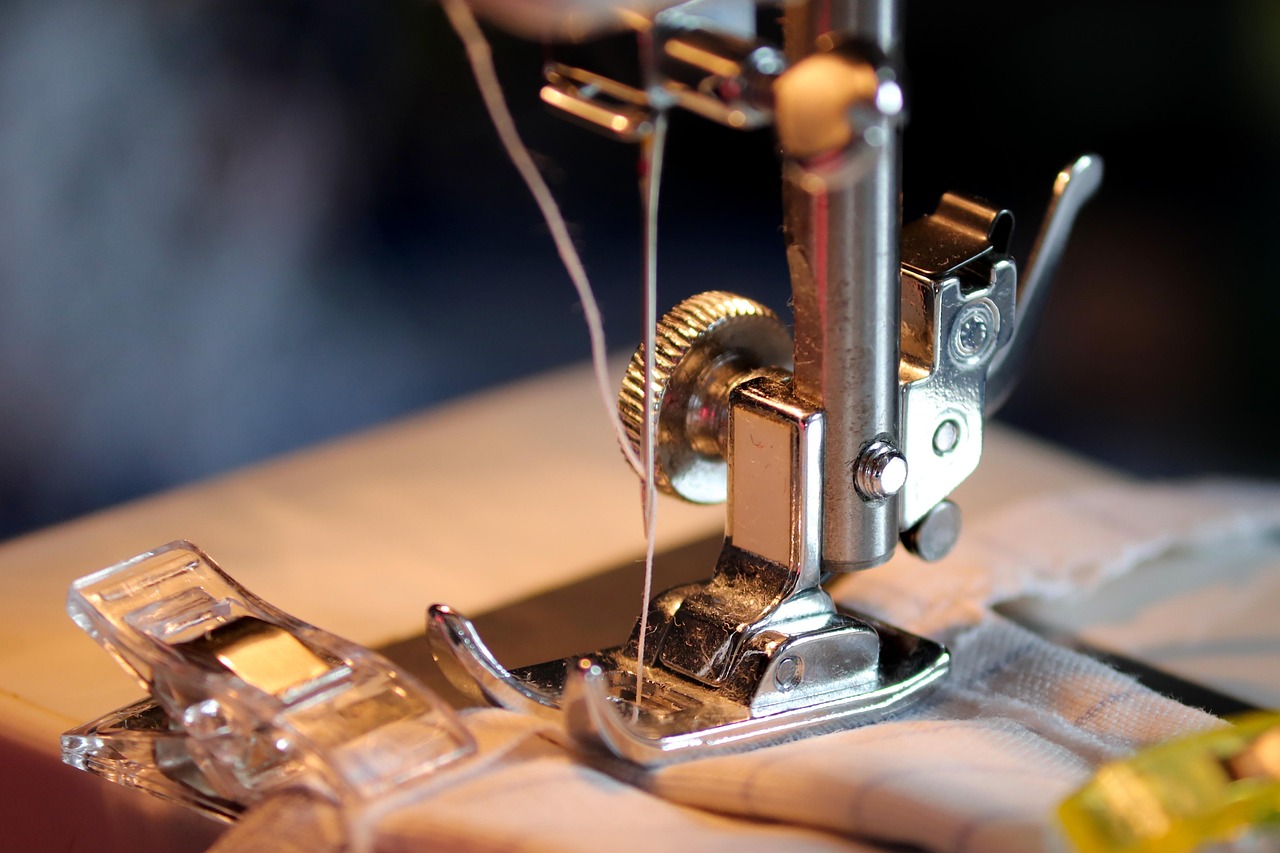
Parts Availability and Servo Motor Upgrades: Ensuring Long-Term Serviceability
A refurbished commercial sewing head is only as useful as your ability to source replacement parts when maintenance issues arise. Before finalizing a purchase on an older or discontinued commercial model, conduct a simple parts availability check using the machine’s exact model number.
The Universal vs. Proprietary Parts Divide
Industrial sewing machines fall into two main categories regarding spare parts supply:
Standardized Japanese/Taiwanese Architectures: Classical industrial straight-stitch lockstitch machines, compound-feed walking foot units, and standard 3/4-thread sergers often share standardized mechanical designs (such as legacy Singer, Juki, or Brother style frames). Aftermarket parts, presser feet, binders, rotary hooks, and replacement bobbin cases for these standardized models are widely available, inexpensive, and stocked by dozens of US sewing supply houses.
Proprietary Commercial Systems: Highly automated embroidery machines, specialized computerized bar-tackers, and proprietary European walking-foot machines often require OEM parts sourced through exclusive distributor networks. If a refurbished machine model has been out of production for over 15 years, replacement circuit boards or specialized drive gears may no longer be manufactured, forcing you to seek custom electronic repairs or search for scavenged parts online.
Upgrading Legacy Clutch Motors to Modern Brushless Servo Motors
If you purchase a high-quality older commercial head (such as a vintage Juki or Consew walking-foot machine) that includes its original table and motor, verify whether the motor is an old clutch motor or a modern brushless DC servo motor.
Legacy industrial clutch motors run continuously at full speed whenever the power switch is flipped, producing a constant hum, generating heat, and drawing heavy electrical power. Controlling sewing speed requires feathering a mechanical clutch pedal—a skill that requires practice to master control on detailed topstitching.
Replacing an older clutch motor with a modern digital brushless servo motor costs between $150 and $250 in parts and takes roughly one hour to install on standard industrial table mounts. Servo motors offer distinct advantages for home-based operations:
- Silent Idle Operation: The motor draws zero power and makes no noise until your foot depresses the treadle pedal.
- Adjustable Speed Control: Digital speed dials allow you to cap maximum stitching speed down to stitch-by-stitch precision—ideal for delicate leatherwork or complex garment construction.
- Positioner Compatibility: Many modern servo motors support an external needle positioner (synchronizer) chip, allowing you to set the machine to automatically stop with the needle down in the fabric or up at its highest point.
- Reduced Household Power Draw: Brushless servo motors consume up to 70 percent less electrical power than equivalent legacy clutch motors, making them safe for standard 15-amp residential branch circuits.
Freight, Pallet Shipping, and Setup Realities for Home Businesses
One of the most overlooked aspects of purchasing refurbished commercial equipment online is managing delivery logistics. Commercial equipment rarely arrives via standard parcel delivery services; it arrives packed on heavy wooden pallets via LTL freight trucks.
Preparing for commercial freight delivery at a residential address requires planning to avoid costly transport surprises and mitigate refurbished commercial sewing machine warranty risk US issues caused by shipping damage:
Liftgate Delivery Service
Standard freight trailers sit 48 inches above ground level at commercial loading docks. Unless your home workshop has a dedicated commercial loading dock or forklift, you must verify that your seller includes residential liftgate delivery in the freight quote. The freight driver uses a hydraulic liftgate on the rear of the truck to lower the pallet to street or driveway level.
Curbside Delivery Restrictions
Freight drivers are only contractually obligated to lower the pallet off the truck onto the curb or end of your driveway. Drivers will not maneuver a 250-pound crate up a sloped gravel driveway, carry equipment up stairs, or wheel machinery inside your home or garage workshop. You must have adequate helpers, a heavy-duty pallet jack or furniture dollies, and ramps prepared to move equipment inside safely.
Unpacking and Shipping Damage Inspection
Freight damage is one of the quickest ways to stall a home business setup. Before signing the bill of lading (BOL) provided by the freight driver, perform a complete visual inspection of the delivery crate and wrapping:
- Inspect the outer cardboard, plastic stretch wrap, and wooden frame for puncture marks, severe crushed corners, or snapped shipping straps.
- If you spot any visual damage to the packaging, write “EXPLICIT PACKAGING DAMAGE – SUBJECT TO INTERNAL INSPECTION” directly on the delivery receipt before signing.
- Take clear, high-resolution photographs of all four sides of the pallet on the truck before the driver leaves your property.
- Unpack the machine head immediately within 24 hours to test all electronic cast housings and mechanical shafts. Hidden freight damage claims must be filed immediately with the transport line to secure insurance payouts.
The 10-Point Delivery Diagnostic Checklist: What to Test During the Returns Window
Most reputable online commercial machine dealers provide a 14-to-30-day return or exchange window. Once your machine is positioned, wired, and lubricated, perform this 10-point mechanical evaluation to identify potential hidden wear or calibration issues before your return privilege expires.
1. Complete System Oil Flow Verification
Commercial industrial lockstitches utilize centralized pump oiling systems (impeller pumps) that force lubricating fluid through brass lines to upper needle linkages and lower hook gears. Check the clear oil sight-window on the top cover while running the machine at medium speed. You should see oil actively splashing against the sight glass. If no oil splashes, the pump screen is clogged, or oil passages are dry—risking total engine lockup.
2. High-Speed Stitch Quality and Tension Test
Thread the machine with standard high-grade polyester thread (such as Tex 40 or 70) and stitch across multiple material weights. Check the underside of the fabric for thread loopings, skipped stitches, or unbalanced bobbin tension. The lockstitch knot should pull neatly into the center of the fabric layers.
3. Maximum Material Clearance and Presser Foot Height
Raise the presser foot using the knee-lifter lever or pneumatic lift button. Measure the total clearance beneath the presser foot against factory specifications. On heavy-duty walking foot models, verify that both inner and outer presser feet step evenly over thick seams without binding.
4. Bobbin Winder Engagement and Tension
Test the auto-stop bobbin winder mechanism mounted on the table top or machine head. Verify that the bobbin fills evenly across the spool width without piling up at the top or bottom edges, which signals a misaligned thread guide.
5. Reverse Feed Stitch Length Matching
Set the stitch length lever to 4mm and sew a straight line. Depress the backtack (reverse) lever completely and stitch backward along the same path. The needle should enter the exact same holes on the return pass. Mismatched reverse stitch lengths indicate worn reverse feed rockers or damaged feed dog drive linkages.
6. Multi-Needle Thread Tension and Break Sensor Check
On multi-needle embroidery equipment, stitch out a standard color-block test pattern utilizing every active needle channel. Verify that thread break sensors trigger properly when thread tension is intentionally dropped, and ensure optical rotary sensors aren’t throwing false break alarms.
7. Automatic Thread Trimmer Clearance and Cut Quality
Run 20 consecutive trim cycles using synthetic thread. Inspect the tail lengths left in the needle eye and beneath the needle plate. Trimmers that shred thread edges or leave long, unraveling tails require knife height adjustment or blade replacement.
8. Motor Torque Control at Slow Speeds
Set the servo motor or control box to its lowest operating speed (e.g., 200–300 RPM). Place a thick, multi-layer seam under the presser foot and turn the foot treadle slowly. The motor should maintain high piercing torque without stalling, shuddering, or requiring manual assist on the handwheel.
9. Thermal and Electrical Run Test
Run the machine under moderate load continuously for 30 minutes. Shut down power and safely feel the main drive motor housing, control box, and power transformers. While components naturally get warm, scalding hot electrical enclosures or a burning insulation smell signal failing capacitor banks or overloaded internal transformers.
10. Cast Housing and Frame Inspection
Examine the main cast iron or aluminum structural housing around the main needle bar housing, presser bar column, and lower mounting tabs under bright directional lighting. Ensure there are no hairline stress fractures in the metal cast caused by heavy drops or freight impacts during original transit.
Buying Framework: Evaluating Refurbished vs. New Commercial Machinery
To help guide your purchase decision, compare how buying a refurbished unit balances against other common machinery sourcing options for small workshops:
| Sourcing Option | Capital Outlay | Operational Risk | Warranty Protection | Best Suited For |
|---|---|---|---|---|
| Brand New Industrial Unit | High ($2,500 – $15,000+) | Very Low | Full Factory Coverage (1–5 Years) | Established shops running double-shift production requirements |
| Certified Pre-Owned (Authorized Dealer) | Moderate ($1,200 – $8,000) | Low to Moderate | Dealer/Factory Limited (90 Days – 1 Year) | Growing home businesses expanding capacity on budget |
| Refurbished Head (Online Liquidator) | Low to Moderate ($600 – $4,000) | Moderate to High | Short Term or Restricted Parts Only | Experienced operators skilled in self-servicing equipment |
| Used As-Is (Private Marketplace / Auction) | Very Low ($300 – $2,500) | High | None (“As-Is, Where-Is”) | Mechanically inclined crafters buying secondary backup machines |
Structuring a Risk-Mitigated Purchase Strategy
Purchasing a refurbished commercial sewing or multi-needle embroidery machine is one of the fastest ways to expand a home apparel or custom craft business without overextending your capital. By prioritizing physical wear over cosmetic appearance, demanding documented diagnostic stitch counts, reading dealer warranty fine print, and preparing for freight delivery logistics, home-based business owners can successfully navigate refurbished commercial sewing machine warranty risk US challenges.
Always choose dealers with proven commercial track records, insist on remote diagnostic or video technical support, and maintain an accurate service log from the day your equipment arrives. Proper upfront evaluation ensures your commercial sewing setup remains a profitable asset rather than an unexpected repair headache.