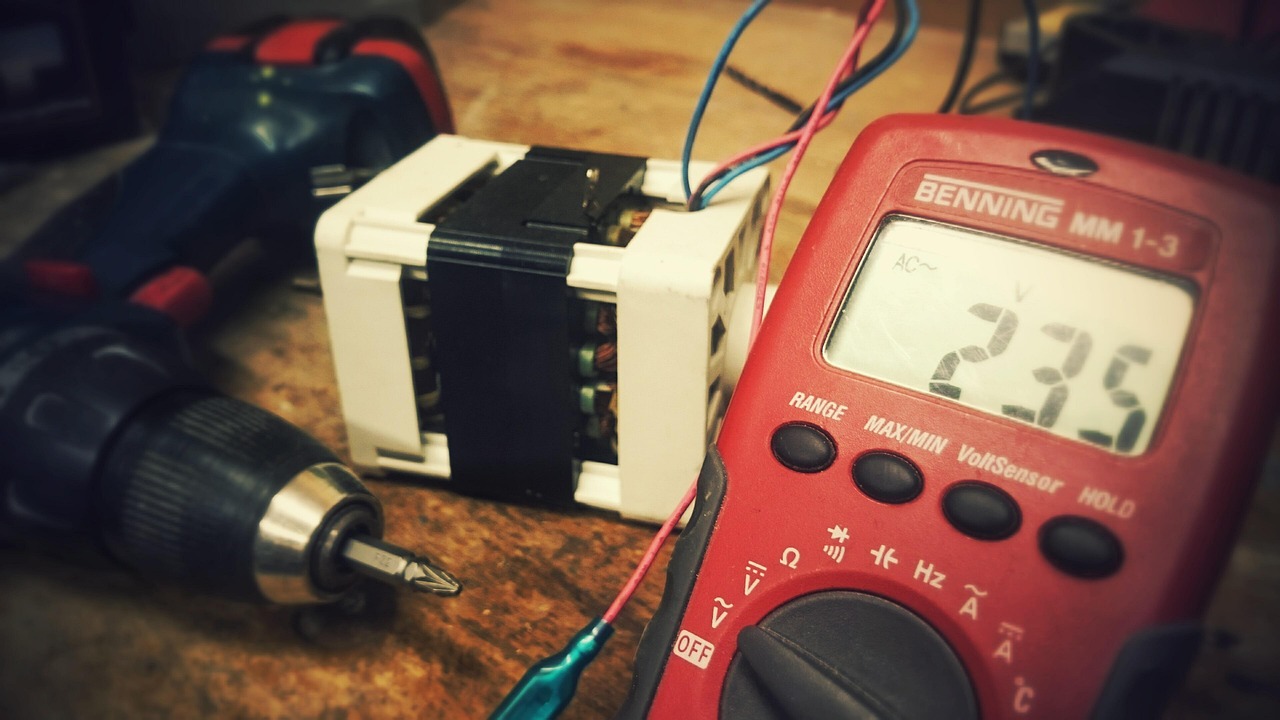
When you are troubleshooting household wiring, checking appliance draw, or diagnosing automotive electrical glitches, a dependable digital multimeter is your most critical diagnostic asset. Yet, outfitting a home toolkit with top-tier measurement instruments from trusted brands like Fluke, Klein, or Greenlee can quickly strain a DIY budget. This financial hurdle drives many handy homeowners toward pre-owned equipment. Following a thorough refurbished digital multimeter buyer guide helps you navigate the secondary market safely, ensuring that a bargain price does not come at the expense of your personal safety or measurement accuracy.
Unlike consumer electronics such as smartphones or laptops, where a refurbished device simply needs to hold a charge and run apps, a digital multimeter is a safety-critical measurement tool. It stands directly between you and hazardous electrical energies capable of producing dangerous arc flashes. Therefore, evaluating a renewed or factory-certified meter requires examining several technical factors that go far beyond superficial scratches on the plastic housing. You must verify CAT safety ratings, understand the implications of calibration drift, scrutinize warranty terms, and know exactly what questions to ask before clicking the checkout button.
Furthermore, the secondary market for test and measurement equipment spans a wide spectrum. You will encounter everything from manufacturer-certified refurbished tools that look and perform like new units straight off the assembly line to completely untested yard-sale finds sold strictly on an “as-is” basis. Navigating this marketplace successfully means adopting the mindset of a professional technician who refuses to compromise on verification, safety margins, and component integrity. By taking a methodical approach to your purchase, you can secure high-end diagnostic capabilities at a fraction of their retail cost without exposing yourself to hidden electrical hazards.
Understanding Factory-Certified Versus Third-Party Refurbished
The term “refurbished” can mean several different things depending on who performed the work and what standards they followed. In the test and measurement industry, understanding this distinction is your first line of defense against substandard gear.
Factory-certified refurbished multimeters are returned units inspected, repaired, calibrated, and repackaged by the original equipment manufacturer (OEM) or an authorized service center. These devices typically undergo rigorous diagnostic testing to ensure they meet the exact electrical and mechanical performance standards of a brand-new unit. They usually include fresh manufacturer-backed warranties, updated firmware where applicable, and sometimes even fresh test leads and user manuals. Buying factory-certified gear gives you peace of mind because the entity that engineered the meter in the first place has signed off on its continued safety and precision.
Conversely, third-party refurbished or seller-refurbished tools are handled by independent liquidators, pawn shops, or auction houses. While some third-party sellers employ skilled technicians who thoroughly test every device, others merely wipe down the plastic casing, insert a fresh nine-volt battery, and verify that the screen turns on. They lack access to proprietary OEM calibration software, specialized test fixtures, and OEM replacement parts. For a basic household continuity tester used to check lamp cords, a third-party refurb might suffice; for high-energy electrical troubleshooting inside a main breaker panel, buying unverified third-party gear introduces completely unnecessary risk.
When evaluating listings from third-party vendors, look closely at their description of the refurbishment process. Do they explicitly state that the meter was tested with calibrated reference standards? Do they offer a meaningful return policy if the meter fails an independent bench check? If the seller cannot answer these questions or provides vague assurances, it is generally wiser to pass on the deal or stick exclusively to factory-certified channels.
Decoding CAT Safety Ratings on Used Meters
The most critical aspect of any digital multimeter is its Overvoltage Category rating, universally known as CAT ratings. These ratings—ranging from CAT I for low-voltage electronics up to CAT IV for utility service entrances—dictate how much transient voltage a meter can safely withstand without failing catastrophically and injuring the user.
When purchasing a pre-owned meter, you must inspect the physical casing and rating labels to ensure the CAT rating matches your intended application. Over time, heavy use or exposure to harsh environments can degrade the insulating properties of a multimeter’s internal components. A meter rated for CAT III 600V must maintain strict physical separation between internal traces and provide adequate high-energy ceramic fuses to protect against massive fault currents. If a previous owner dropped the meter onto concrete, micro-fractures might have formed in the plastic casing or internal circuit boards, silently compromising its ability to isolate high voltages.
Inspect the safety notices printed around the input jacks. If a used meter has worn away its rating labels, faded its safety text, or suffered a cracked outer shell near the terminal ports, it should be retired immediately. Never compromise on CAT ratings to save a few dollars. If you plan to test main service panels, heavy-duty 240-volt appliance circuits, or modern electric vehicle charging equipment, insist on a certified meter that explicitly retains its rated CAT III or CAT IV certification markings. Remember that safety ratings are certified by independent testing laboratories like UL, CSA, or ETL; if a budget meter lacks these official marks entirely, it should never be used for mains-voltage work, regardless of whether it is new or refurbished.
The Reality of Calibration Drift in Pre-Owned Tools
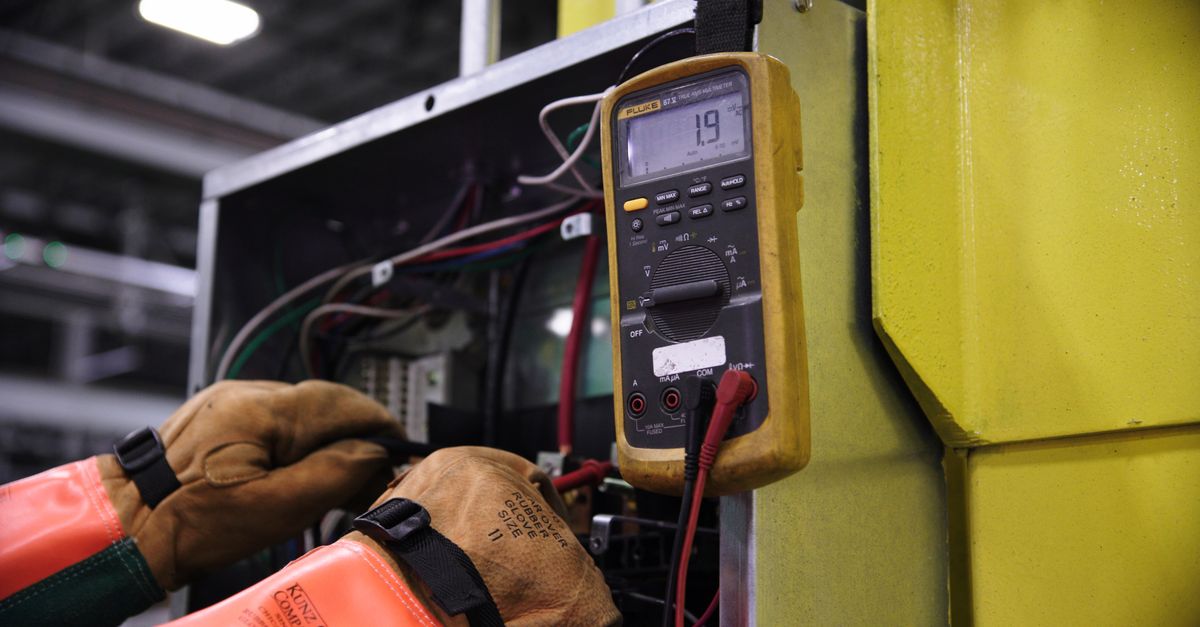
Calibration is the process of configuring a measuring instrument to ensure its readings align with established national standards. Every electronic component inside a multimeter—from precision resistors to analog-to-digital converters—experiences slight performance shifts over time due to temperature fluctuations, component aging, and mechanical stress.
Brand-new multimeters leave the factory with tight calibration tolerances, often within fractions of a percent. However, calibration drift is an inevitable physical reality. A used meter that sat in a hot truck bed for five years, experienced repeated drops on concrete job sites, or was exposed to high humidity may exhibit noticeable drift, providing inaccurate voltage or resistance readings.
For basic tasks like checking if a household outlet is live, minor calibration drift is rarely catastrophic. But if you are balancing sensitive low-voltage control boards, diagnosing precision automotive sensor circuits, or checking tight electrical tolerances, an uncalibrated meter can lead you on wild goose chases and misdiagnoses. Professional technicians send their meters out for annual recalibration. When buying a refurbished unit, check if the seller includes a recent calibration certificate. If they do not, factor in whether you can live with minor measurement variances or if you have access to a known reference standard to verify the meter’s accuracy yourself.
If you suspect a pre-owned meter has drifted significantly, you can perform a basic sanity check against a known stable reference, such as a brand-new high-precision reference voltage source or a fresh lithium battery whose exact output you have verified with a trusted secondary meter. While this does not constitute a full, NIST-traceable calibration, it will quickly reveal whether the meter is throwing wildly inaccurate readings that render it useless for delicate electronic work.
Evaluating Internal Protection: Fuses and Circuitry
Beyond external ratings and calibration, the internal architecture of a multimeter determines whether it will survive a user error or explode in your hands. This is why inspecting internal components is a cornerstone of purchasing pre-owned test gear.
Digital multimeters rely heavily on internal fuses to protect the current-measuring circuits. If you attempt to measure voltage while your test leads are plugged into the current jacks, you create an effective short circuit. In a quality professional meter, this error is safely intercepted by high-rupture-capacity (HRC) ceramic fuses packed with sand. The sand absorbs the thermal energy, quenches the resulting electrical arc, and safely breaks the circuit before the meter housing can rupture.
Many cheap or poorly refurbished meters—and occasionally fraudulent knockoffs sold online—contain substandard glass fuses or have had their blown fuses replaced with standard automotive glass fuses or even pieces of wire by previous owners. These improvised fixes offer zero protection against high-energy utility faults. When you acquire a refurbished multimeter, opening the battery and fuse compartment is non-negotiable. Verify that the installed fuses match the manufacturer’s exact amperage and voltage specifications and that they are genuine ceramic HRC units. If you find cheap glass fuses inside a meter marketed for CAT III or CAT IV use, replace them immediately with certified OEM replacements before powering the device on.
True RMS Versus Average Responding in Used Meters
When shopping the refurbished market, you will frequently see terms like “True RMS” and “Average Responding” in product specifications. Understanding this distinction is crucial for modern electrical troubleshooting.
Older or budget-friendly multimeters are typically average-responding instruments. They measure the average value of a waveform and mathematically convert it to display an RMS (Root Mean Square) value. This calculation works perfectly for clean, pure sine waves found in traditional utility power. However, modern homes and vehicles are filled with non-linear loads—such as LED drivers, variable-speed HVAC compressors, computer power supplies, and inverter-driven appliances—that distort the electrical waveform.
An average-responding meter will read distorted waveforms inaccurately, often giving you readings that are significantly lower than the actual voltage present in the circuit. True RMS multimeters, on the other hand, calculate the actual heating value of the AC waveform regardless of its shape, delivering precise measurements on both clean and noisy circuits. If you frequently work with modern electronics, variable frequency drives, or complex household appliances, spending a little extra to secure a factory-certified True RMS refurbished meter is well worth the investment.
Warranty Coverage and Return Policy Pitfalls
A warranty is a manufacturer’s vote of confidence in their product. When evaluating refurbished multimeters, warranty terms vary wildly compared to retail units. While new professional multimeters often feature limited lifetime warranties or multi-year guarantees, refurbished units typically carry much shorter protection windows—ranging from 90 days to one year.
Read the fine print regarding what the warranty actually covers. Many refurbished warranties protect only against manufacturing defects in materials and workmanship, explicitly excluding damage caused by user error—such as attempting to measure line voltage while the test leads are plugged into the milliamps input jack. This is the classic mistake that blows internal fuses or destroys the input protection circuitry.
Furthermore, pay close attention to the retailer’s return policy. Electrical test equipment is notoriously prone to immediate failure if subjected to an accidental overvoltage event. A reputable seller will offer at least a 30-day money-back guarantee, allowing you to test the meter thoroughly across all functions—DC voltage, AC voltage, resistance, continuity, and current—upon arrival. Avoid any refurbished tool sold with a strict “all sales final” policy, as you will have no recourse if the instrument arrives with a latent internal defect or a compromised measurement circuit.
Inspecting Your Refurbished Multimeter Upon Arrival
Once your renewed multimeter arrives, do not immediately take it out into the field or onto a live service panel. Perform a structured bench inspection to verify its mechanical and electrical integrity.
- Examine the Housing: Check for deep gouges, cracks, or loose housing screws. A compromised outer shell breaks the physical barriers needed for electrical insulation and invites moisture and dust intrusion.
- Inspect the Input Jacks: Look inside the banana plug receptacles. Ensure the internal spring contacts are clean, unbent, and free of carbon scorching or melting from previous electrical overloads.
- Verify the Fuses: Open the battery and fuse compartment. Confirm that the installed fuses are high-rupture-capacity (HRC) ceramic fuses rated for the correct voltage and amperage, rather than cheap glass automotive fuses that offer zero protection against utility-level arcs.
- Test the Leads: Inspect the included test probes for cracked insulation, exposed wire strands, or damaged probe tips. Replace substandard or worn leads immediately with heavy-duty, category-rated probe sets that feature shrouded banana plugs and finger guards.
- Check Basic Functions: Perform a sanity check by measuring a known voltage source, such as a fresh household battery or a wall outlet (using proper caution), and verify continuity using the audible beep function to ensure zero relay or display lag.
Common Mistakes to Avoid When Buying Used Test Gear
First-time buyers of pre-owned diagnostic tools often fall into predictable traps that undermine their savings and compromise their safety. Recognizing these common missteps helps you make a smarter purchasing decision.
The first major mistake is ignoring the replacement cost of accessories. If a refurbished multimeter arrives without functional test leads, specialized temperature probes, or protective magnetic hanging straps, buying OEM replacements separately can easily erase any upfront savings. Always calculate the total cost of ownership, including necessary accessory add-ons, before declaring a refurbished deal a winner.
Another frequent error is assuming all brands hold their value and performance standards equally. Stick with established industry leaders that maintain robust documentation, readily available replacement fuses, and widespread repair support. Obscure budget brands may look enticingly cheap on the secondary market, but finding technical specifications, replacement parts, or calibration manuals for them can prove impossible once you run into trouble.
Finally, never buy a used multimeter described as “untested” or “for parts/repair” unless you possess advanced electronic repair skills and safety equipment. A non-working meter often hides severe internal damage, blown circuit boards, or compromised safety barriers that present extreme hazards if accidentally energized. Saving twenty dollars on a broken meter is never worth the risk of an uncontained electrical fault.
Evaluating Where to Buy: Platforms and Retailers
Where you purchase your refurbished digital multimeter matters just as much as the brand and model you choose. Knowing the landscape of secondary electronics sales helps you separate reputable vendors from risky operations.
Authorized manufacturer outlets represent the gold standard for refurbished gear. Brands like Fluke and Keysight occasionally sell factory-refurbished stock directly through their websites or certified distributor networks. These units come with full factory backing, verified calibration sheets, and updated firmware, making them virtually indistinguishable from new units except for their discounted price tag and specialized packaging.
Specialized test equipment liquidators and calibration labs also offer high-quality refurbished instruments. These businesses routinely buy surplus inventory from commercial labs, inspect and service the units in-house, and provide custom calibration certificates upon request. While slightly more expensive than peer-to-peer marketplaces, they offer professional-grade accountability.
General consumer marketplaces like eBay or Amazon Renewed can yield good bargains, but they require much higher buyer diligence. Always review the seller’s feedback history, look for detailed photos of the actual item rather than stock images, and confirm whether the seller provides any warranty or return window. If a listing relies entirely on stock photos and vague descriptions, it is best to scroll past and look for a more transparent vendor.
Weighing Total Value: When to Buy New Instead
Deciding between a factory-certified refurbished multimeter and a brand-new retail unit ultimately comes down to your specific application frequency, risk tolerance, and budget. If you are a DIYer tackling occasional weekend projects, smart home installations, or basic automotive maintenance, a high-quality factory-certified refurbished meter from a trusted brand provides exceptional value and performance without the retail price premium.
However, if your work involves commercial electrical contracting, high-voltage industrial troubleshooting, or situations where equipment failure could result in severe injury, the peace of mind offered by a brand-new instrument with a full manufacturer warranty and fresh calibration is well worth the extra investment. Assess your technical needs honestly, prioritize safety above all else, and choose the procurement path that keeps both your projects and your workspace secure.
Ultimately, a reliable multimeter is an investment that lasts for decades if treated with respect. Whether you choose a factory-renewed professional unit or open your wallet for a brand-new retail package, maintaining a healthy respect for electricity, adhering strictly to CAT safety ratings, and verifying your tool’s accuracy will ensure your diagnostic work remains both safe and precise for years to come.