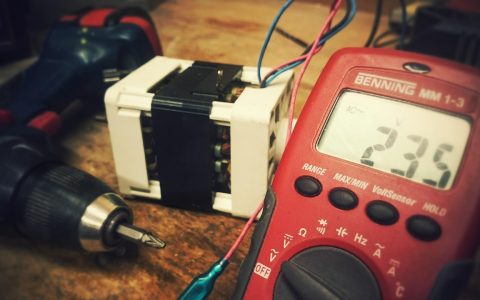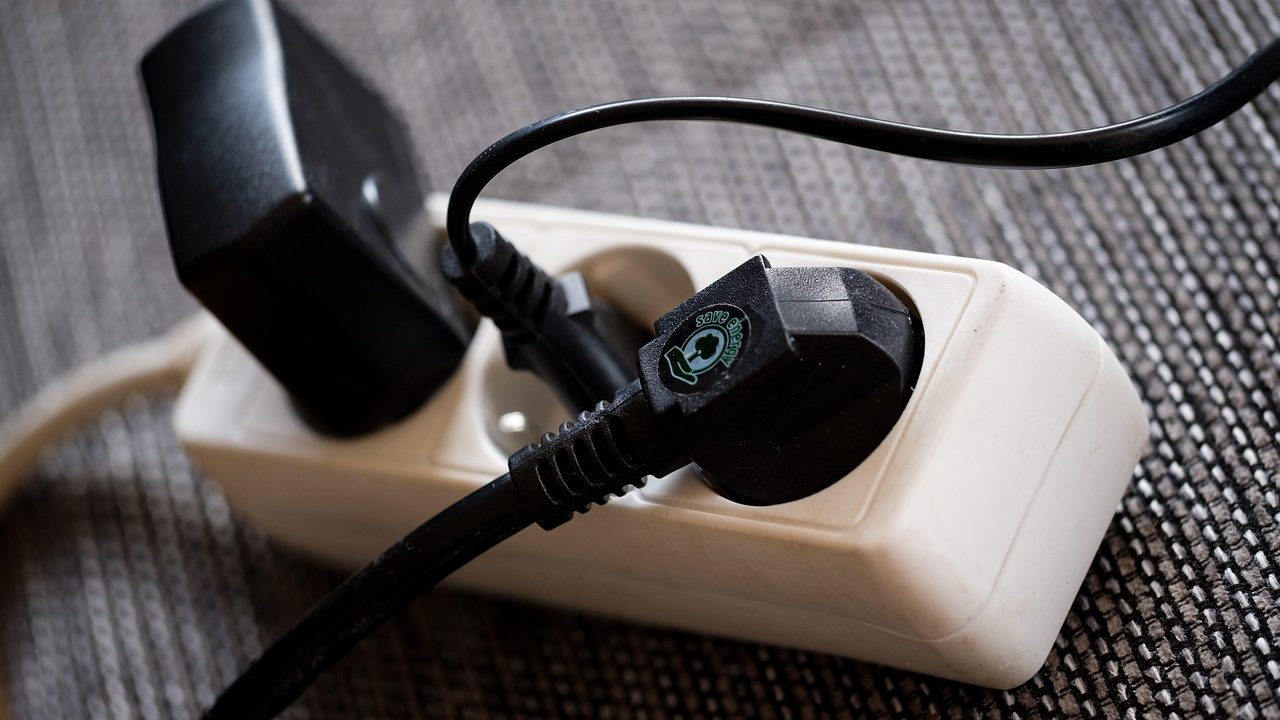
When you are shopping for discounted electronics accessories, coming across a factory renewed power strip priced at a fraction of its original retail cost can be tempting. Protecting expensive desktop computers, home entertainment systems, and kitchen appliances from unexpected voltage spikes is a priority for any budget-conscious household. However, finding reliable information through a proper refurbished surge protector buyer guide becomes essential before you plug sensitive gear into secondhand hardware. Unlike standard electronic accessories like cables or adapters, surge suppression devices are consumable safety equipment designed to sacrifice themselves to protect your property.
Understanding the inner workings of surge protection, metal oxide varistor degradation, and the limitations of manufacturer warranties helps you separate safe bargains from hazardous electrical waste. While buying certified refurbished laptops or audio receivers is a smart way to stretch your budget, purchasing discounted surge suppression hardware introduces distinct technical and safety considerations that require a closer look.
The Core Mechanics of Surge Protection
To understand why buying secondhand surge suppression equipment carries unique risks, you first need to look at how these devices function behind the plastic housing. A standard power strip simply multiplies available outlets without offering electrical defense. A true surge protector, however, contains internal circuitry designed to intercept voltage spikes before they reach your connected devices.
The primary component responsible for this defense is the metal oxide varistor, commonly known as an MOV. During normal operating conditions, an MOV acts as an open circuit, allowing electricity to flow freely to your electronics. When a sudden voltage surge occurs—whether from a distant lightning strike, grid switching, or heavy appliances cycling on and off—the electrical resistance of the MOV drops precipitously. It instantly diverts the excess voltage away from your equipment and safely to the ground wire.
This diversion process comes at a physical cost to the component itself. Every time an MOV absorbs a surge or handles minor voltage fluctuations, its internal structure degrades slightly. Over years of service, cumulative wear reduces the clamping capacity of the varistor until it eventually fails entirely. When an MOV reaches the end of its operational lifespan, it can no longer suppress spikes, leaving your connected electronics completely exposed to incoming surges.
Deconstructing the Inner Circuitry of Power Protection
Beyond the primary metal oxide varistors, a quality surge suppressor features additional electronic components that manage electrical flow and ensure safe failure modes. Most modern units incorporate thermal fuses, ceramic gas discharge tubes, and fast-acting circuit breakers designed to work in tandem with the MOV array. When an electrical surge overwhelms the primary varistor, excessive heat builds up within the internal housing. The thermal fuse is engineered to melt and permanently disconnect power to the outlets before the heat can cause the plastic casing to melt or catch fire.
In secondhand or refurbished surge protectors, these secondary safety mechanisms are entirely untested by the average consumer. A unit that has experienced heavy use or multiple moderate surges may have a thermally degraded fuse or weakened solder joints on its circuit board. While the power strip might still route electricity to your devices, its internal failsafes may no longer function properly, turning a protective accessory into a potential electrical hazard during a severe storm.
Furthermore, understanding the layout of these internal pathways sheds light on why a superficial examination is insufficient. Internal board traces can experience microscopic micro-fractures under repeated thermal stress cycles. In a refurbished context, even if a technician replaces a damaged housing or swaps out a faulty rocker switch, the internal MOV matrix and associated bus bars remain original to the device’s manufacturing date. This means that cumulative wear is baked into the hardware, regardless of how clean or polished the exterior chassis appears when unboxed.

Evaluating Factory-Certified Refurbished Claims
When manufacturers or third-party liquidators sell factory renewed power strips, they typically subject the hardware to a standardized inspection process. This process usually involves testing the physical integrity of the housing, verifying that the circuit breaker trips correctly, checking USB charging ports if applicable, and ensuring the indicator lights illuminate as expected.
However, testing a refurbished unit for basic continuity does not reveal the remaining lifespan of the internal MOVs. Standard quality control checks generally cannot measure how many minor electrical spikes a used surge protector has already absorbed in a previous environment. A unit might pass a basic electrical continuity test while possessing internal varistors that are ninety percent degraded and ready to fail at the next minor power fluctuation.
Furthermore, third-party refurbishment standards can vary wildly. While major brands maintain strict factory-certified processes that may replace worn internal components, lesser-known liquidators often perform little more than cosmetic cleaning and basic functionality testing before repackaging the item for sale.
The Distinction Between Manufacturer Refurbished and Third-Party Liquidations
When shopping in the secondary market, the source of the refurbishment matters immensely. Manufacturer-certified refurbished items typically originate from customer returns, open-box items, or minor cosmetic factory defects. These units are usually inspected, tested, and repackaged by the original equipment manufacturer or an authorized service center using genuine replacement parts where necessary.
In contrast, third-party liquidation stock often consists of liquidated corporate inventory, warehouse overstock, or items salvaged from commercial properties after a lease or upgrade cycle. These units may have endured years of continuous duty in demanding office environments where power fluctuations are frequent. Buying from anonymous liquidators removes any assurance that the internal components have been rigorously evaluated for safety or residual wear.
Consumers must also consider the packaging and accessory completeness that accompanies these tiers of refurbishment. True factory renewals usually ship with official documentation, original warranty cards, and verified replacement clamping accessories if applicable. Conversely, generic liquidators often ship items in plain brown cardboard boxes with missing manual inserts, leaving the buyer completely in the dark regarding the exact manufacturing lot or historical safety advisories associated with that specific product batch.
Understanding Clamping Voltage and Energy Ratings
When comparing surge protection options, shoppers encounter several technical metrics, including clamping voltage, Joule ratings, and response times. These specifications become even more critical when evaluating discounted hardware.
Clamping voltage refers to the threshold of excess voltage that triggers the MOV to divert power. Lower clamping voltages provide better protection because your equipment experiences fewer volts before the protector kicks in. Over time, as MOVs degrade, their clamping voltage can shift, requiring a higher spike to activate the diversion mechanism.
Joule ratings measure the total amount of energy the surge protector can absorb before its components fail. A higher Joule rating generally indicates a more robust defense system. When purchasing a refurbished device, you must assume that the original Joule rating has been partially or significantly depleted depending on the unit’s prior service history. A heavily used unit rated for 2000 Joules might functionally operate closer to a 500-Joule strip, offering far less security than expected.
Interpreting Response Times and Clamping Thresholds
Another crucial metric often highlighted on product packaging is the response time, typically measured in nanoseconds. A fast response time ensures that the surge suppression circuitry engages almost instantaneously when an over-voltage event occurs. However, older or heavily stressed suppression components can experience slower response latency, allowing a fraction of the voltage spike to reach connected devices before diversion occurs.
When evaluating refurbished units, you rarely receive documentation regarding the current health of these response metrics. Because electronic components age and drift from their original manufacturer tolerances, relying on the original datasheet specifications for a secondhand surge protector can give shoppers a false sense of security.
Additionally, clamping voltage degradation is not always linear. As a metal oxide varistor absorbs cumulative energy, its clamping threshold can drift upward significantly. A device that was originally rated to clamp at 330 volts might, after absorbing numerous micro-surges in an office environment, require 400 or 500 volts of over-voltage before it begins diverting current. This delay allows potentially damaging voltage levels to slip through to sensitive semiconductor components in computers and audio equipment before the protection mechanism engages.
Warranty Limitations and Connected Equipment Guarantees
One of the most significant hidden drawbacks of purchasing discounted or refurbished power protection gear lies in the fine print regarding manufacturer warranties and connected equipment guarantees.
New, high-end surge protectors often come with lifetime warranties and manufacturer-backed connected equipment policies that promise to repair or replace connected electronics if the surge protector fails during a power event. These guarantees are major selling points for brand-name hardware.
When you purchase a factory-certified refurbished or open-box unit, warranty coverage is frequently shortened from a lifetime guarantee to a limited 90-day or one-year window. More importantly, manufacturer connected equipment warranties almost universally exclude refurbished, secondhand, or clearance items. If a power surge bypasses a discounted surge protector and fries your television, the manufacturer’s insurance policy will not cover the loss, leaving you with no recourse.
Navigating the Fine Print of Insurance Policies and Guarantees
Manufacturers who offer connected equipment warranties usually enforce strict claim procedures. They require proof of purchase from an authorized dealer, the original packaging, and often the damaged surge protector itself for laboratory analysis. Refurbished purchases typically fail these authorization checks immediately.
Furthermore, even with brand-new devices, collecting on a connected equipment guarantee can be an arduous bureaucratic process involving claims adjusters, electrical inspection reports, and proof that the surge protector was not overloaded or improperly grounded. Stripping away warranty protections entirely by purchasing secondhand units means you bear one hundred percent of the financial risk if a catastrophic grid failure occurs.
Beyond equipment protection policies, the general hardware warranty on refurbished units deserves careful scrutiny. A 90-day warranty provides very little peace of mind for a device intended to sit behind a media console or heavy desk for five to ten years. If a refurbished power strip develops an internal thermal fault after four months of continuous operation, the buyer absorbs the total replacement cost, eroding any initial financial savings gained at checkout.
Safety Certifications and Standards to Verify
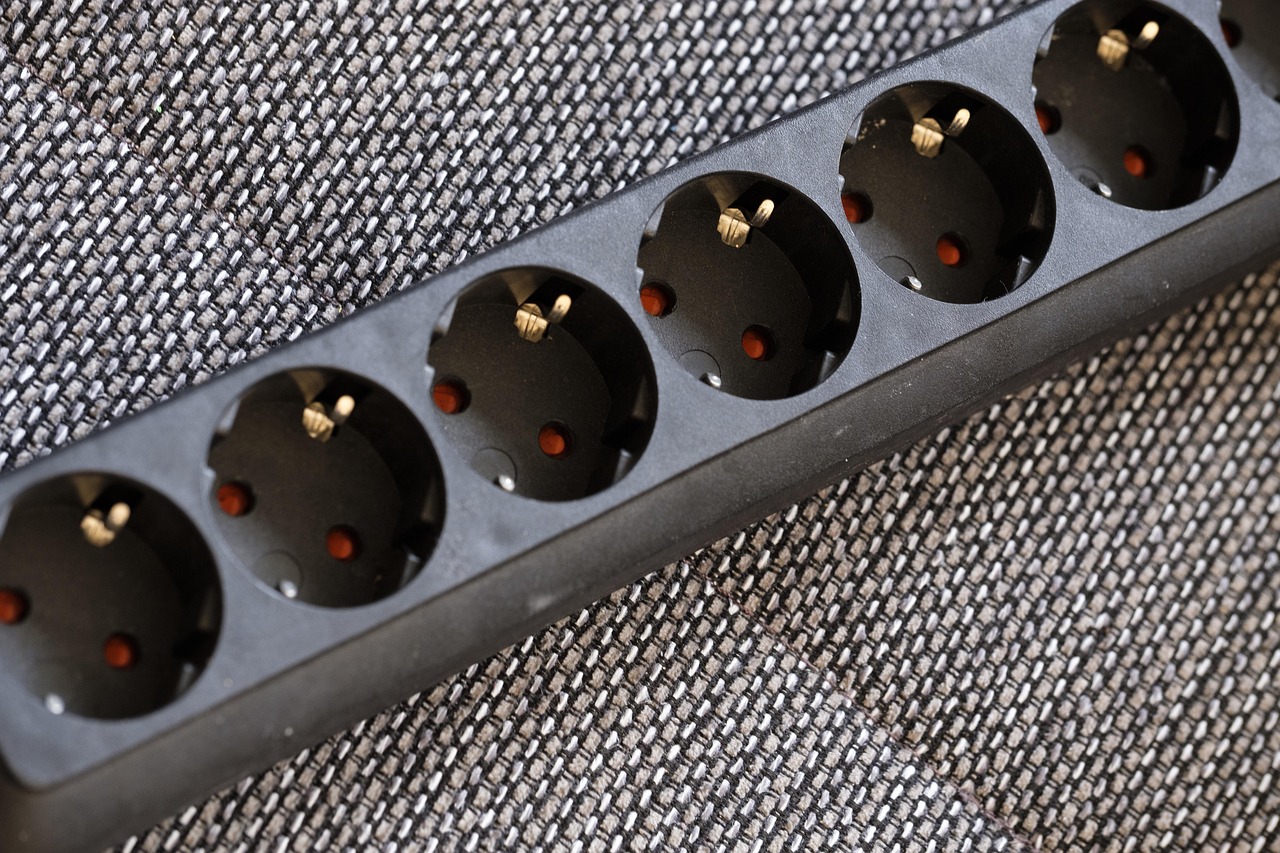
Electrical safety is not an area where you should compromise to save a few dollars. When evaluating any power strip or surge suppressor—particularly discounted or refurbished inventory—verifying legitimate safety certifications is non-negotiable.
Look for certification marks from recognized Nationally Recognized Testing Laboratories, such as Underwriters Laboratories (UL), Intertek (ETL), or Canadian Standards Association (CSA). Specifically, modern surge protectors should comply with current UL safety standards, which incorporate improved thermal fusing to prevent overheating and fire hazards when MOVs fail.
Counterfeit or non-compliant surge protectors flooding online marketplaces often feature fake certification logos. These cheap units may lack essential thermal cutoffs, creating severe fire risks if an internal component shorts out. If a refurbished unit lacks clear, verifiable safety lab markings on its permanent product label, bypass the deal entirely.
The Role of UL 1449 Standards in Modern Surge Protection
Understanding current safety standards provides valuable context for evaluating power accessories. The UL 1449 standard governs surge protective devices, establishing rigorous benchmarks for clamping performance, thermal endurance, and fire safety. Earlier iterations of power strips lacked the stringent thermal containment requirements found in modern units.
When shopping for refurbished or discounted power protection, verify whether the model adheres to the latest edition of the UL 1449 standard. Older surplus stock—even if technically unused—may lack the advanced thermal fusing required to prevent runaway heating during component failure, making modern certified alternatives a safer choice for residential use.
Verification goes beyond simply spotting a stamp on the plastic housing. Unscrupulous manufacturers or rogue liquidators have been known to silkscreen fake UL or ETL insignias directly onto substandard electrical enclosures. Savvy consumers should cross-reference safety listing numbers—often formatted as file numbers following the agency logo—with the online certification directories provided by testing laboratories to ensure the hardware meets recognized national safety standards.
Smart Shopping Strategies for Power Accessories
Given the invisible nature of MOV wear and the restrictions on warranties, purchasing refurbished surge protection hardware requires a careful risk-benefit analysis.
For low-risk environments—such as powering a bedside lamp, a phone charger, or a basic digital clock radio—using a budget-friendly or refurbished power strip is generally acceptable, provided the physical housing and cord are undamaged. In these scenarios, advanced surge suppression is secondary to simply expanding available wall outlets.
Conversely, for expensive, sensitive, or mission-critical electronics—such as gaming PCs, home theater receivers, network routers, and refrigerators—investing in a brand-new surge protector with a verified UL rating and an active manufacturer guarantee is almost always the wiser financial choice. Saving fifteen dollars on a refurbished protector makes little economic sense if it fails to protect a thousand-dollar computer setup.
When you do shop for power accessories, look for trusted retail channels, inspect return policies carefully, and check whether the manufacturer offers certified refurbished programs directly through their official store rather than relying on anonymous secondary liquidators.
Cost-Benefit Analysis for Different Household Applications
To make informed decisions about your household electronics, categorize your devices based on sensitivity and replacement cost. Low-value appliances and cosmetic lighting fixtures face minimal risk from minor power irregularities, making them suitable candidates for budget power strips or basic refurbished multi-plugs.
On the other hand, sensitive solid-state electronics, data storage drives, and high-end audio-visual components require pristine, uncompromised power delivery. Allocating your budget toward brand-new, high-joule surge suppression for these core assets ensures that your financial investment remains safeguarded against unpredictable electrical disturbances.
Another factor in this cost-benefit calculus is the physical location of the power strip. Units hidden deep behind heavy furniture, wall units, or tight desk configurations are difficult to inspect regularly for signs of thermal stress, discoloration, or indicator light failure. Deploying a new, highly reliable unit in inaccessible locations minimizes the need for frequent crawling behind furniture to check hardware status, whereas budget or refurbished strips are better suited for open, easily monitored areas where any unusual warmth or indicator failure can be spotted immediately.
Evaluating Vendor Return Policies and Hardware Grading
When purchasing refurbished electrical accessories online or through discount liquidators, scrutinizing the vendor return policy is just as important as evaluating the hardware specifications. Because internal degradation cannot be assessed visually, having a reliable window to test, inspect, and return the device is critical.
Reputable sellers typically offer a minimum 30-day return window with clear guidelines on whether restocking fees apply. Avoid vendors that sell factory-renewed or liquidation electronics strictly on an all-sales-final basis. A generous return policy allows you to plug the unit into a non-critical circuit initially, monitor its thermal performance, and verify that indicator lights function stably without unexpected tripping.
Hardware grading systems also demand careful interpretation. Liquidators often use terms like Grade A, Grade B, or like-new to describe cosmetic condition. However, cosmetic grades only reflect the outward appearance of the plastic shell and power cord. A Grade A refurbished power strip could easily possess internal varistors that have absorbed multiple industrial-grade surges in a corporate office setting. Never confuse a pristine exterior finish with internal component health when shopping for surge protection equipment.
Practical Inspection Steps Upon Unboxing
If you decide to purchase a discounted or factory-renewed surge protector, establishing a rigorous inspection routine upon delivery helps mitigate potential safety risks before connecting your electronics.
Begin by examining the physical chassis for signs of thermal stress, such as yellowed or warped plastic around the outlets or switch housing. Check the heavy-duty power cord for any cuts, abrasions, or exposed internal wiring, and ensure the plug prongs are straight, unbent, and free of carbon scoring or pitting, which indicates previous arcing.
Next, plug the unit into a properly grounded wall outlet without attaching any load, and verify that the protected and grounded indicator lights illuminate according to the manufacturer manual. If a unit lacks these basic diagnostic LEDs, or if the indicator lights fail to illuminate in a verified grounded outlet, the internal circuitry is compromised, and the device should be returned immediately.
Conclusion
Navigating the market for discounted electrical accessories requires looking past attractive upfront savings to examine long-term functionality and safety. Because internal metal oxide varistors degrade invisibly with every electrical spike they absorb, buying secondhand surge suppression hardware carries inherent uncertainties regarding remaining lifespan. When you factor in restricted warranties, lack of connected equipment coverage, and potential safety certification concerns, brand-new surge protection often represents the superior value for safeguarding your valuable household electronics.