Buying a musical instrument for your home or studio always requires balancing upfront cost against long-term reliability. When you begin searching for a quality electronic instrument, you will inevitably encounter factory-certified models sold at a notable discount. Using a reliable refurbished digital piano buyer guide helps you navigate the complex market of factory-renewed music gear without getting stuck with a compromised instrument. Whether you are a parent purchasing a practice instrument for a child taking classical lessons or an adult returning to the piano, understanding what goes into refurbishing a digital keyboard protects your investment.
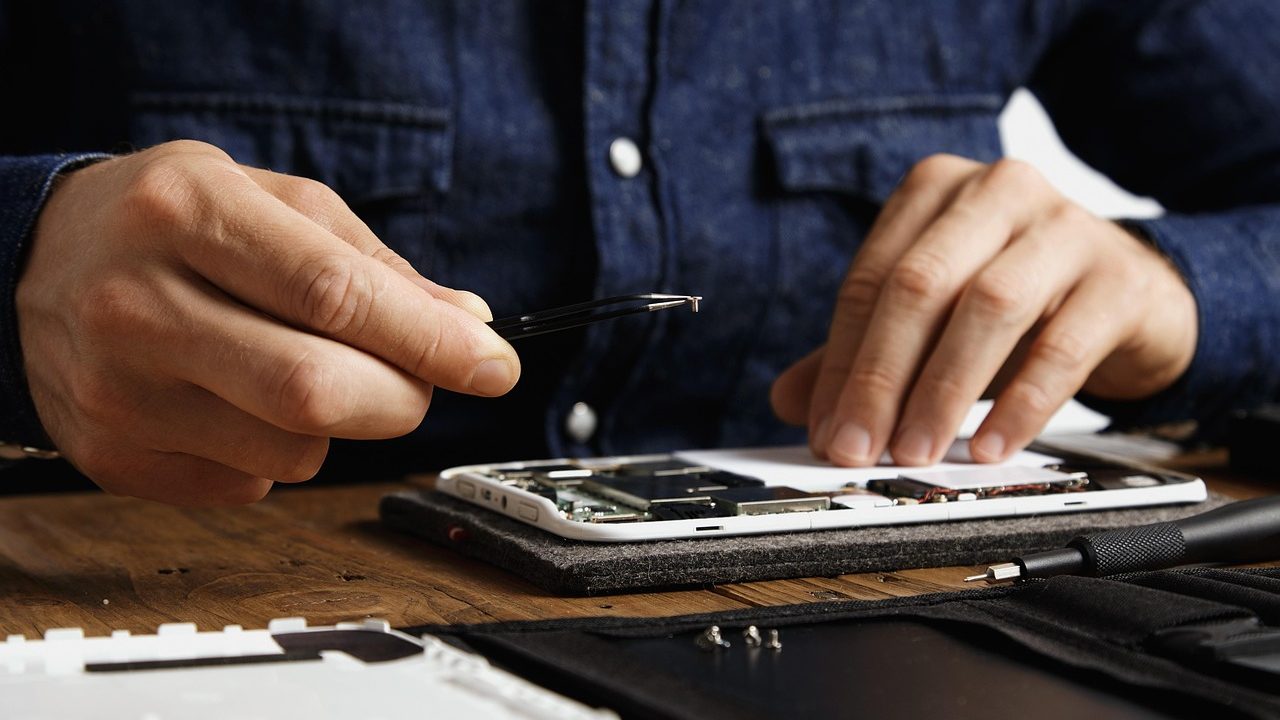
Unlike acoustic pianos that rely on intricate wood and felt mechanics, digital pianos combine acoustic-style weighted actions with complex printed circuit boards, digital-to-analog converters, rubber contact strips, and internal speakers. When these components fail or show cosmetic blemishes, instruments are returned to the manufacturer or authorized service center. Understanding the difference between a random used keyboard bought online and a factory-certified refurbished model is the first step toward making a smart purchase.
Purchasing pre-owned gear in the musical instrument market differs significantly from buying certified pre-owned cars or refurbished consumer electronics like smartphones and laptops. A digital piano is a hybrid device featuring high-precision physical mechanics coupled with delicate audio electronics. When evaluating your options, you must look past the initial sticker price and examine how the instrument was restored, who performed the restoration, and what protections remain if something goes wrong six months down the road. This guide walks you through every critical checkpoint required to make an informed, risk-free decision.
Understanding Factory-Certified vs. Open-Box vs. Used
The secondary market for electronic musical instruments is filled with terminology that can easily confuse an everyday buyer. Retailers and third-party liquidators use various labels to describe pre-owned gear, and knowing these distinctions prevents costly mistakes.
True factory-certified refurbished digital pianos originate directly from the manufacturer or an authorized restoration facility. These units typically start as customer returns, transit-damaged outer boxes, or showroom demo units. Technicians inspect them, replace any worn parts, update the internal firmware to current factory specifications, and repackage them with a manufacturer-backed warranty. Open-box items are similar, often representing instruments that were purchased and returned within a standard 30-day return window with virtually zero wear.
By contrast, standard used gear sold peer-to-peer on online marketplaces carries no formal guarantee. When you buy a used digital piano from an individual, you inherit their wear and tear, and you have no recourse if a key stops triggering or the power supply fails a week later. Certified pre-owned keyboards bridge the gap by offering significant price breaks—often 15 to 30 percent off retail—while eliminating much of the gambling involved in peer-to-peer transactions.
It is also vital to distinguish between manufacturer-certified refurbishment and third-party retailer refurbishment. While authorized factory centers use genuine replacement parts and follow strict brand protocols, third-party liquidators may simply test the unit for basic power and audio output before flipping it. When shopping, always verify the exact source of the refurbishment to ensure that high-stress mechanical parts have been properly evaluated.
Evaluating Hammer-Action Wear and Key Uniformity
The single most critical component of any digital piano is its keybed. Unlike basic electronic keyboards with spring-loaded plastic keys, digital pianos designed for serious practice feature graded hammer action or scaled hammer action. These mechanisms use real physical hammers or weighted levers to simulate the heavier feel of bass keys and the lighter feel of treble keys on an acoustic piano.
Over years of heavy playing, the mechanical parts inside a keybed experience physical stress. Felt cushioning strips compress, plastic pivots can develop micro-fractures, and the grease applied to guide pins can dry out or collect dust, leading to sluggish keys or clicking noises. In a poorly stored used piano, temperature swings and humidity can even warp plastic key components.
When evaluating a refurbished instrument, you must verify that the refurbishing facility specifically serviced the keybed. Authorized centers will replace worn rubber contact pads—the conductive domes beneath each key that register velocity—and clean or replace degraded felt dampers. When your instrument arrives, run a thorough physical inspection by playing every single key at various dynamic levels. Listen for uneven mechanical thumping, check for keys that sit noticeably lower than their neighbors, and ensure the return action is swift and silent across the entire 88-note span.
Furthermore, pay close attention to the pivot point design. High-end digital pianos often feature wooden keys with longer pivot lengths to mimic grand piano geometry. If a refurbished console piano featuring wooden keys was subjected to moisture during its previous life or transit, the wood can swell or warp, causing friction against adjacent keys. Testing every key individually for side-to-side play and smooth upward return is an essential step that should never be skipped upon unboxing.
Touch Sensitivity Calibration and Sensor Drift
Beyond physical mechanical wear, digital pianos rely heavily on precision electronics to translate your physical touch into musical expression. Most modern instruments use dual or triple optical sensors or continuous potentiometer strips to measure how fast a key travels downward, which determines the volume and timbre of the note.
Over time, dust accumulation, static interference, or component aging can cause touch sensitivity calibration drift. This manifests as uneven volume across the keyboard, where certain notes bark out loudly even when played softly, while others fail to sound unless struck with heavy force. During the factory refurbishment process, technicians are supposed to run diagnostic software that recalibrates the key sensors and restores factory velocity curves.
To test this yourself, switch the piano to a clean acoustic grand voice with a wide dynamic range. Play a chromatic scale from the bottom to the top of the keyboard, consciously trying to maintain an identical, even touch for every single note. If you notice sudden volume spikes or dead spots that do not correspond to natural acoustic scaling, the sensor calibration may be flawed, signaling an incomplete refurbishment process that warrants an exchange.
In addition to checking raw velocity response, explore the piano’s on-board menu settings. Most digital pianos allow you to adjust the touch sensitivity curve—selecting options like light, normal, heavy, or fixed. Testing how the instrument reacts across these different software profiles ensures that both the physical sensors and the internal digital signal processors are communicating flawlessly.
Decoding Used Digital Piano Warranty Protection
One of the strongest arguments in favor of buying factory-certified gear rather than a random used instrument is warranty coverage. However, navigating music gear warranties requires reading the fine print carefully, as terms vary wildly between brands and sellers.
Brand-new digital pianos typically carry a one- to five-year manufacturer warranty covering parts and labor. Factory-certified refurbished models, however, often come with shortened coverage periods, typically ranging from 90 days to one year. Some manufacturers extend a full original warranty to certified refurbished units if purchased directly from their online outlet or an authorized dealer, while others provide a distinct limited refurbisher warranty.
Always verify who is backing the warranty. A manufacturer-backed warranty means the instrument will be serviced by authorized technicians using genuine OEM replacement parts. A third-party warranty provided by a retail store or liquidator may require you to ship a heavy 40- to 50-pound console piano across the country at your own expense if something internal breaks. Knowing these logistics ahead of time prevents unpleasant surprises should a motherboard or internal amplifier fail down the line.
Carefully examine any exclusions listed in the warranty terms. Some refurbished gear warranties cover internal electronics and mechanical key failure but explicitly exclude cosmetic damage, power adapters, or music rests. Understanding these boundaries ensures you budget correctly and test all included accessories immediately while return windows remain active.
Speaker Systems, Amplification, and Electronic Wear
Digital pianos are self-contained audio systems featuring built-in amplifiers, digital signal processors (DSP), and stereo speakers. Unlike passive acoustic soundboards, these electronic components are subject to electrical fatigue, capacitor degradation, and speaker cone wear—especially if the previous owner habitually played the instrument at maximum volume levels.
When technicians refurbish a digital piano, they test the audio output board for distortion, hum, or signal dropouts. However, lower-tier liquidators sometimes gloss over minor audio fatigue if the instrument merely turns on and produces sound.
Upon delivery, test the internal speaker system thoroughly across different volume settings. Play deep bass chords to check for any rattling or buzzing in the cabinet housing, which indicates blown speaker cones or loose internal mounting screws. Additionally, plug a pair of studio headphones into both the primary and secondary headphone jacks. Headphone jacks and line-out ports endure frequent physical plugging and unplugging, making them common failure points that should be pristine on a properly refurbished unit.
It is also worth noting auxiliary connectivity. Modern digital pianos frequently feature USB-to-Host ports, MIDI inputs and outputs, and Bluetooth audio or MIDI capabilities. Connect a computer, tablet, or smartphone to verify that data communication works seamlessly. A corrupted USB port or failing Bluetooth module can severely limit your ability to use the piano with recording software, notation apps, or virtual instrument libraries.
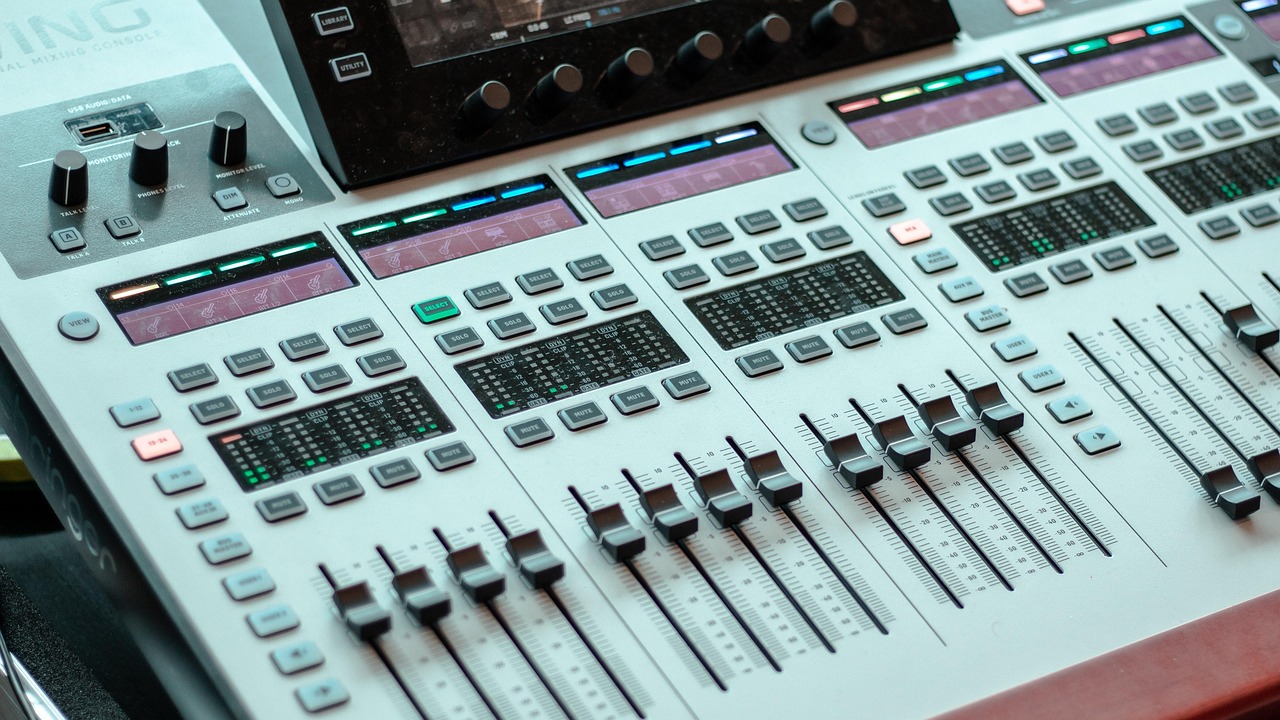
Cabinetry, Hardware, and Structural Integrity
Depending on the style of digital piano you are purchasing—ranging from portable stage pianos to heavy wooden console cabinets with fixed three-pedal units—structural integrity is an important consideration. Portable keyboards housed in rugged plastic chassis withstand transit quite well, but wooden furniture-style cabinets can suffer from cosmetic scrapes, chipped laminate, or stripped screw holes during disassembly and reassembly.
While cosmetic flaws do not affect the musical performance of the instrument, they significantly impact resale value and should be reflected in the discount. Verify whether the retailer classifies the unit as ‘Grade A’ near-mint condition or ‘Grade B’ with noticeable cosmetic blemishes. Furthermore, ensure that all necessary hardware—such as music rests, power adapters, and the sustain pedal unit—is included and fully functional. Sourcing proprietary multi-pin pedal cords or heavy-duty power supplies for older or discontinued digital piano models can be surprisingly difficult and expensive.
Pay special attention to the pedal unit itself, whether it is a portable sustain pedal or a permanent three-pedal console bar. The internal switches within sustain pedals can wear out or develop intermittent connection issues, leading to notes sustaining unexpectedly or failing to sustain at all. Testing the soft, sostenuto, and damper pedals thoroughly during your initial evaluation period protects you from hidden hardware defects.
Comparing Retail, Refurbished, and Used Options
To summarize how these choices stack up for a typical buyer, consider the following trade-offs when deciding where to put your money:
- Brand-New Retail: Offers maximum peace of mind, full multi-year warranty, pristine cosmetics, and zero mechanical wear, but comes at top market price.
- Factory-Certified Refurbished: Provides significant savings (15% to 30% off), professional inspection, replaced wear items, and a functional warranty, though minor cosmetic blemishes may be present.
- Peer-to-Peer Used: Lowest initial price point, but carries zero warranty, unknown internal history, and high risk of expensive mechanical repair bills.
When weighing these options, evaluate your own risk tolerance and technical aptitude. If you are buying an instrument for a young beginner who may or may not stick with lessons for more than six months, a factory-certified refurbished model provides an ideal balance of financial prudence and dependable performance. Conversely, if you are a professional studio musician relying on flawless MIDI integration and zero downtime, a brand-new retail unit with an extended manufacturer warranty may ultimately justify its higher price tag.
Making Your Final Decision
Investing in a digital piano should enhance your musical journey rather than create a maintenance headache. If you are shopping on a sensible budget and want to maximize your purchasing power, a factory-certified instrument inspected by trained technicians represents one of the smartest values in the music gear market. By focusing your evaluation on keybed mechanics, sensor calibration, and verified warranty terms, you can secure a reliable, high-performance instrument that serves you or your family well for years to come.
Always take time to review return policies before finalizing any purchase of pre-owned electronic music equipment. Reputable dealers will offer a minimum 30-day return window, giving you ample opportunity to test the instrument in your actual practice space. By combining thorough mechanical testing with a solid warranty, you can enjoy all the benefits of a premium digital piano at a fraction of the retail cost.