When outfitting a small apartment kitchen, a camper van, or simply looking for an extra burner for holiday meal prep, a portable induction cooktop is an incredibly versatile appliance. They heat up fast, use less ambient energy than traditional radiant electric coils, and remain cool to the touch outside of the cooking zone. Yet brand-new retail models from reputable brands can stretch a tight household budget. This is where a refurbished portable induction cooktop buyer guide becomes essential, helping you navigate the market of factory-renewed and open-box appliances without sacrificing safety or cooking performance.
Choosing a pre-owned or factory-certified refurbished appliance requires a different mental calculus than buying brand new. You are trading a portion of the manufacturer’s standard retail warranty for a steeper discount, trusting that the internal electronics, cooling fans, and ceramic glass have been properly vetted. To make an informed choice, let us break down exactly what happens during the refurbishment process, how these units compare to fresh-out-of-the-box hardware, and what warning signs to watch out for.
Understanding the Refurbished Appliance Ecosystem
Before purchasing a renewed induction burner, it helps to understand what the term actually means. In the consumer electronics and appliance space, ‘refurbished’ is not a single standardized category. Units arrive at a secondary processing facility for several reasons: customer remorse returns within a 30-day window, minor shipping box damage, aesthetic factory blemishes, or internal component failures that were repaired under original warranty.
Factory-certified refurbished units generally undergo a more rigorous restoration process than generic third-party open-box sales. Technicians plug the units into diagnostic rigs, test magnetic coil resonance, verify touch-control responsiveness, and replace external housings if scratches are severe. However, the quality control varies wildly depending on whether the refurbishment was performed by the original equipment manufacturer (OEM) or a contracted third-party liquidator.
When reviewing a listing, always look for explicit details about who performed the restoration. OEM-certified units typically include original accessories, updated firmware if applicable, and a standardized warranty backed directly by the maker. Third-party refurbished units may rely on aftermarket parts or shorter seller-specific guarantees, introducing variable reliability into your kitchen.
Furthermore, understanding the grading systems used by liquidators can save you from unpleasant surprises. Grade A refurbished units are typically pristine open-box items with zero operational hours and complete accessories. Grade B units may show minor cosmetic wear on the housing or base, but the cooking surface remains untouched. Grade C items, which are less common for induction cooktops due to safety concerns over glass integrity, feature heavier cosmetic blemishes and may require closer scrutiny upon delivery. For apartment renters operating in tight quarters where counter space doubles as dining or prep space, knowing your grade helps ensure you aren’t bringing home an appliance with hidden structural compromises.
Cooling Fan Longevity and Thermal Management
One of the most critical internal components of any induction cooktop is its cooling fan. Unlike traditional gas or electric ranges that vent heat into the open room, induction cooktops rely heavily on dense circuit boards, copper induction coils, and insulated gate bipolar transistors (IGBTs) that generate substantial localized heat during extended boiling or searing tasks.

To prevent thermal shutdown or permanent component failure, an internal fan runs during cooking and continues to blow air for a short period after you power down the unit. In a refurbished portable induction cooktop, the cooling fan is often the single point of mechanical wear that demands your attention. Dust, grease particles, and heavy kitchen humidity can cause sleeve or ball bearings inside the fan to degrade over time, leading to audible whining noises or reduced airflow.
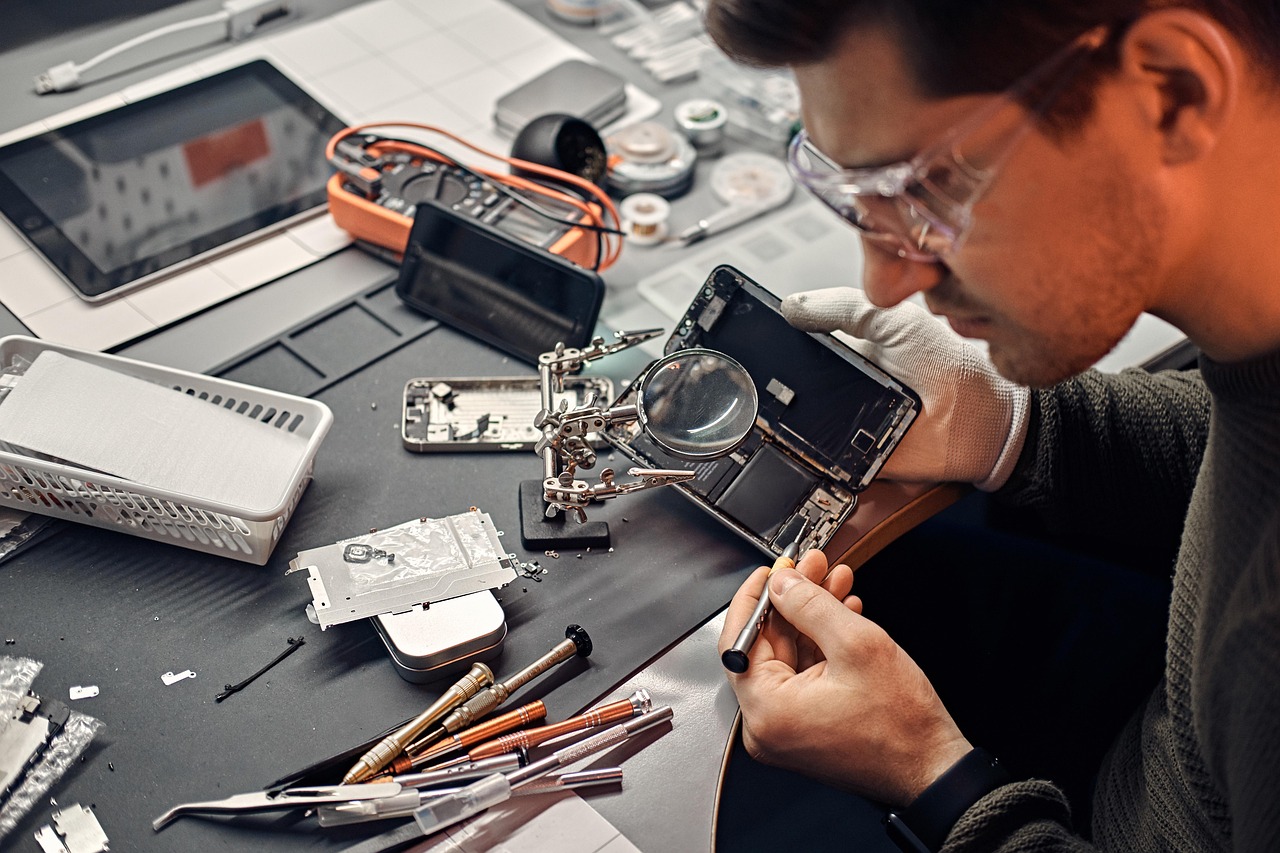
During the refurbishment process, reputable facilities test fan RPM and replace units showing bearing resistance. However, if a budget refurbisher simply cleans the exterior and skips internal maintenance, a worn fan may fail within months of heavy use. When you receive your refurbished burner, test it immediately on high power for 30 minutes. Listen closely to the fan noise; a balanced, steady hum is normal, but rattling, grinding, or intermittent buzzing indicates a failing motor that will eventually trigger thermal protection error codes.
Understanding how thermal management functions in a refurbished unit also helps clarify why adequate clearance is vital on your countertop. Induction cooktops draw cool air through intake vents usually located on the bottom and expel heated air through rear or side exhaust ports. If a refurbished unit has weakened fan output due to age, blocking these vents or placing the cooktop on a thick cloth runner can accelerate overheating, causing the internal sensors to shut the unit down mid-meal. Always maintain at least four inches of clear space around the intake and exhaust vents to ensure proper aerodynamic performance.
Ceramic Glass Integrity and Thermal Shock Limits
The sleek glass-ceramic surface of an induction cooktop is engineered to withstand extreme temperatures and direct downward pressure from heavy cast-iron skillets or stainless steel stockpots. However, ceramic glass is also susceptible to thermal shock and structural fatigue if abused.
When evaluating a refurbished unit, inspect the glass top meticulously under bright kitchen lighting. Factory-certified units should feature flawless glass surfaces, but lesser-grade refurbished models may exhibit microscopic surface scratching or minor edge chipping. While a tiny surface scuff away from the primary heating zone rarely impacts performance, deep scratches can compromise the structural integrity of the glass when exposed to rapid temperature shifts.
Thermal shock occurs when a very hot pan is placed on a cold section of glass, or vice versa, creating uneven expansion stresses. If a previously owned cooktop has sustained invisible hairline micro-fractures from a prior drop or mishandling, these stresses can lead to sudden shattering during high-heat cooking. Always verify the return policy of your refurbished purchase specifically to cover glass defects, as structural cracks are rarely covered under standard cosmetic warranties.
It is also helpful to note that ceramic glass on portable induction units varies in thickness across different price tiers. Higher-end models use robust commercial-grade glass that distributes heat evenly and resists scratching, while budget models feature thinner sheets. When buying refurbished, opting for a higher-tier brand at a refurbished discount often yields a much sturdier glass surface than buying a bottom-tier brand brand-new. Furthermore, inspect the perimeter seals where the glass meets the plastic or metal chassis; compromised seals can allow boiling liquids to seep into the internal circuitry, causing short circuits.
Heating Performance and Magnetic Coil Consistency
The primary reason home cooks choose induction is precision and speed. Copper coils beneath the glass generate a high-frequency alternating magnetic field that induces electrical currents directly inside compatible cookware. This means the pan itself becomes the heating element, resulting in rapid water boiling times and exact temperature control.
In a refurbished unit, you want to test heating consistency across all power levels. Some lower-quality induction cooktops achieve lower temperature settings by rapidly cycling the magnetic field on and off rather than delivering a continuous low-wattage output. Over years of use, the switching relays on the control board can wear out.
Perform a simple water test when your unit arrives. Fill a flat-bottomed stainless steel pot with water, place it on the center of the cooking zone, and test both maximum boost mode and a low simmer setting. A reliable refurbished induction burner should bring water to a rolling boil within minutes without tripping household breakers or displaying erratic error codes. On a low setting, look for steady, predictable bubble formation rather than aggressive, uncontrolled boiling interspersed with long dead periods.
Another factor in magnetic coil performance is wrap density and insulation. During professional refurbishment, technicians inspect the copper windings for signs of overheating or insulation breakdown caused by previous power surges. If a unit passed through a facility without proper diagnostic load testing, a weakened coil might struggle to maintain resonance under heavy, heavy-bottomed Dutch ovens, resulting in intermittent pan-detection errors.
Warranty Coverage and Financial Risk Assessment
The decision to buy refurbished always comes down to a calculated financial trade-off: saving 30 to 50 percent off retail pricing in exchange for a truncated warranty period. Brand-new induction cooktops typically carry a one-year to two-year manufacturer warranty covering both parts and labor.
By contrast, refurbished units often come with warranties ranging from 90 days to one year. Some major retailers and manufacturer outlets offer extended protection plans, which may be worth considering if you rely on the appliance for daily meal preparation. Read the fine print of the warranty carefully. Does it cover shipping costs if you need to send a defective unit back for repair or replacement? Are power surges and component burnout included?
Consider your personal cooking frequency as well. If you are an apartment renter who cooks simple weeknight dinners two or three times a week, a quality refurbished burner with a 180-day warranty represents a sensible, low-risk investment. If you run a small catering side hustle or cook intensive multi-course meals daily, the peace of mind offered by a brand-new retail unit with full manufacturer backing usually outweighs initial cost savings.
It is also worth checking whether your credit card provides built-in extended warranty protection on refurbished goods. Many major credit card issuers add an extra year of coverage to manufacturer or certified refurbished warranties provided the item was purchased entirely with that card, softening the risk profile of buying renewed hardware. Always register your renewed appliance immediately upon arrival to ensure the warranty start date aligns with your purchase date rather than the original factory manufacturing stamp.
Inspection Checklist Upon Delivery
Once your refurbished portable induction cooktop arrives at your door, do not wait months to test it out. Follow a systematic inspection protocol during the initial return window:
- Unbox and Inspect Exterior: Check the plastic housing for cracks, melting signs near vents, and deep gouges in the ceramic glass surface.
- Verify Cookware Compatibility: Test your existing pots and pans using a simple refrigerator magnet on the bottom; if the magnet holds firmly, the cookware is induction-ready.
- Run a Noise and Fan Check: Power on the unit and listen for unusual fan rattling or electrical humming during operation.
- Test Touch Controls: Cycle through all power levels, timer functions, and preset temperature modes to ensure the capacitive touch panel registers inputs accurately without lag.
- Monitor Thermal Shutoff: Run the unit continuously on high heat for 30 minutes to verify that internal sensors manage heat properly and do not trigger premature error codes.
If the unit passes these foundational tests within your permitted return window, you can typically count on reliable secondary heating performance for years to come.
Common Pitfalls to Avoid When Buying Renewed
Navigating the secondary market for kitchen appliances requires vigilance. One common pitfall is purchasing from unverified third-party marketplace sellers who lack a physical return address or customer service hotline. If an induction cooktop arrives dead on arrival or with a cracked glass panel, dealing with an unresponsive seller can turn a bargain into a complete loss.
Another pitfall is overlooking electrical power requirements. Portable induction cooktops typically draw between 1500 and 1800 watts, requiring a dedicated 15-amp or 20-amp household circuit. Older apartment buildings with shared wiring can experience voltage drops that trigger error codes on sensitive induction cooktops. Ensure your kitchen outlets are properly grounded and capable of handling the continuous wattage before assuming a refurbished unit is malfunctioning.
Frequently Asked Questions About Refurbished Induction Cooktops
Are refurbished induction cooktops safe to use daily? Yes, provided they have been certified by the original manufacturer or a reputable refurbisher and pass electrical safety tests. The induction process itself is magnetically driven and does not use open flames or exposed glowing coils, making it inherently safe for apartment living.
What kind of cookware do I need for a refurbished induction burner? Your cookware must have a ferrous magnetic base. Cast iron, enameled cast iron, and most multi-clad stainless steel pots and pans work seamlessly. Pure aluminum, copper, and glass cookware will not heat unless they feature an encapsulated magnetic stainless steel plate on the bottom.
How can I tell if a refurbished unit was officially restored by the manufacturer? Check the product listing for terms like ‘Manufacturer Refurbished’ or ‘OEM Certified.’ These units typically ship in branded packaging with original documentation and an official manufacturer seal on the housing.
Conclusion
Purchasing a refurbished portable induction cooktop is an effective way for budget-conscious home cooks and apartment renters to secure high-performance cooking gear without paying premium retail prices. While you do sacrifice a portion of the standard manufacturer warranty, factory-certified units that pass rigorous fan, glass, and coil inspections deliver nearly identical culinary results to brand-new hardware. By sticking to OEM-certified options, thoroughly testing the unit upon arrival, and respecting the thermal limits of the ceramic glass, you can enjoy fast, energy-efficient cooking while keeping your kitchen equipment budget firmly under control.