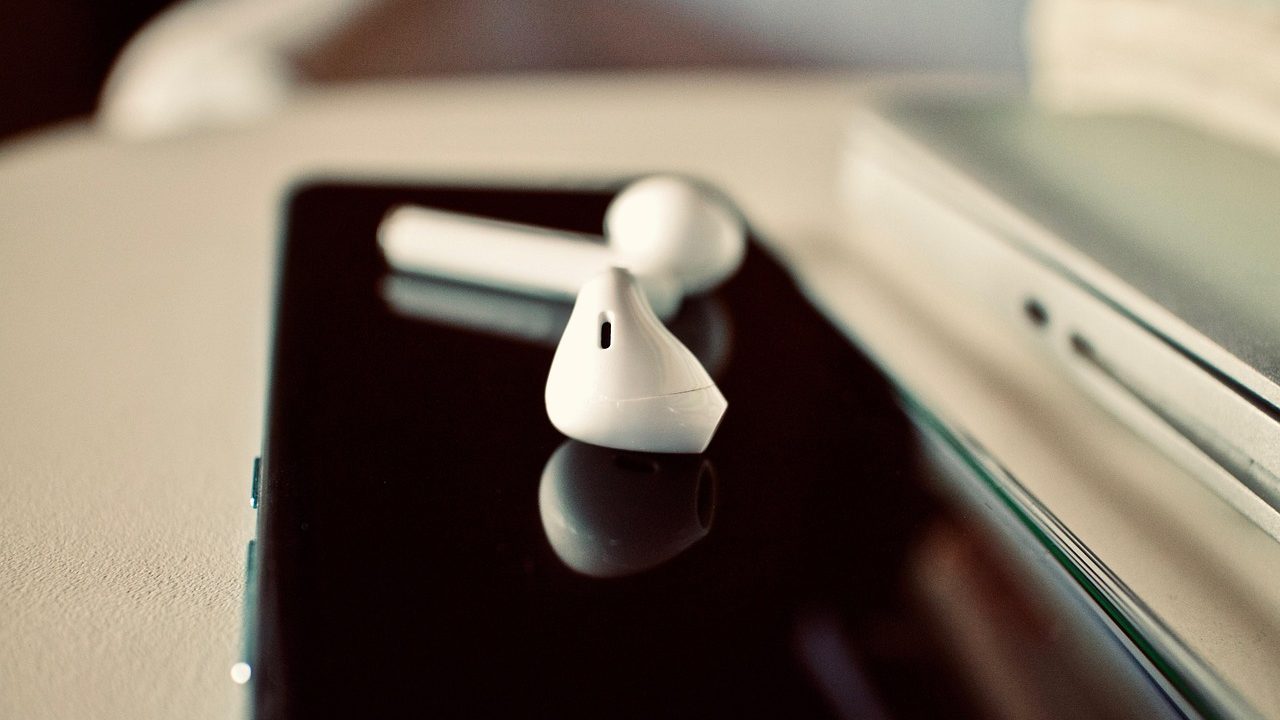
Shopping for personal audio gear can quickly become an expensive proposition. Flagship Bluetooth models routinely cross the two-hundred-dollar threshold, pushing budget-conscious shoppers toward secondary markets. Buying certified pre-owned or renewed hardware offers a practical way to capture high-end acoustic performance at a fraction of the original retail cost. Yet, when evaluating pre-owned personal electronics, one physical reality gives many buyers pause: refurbished wireless earbuds battery life. Because tiny internal power cells degrade naturally over time and heavy use, understanding how secondary market sellers handle battery health is vital before entering your credit card information.
Unlike smartphones, which often display a precise battery health percentage in the settings menu, most compact Bluetooth pods provide very little native diagnostic data about their power storage capacity. You cannot easily open up a micro-housing to swap in a fresh power cell once it starts fading. This structural limitation makes pre-owned audio gear a unique consumer gamble. This guide breaks down the mechanics of lithium-ion wear in miniature form factors, evaluates what manufacturer-certified programs actually test, outlines warranty protections, and helps you determine whether a discounted set fits your daily listening habits.
As the market for renewed technology matures, online marketplaces have exploded with options ranging from manufacturer-refurbished stock backed by official guarantees to third-party liquidators selling open-box items of dubious origin. Navigating this landscape requires more than just looking for the deepest discount. You must weigh the acoustic and electronic trade-offs of hardware that has already lived a prior life in someone else’s pocket or gym bag.
The Core Challenge: Lithium-Ion Degradation in Miniature Form Factors
To understand what you are getting when you buy pre-owned audio hardware, you have to look at the chemistry powering modern portable devices. Nearly all Bluetooth listening devices rely on tiny lithium-ion polymer batteries. These cells are marvels of modern engineering, packing significant charge capacity into enclosures smaller than a pencil eraser. However, they are also subject to immutable laws of electrochemistry and thermodynamics.
Every time a rechargeable cell goes through a full discharge and recharge cycle, microscopic chemical changes occur within its internal layers. Over hundreds of cycles, the physical capacity of the cell diminishes as active lithium ions become trapped or degraded. In a smartphone or laptop, manufacturers can design larger physical spaces to accommodate slightly worn batteries without drastically impacting daily usability. In a compact earbud, however, physical space is aggressively constrained by acoustic drivers, touch sensors, and Bluetooth antennas. A battery that has lost twenty percent of its original capacity represents a noticeable drop in listening time, often shrinking a four-hour commute soundtrack down to a frustrating three hours.
When retail gear sits on a shelf or gets returned by an unsatisfied customer within a thirty-day window, the battery impact is usually minimal. The device may have only experienced a handful of charge cycles. On the other hand, if a pair of buds belonged to a heavy user who ran them down to zero every single day for a year before trading them in, the remaining capacity will be substantially lower. Furthermore, lithium-ion cells are highly sensitive to extreme temperatures. Leaving earbuds inside a hot car during summer or exposing them to freezing winter conditions accelerates chemical wear regardless of actual usage frequency. Because third-party sellers rarely disclose exact cycle counts or historical storage conditions, evaluating the reputation of the renewal source becomes your primary line of defense.
Manufacturer Certified vs. Third-Party Renewed: Understanding the Tiers
Not all pre-owned listings are created equal. When browsing online marketplaces or specialized tech outlets, you will encounter several tiers of discounted gear. Knowing the distinction between them is crucial for managing your expectations regarding long-term reliability and overall device performance.
Manufacturer-certified refurbished units generally represent the gold standard in the secondary market. Major audio brands and authorized distributors take back customer returns, open-box items, or lightly used trade-ins, put them through strict factory inspections, replace consumable parts like silicone tips, update the firmware, and repackage them with official accessories. Crucially, major brands often test battery retention thresholds during this process, discarding or recycling units that fail to hold a specified percentage of their original charge—typically eighty percent or higher.
On the other end of the spectrum are third-party refurbished or renewed products sold by independent merchants. The quality control here varies wildly. While some reputable electronics liquidators employ rigorous testing protocols, others simply wipe the device down, verify that sound comes out of both drivers, and ship it out. Independent listings may use generic charging cables or lack original packaging. More importantly, they may lack any formalized battery testing standard, meaning you could inherit a pair with heavily fatigued internal cells that die prematurely during your daily routine.
There is also the “open-box” category, which often occupies a middle ground. These are items purchased by consumers and returned almost immediately, sometimes without ever being paired to a phone. While open-box items usually feature near-mint battery health, they may lack the official manufacturer warranty extension that comes with certified refurbished hardware, leaving you dependent solely on store return policies.

What Factory Testing Actually Covers
Many consumers assume that a certified renewed label means every single internal component has been stress-tested and brought back to factory-fresh specifications. In practice, refurbishment is primarily an economic triage process rather than a complete mechanical rebuild. Understanding the scope of these tests helps temper unrealistic expectations.
During a typical factory evaluation, technicians focus heavily on functional pass-fail criteria. They check Bluetooth pairing stability, active noise-canceling performance, microphone clarity, and structural housing integrity. They verify that the charging case successfully transfers current to the individual pods and that the magnetic latches function properly. Technicians also wipe all previous device pairing logs and install the latest firmware updates to ensure optimal software performance.
However, running a comprehensive, multi-hour discharge test on every single returned unit is time-consuming and expensive. While tier-one manufacturers often use automated testing rigs to measure voltage drop and rapid capacity checks, third-party renovators may only test whether the device powers on and holds a basic charge for ten minutes. This operational reality explains why checking the warranty policy is far more important than relying solely on vague marketing terms like inspected or tested.
Additionally, factory testing rarely extends to water-resistance verification. If a pair of earbuds relies on rubber gaskets and acoustic meshes for an IPX4 or IPX7 water-resistance rating, disassembling or heavily handling the units during refurbishment can occasionally compromise those seals. If you plan to use your renewed earbuds for sweaty workouts or outdoor runs in the rain, it is worth asking whether the seller guarantees ongoing moisture protection.
Evaluating Warranty Coverage and Return Windows
Because battery degradation is an invisible internal metric, your best protection when buying discounted audio gear is robust warranty support. A strong guarantee signals that the seller stands behind the longevity of the hardware they are putting back into circulation.
When purchasing certified pre-owned tech, look for the following coverage benchmarks:
- Minimum 90-Day Guarantee: Steer clear of final-sale or as-is listings. A reputable seller should provide at least a three-month warranty against hardware failures and severe battery defects.
- Clear Battery Policies: Read the fine print to see if battery degradation is explicitly covered or excluded. Some warranties only protect against total sudden failure, not natural capacity loss.
- Hassle-Free Return Windows: A thirty-day money-back return window gives you enough real-world listening time to verify that the power retention matches your daily needs.
- Direct Support Channels: Buying from established retailers or directly through brand-authorized outlets ensures you have a reliable customer service path if things go wrong.
If a deal seems remarkably cheap but offers zero warranty protection, treat it as a disposable purchase. If the battery dies completely after two weeks, you have essentially thrown your money away. Investing slightly more upfront for a certified unit with a solid one-year warranty often pays off in peace of mind.
Real-World Battery Expectations: What to Anticipate Daily
Managing your expectations regarding daily performance is the key to staying satisfied with budget audio gear. Even brand-new wireless listening devices experience gradual battery wear from the moment you unbox them and expose them to regular charge cycles.
When you purchase a renewed set, expect the actual playback time to fall slightly short of the original manufacturer specification sheet. If a brand-new model advertised six hours of continuous playback on a single charge, a refurbished pair might deliver closer to four and a half or five hours. Features like active noise cancellation (ANC) and transparency modes draw significant extra power, meaning turning them on will drain an older battery even faster. For most daily routines—such as a morning workout, a grocery run, or a couple of office calls—this remaining capacity is more than adequate, especially when you factor in the additional charges stored inside the portable case.
However, if you rely on your gear for extended eight-hour work shifts or long-haul flights where you cannot easily drop the pods back into their case to top up, a pre-owned set with diminished capacity may cause frustration. Assess your listening habits honestly before making a purchase.
It is also worth noting that battery drain is rarely symmetrical. Due to master-slave Bluetooth connection protocols where one earbud acts as the primary receiver and relays audio to the secondary bud, the primary earbud often drains faster. In a brand-new set, this difference is negligible. In a pre-owned set, you might notice one earbud shutting down five or ten minutes before the other, which is a normal consequence of differential wear over time.
How to Test Your Renewed Earbuds at Home During the Return Window
When your refurbished earbuds arrive, do not wait until the return window closes to evaluate their real-world stamina. Because sellers have varying standards, running a structured home test during your first week of ownership is essential to safeguard your investment.
Begin by charging both the earbuds and the case to one hundred percent using a certified wall adapter and cable. Next, disconnect any power cables, put the earbuds in your ears, and start a continuous playback test at a moderate volume level—around fifty to sixty percent, which mirrors typical everyday usage. Make a note of the exact start time.
Monitor when the first earbud drops its connection or signals a low battery alert. Keep in mind that minor battery imbalances between the left and right pods are common in pre-owned gear due to the aforementioned master-slave architectures. However, if a pod dies after only forty-five minutes when four hours was promised, or if the charging case fails to deliver more than a single partial top-off, initiate a return immediately.
Another critical test is checking case retention over twenty-four hours. Charge the case and earbuds fully, disconnect them, and let them sit overnight without using them. The next day, check the battery indicators. If the case has lost fifty percent of its charge while sitting idle, it indicates a failing internal cell or a short circuit in the charging pins, making the unit a poor candidate for long-term ownership.
Hygiene and Safety Considerations for Pre-Owned Audio Gear
Battery performance is only part of the equation when purchasing pre-owned personal electronics. Because earbuds sit directly inside the ear canal, hygiene is a significant factor that many budget-conscious shoppers overlook until the package arrives on their doorstep.
Even when refurbished items are thoroughly sanitized by the seller, taking a few proactive steps upon arrival ensures a clean listening experience. Certified units almost always include brand-new silicone ear tips, which eliminates the primary hygiene concern. If your specific purchase arrived with used tips, discard them immediately and order replacement tips sized specifically for your model.
Additionally, take a close look at the metal or plastic acoustic mesh grilles protecting the drivers. Earwax and environmental debris can accumulate in these tiny crevices over time, muffling sound output and degrading acoustic clarity. A gentle cleaning with a dry, soft-bristled brush or an isopropyl alcohol wipe on the outer housing will restore proper sound propagation and ensure a sanitary fit. Never submerge earbuds in liquid or spray harsh chemicals directly onto the microphone ports or speaker grilles.

Common Mistakes to Avoid When Buying Discounted Audio
Navigating the secondary market successfully requires dodging a few common consumer pitfalls. Keeping these mistakes in mind will help you avoid costly missteps:
- Ignoring Firmware Support: Buying an older legacy model just because it is heavily discounted can backfire if the manufacturer has dropped software support. Without active updates, you may encounter modern Bluetooth connectivity bugs or lose access to companion app features.
- Falling for Unrealistic Discounts: If a pair of flagship active noise-canceling earbuds typically retail for three hundred dollars and an unknown third-party seller lists them in like-new condition for fifty dollars, exercise extreme caution. Counterfeits plague the secondary audio market.
- Skipping the Return Policy Check: Never buy pre-owned electronics without confirming that you can return them if the battery life turns out to be severely compromised.
- Overlooking Case Health: Remember that your listening system consists of two parts. A fresh battery inside the earbuds will not help much if the internal battery inside the charging case is completely dead and cannot hold a charge.
By staying mindful of these potential traps, you can filter out questionable listings and focus on genuine bargains that offer lasting value. Always research the seller’s feedback history and look for verified buyer reviews before committing your funds.
Frequently Asked Questions About Refurbished Wireless Earbuds
To help you weigh your options further, here are answers to common questions about buying and living with pre-owned Bluetooth audio devices:
- Do refurbished earbuds charge slower than new ones? Charging speed is primarily governed by the charging circuit and cable rather than chemical aging, though heavily degraded cells may exhibit unusual thermal behavior or trigger safety cutoffs sooner.
- Can I replace the battery in wireless earbuds myself? For almost all modern consumer models, the answer is no. Manufacturers seal these housings with industrial adhesive to maintain water resistance, making DIY battery swaps practically impossible without destroying the casing.
- Are factory-refurbished items covered by original manufacturer warranties? It depends on the brand. Some manufacturers offer a truncated one-year warranty on refurbished stock, while others rely entirely on the retailer’s third-party guarantee. Always verify the specific paperwork included with the purchase.
- How can I tell if refurbished earbuds are counterfeit? Check the companion smartphone app. Counterfeit devices often fail to connect to official manufacturer apps like Apple’s Find My or Sony’s Headphones Connect, which is a dead giveaway of fake hardware.
Making the Final Decision: New vs. Renewed Audio Gear
Deciding between a fresh retail box and a budget-friendly certified renewed alternative ultimately comes down to your priorities regarding price, longevity, and peace of mind. If you want a pristine warranty, zero battery wear, and the absolute maximum lifespan from your investment, paying full retail for a brand-new set remains the safest choice.
However, if you are comfortable with a minor reduction in maximum playback time, want to test out a high-end acoustic ecosystem without breaking the bank, and purchase from a reputable seller offering a solid return window and warranty, buying renewed makes immense financial sense. By prioritizing transparency, checking return policies, and understanding the physical realities of miniature power cells, you can secure reliable personal audio gear while keeping your budget intact.