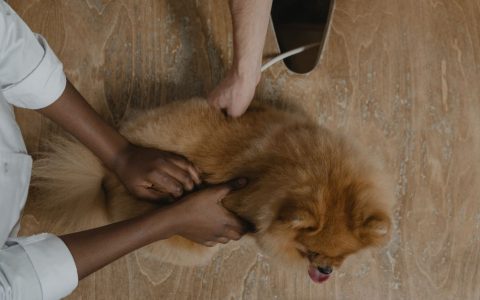
When your veterinarian diagnoses age-related kidney decline, recommending a therapeutic kidney support formula is standard practice. Navigating a senior dog prescription diet transition, however, is rarely as simple as pouring a new bag of kibble into the bowl. Older dogs are notoriously set in their ways, possessing refined palates and sensitive digestive systems that struggle with sudden shifts in protein levels, phosphorus content, and fat ratios.
Renal diets are specifically formulated to reduce the workload on failing kidneys by restricting phosphorus and providing controlled amounts of high-quality protein. Yet these precise nutritional adjustments often result in a food that tastes quite different from standard maintenance kibble. If you swap brands overnight, you risk triggering severe gastrointestinal distress—such as vomiting, diarrhea, and severe gas—or outright food refusal that leaves your dog starving themselves rather than eating their medicine.
This guide breaks down a reliable, compassionate strategy for switching your aging dog to kidney food. By following a structured timeline, understanding how to enhance palatability safely, and monitoring hydration closely, you can protect your dog’s organ function while keeping mealtime stress-free.
Understanding the Mechanics of Renal Support Nutrition
Before introducing any changes, it helps to understand what makes therapeutic renal diets unique. Standard adult dog foods contain higher levels of phosphorus and protein to support active musculature. While healthy organs easily filter these byproducts, aging kidneys lose their microscopic filtering units, known as nephrons. When phosphorus builds up in the bloodstream, it accelerates kidney damage and makes dogs feel systemically nauseated.
Prescription diets lower phosphorus and sodium while maintaining caloric density through healthy fats and easily digestible carbohydrates. Because phosphorus binders and altered protein sources change the baseline aroma and taste of the food, manufacturers rely on specific processing techniques to make it palatable. Even so, the sensory profile is distinctly different from the high-phosphor, high-protein foods your dog has spent years enjoying.
Recognizing this reality changes your approach. You are not just changing brands; you are retraining your dog’s palate and helping their gut microbiome adapt to a radically different chemical composition.
Furthermore, understanding the biological timeline of kidney disease helps contextualize why this dietary shift is non-negotiable. Chronic kidney disease in dogs is progressive. By the time clinical signs manifest and routine bloodwork confirms elevated creatinine or blood urea nitrogen (BUN) levels, a substantial percentage of functional renal tissue has already been lost. Therapeutic renal diets are clinically proven to slow the progression of this decline, reduce uremic episodes, and improve both the length and quality of life. Knowing that the food itself functions as a vital medical intervention can give you the necessary patience during difficult days when your dog initially balks at the bowl.
To put this into perspective, veterinary medicine often relies on the International Renal Interest Society (IRIS) staging system to classify chronic kidney disease. In the early stages (IRIS Stages 1 and 2), outward symptoms may be completely absent, yet dietary intervention can dramatically prolong the time before the disease advances to more severe uremic crises. In later stages (IRIS Stages 3 and 4), controlling phosphorus intake becomes even more critical because the kidneys can no longer excrete excess mineral content efficiently. If dietary phosphorus is not restricted during these advanced phases, it binds with calcium in the body, leading to mineral deposits in soft tissues and a rapid deterioration of remaining kidney function. This makes the dietary transition not just a matter of comfort, but a fundamental pillar of life extension.
The Core Golden Rule: The 7-to-10-Day Mixing Schedule
The single biggest mistake pet owners make is switching foods cold turkey. While some resilient younger dogs tolerate abrupt changes, a senior dog experiencing organ stress cannot handle sudden dietary shocks. A slow, methodical blending schedule gives the gastrointestinal tract time to adjust its enzyme production and allows the gut flora to shift.
A standard 10-day transition schedule works well for most dogs, though you should extend it to 14 days if your dog has a particularly sensitive stomach:
- Days 1 to 3: 75 percent current food, 25 percent prescription renal food.
- Days 4 to 6: 50 percent current food, 50 percent prescription renal food.
- Days 7 to 9: 25 percent current food, 75 percent prescription renal food.
- Day 10 and beyond: 100 percent prescription renal food.
If your dog develops loose stool or vomiting at any step, do not push forward. Drop back to the previous day’s ratio for a few extra days until digestion stabilizes, then resume the progression at a slower pace.
To execute this accurately, invest in a digital kitchen scale if you feed by weight, or use standard measuring cups dedicated solely to the transition. Eyeballing the ratios often leads to accidental rapid increases that upset sensitive stomachs. Additionally, keep a daily feeding log. Jot down how much of the meal your dog consumed, their stool consistency, and any behavioral changes around feeding time. This meticulous tracking provides invaluable data if you need to consult your veterinarian mid-transition.
When mixing dry kibble formulas, pay close attention to how you blend the pieces. Sometimes, dogs will meticulously pick out their old, familiar kibble and leave the new prescription pieces sitting lonely at the bottom of the bowl. To prevent this sorting behavior, consider adding a splash of warm water or an approved liquid enhancer and mixing the bowl thoroughly so that the kibble pieces coat one another, masking differences in texture and making it much harder for your dog to separate the old from the new.
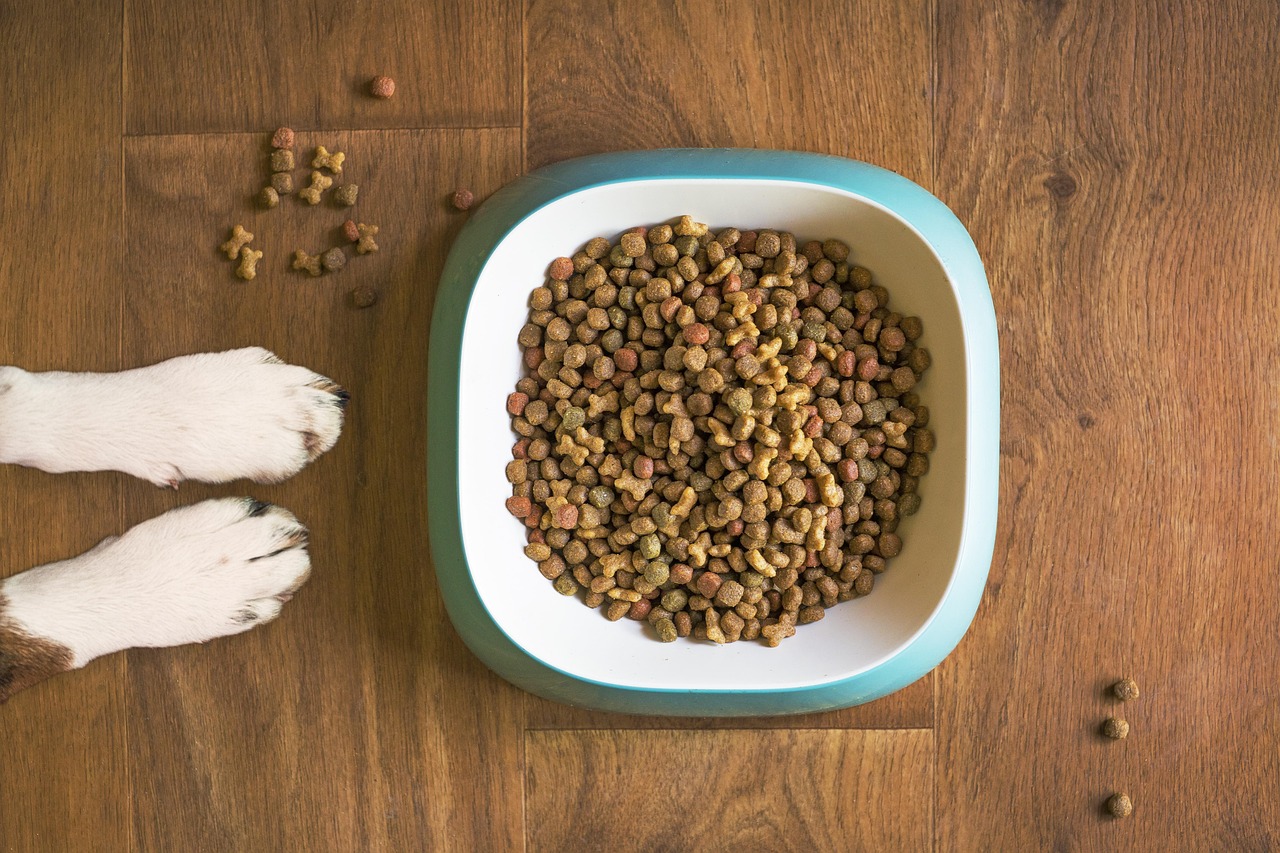
Troubleshooting Palatability: When Your Dog Refuses the New Food
Renal diets are often described as bland by dogs accustomed to rich, high-protein kibble. Food refusal is a common hurdle during a senior dog prescription diet transition, and it can create a stressful standoff between you and your pet. It is vital to remember that a dog with kidney disease cannot afford to go without eating for days, as fasting can trigger dangerous metabolic complications, including hepatic lipidosis or worsening uremia as the body breaks down its own muscle mass.
Fortunately, you can enhance palatability without undermining the therapeutic goals of the diet. Always consult your veterinarian before adding anything to the bowl, but consider these safe, vet-approved flavor enhancers:
- Warm Water or Low-Sodium Broth: Adding warm water releases the fat aromas trapped in the kibble. Alternatively, use a homemade, sodium-free bone broth or a commercially prepared broth specifically certified free of onions, garlic, and added salt.
- Prescription Renal Wet Food: Most veterinary brands offer both dry kibble and canned formulas for renal support. Mixing a spoonful of the matching canned food into the dry kibble creates an appealing gravy texture and significantly boosts aroma.
- Omega-3 Fatty Acids: High-grade fish oil pumps up the calorie count, adds appealing flavor, and provides anti-inflammatory benefits that support overall kidney and joint health in older dogs.
- Warming the Meal: Popping the bowl in the microwave for five to ten seconds wakes up the volatile fatty acids, making the food smell much more enticing to a dog with a fading sense of smell.
Another subtle trick is changing the delivery mechanism. Some older dogs lose interest in traditional bowls due to neck arthritis or visual impairment, while others simply respond well to novelty. Try feeding your dog their transitional mix out of an interactive puzzle toy, scattering it on a snuffle mat, or hand-feeding a few kibbles as positive reinforcement during gentle obedience exercises. Turning mealtime into an engaging game can bypass their initial skepticism and get them tasting the new food without a battle of wills.
It is also worth noting that commercial pet food manufacturers design renal diets in multiple flavor profiles and textures, including stew cuts, loaf formats, and distinct kibble shapes. If your dog flatly rejects one specific brand or texture, do not assume they hate all prescription kidney foods. Speak with your veterinarian about securing trial bags or cans from an alternative veterinary brand. Finding a formulation that matches your dog’s lifelong texture preferences can dramatically ease the transition process.
Managing Hydration and Water Intake
Hydration is the cornerstone of kidney management. When kidneys lose their concentrating ability, dogs produce more dilute urine and lose large amounts of water daily. They must drink enough to compensate, or toxins will rapidly concentrate in the bloodstream.
During a diet transition, moisture levels become even more critical. Dry kibble contains roughly 10 percent moisture, whereas canned renal diets contain around 70 to 80 percent moisture. Transitioning your dog to include wet food formulas—or actively soaking their dry kibble—automatically increases their daily water intake without requiring them to drink excessively from the bowl.

To encourage better hydration habits around the house, place multiple fresh water stations in low-traffic areas where your senior dog likes to rest. Many older dogs prefer running water and will drink significantly more from a pet water fountain than a stagnant ceramic bowl. Keep water fresh by washing bowls daily, and monitor how frequently you are refilling them to spot any sudden drops or spikes in consumption.
If your dog remains reluctant to drink sufficient water, talk to your veterinarian about adding unflavored Pedialyte or specialized veterinary oral hydration fluids to their water bowl, or explore the possibility of subcutaneous fluid therapy administered at home. SubQ fluids are a game-changer for many advanced-stage renal patients, providing a reliable hydration buffer that protects kidney function when oral intake fluctuates.
Additionally, keeping track of your dog’s hydration status at home can be done through simple physical checks. Gently pinch the loose skin over your dog’s shoulders and release it; in a well-hydrated dog, the skin snaps back into place instantly, whereas sluggish recoil can indicate dehydration. You should also monitor the moisture level of their gums—they should feel slick and wet rather than tacky or dry. If you notice persistent signs of dehydration alongside food refusal, contact your veterinary clinic immediately, as clinical fluid support may be required to break the cycle of uremic nausea.
Common Mistakes to Avoid During the Switch
Even with the best intentions, pet owners often stumble over a few recurring pitfalls during this process. Avoiding these missteps will save you and your dog considerable frustration:
- Adding High-Phosphorus Toppers: Resist the urge to mix in leftover table scraps, cheese, or standard commercial treats to entice your dog. Many common treats are packed with phosphorus and protein, which completely counteracts the purpose of the prescription diet. Stick to vet-approved renal treats if needed.
- Giving Up Too Soon: Dogs are masters of emotional manipulation. If your dog turns up their nose on day two, it does not mean they hate the food forever; it often means they are suspicious of the change. Stay consistent and resist the urge to panic-switch to something else.
- Ignoring Underlying Nausea: Kidney disease naturally causes a buildup of uremic toxins in the blood, leading to stomach ulcers and severe nausea. If your dog refuses food accompanied by drooling, lip-smacking, or vomiting, the issue may not be the taste of the food, but active uremic nausea. Your veterinarian can prescribe safe anti-nausea medications to restore their appetite.
Another frequent error is failing to coordinate the diet change with other necessary medications or supplements. If your dog takes binders, blood pressure medications, or joint supplements, verify with your veterinarian that these do not interact negatively with the new nutritional profile. Timing matters immensely when managing complex geriatric care regimens.
Furthermore, avoid making multiple drastic lifestyle changes simultaneously. If you are moving your senior dog to a new home, introducing a new pet, or changing their sleeping arrangements, try to decouple these stressors from the dietary transition window whenever possible. Stability in their immediate environment helps reduce anxiety, which in turn supports a healthier appetite and more predictable digestive patterns.
Frequently Asked Questions About Senior Renal Diets
Pet owners navigating kidney disease for the first time often have urgent operational questions. Here are clear answers to some of the most common queries regarding prescription renal transitions:
- Can I give my other dogs access to the renal food? While an accidental bite or two won’t harm a healthy adult dog, long-term consumption of a low-protein, low-phosphorus diet is not appropriate for non-renal dogs, as it can lead to muscle wasting over time. Feed your senior dog in a separate area if necessary.
- What should I do if my dog refuses to eat for more than 24 hours? Cats and dogs with kidney disease cannot safely fast. If your dog has eaten nothing for a full day, call your vet immediately. They may need short-term appetite stimulants or anti-nausea injections.
- Are commercial over-the-counter senior diets the same as prescription renal diets? No. Over-the-counter senior foods are formulated for older dogs with generally functioning organs and often contain higher phosphorus levels than what is safe for clinically compromised kidneys. Prescription diets are strictly regulated medical foods.
Reviewing these common scenarios helps demystify the road ahead, empowering you to respond calmly to minor setbacks rather than abandoning a necessary medical plan.
Working with Your Veterinarian for Long-Term Success
Transitioning to a kidney support diet is rarely a static event; it is the beginning of a long-term nutritional management plan. As kidney disease progresses through its various stages, your dog’s caloric needs, electrolyte balances, and protein tolerances will shift.
Schedule a follow-up appointment four to six weeks after completing the transition. Your veterinarian will typically run blood chemistry panels and urinalysis to evaluate how well the new diet is stabilizing kidney function markers like creatinine and BUN. Use this visit to discuss any ongoing palatability hurdles, weight fluctuations, or changes in bathroom habits. With patience, consistency, and close veterinary guidance, you can make this vital nutritional transition a seamless part of keeping your senior dog comfortable and well-nourished.
Ultimately, managing a senior dog with declining renal function is a marathon rather than a sprint. There will be good weeks and challenging days where appetite wanes. By maintaining open lines of communication with your veterinary team, keeping a close eye on clinical metrics like body weight and hydration, and remaining steadfast during the initial transition window, you provide your aging companion with the highest possible standard of care during their golden years.