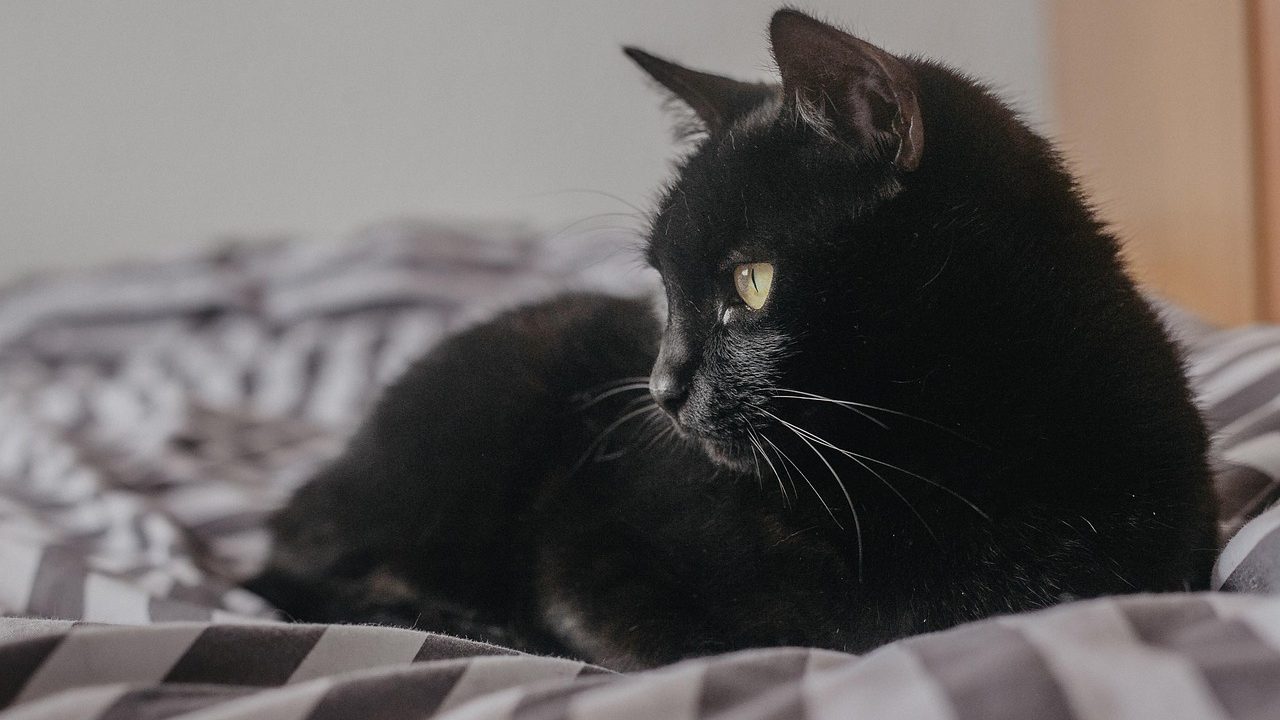
When your cat crosses the threshold into their senior years—typically around eleven or twelve—their daily world changes in subtle, profound ways. An indoor cat that once scaled doorframes and leaped effortlessly from the floor to the top of the refrigerator may start hesitating before making a jump. You might notice them sleeping longer hours, showing less interest in frantic wand-toy chases, or staring blankly into corners. These shifts are often chalked up to normal aging, but they usually signal changing physical capabilities and sensory processing. Implementing a thoughtful senior indoor cat enrichment guide helps bridge the gap between keeping your cat safe indoors and ensuring they maintain a high quality of life.
Veterinary consensus points out that indoor cats face unique challenges as they age. Without the natural physical and mental stimulation of an outdoor environment, indoor seniors rely entirely on their human caregivers to curate their surroundings. When that environment remains static while the cat’s body and mind change, boredom, stiffness, and behavioral stress can set in. Fortunately, supporting an aging feline does not require a complete home remodel. It requires a shift in perspective, moving away from high-intensity acrobatics toward low-impact comfort, accessible vertical territory, and targeted cognitive engagement.
Understanding the Aging Indoor Cat
Before designing an enrichment plan, it helps to understand what is happening physiologically and behaviorally inside an older cat. Most cats experience some degree of degenerative joint disease, commonly known as osteoarthritis, by the time they reach middle age or older. Even if they do not limp, their joints lose cushioning, making high-impact landings hard on their shoulders, hips, and spines. At the same time, their senses—particularly vision and hearing—may become less sharp, and their cognitive processing can slow down.
These physical realities change how a cat interacts with their indoor environment. A high perch that was once a comforting sanctuary becomes a frustrating obstacle if the cat hurts themselves getting down. An unpredictable home layout can disorient a cat with diminishing eyesight. Recognizing these limitations allows you to adapt your home proactively rather than waiting for your cat to stop moving altogether. Enrichment for a senior cat is fundamentally about preservation: preserving mobility, preserving autonomy, and preserving mental sharpness.
Beyond physical joint degradation, senior cats often undergo neurological changes that affect their sleep-wake cycles, spatial awareness, and social interactions. A cat that wakes up disoriented in the middle of the night may vocalize more or wander aimlessly. By understanding that these behaviors stem from physiological shifts rather than intentional naughtiness, you can approach enrichment with greater empathy and patience.
Redesigning Vertical Space for Low-Impact Climbing
Cats are naturally vertical creatures. They feel secure when they can survey their territory from an elevated vantage point. However, standard cat trees are often tall, wobbly, and spaced with leaps that are too demanding for arthritic joints. Adapting vertical space for a senior cat means trading height for accessibility.
You do not need to throw away your cat’s favorite tall furniture; instead, modify the approach. If your cat loves sitting on the back of the sofa or a high windowsill, add intermediate steps. Low-profile pet stairs, sturdy storage ottomans, or custom wooden ramps covered in non-slip carpet can transform a vertical challenge into an easy, gradual incline. Ensure that any ramp or step has a high-traction surface so your cat’s paws do not slip, especially during descent when joint pressure is highest.
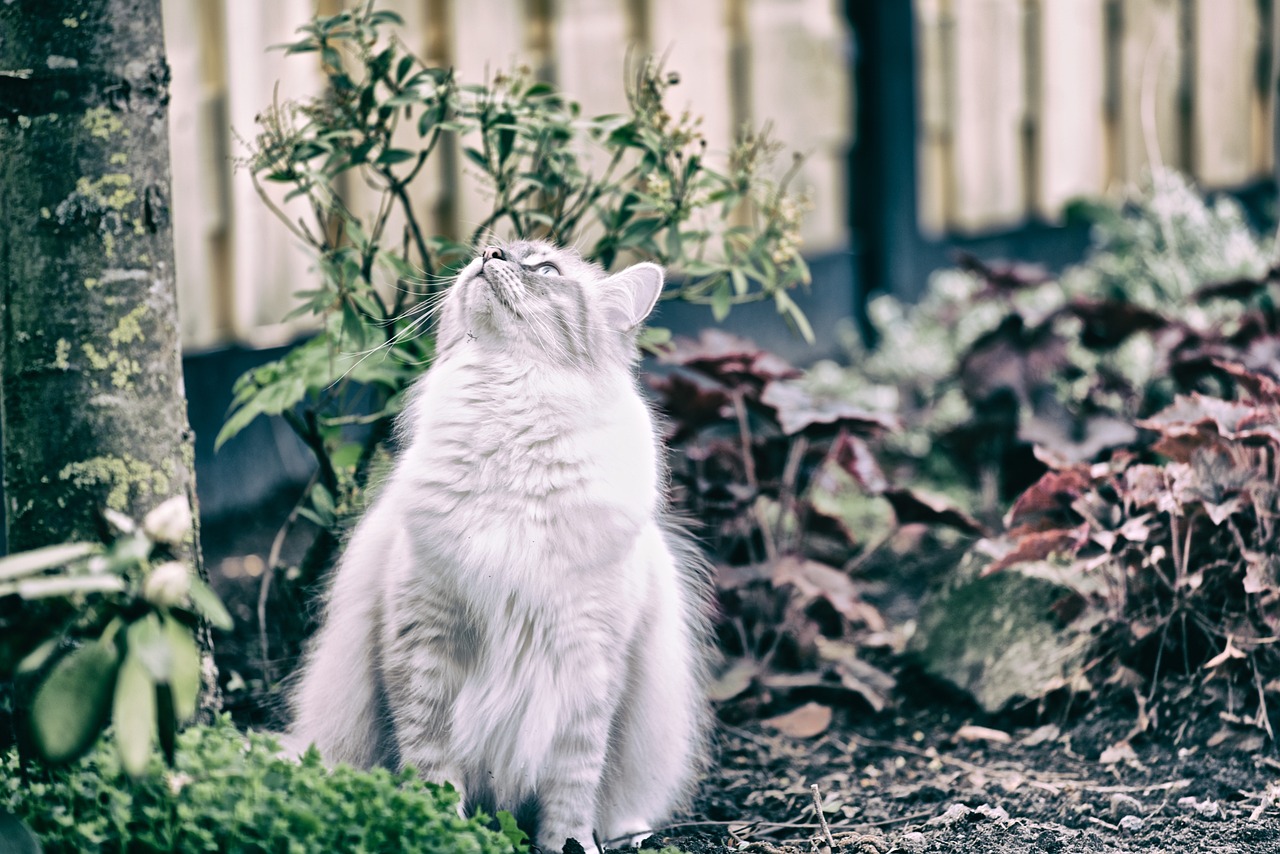
Consider creating ‘staggered shelving’ networks where each tier is only six to ten inches apart vertically. This allows your cat to continue climbing, stretching their spine and using their muscles, without executing high-risk leaps. Wall-mounted steps should be wide enough for the cat to turn around comfortably without losing their balance. By lowering the stakes of vertical exploration, you encourage your senior cat to keep using their climbing muscles safely.
When selecting materials for modified climbing surfaces, prioritize high-friction options like dense loop carpet, sisal mats, or textured rubber backing. Avoid slick wood, polished laminate, or loose throw rugs that slide out from under paws. Secure every platform to wall studs or heavy furniture frames to eliminate any wobbling, as instability causes immediate anxiety and physical guarding in older felines.
Sensory Stimulation and Mental Boredom Relief
Mental exercise is just as important as physical movement for an aging cat. When physical activity declines, cognitive stimulation prevents boredom and can help stave off signs of feline cognitive dysfunction—the cat equivalent of dementia. Sensory enrichment targets the cat’s primary senses: sight, sound, smell, and touch.
Visual stimulation can be as simple as moving a scratching post closer to a sunny window where the cat enjoys watching birds and neighborhood activity. If your cat spends hours gazing outside, ensure the windowsill has a comfortable, orthopedic foam bed so their bones are not resting on cold, hard wood. For indoor cats with limited window access, playing slow-paced nature videos designed for cats on a tablet or television screen can provide gentle visual engagement.
Olfactory enrichment is remarkably powerful for cats. Felines experience the world largely through scent. Introducing safe, novel aromas can spark curiosity and wake up a sleepy brain. Catnip and silver vine are classic choices, but you can also rotate sensory herbs like valerian root or chamomile in small, sealed muslin bags. Scatter these around different rooms every few days to encourage gentle exploration and sniffing without requiring physical exertion.
Tactile enrichment also deserves attention. Older cats may stop scratching vertical posts if the sisal is worn or difficult to grip. Introduce horizontal scratching pads made from corrugated cardboard or soft woven seagrass placed flat on the floor. These require no stretching or jumping, allowing cats with sore shoulders to scratch and scent-mark comfortably.
Low-Stress Play and Gentle Interactive Toys
Traditional play sessions involving high-speed leaps and rapid directional changes can frustrate an older cat that can no longer keep up. However, play remains a vital outlet for predatory instincts and bonding. The key is modifying how you play.
Slow down the pace of interactive wand toys. Instead of making the feathery attachment zip through the air, drag it slowly along the floor, allowing the cat to stalk it with low, deliberate movements. Let your cat capture the toy frequently so they experience success without exhausting themselves. Keep play sessions short—five minutes is often plenty for a senior cat—and conduct them on carpets or area rugs rather than slick hardwood floors to prevent slipping.
For solo play, ditch heavy, complex puzzle toys that require paw dexterity your cat may no longer possess. Instead, use simple treat balls that dispense kibble with a gentle nudge of the nose, or shallow muffin tins where dry treats are hidden beneath lightweight tennis balls. These low-effort puzzles reward curiosity and keep the cat’s problem-solving skills active.
Monitor your cat’s stamina during and after play. Heavy panting, sudden reluctance to move, or hiding immediately afterward indicates that the activity was too strenuous. Scale back the duration or intensity during the next session to keep play strictly positive and low-impact.
Optimizing Floor-Level Accessibility
While vertical space matters, a senior cat’s daily life happens primarily at floor level. Making your home environment genuinely senior-friendly requires looking at the ground through your cat’s eyes. Are their essential resources—food, water, and litter boxes—easy to reach?
If you live in a multi-story home, ensure that every floor has a complete set of resources. An aging cat should never have to climb a flight of stairs just to get a drink of water or use the bathroom. Litter boxes should be evaluated for entry height. Many standard commercial litter boxes have high plastic lips that force an older cat to lift their back legs painfully high. Switch to boxes with low-cut entryways or use shallow storage bins modified with a safe, rounded cutout at the front.
Food and water bowls should be elevated slightly off the floor using stable stands. This reduces the strain on the cat’s neck and wrists while eating and drinking. Placing multiple water stations around the home—including wide, shallow ceramic bowls and pet water fountains—encourages proper hydration, which is critical for senior kidney health.
Additionally, keep pathways clear of clutter, electrical cords, and stray shoes. Cats with diminishing vision rely on clear pathways to navigate safely without bumping into obstacles or tripping.
Creating Safe and Predictable Resting Spaces
Senior cats sleep significantly more than younger adults—often up to sixteen to twenty hours a day. However, restorative sleep depends on feeling secure and comfortable. Aging bodies are sensitive to drafts and hard surfaces, making orthopedic support a necessity rather than a luxury.

Invest in pet beds filled with memory foam or egg-crate foam that cushions pressure points around the hips and shoulders. Place these beds in warm, quiet areas of the house where the cat will not be startled by household traffic, but keep them accessible away from cold drafts. If your cat has favorite sleeping spots on your bed or the living room couch, provide easy-to-use ramps or low steps so they can reach their preferred sleeping zones without asking for a lift.
Predictability is also a form of environmental enrichment for older cats. Cats with declining vision or cognitive processing rely heavily on consistency. Avoid moving furniture, food bowls, or litter boxes frequently. If you must rearrange a room, do so gradually and introduce your cat to the new layout by guiding them gently through the space so they can remap it safely in their minds.
Consider placing multiple resting options in different rooms so your cat never feels isolated from family activities, even when they choose to nap. A warm spot near a radiator in winter or a shaded, airy corner in summer keeps thermal comfort optimal for aging joints that are sensitive to temperature changes.
Positive Reinforcement and Routine Maintenance
Interacting with an aging cat requires patience and positive reinforcement. Never scold a senior cat if they miss the litter box or lose interest in an activity; these behaviors are almost always indicators of physical discomfort or stress. Instead, reward desired behaviors generously.
Offer high-value, veterinary-approved senior treats when your cat uses their new ramps, explores a sensory mat, or successfully uses a low-entry litter box. Positive reinforcement builds confidence and maintains a strong bond between you and your cat during a stage of life where they may feel increasingly vulnerable.
Incorporate gentle grooming into your daily routine. Senior cats often lose flexibility, making it difficult for them to groom parts of their lower back, tail, and hind legs. Daily brushing not only prevents painful mats and skin irritation but also acts as a soothing tactile experience that mimics social grooming, reducing stress and providing wonderful physical contact.
Routine claw maintenance is equally crucial. As cats age, they scratch less frequently, leading to overgrown claws that can curve around and pierce the paw pad. Check and trim your senior cat’s claws every two to three weeks to prevent discomfort during walking.
Common Pitfalls in Senior Cat Care
When trying to enrich an older cat’s life, well-meaning owners sometimes make common mistakes that inadvertently cause stress or injury. Avoiding these pitfalls ensures your enrichment efforts hit the mark.
- Overhauling the environment too quickly: Sudden, massive changes to home layout or furniture can disorient a senior cat, especially those with fading eyesight or mild cognitive decline. Make changes incrementally.
- Using slick or unstable surfaces: Placing ramps or steps on bare hardwood without non-slip traction mats creates slipping hazards that discourage use and risk joint injury.
- Ignoring subtle pain signs: Assuming a cat is simply ‘lazy’ when they stop jumping often masks underlying arthritis. Always consult your veterinarian to rule out pain before deciding a cat is just slowing down.
- Introducing high-energy new pets or chaotic toys: While kittens love loud, unpredictable toys and high-energy playmates, senior cats find chaotic environments deeply stressful. Keep their immediate living space calm and predictable.
- Neglecting dental health: Oral pain can make cats reluctant to eat or interact. Ensure dental checkups are part of your routine senior wellness plan.
Frequently Asked Questions About Senior Cat Enrichment
How can I tell if my senior cat is in pain or just resting more?
While senior cats naturally sleep more, signs of pain include hesitating before jumping, missing the litter box, uncharacteristic irritability when touched around the hips or lower back, decreased grooming, and stiffness after resting. If you notice these signs, consult your veterinarian for an arthritis evaluation.
Are high cat trees completely off-limits for older cats?
Not necessarily, but traditional tall cat trees should be modified. You can add sturdy intermediate platforms, ramps, or lower steps so the cat can reach upper levels without making dangerous leaps. Alternatively, transition favorite observation spots to sturdy low-profile window perches.
How do I introduce a new sensory toy without scaring my senior cat?
Introduce new items gradually by placing them near resting areas without forcing interaction. Let your cat approach the object on their own terms, and pair the introduction with praise or a favorite treat to build positive associations.
By tailoring your home to match your cat’s changing physical needs, you remove daily friction and open up new avenues for safe, low-impact joy. A thoughtful approach to environmental adaptation ensures your feline companion’s golden years are comfortable, engaging, and filled with quiet contentment.