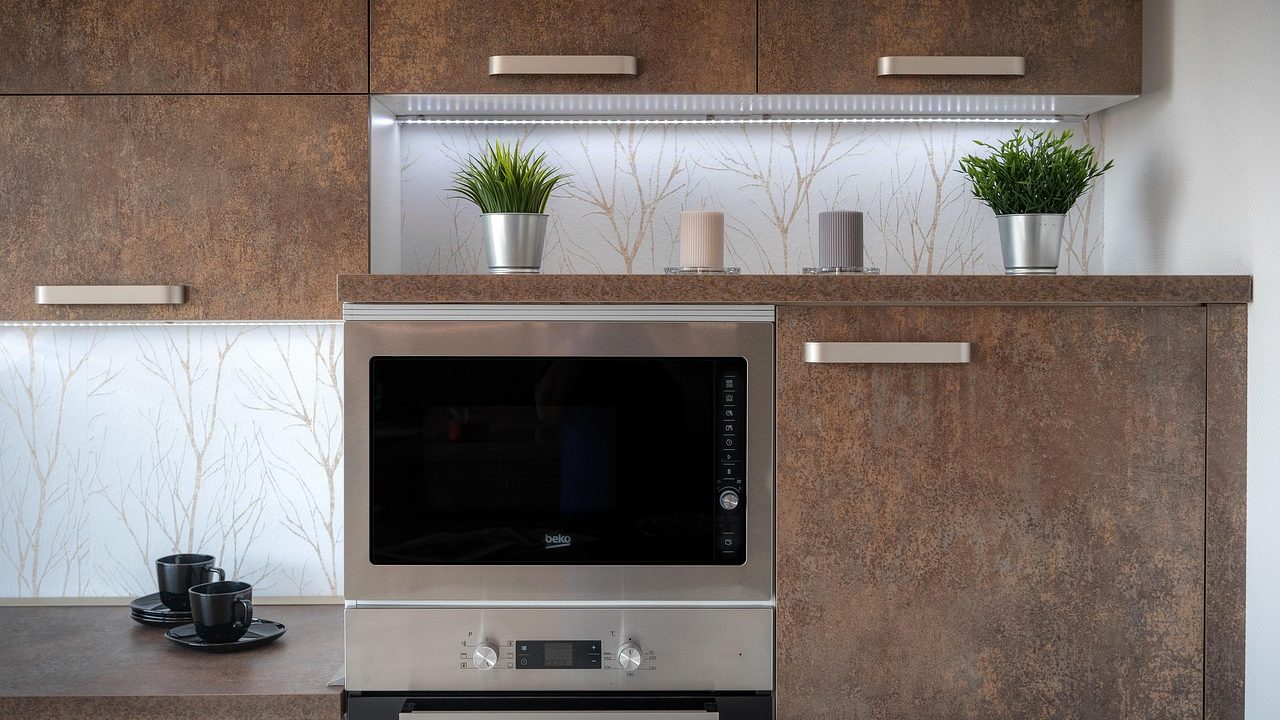
When planning a major kitchen overhaul, few decisions impact your daily routine quite like your primary cooking appliances. If you are comparing a steam oven vs conventional wall oven, you are looking at two fundamentally different approaches to domestic cooking. Traditional thermal wall ovens have anchored American kitchens for decades, relying on dry radiant heat and convection fans to bake, broil, and roast. In contrast, combi steam ovens inject precise amounts of moisture into the cooking cavity, promising crisper crusts on sourdough loaves, juicier roasted chicken, and superior leftovers.
Yet, upgrading to a high-end steam appliance is rarely a simple swap. Beyond the higher upfront equipment cost, you have to weigh kitchen remodel appliance sizing, custom cabinet modifications, and potential plumbing retrofits. This guide breaks down how these two oven types perform in real-world kitchens, what it takes to install them, and how to determine whether a steam unit deserves a spot in your footprint.
How Conventional Convection Wall Ovens Work
Traditional thermal wall ovens operate on a straightforward premise: heating elements at the top and bottom of the cavity radiate heat, while a convection fan circulates that hot air to eliminate hot spots. Standard electric wall ovens typically require a dedicated 240-volt electrical circuit and standard cutouts in your cabinetry.
For decades, standard wall ovens have evolved to include advanced features like hidden bake elements, telescopic rack glides, and integrated meat probes. They excel at high-heat tasks like searing steaks on broil, baking large batches of cookies across multiple racks, and handling oversized holiday turkeys. Because they rely on dry heat, they require no water lines, drain connections, or specialized descaling cycles, making them remarkably low-maintenance over their lifespan.
In a standard American kitchen, the single or double convection wall oven remains the anchor of meal preparation. Because dry heat removes moisture from the surface of foods rapidly, it creates the Maillard reaction essential for browning meats and achieving crisp textures on roasted root vegetables. When you open the oven door to baste a turkey or check on a soufflé, the thermal recovery time is well-understood, and the physical footprint fits standard 30-inch cabinet tower configurations found in almost every home improvement center.
Furthermore, standard conventional ovens are built around high-wattage elements that can reach extreme temperatures quickly. Whether you are running a self-cleaning cycle at 900 degrees Fahrenheit or utilizing a high-power broil element to caramelize a glaze, thermal ovens handle brute-force cooking tasks with ease. Their mechanical simplicity also means that when minor repairs are necessary, parts are readily available, and local service technicians are universally familiar with their internal wiring diagrams and thermostat controls.
Understanding Combi Steam Ovens and Steam Injection
A combi steam oven combines pure convection cooking with adjustable steam injection. Instead of drying out food through intense radiant heat, steam units introduce moisture into the sealed cooking cavity. This prevents proteins from drying out and accelerates heat transfer, allowing meats to cook faster without losing their natural juices.
Most residential steam ovens fall into two categories: reservoir-filled models and plumbed models. Reservoir units feature a small, removable water tank that you fill manually before cooking. Plumbed units connect directly to your household cold water supply and a drain line, operating much like an upscale dishwasher. While reservoir units are far easier to install during a minor update, plumbed units eliminate the need to empty or refill tanks during long cooking cycles.
The engineering behind combi steam technology relies on precision sensors that monitor humidity levels inside the oven cavity. By maintaining a specific relative humidity percentage—say, 30 percent steam for roasting beef or 80 percent steam for poaching fish—the oven creates a microclimate that alters how starches gelatinize and proteins coagulate. This scientific approach to domestic cooking translates to fewer instances of overcooked poultry or dry, crumbly cakes.
When using a combi steam oven, you can often program multi-stage cooking profiles. For example, you might start a loaf of bread with 100 percent steam for the first fifteen minutes to maximize oven spring and gelatinize the starches on the dough surface, then switch to dry convection heat for the remaining bake time to set a thick, crunchy crust. This level of programmability gives home cooks capabilities that were once exclusive to commercial bakery decks and high-end restaurant kitchens.

Cooking Performance Showdown
When evaluating cooking capabilities, the two oven styles shine in different culinary arenas. Conventional wall ovens remain unmatched for high-temperature roasting, heavy-duty baking, and dry-heat applications. If you regularly bake large sheet pans of pastries or prefer a traditional high-heat roast, a standard convection oven delivers consistent, predictable results.
Combi steam ovens, however, excel in moisture-sensitive tasks. Reheating leftover pizza in a steam oven restores the crust’s crispness without turning the toppings into leather. Steaming vegetables retains vitamins and bright colors without requiring stovetop steamer baskets. Furthermore, combining convection heat with steam injection creates the ideal microclimate for baking artisan bread, allowing the dough to spring higher and develop a glossy, crackling crust.
Consider how each appliance handles everyday family meals. If your weekly routine involves roasting a whole chicken, baking multiple trays of chocolate chip cookies, and broiling salmon fillets, a conventional oven handles these disparate tasks reliably. However, if your household frequently meal-preps grains, reheats delicate casseroles, bakes sourdough bread, or cooks delicate fish, the combi steam oven transforms those specific culinary outcomes. The steam transfers heat so efficiently that dense root vegetables like sweet potatoes roast in a fraction of their normal time without needing heavy coatings of oil.
At the same time, it is important to recognize the limitations of steam ovens. Because they introduce moisture, they cannot achieve the same rapid surface dehydration as a dry convection oven when you want an exceptionally dry, brittle skin on certain roasted items without specific multi-stage programming. They also require adjustments to standard baking recipes; because steam accelerates heat transfer, baking times and temperatures often need to be slightly modified to prevent overcooking cakes or quick breads.
Kitchen Remodel Appliance Sizing and Cabinet Modifications
Integrating a new oven into your layout requires careful attention to dimensions. Standard single wall ovens typically fit a 30-inch cabinet cutout, though 24-inch and 27-inch models remain common in smaller footprints. If you are replacing a standard 30-inch thermal oven with another 30-inch model, the structural carpentry is usually minimal.
However, adding a steam oven often changes your spatial strategy. Many homeowners choose to install a compact 24-inch steam oven stacked above or beside a standard wall oven, or paired with a matching speed-cook microwave. This requires custom cabinet framing, reinforced shelving to support the combined weight, and precise electrical placement. If your cabinet maker is not informed of the exact appliance model specifications early in the design phase, you may face expensive on-site carpentry adjustments.
Furthermore, because many dedicated combi steam ovens are built to European standard 24-inch widths rather than standard American 30-inch widths, installers frequently use matching trim kits to bridge the gap in existing 30-inch wall stacks. Planning for ventilation clearance is another vital consideration; steam ovens expel moisture and warm air at the end of a cooking cycle, and your surrounding custom cabinetry must feature moisture-resistant finishes or specialized thermal shielding to prevent warping over years of heavy use.
When designing a double-oven wall stack that incorporates a steam unit, ergonomics also play a major role. Positioning a steam oven at comfortable eye level ensures that you can safely manage heavy water reservoirs or monitor hot, steaming casserole dishes without bending down or reaching too high. Your kitchen designer should factor in the door swing clearance, especially if the wall stack is located near an island or high-traffic walkway in the kitchen layout.
Steam Oven Installation Requirements and Plumbing Retros
The most significant hurdle when adopting steam cooking is utility infrastructure. While conventional wall ovens only demand a heavy-duty 240-volt electrical run, plumbed steam ovens require access to potable water supply lines and a dedicated drainage path.
If your oven cavity is located on an interior wall away from the kitchen sink or refrigerator water line, running copper or PEX supply lines and a gravity drain can require opening up drywall or subflooring. Even non-plumbed reservoir models require careful electrical planning to ensure the control board and steam generator do not overload local circuits. Additionally, because steam appliances generate mineral scale over time, you must budget space and time for routine water hardness testing and descaling maintenance.
When working with a general contractor or plumber, clarify whether your chosen model requires a dedicated water shut-off valve and an inline water filtration system. Hard water is the primary enemy of residential steam generators; without a proper filtration cartridge to remove excess calcium and magnesium, scale buildup can cripple heating elements within months. Plumbing rough-ins must be mapped out precisely during the framing stage of a remodel to avoid costly rework once drywall and tile are finished.
Electrical requirements can also catch remodelers by surprise. While some compact steam ovens run on standard 120-volt circuits, others require a dedicated 200-240V connection or share a circuit with a companion wall oven or warming drawer. Reviewing the manufacturer’s specification sheets with your licensed electrician before purchasing equipment prevents unexpected panel upgrades or wiring delays during drywall installation.
Upfront Equipment and Long-Term Operating Costs
Budget is often the deciding factor in the steam oven vs conventional wall oven debate. Standard electric wall ovens range from accessible entry-level models to premium professional units, with replacement parts and repairs widely available through standard appliance networks.
Combi steam ovens represent a significant premium investment. Not only is the initial purchase price of a high-end European or domestic steam oven substantially higher than a standard thermal oven, but the total installed cost must include plumbing labor, specialized electrical work, and custom cabinetry fabrication. Operating costs are generally comparable, though steam units may use slightly more water and require periodic purchases of manufacturer-recommended descaling cartridges or cleaning solutions.
Beyond the sticker price, consider the long-term cost of ownership. Conventional wall ovens feature simpler mechanical and electrical assemblies, meaning fewer components that can fail out of warranty. Steam ovens rely on sophisticated electronics, solenoid valves, internal water pumps, and steam generators. Investing in an extended service plan or ensuring local technician availability for specialty European brands is a sensible precaution when budgeting for a high-end combi steam installation.
Insurance and warranty coverage are also worth evaluating. High-end appliance manufacturers often require professional installation by certified technicians to validate their full warranty terms. If you attempt a DIY installation on a plumbed steam oven and a water line connection fails, causing water damage to your new hardwood floors or custom base cabinets, standard homeowner insurance policies may deny the claim due to improper installation. Factoring certified installation costs into your budget protects both your appliance investment and your home.
Maintenance, Cleaning, and Durability
Appliance longevity is a critical consideration for any kitchen remodel. Traditional wall ovens feature self-cleaning modes that incinerate food residue into ash at high temperatures, though this process can occasionally stress electronic control boards. Wiping down the cavity after cool-down is usually all that is required.
Steam ovens require a different maintenance mindset. Because water is continuously boiled inside a small generator, mineral deposits accumulate rapidly in hard-water regions. Most modern steam ovens feature automated cleaning and descaling programs, but ignoring these prompts can lead to premature scale buildup and expensive service calls. You must commit to running the descaling cycle whenever the appliance indicates maintenance is due.
In addition to descaling, wiping the cavity dry after steam-heavy cooking prevents standing water from pooling in the bottom tray and minimizes bacterial growth or odors. While standard self-cleaning ovens handle heavy grease through high-heat pyrolysis, steam ovens often rely on manual wiping combined with specialized steam-softening cycles that loosen baked-on grime without harsh chemical oven cleaners.
Another maintenance factor is gasket and seal longevity. Because combi steam ovens operate under high humidity and sealed pressure conditions, their door gaskets endure significant thermal and moisture cycling. Inspecting and cleaning these silicone gaskets periodically ensures a tight seal, preventing steam from escaping around the bezel and damaging nearby wooden cabinet panels over years of daily culinary use.
Making Your Decision: Which Oven Fits Your Lifestyle?
Choosing the right built-in oven configuration ultimately depends on how you cook, your willingness to maintain specialized plumbing, and your overall kitchen remodel budget.
Stick with a conventional wall oven if you primarily bake standard goods, roast meats using traditional methods, want a low-maintenance appliance, or need to stay strictly within a moderate remodeling budget. A standard convection oven provides reliable, heavy-duty performance without complex water lines or specialized descaling routines.
Upgrade to a combi steam oven if you are a passionate home baker, frequently cook healthy steamed meals, value precision moisture control, and have the budget to accommodate custom cabinetry and plumbing retrofits. By understanding the installation demands and performance trade-offs upfront, you can select the appliance configuration that serves your kitchen for years to come.
Ultimately, your kitchen should reflect your culinary priorities. If you view cooking as an everyday necessity focused on reliable, straightforward meal preparation, a traditional convection wall oven remains an exceptional cornerstone for your home. If you look at your kitchen as a culinary laboratory where bread-baking perfection, precise vegetable steaming, and effortless reheating are daily joys, the investment in a combi steam oven will reward your household with unmatched performance.