Few scenarios test an owner’s peace of mind quite like learning your indoor cat needs a multi-day veterinary hospital stay. Whether your cat is facing a multi-day recovery following surgery, intensive management of a chronic condition, or clinical boarding under veterinary supervision, the sudden shift from a predictable home environment to a bustling medical facility is inherently stressful. For territorial indoor cats who rarely leave their home turf, bright lights, strange noises, unfamiliar smells, and frequent handling by strangers can provoke sharp anxiety.
Successfully preparing cat for veterinary boarding requires more than simply tossing a carrier by the door on the morning of admission. By taking a proactive, gradual approach in the weeks and days leading up to the stay, you can transform what might otherwise be a terrifying ordeal into a manageable, lower-stress experience. This guide walks you through concrete strategies for carrier desensitization, scent management, comfort item selection, and medical routine handoffs to keep your cat as grounded as possible while away from home.
Understanding the Clinical Environment Through a Cat’s Eyes
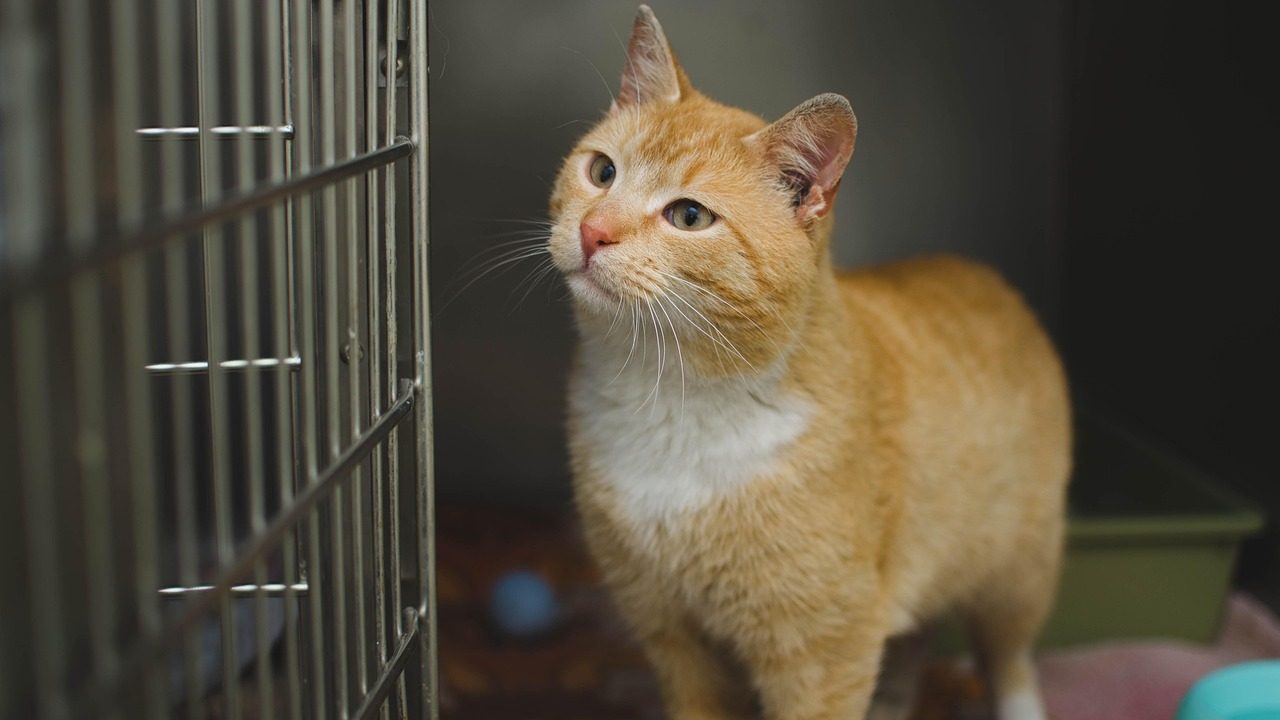
To prepare your cat effectively, it helps to understand what makes a veterinary hospital environment so intimidating. Cats rely heavily on scent marking and predictability to feel secure. In a veterinary clinic, those natural anchors are entirely absent. The air carries the sharp, clinical odors of disinfectants, rubbing alcohol, and medications, alongside the stress pheromones left behind by dogs and other cats. Cages or recovery wards feature stainless steel surfaces, wire mesh doors, and constant ambient noise from medical equipment, ringing phones, and staff conversations.
Furthermore, medical necessity dictates that veterinary staff must handle your cat frequently for temperature checks, medication administration, intravenous catheter maintenance, and wound cleaning. For an indoor cat accustomed to choosing when and how they are touched, this loss of control can lead to defensive behaviors, refusal to eat, and heightened cortisol levels that can actually impede physical healing. Bridge this gap by mimicking predictable routines and familiar sensory cues before admission day.
Transforming the Cat Carrier into a Safe Haven
The carrier is your cat’s vehicle for transport, but for many pets, it serves exclusively as a ticket to the dreaded veterinary clinic. Reversing this association is the single most effective step in preparing cat for veterinary boarding.
Start by bringing the carrier out of the garage, basement, or closet at least two to three weeks before the scheduled hospital stay. Leave the door propped open permanently or remove the top half entirely if the model allows. Place the carrier in a room where your cat spends a lot of time, such as the living room or bedroom. Line the interior with a comfortable, familiar fleece blanket or bed that already carries your cat’s scent.
To build positive reinforcement, casually drop high-value treats, dried catnip, or favorite kibble inside the carrier throughout the day without shutting the door. Feed meals near or just inside the threshold. Once your cat is voluntarily walking inside to nap or eat, begin briefly closing the door for a few seconds while feeding a treat through the mesh, then open it immediately. Gradually increase the duration the door remains closed, and eventually practice lifting the carrier a few inches off the floor, walking a few steps, and setting it back down. When the carrier feels like a secure, predictable resting spot rather than a trap, the initial car ride to the clinic becomes exponentially calmer.
When practicing carrier desensitization, consistency matters far more than intensity. Dedicate five to ten minutes twice a day to interacting positively around the carrier. If your cat shows hesitation, never force them inside; forcing a cat into a carrier instantly resets any positive progress you have made and reinforces the fear response. Instead, back up a step in the training progression, lower the difficulty, and let your cat dictate the pace. Choosing a top-loading carrier can also ease the admission process at the clinic, allowing veterinary technicians to lift your cat out gently from above rather than dragging them backward through a narrow front door.
Selecting and Packing Comfort Items
When packing an overnight bag for your cat’s hospital stay, your goal is to recreate a slice of home within the confines of a clinical recovery cage. Veterinary technicians and staff appreciate when owners provide clearly labeled comfort items, provided they fit safely within the designated enclosure.
Bedding is your highest priority. Pack a small, unwashed blanket or towel that your cat has slept on for several days. Do not wash this bedding right before the stay; you want it rich in your cat’s facial pheromones, which provide profound self-soothing comfort. If your cat has a favorite small plush toy or a kicker toy that does not have small removable parts or loose strings, include it as well.
Consider utilizing synthetic feline facial pheromone sprays, such as Feliway, in the carrier and on the packing items. Spray the interior of the carrier at least 15 minutes before placing your cat inside, allowing the alcohol base to dissipate completely. You can also spray a clean bandana with the pheromone and tie it loosely around the carrier handle or ask the veterinary staff if a pheromone-infused wipe can be placed near your cat’s resting area. These analogues mimic the natural comforting scents cats deposit when rubbing their cheeks against furniture, signaling safety to the limbic system.
When selecting textiles for hospital use, avoid items with loose loops, frayed edges, or long synthetic fibers that could catch on claws, intravenous lines, or monitor cables. Plain cotton or tightly woven fleece is generally the safest choice. Furthermore, always label every single item you bring—including carriers, blankets, and toys—with your cat’s full name and your phone number using permanent marker or masking tape. In busy hospital wards, linens are frequently laundered daily, and clear labeling ensures your personal belongings return home with you upon discharge.
Managing Diet and Feeding Schedule Handoffs
Sudden dietary changes combined with hospital stress frequently lead to inappetence or gastrointestinal upset in hospitalized cats. Maintaining dietary consistency is vital, particularly for cats staying multiple days, as prolonged fasting can trigger dangerous feline hepatic lipidosis (fatty liver disease).
Before admission, calculate the exact daily amount of food your cat consumes, whether it is dry kibble, canned wet food, or a specific prescription diet. Pack enough food for the entire anticipated stay, plus an extra 48 hours worth in case the discharge date is delayed. Clearly label each portion or provide clear written instructions detailing your cat’s exact feeding schedule, portion sizes, and whether the food needs to be warmed slightly to enhance aroma.
If your cat is a notoriously picky eater or has a sensitive stomach, talk to your veterinarian about bringing high-value supplemental foods, such as specialized veterinary recovery liquids, low-sodium plain chicken baby food (free of garlic or onion powder), or aromatic fish-based wet foods that can tempt a suppressed appetite. Providing a detailed list of your cat’s preferred feeding quirks—such as whether they prefer eating from a shallow ceramic saucer rather than a deep metal bowl—helps the veterinary care team customize their approach.
Hospitalized cats often experience a temporary drop in appetite due to stress hormones circulating in their bloodstream. Veterinary nurses monitor food intake meticulously, but having familiar food served in familiar ways can make all the difference. If your cat eats canned food, consider portioning it into individual daily containers with clear instructions on warming times. Microwaving canned food for just five to ten seconds releases aromatic steam that stimulates a cat’s sense of smell, which is often the primary driver of feline appetite when visual or auditory cues are disrupted by clinical surroundings.
Preparing Your Cat for Handling Routines
During a multi-day stay, veterinary technicians will need to examine your cat’s ears, eyes, teeth, paws, and abdomen multiple times a day. If your cat reacts defensively to being touched in these areas, you can practice desensitization exercises at home during the weeks leading up to the hospital stay.
Integrate short, positive handling sessions into your daily routine. Gently massage your cat’s paws while offering a delectable treat. Lift their lip briefly to check gums, touch their ears, and gently run your hands along their sides and tail base. Pair every touch with immediate positive reinforcement, such as a lick of pureed treat or a favorite morsel. The objective is to teach your cat that human hands exploring their body predicts a positive reward, which translates to a more cooperative, less fractious patient when clinical staff perform necessary medical treatments.
Consistency is key when building tolerance for handling. Try practicing these brief sessions when your cat is naturally relaxed, such as after a meal or during their afternoon nap window. Keep the touches gentle and brief initially, gradually building up duration over several days. If your cat shows signs of overstimulation—such as tail twitching, flattened ears, or skin rippling—immediately stop the exercise and give them space. Rushing this process can backfire and make handling more contentious. By pairing veterinary-style examinations with pleasant sensory experiences at home, you help your cat realize that touch from handlers does not automatically signal pain or danger.

Coordinating Medication and Medical History Handoffs
In addition to physical comfort items, a smooth hospital stay requires clear administrative preparation. Compile a concise, easy-to-read medical and behavioral dossier for the veterinary staff.
Include the contact information for your primary veterinarian if the stay is at an emergency or specialty referral hospital. Document your cat’s complete medication history, noting exact dosages, timing, and whether your cat accepts pills easily in a pill pocket or requires liquid formulations. Do not forget to list known allergies to medications, foods, or environmental triggers.
Equally important is detailing your cat’s behavioral quirks. Be transparent with the veterinary team about how your cat responds to stress. Does your cat freeze, hiss, swat, or seek tight hiding spots? Honest communication allows the veterinary nurses and technicians to utilize low-stress handling techniques, approach your cat with appropriate caution, and implement fear-free handling protocols tailored to your pet’s specific personality. Providing this information in a typed, bulleted document saves busy medical staff valuable time and ensures that nothing important gets lost during the shift change handoffs.
What to Expect During Daily Check-Ins
Once your cat is admitted, managing your own anxiety is part of the process. Understand that veterinary hospitals operate on demanding medical schedules, and critical patients often take precedence during emergencies.
Establish communication expectations during the admission process. Ask the front desk or technicians what time of day is optimal for receiving a status update call, and whether the hospital utilizes digital client communication apps for daily text or photo updates. Knowing when to expect an update prevents you from constantly watching the phone and helps you stay connected to your cat’s progress.
Keep in mind that many cats may temporarily shut down, hide under their bedding, or refuse to eat during the first 24 hours in a hospital ward due to sensory overload. This initial withdrawal is a common coping mechanism. As the environment becomes slightly more familiar and staff maintain gentle, predictable interactions, most cats begin to acclimate, groom themselves, and accept food.
When speaking with veterinary staff during daily check-ins, focus on key recovery metrics: is your cat eating, drinking, using the litter box, and resting comfortably? Remember that veterinary teams appreciate respectful, concise communication. If you have specific medical questions, write them down beforehand so you do not forget them during the call. Trust that the veterinary technicians are monitoring your cat around the clock and doing everything possible to keep them comfortable while they heal.
Preparing for the Homecoming Transition
When the multi-day stay concludes and it is time to bring your cat back home, the preparation effort continues. Returning from a veterinary hospital can sometimes trigger redirected aggression, particularly in multi-cat households where the returning cat smells strongly of clinic disinfectants, medications, and strange animals.
Before opening the carrier door at home, set up a quiet, dedicated recovery room—such as a spare bedroom or a quiet bathroom—away from other household pets. Equip the room with a clean litter box, fresh water, food, and familiar resting spots. Let your cat decompress in this quiet sanctuary for at least 24 to 48 hours.
If you have other pets, do not immediately reintroduce them upon arrival. Instead, allow them to sniff under the closed door to reacquaint themselves with your cat’s scent gradually. Brush your cat with a clean brush, then gently rub a soft cloth against your other pets and back to your returning cat to mix scent profiles before face-to-face introductions resume. By easing both the departure and the return, you ensure that your cat’s medical journey causes minimal long-term disruption to their overall well-being.
Frequently Asked Questions About Hospital Stays
Navigating a multi-cat or multi-day veterinary stay raises many logistical questions for pet owners. Here are answers to common concerns regarding hospitalizations and clinical boarding.
Should I visit my cat during a multi-day hospital stay?
Whether visitation is appropriate depends entirely on your cat’s temperament and their medical condition. For some cats, seeing their owner provides immense emotional comfort and reassurance. For other cats, seeing you and then having you leave again can trigger renewed anxiety and distress, making them harder to settle. Always consult your attending veterinarian before planning a visit to determine whether in-person visits will benefit or agitate your specific cat during their recovery.
What should I do if my cat refuses to eat at the veterinary clinic?
Inappetence is common in hospitalized cats due to stress and unfamiliar surroundings. Veterinary teams monitor food consumption closely and have several strategies to encourage eating, including warming food, offering highly palatable prescription recovery diets, or utilizing appetite-stimulating medications when medically appropriate. Sharing your cat’s favorite treats, food toppers, and feeding preferences during admission gives the nursing staff the best possible tools to tempt your cat’s appetite early in the stay.
How can I help my other cats accept the returning hospital patient?
Scent disruption is the primary reason other household pets reject a returning cat. In addition to setting up a separate recovery room, you can practice scent-swapping by rubbing a clean sock or towel on the returning cat’s cheeks and placing it near your other pets so they can re-acclimate to the familiar scent blended with home environments before physical reintroductions occur.