When you are planning a residential driveway replacement, reviewing contractor proposals can feel like comparing mismatched puzzles. Two different companies might submit bids that vary by thousands of dollars for the exact same physical footprint. Without a reliable framework, it is nearly impossible to tell whether the lower bid represents an efficient operator or a contractor cutting dangerous corners on base material and thickness. Utilizing a systematic asphalt paving contractor cost estimator approach allows you to look past the bottom-line figure, reverse-engineer the math behind the bids, and ensure you are getting structural integrity that will last for decades rather than a cosmetic surface that fails after a single winter freeze-thaw cycle.
Residential asphalt paving is not a commodity purchased off a shelf; it is an engineered structural system. The final surface you drive your car on is only as good as the compacted crushed stone underneath, which in turn relies on stable native subgrade soil. When you evaluate bids, your primary job is to dissect how each contractor proposes to handle excavation, base preparation, drainage, and material thickness. This guide breaks down the true cost drivers of residential paving, helping you audit bids, spot red flags, and negotiate fair terms before signing a contract.
Deconstructing Asphalt Square Footage Pricing
The foundation of any reliable project estimate starts with accurate measurements. Professional paving bids are typically calculated based on square footage, combined with mobilization fees for equipment and material hauling. To audit any proposal, you must first verify the exact dimensions of your driveway. Measure the length, width, and any turnaround or parking aprons, multiplying length by width to find the total square footage. Keep in mind that irregular shapes require adding roughly 10 percent to account for material waste during trimming and edging.
When evaluating asphalt square footage pricing, remember that unit costs decrease slightly on larger projects due to fixed equipment mobilization costs. A small 500-square-foot driveway carries a higher per-square-foot cost than a sprawling 3,500-square-foot rural driveway because the paver, rollers, and crew must be transported regardless of project size. However, if a bid falls dramatically below the regional average, it is a flashing warning sign. Extremely low numbers usually indicate that the contractor plans to skimp on asphalt tonnage, reduce base thickness, or hit you later with unquoted change orders for necessary site prep.
Beyond basic square footage, professional estimates must account for demolition and haul-off of your old surface. Tearing out crumbling old asphalt or cracked concrete requires heavy machinery, dumpsters, and tipping fees at local recycling facilities. Always check whether the bid itemizes demolition separately or rolls it into a lump sum. An itemized proposal gives you transparency, letting you see exactly what you are paying for labor, heavy equipment operation, crushed aggregate, and hot-mix asphalt.
To build out a more granular understanding of square footage pricing, consider how regional labor markets and aggregate availability influence the final numbers. In regions with dense limestone quarries, crushed aggregate is relatively inexpensive, whereas areas requiring long-haul trucking for stone materials will see higher baseline costs. Furthermore, urban and suburban properties with tight access constraints—where commercial paving machines cannot easily fit—may require specialized, smaller machinery or hand-raking labor, both of which increase the per-square-foot installation expense. Analyzing these operational realities ensures you do not mistake a legitimate geographic variance for contractor padding.
Gravel Base Depth Requirements and Subgrade Stability
The most common cause of premature driveway failure is not poor asphalt quality; it is an inadequate or poorly compacted crushed stone base. Asphalt is a flexible pavement, meaning it bends slightly under the weight of a vehicle and relies entirely on the underlying stone foundation to distribute that load across the native soil. If the base is too thin or uncompacted, the asphalt will eventually rut, alligator crack, and crumble, especially when subjected to heavy SUVs or delivery trucks.
Standard residential specifications generally require a minimum of 4 to 6 inches of compacted crushed aggregate base for standard passenger vehicle traffic. If your native soil consists of heavy clay or areas prone to high moisture and freezing temperatures, a deeper base of 8 to 12 inches may be necessary. When reviewing contractor bids, look closely at the specified gravel depth. If a bid simply states “grade and prep existing base” without promising to add fresh crushed stone, or if it specifies a meager 2-inch layer of stone, you are looking at a recipe for structural failure.
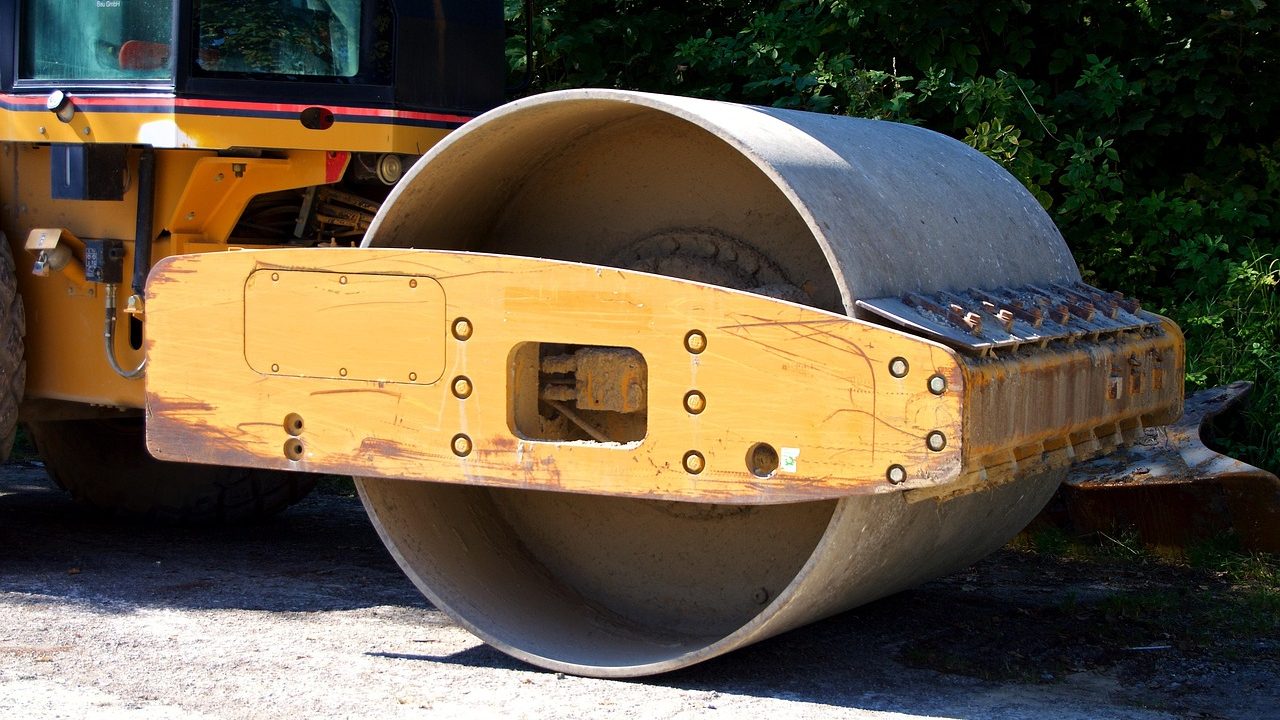
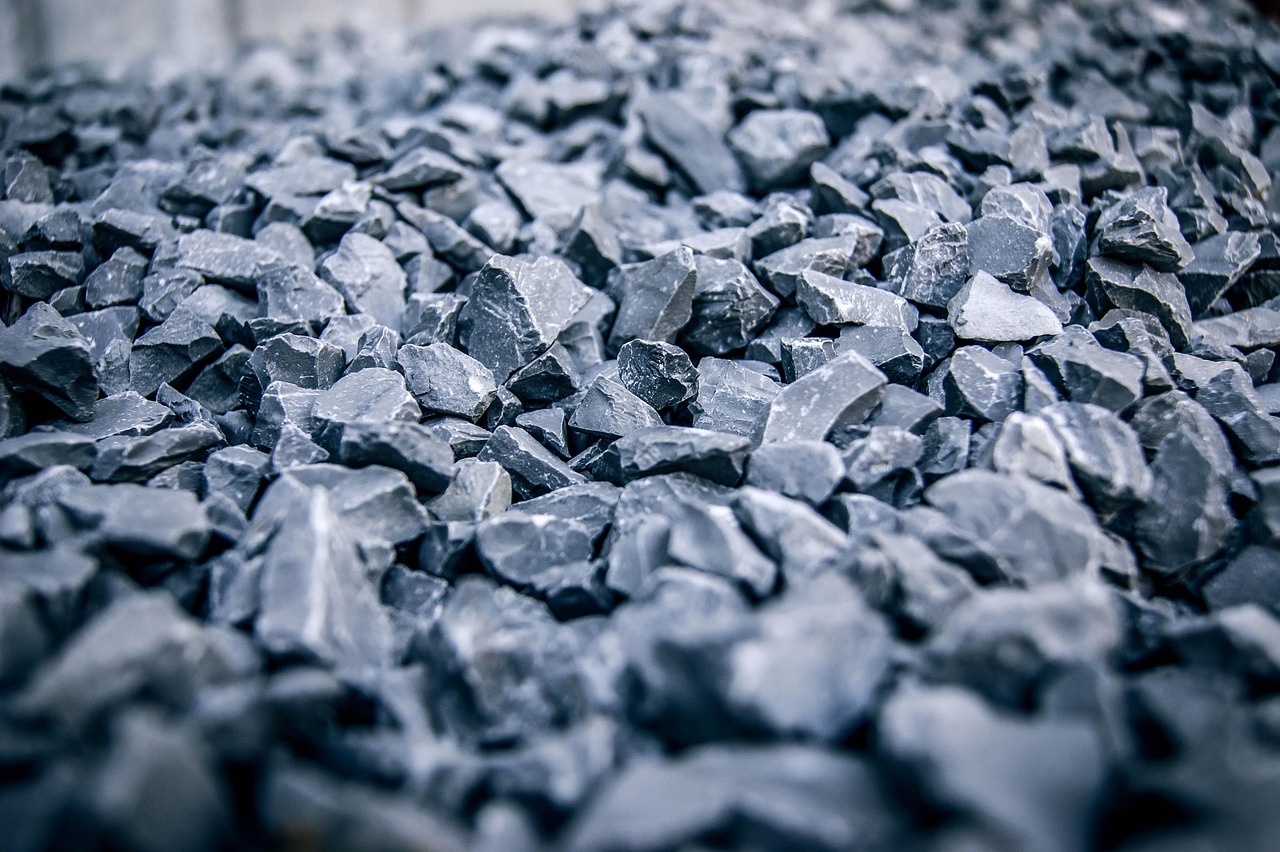
Furthermore, pay attention to the type of aggregate specified. Quality contractors use crushed stone—such as a dense-graded aggregate or crusher-run limestone—which features angular pieces that lock together tightly when compacted. Smooth round gravel or recycled asphalt millings alone do not pack down into a stable structural foundation unless properly blended and compacted with specialized vibratory equipment. Your contract should explicitly state the crushed stone depth, aggregate type, and compaction method to protect your investment.
Subgrade stabilization goes hand-in-hand with base depth. If the native earth underneath your driveway has high plasticity clays or organic matter that holds moisture, simply dumping stone on top of it is insufficient. Professional paving contractors will evaluate whether geotextile stabilization fabrics are needed to separate the subgrade soil from the aggregate base, preventing mud from pumping upward into the stone layer during wet seasons. Checking whether contractors include subgrade evaluation protocols in their initial site visit is an excellent indicator of their technical competence.
Grading Preparation and Drainage Engineering
Water is the ultimate enemy of asphalt pavements. When water infiltrates the subgrade or sits in stagnant pools on the driveway surface, it softens the foundation and triggers rapid degradation. Proper grading preparation is therefore non-negotiable. An ethical contractor includes precise grading specifications in their estimate, detailing how water will be directed away from your garage foundation, walkways, and neighboring properties.
A properly graded driveway typically features a cross-slope of about one-quarter inch of fall per foot of width, allowing rainwater to shed naturally toward the edges, lawn, or dedicated drainage channels rather than pooling in the middle. During the bidding process, ask contractors how they plan to establish positive drainage. Be wary of bids that assume your existing grade is correct without taking measurements using laser levels or transit equipment. If your old driveway held standing water after rainstorms, simply paving over the same contours will replicate the exact same drainage failures.
Grading fees should also account for soil stabilization. If the contractor discovers soft, spongy subgrade soil during excavation—often referred to as yielding subgrade—they must dig it out and replace it with stable stone. A transparent contract will specify an agreed-upon unit price for excavation and replacement of unstable subgrade soils per cubic yard, preventing surprise cost overruns once the heavy equipment starts digging up your yard.
Beyond simple surface shedding, consider subsurface drainage components such as French drains, catch basins, or channel drains if your driveway cuts into a slope or sits lower than surrounding grade. Unmanaged groundwater running down a slope can quickly undermine the edges of a newly paved driveway, leading to shoulder drop-off and edge cracking. Ensuring that your paving estimate incorporates comprehensive water management safeguards your financial investment against premature structural failure.

Asphalt Thickness Tiers and Mix Design Specifications
Once the crushed stone base is graded and compacted, the hot-mix asphalt is applied. Just like the gravel base, the thickness of the asphalt layer dictates the lifespan of your driveway. Residential asphalt is typically installed in distinct thickness tiers depending on expected traffic loads. A standard residential driveway intended for passenger cars generally requires a minimum of 2 to 3 inches of compacted hot-mix asphalt, often split into a heavier binder course containing larger aggregate and a smoother surface course on top.
Be cautious of vague contract language that specifies inches of loose asphalt rather than compacted thickness. Asphalt loses roughly 20 to 25 percent of its thickness during the heavy roller compaction process. If a contractor promises a “3-inch driveway,” you need to verify in writing whether that measurement refers to the loose depth right out of the paving machine or the final compacted depth after rolling. Insist on a minimum of 2 inches of compacted hot-mix asphalt for light residential use, and push for 3 inches or more if you regularly park large trucks, boats, or recreational vehicles on the pavement.
In addition to thickness, ask about the asphalt mix design. Reputable paving companies source their material from certified local asphalt plants that engineer mixes for specific climate conditions. Hot-mix asphalt must be laid at precise high temperatures—typically between 275 and 300 degrees Fahrenheit—and thoroughly compacted before the material cools. A low-cost bid might tempt a crew to rush the job, skip passes with heavy steel-wheel and pneumatic rollers, or lay cold asphalt in marginal weather conditions, resulting in a porous, weak surface that ravels and crumbles prematurely.
Understanding asphalt mix specifications also involves inquiring about PG (Performance Graded) asphalt binders. Modern asphalt technology uses binders formulated to withstand local temperature extremes, resisting thermal cracking during severe winter freezes and preventing rutting or shoving during scorching summer heatwaves. Asking your contractor about the specific asphalt grade plant-mixed for your project demonstrates an informed consumer mindset that deters substandard workmanship.
Climate and Regional Factors Affecting Pavement Specs
Geographic location plays a massive role in how a residential driveway must be engineered. Contractors operating in northern freeze-thaw zones face unique engineering hurdles compared to those in arid southern climates. In northern regions, frost heave is a constant threat; as moisture trapped in the subgrade freezes and expands, it exerts immense upward pressure that can crack and buckle thin pavement structures. Consequently, northern contractors must prioritize deeper aggregate bases and frost-resistant granular sub-bases to mitigate these winter forces.
Conversely, southern climates deal with intense ultraviolet radiation and high ambient temperatures that soften asphalt binders and accelerate oxidation. Driveways in these regions benefit from high-quality surface sealants and specialized mix designs with modified asphalt cements that maintain stability under heavy vehicle loads during high heat. When evaluating bids from local contractors, ensure their proposed specifications align directly with your regional climate realities rather than employing a generic, one-size-fits-all template.
Furthermore, seasonal scheduling impacts project quality. Hot-mix asphalt requires adequate ambient and surface temperatures for proper compaction. Paving during late autumn or winter in cold regions often leads to rapid cooling of the asphalt mat before heavy rollers can achieve required density. Reputable contractors will refuse to pave when ground temperatures drop below established thresholds, whereas unscrupulous operators may rush to finish jobs in marginal weather, leaving homeowners with a brittle, short-lived surface.
Evaluating Contractor Insurance, Licensing, and Bonding
Financial and legal protections are just as important as technical specifications when auditing contractor bids. A low estimate loses all its appeal if the contractor lacks proper insurance and an employee is injured on your property, or if faulty paving damages underground utility lines. Before signing any agreement, verify that the paving company carries active general liability insurance and workers’ compensation coverage. Request that the insurance agency issue a certificate of insurance directly to you, naming you as an additional certificate holder for the duration of the project.
Licensing requirements vary widely by state and municipality, but legitimate paving contractors should readily provide their contractor license number and proof of local registration. You can check these credentials with your state’s contractor board or consumer protection agency to confirm there are no pending complaints, unresolved lawsuits, or disciplinary actions. Additionally, ask if the company is bonded, which provides an extra layer of financial recourse in the event of contract abandonment or failure to complete the agreed-upon scope of work.
Reputable contractors also stand behind their work with clear, written warranties. While a lifetime warranty is often an unrealistic marketing gimmick in the paving industry, a standard one-to-two-year workmanship warranty covering structural defects, excessive cracking, or standing water issues is customary. Carefully review the fine print of any warranty to understand exclusions, such as damage caused by chemical spills, heavy commercial vehicles exceeding weight limits, or acts of nature.
Spotting Driveway Paving Bids Red Flags
Navigating contractor estimates becomes much easier once you know what warning signs to look for. Unscrupulous paving operators rely on high-pressure sales tactics, cash-only demands, and vague paperwork to trap unsuspecting homeowners. Learning to spot these red flags safeguards your project from start to finish.
One of the most common scams involves door-to-door operators claiming they have “leftover asphalt from a commercial job down the street” and offering a steep discount if you pay in cash today. Legitimate paving contractors do not cruise neighborhoods looking for work with surplus hot-mix asphalt in their trucks; asphalt cools rapidly and becomes unusable within hours. Another major red flag is an incomplete or missing written contract. A valid bid should be presented on official company letterhead, detailing physical business addresses, valid contractor license numbers, proof of general liability and workers’ compensation insurance, and a comprehensive scope of work.
Watch out for overly aggressive deposit demands as well. While standard industry practice often involves a reasonable deposit for material procurement or scheduling, you should never pay the entire project cost upfront. Reputable contractors tie payment schedules to project milestones—such as a deposit upon signing, a progress payment after base installation and compaction, and final payment only after you have inspected the completed, fully cured driveway.
Other subtle red flags include vague scope descriptions, lack of physical office locations, and unwillingness to provide local references. If a contractor operates solely out of a cellular phone number and an unmarked pickup truck with out-of-state license plates, exercise extreme caution. Investing time upfront to vet contractor credentials prevents the headache of chasing unresponsive operators when structural defects emerge months down the road.
Crunching the Numbers: A Realistic Estimate Framework
To put these principles into practice, let us look at how you can structure your own cost evaluation spreadsheet. When compiling numbers from multiple contractors, break each bid down into standardized line items:
- Demolition and Haul-Off: Removal and disposal of existing asphalt or concrete, measured by square footage or tonnage.
- Excavation and Grading: Digging out native soil to the correct depth, establishing proper pitch, and shaping the subgrade.
- Crushed Aggregate Base: Material supply, spreading, and vibratory compaction of a minimum 4-to-6-inch stone foundation.
- Asphalt Paving: Supply, delivery, and professional installation of hot-mix asphalt to achieve a minimum 2-to-3-inch compacted thickness.
- Edge Restraints and Cleanup: Rolling edges, sweeping, site restoration, and debris removal.
By comparing line-item costs across at least three independent contractor bids, you can easily identify outliers. If one bid is fifty percent lower than the others, examine the scope of work to see what was left out—such as base stone, edge rolling, or permits. Conversely, the highest bid is not automatically the best; verify whether high pricing reflects superior engineering, thicker asphalt specifications, or simply steep contractor overhead.
When organizing your financial estimates, calculate the cost per square foot for each proposal by dividing the total bid price by the verified driveway square footage. This metric allows for direct apples-to-apples comparisons between competing bids, helping you spot discrepancies in material allocations. For example, if Bid A offers 2 inches of compacted asphalt over 4 inches of stone for $4.50 per square foot, while Bid B offers 3 inches of compacted asphalt over 6 inches of stone for $5.25 per square foot, you can easily determine whether the structural upgrade of Bid B justifies the higher financial investment.
Finalizing Your Paving Contract and Warranty Protections
Once you have selected a qualified contractor based on thorough bid comparisons, the final step is locking down a bulletproof written contract. Never rely on verbal promises regarding thickness, drainage, or project timelines. Ensure the contract explicitly details the exact square footage, aggregate base depth, asphalt thickness tier, mix specifications, and clean-up obligations.
Equally important is reviewing the warranty terms. A reputable residential paving contractor typically stands behind their workmanship with a written warranty covering structural defects, excessive cracking, or standing water issues for a reasonable period—usually one to two years, which is long enough for the driveway to experience a full cycle of seasonal weather shifts. Ensure the warranty specifies what is covered, how complaints are handled, and whether it covers both materials and labor. By combining diligent bid auditing with a clear, comprehensive contract, you can secure a durable, professional driveway that enhances your property value for years to come.
Frequently Asked Questions About Driveway Paving Bids
How long should a newly paved asphalt driveway cure before I can park on it?
Generally, you should keep foot traffic off a new asphalt driveway for at least 24 hours and keep standard passenger vehicles off it for 3 to 5 days. During hot summer weather, asphalt takes longer to fully cure and harden. Avoid sharp turning of steering wheels while the vehicle is stationary during the first few weeks to prevent surface scuffing.
Should I sealcoat a brand-new asphalt driveway immediately?
No. Fresh asphalt needs time to cure and release natural oils (petroleum volatiles) before sealing. Most paving experts recommend waiting between 6 to 12 months before applying the first coat of asphalt sealer. Sealing too soon can trap solvents, causing the pavement to remain soft and vulnerable to damage.
What is the difference between asphalt overlay and a complete tear-out?
An asphalt overlay involves laying a new layer of hot-mix asphalt directly over an existing, structurally sound base and pavement surface. A complete tear-out requires excavating the old pavement, hauling it away, and rebuilding the crushed stone base from scratch. Overlays are less expensive but only appropriate if the underlying base is stable and free of severe alligator cracking.