When rainwater cascades off your roof and pools directly against your foundation, your home’s structural integrity is at risk. Installing a reliable drainage system is one of the most practical exterior maintenance projects you can undertake, yet gathering estimates often feels like navigating a maze of opaque pricing. Using a dependable seamless gutter installation cost estimator allows you to reverse-engineer contractor bids, understand material charges down to the linear foot, and separate fair market rates from inflated markups. Because seamless gutters are custom-rolled on-site to fit the exact dimensions of your house, pricing depends heavily on linear footage, material thickness, corner counts, and regional labor rates.
Understanding how contractors calculate these figures protects you from paying for ghost materials or inflated overhead. Below, we break down the mathematics of gutter pricing, aluminum gauge differences, downspout sizing formulas, hanger engineering, and the specific warning signs hidden within predatory contractor bids.
The Core Mathematics of Gutter Pricing
Gutter contractors almost universally price their services based on linear footage, but a simple per-foot multiplier rarely tells the whole story. To build or evaluate an accurate seamless gutter installation cost estimator model, you must separate base materials from labor, hardware, and architectural complexity. A basic single-story ranch home with straightforward rectangular rooflines requires far less labor and hardware than a multi-story colonial with multiple gables, complex roof pitches, and difficult access points.
When you review a professional bid, check whether the quote separates materials from labor. Reputable contractors itemize their proposals so you can see exactly what you are paying for the aluminum troughs, the downspouts, the miters, and the installation hours. If a bid provides only a single lump sum without linear footage breakdowns or material specifications, treat it as an immediate yellow flag.
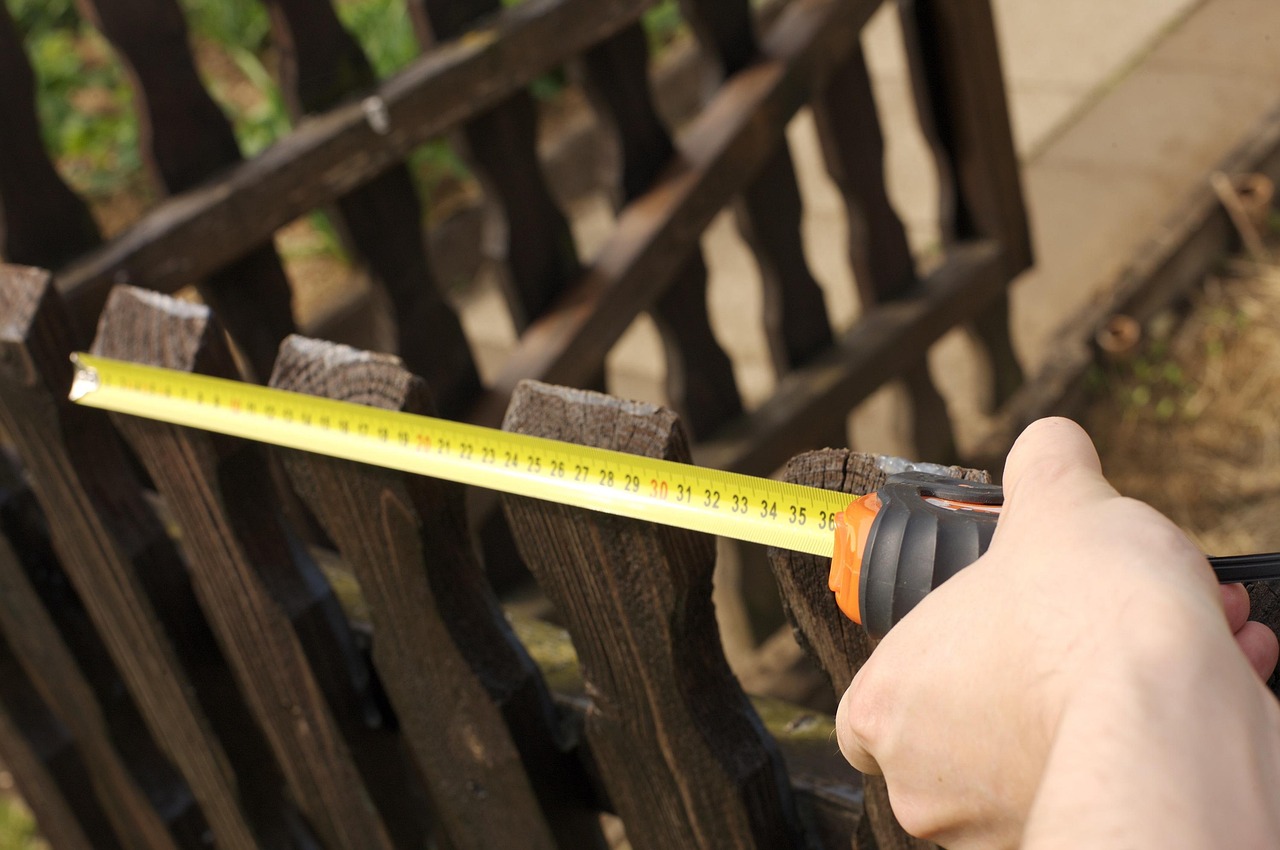
Furthermore, roof geometry dramatically alters the math. A simple gable roof features two long runs and four end caps. A hip roof or a complex architectural layout with numerous valleys and dormers requires significantly more miter cuts, custom corners, and specialized downspout configurations. Each corner represents a potential failure point if not properly sealed and secured, and contractors account for this extra fabrication time in their bids. When estimating costs, always measure the actual perimeter at the roofline rather than relying solely on the home’s footprint dimensions listed in public tax records, as roof overhangs add considerable linear footage.
Aluminum Pricing Tiers and Gauge Standards
Aluminum remains the undisputed industry standard for residential gutters due to its balance of cost, corrosion resistance, and lightweight durability. However, not all aluminum is created equal. Contractors typically offer different gauges (thicknesses) and profiles that directly influence both the upfront price and the long-term lifespan of your system.
In the residential market, you will encounter several specific aluminum thicknesses:
- .019-inch aluminum: Extremely thin and prone to denting, warping, and tearing away under heavy snow loads or ladder pressure. Avoid this grade entirely for permanent installations.
- .027-inch aluminum: A common entry-level contractor grade. While more affordable, it remains susceptible to denting from falling tree branches and heavy ice packs.
- .032-inch aluminum: The industry standard for high-quality residential work. It offers robust durability, resists denting during routine maintenance, and holds up well against thermal expansion and contraction.
- .040-inch aluminum: Heavy-duty commercial grade. Used primarily on large commercial buildings or high-end residential estates featuring exceptionally long roof runs or severe weather exposures.
Beyond aluminum, alternative materials command varying price points. Standard galvanized steel is inexpensive upfront but highly susceptible to rust once the protective coating scratches. Galvalume offers better corrosion resistance than traditional galvanized steel. Premium copper and zinc systems exist for historic or high-end architectural builds, but they command prices three to five times higher than standard aluminum while developing a rich, protective patina over decades.
Profile selection also alters the cost calculator. Standard K-style gutters—which mimic crown molding and handle higher volumes of water—are usually the most cost-effective. Half-round gutters, which require specialized brackets and more meticulous sealing, typically add a premium to both material and labor costs.
Linear-Foot Pricing Breakdown and Hidden Upcharges
To establish a realistic budget using a seamless gutter installation cost estimator, you need to calculate more than just the perimeter of your roofline. Contractors measure linear footage by adding up every run where gutters will be attached, but your final invoice will include several auxiliary components that are rarely captured in basic per-foot averages.
Consider the following line items that frequently appear on itemized gutter replacement bids:
- Downspouts: Standard estimates usually include a baseline amount of downspout material (often one downspout per 30 to 40 linear feet of gutter). Additional drops, decorative extensions, or complex splash blocks add incremental costs.
- Miters and Corners: Inside and outside corners require custom cuts and specialized sealant. Prefabricated corners cost less in labor but can create potential leak points over time compared to hand-mitered box corners.
- End Caps and Splash Blocks: These finishing hardware pieces are inexpensive individually but add up across a large perimeter.
- Fascia Board Repair: Contractors often cannot determine the condition of your wooden fascia boards until the old gutters are pulled down. Hidden wood rot replacement is almost always billed separately on a per-linear-foot or time-and-materials basis.
Another often-overlooked factor is the removal and disposal of your old gutter system. Some contractors bundle hauling fees into their per-foot rate, while others itemize an explicit disposal fee. Always clarify whether old material haul-away is included in your estimate.
The Critical Role of Hanger Engineering
When evaluating how a gutter system attaches to your home, the choice of hanging hardware is paramount. Older homes frequently feature spike-and-ferrule systems—long metal spikes driven directly through the front face of the gutter, across the trough, and into the wooden fascia board. Over time, seasonal thermal expansion causes these spikes to back out of the wood, leaving the gutters sagging and pulling away from the roofline.
Modern seamless gutter installations utilize internal hidden hangers paired with heavy-duty corrosion-resistant screws. These hangers clip securely inside the gutter trough and screw upward into the fascia board or rafter tails at an angle, providing superior pull-out strength. Industry best practices dictate that hidden hangers should be installed no more than 24 inches apart—and ideally every 16 to 18 inches in regions prone to heavy winter snowfall or ice damming. Bids that space hangers 32 inches apart are cutting corners to save on material costs, resulting in sagging gutters within a few seasons.
Downspout Sizing and Hydraulic Calculations
A beautiful gutter system is useless if it cannot handle heavy downpours. When evaluating installation bids, pay close attention to downspout sizing and placement specifications. Undersized downspouts cause water to back up during severe summer storms, spilling over the front of the gutter and saturating your landscaping.
Standard residential installations typically use 2×3-inch rectangular downspouts, which are adequate for most standard roof slopes and run lengths. However, larger roofs or areas draining multiple roof planes frequently require 3×4-inch downspouts. A thorough contractor will calculate your roof’s square footage and local rainfall intensity data rather than blindly applying 2×3 downspouts to every corner of the house.
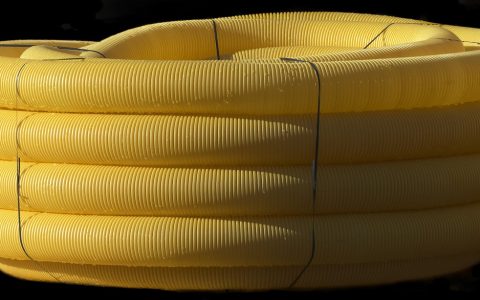
Hydraulic calculations factor in the catchment area—the square footage of the roof surface draining into a specific gutter run. For example, a steep roof in a region experiencing high-intensity thunderstorms requires significantly greater drainage capacity than a shallow-pitched roof in an arid climate. Ensure your contractor specifies downspout sizes in writing and accounts for discharge management, such as routing water at least 4 to 6 feet away from your foundation via splash blocks, flexible extensions, or underground corrugated drainage pipes.
Evaluating Contractor Bids: What to Look For
When you have collected three written estimates from local exterior contractors, line them up side by side. Do not simply look at the bottom-line grand total. A lower bid often conceals shortcuts such as thinner aluminum gauges, substandard hangers, or the omission of crucial flashing behind the gutter back-edge.
Check the hanger spacing specified in the contract. As noted, look for 16-to-24-inch maximum intervals. Furthermore, examine the warranty terms offered by the installation company. Reliable contractors back their workmanship with a labor warranty ranging from 1 to 5 years, while the aluminum material itself typically carries a manufacturer’s finish warranty (often 20 years to lifetime against peeling, blistering, or flaking). Be wary of lifetime warranties that feature fine print excluding damage from ice, wind, or normal wear and tear.
Always verify licensing and insurance credentials independently. Request proof of active general liability insurance and workers’ compensation coverage. If an uninsured worker falls off a ladder on your property, you could face severe legal and financial liabilities.

Spotting Predatory Clauses and Red Flags
Unfortunately, the home improvement sector attracts predatory operators who rely on high-pressure sales tactics and vague contractual terms. When reviewing your gutter replacement bids, watch out for these common red flags:
- High-Pressure “Same-Day” Discounts: Sales representatives who quote an artificially high initial price and offer a massive discount only if you sign right now are using a classic manipulation tactic. Legitimate contractors provide pricing that remains valid for 30 days.
- Large Upfront Cash Deposits: In most states, reputable contractors request no more than 10% to 30% down before material delivery, with the final balance due only after complete installation and your personal inspection. Never pay cash in full upfront.
- Vague Scope of Work: A contract that simply states “install seamless gutters on house” without listing the exact aluminum gauge, color, profile, downspout dimensions, and hanger type leaves you with zero legal protection if cheap materials are substituted.
- Lack of Local Licensing and Insurance: Always independently verify that the contractor carries active general liability insurance and workers’ compensation coverage. Ask them to have their insurance agency send a certificate of insurance directly to your email.
- Arbitration Clauses and Waiver of Liens: Review the fine print for mandatory binding arbitration clauses that strip your right to court action, or ensure the contract specifies unconditional lien waivers upon final payment to protect against subcontractor payment disputes.
Gutter Guards and Add-On Estimates
Many contractors will pitch gutter guards or leaf filtration systems during the estimation process. While guards can significantly reduce the frequency of manual cleaning, they also add substantial costs to your project—frequently doubling the total material estimate depending on the type selected.
When evaluating guard add-ons, understand the distinctions among common types:
- Screen Guards: Inexpensive stamped metal or plastic mesh screens that keep out large leaves but allow pine needles and shingle grit to pass through.
- Surface Tension (Reverse Curve) Guards: Systems that rely on water cohesion to curve into the trough while debris falls off the edge. These can sometimes overflow during torrential downpours.
- Micro-Mesh Filters: Surgical-grade stainless steel mesh screens mounted in rigid aluminum frames. These represent the gold standard for blocking both leaves and fine debris, though they command a higher initial price point.
Make sure the contractor itemizes gutter guards separately from the core seamless gutter installation so you can weigh the cost-benefit ratio independently.
Preparing Your Property for Installation Day
Once you select a contractor and finalize the estimate, a little preparation ensures the installation day goes smoothly. Clear patio furniture, potted plants, and children’s toys away from the perimeter of the house to give the technicians unhindered access for their ladders and the mobile roll-forming machine.
Confirm that exterior electrical outlets are accessible if the crew needs power for specialized tools. Discuss where the roll-forming machine will be parked in your driveway to avoid blocking your neighbor’s access or damaging your landscaping. Finally, walk the property with the lead technician before work begins to confirm downspout discharge directions, ensuring water flows away from your foundation and avoids your neighbor’s property line.
Final Inspection and Maintenance Realities
Never pay the final invoice from the top of a ladder or from the driveway. Once the crew finishes, request a walk-around inspection. Verify that the gutters slope properly toward the downspouts by observing water flow or checking with a small level. Standing water pockets—often called birdbaths—indicate improper pitch and should be corrected immediately. The standard industry drop is approximately 1/4 inch for every 10 feet of gutter run toward the downspout.
Inspect all miter joints to ensure high-grade polyurethane sealant was applied cleanly without messy overflow. Check that every downspout is securely anchored to the exterior wall with heavy-duty straps rather than flimsy sheet metal screws alone.
Even the best seamless gutters require routine maintenance. While seamless systems eliminate leaks at factory joints, debris from overhead trees still accumulates over time. Plan to inspect your gutters twice a year—typically in late spring and late autumn—or monitor your micro-mesh filters to ensure they remain clear. By understanding material costs, verifying contractor credentials, and maintaining your new drainage system, you protect your home’s foundation and secure long-term value from your investment.
Frequently Asked Questions About Seamless Gutter Estimates
How long does a typical seamless gutter installation take?
For an average single-family home (150 to 250 linear feet), a professional crew of two to three installers typically completes the entire tear-down and installation process in a single working day, assuming no extensive fascia board repairs are required.
Can I install seamless gutters myself?
True seamless gutters require specialized roll-forming machinery that feeds aluminum coil through metal rollers mounted on a contractor’s truck or trailer. Because this equipment is custom-calibrated for on-site fabrication, DIYers generally purchase sectional gutters from home improvement centers rather than true seamless systems.
What color options are available for aluminum gutters?
Manufacturers typically offer dozens of factory-baked enamel finish colors ranging from standard white and royal brown to architectural tones like bronze, charcoal, and forest green. Factory finishes are designed to resist fading and chalking for decades without requiring painting.
How do I know if my existing fascia boards need replacement?
Fascia boards show rot when the paint begins to bubble, flake, or crack, or when the wood feels soft when poked with an ice pick or screwdriver. If your old gutters have been overflowing for years due to improper slope or clogging, water damage to the underlying wood is common.