When grocery budgets face mounting pressure, shoppers constantly look for alternative ways to keep fresh food on the table without overspending. Among local food advocates, joining a farm share is frequently touted as a smart financial move. But when evaluating community supported agriculture savings, the math is rarely as simple as dividing the total cost of a box by the number of weeks in a season. Supermarkets offer convenience, standardized pricing, and exact quantities, whereas local farm shares demand an upfront financial commitment and test a household’s flexibility in the kitchen.
To determine whether purchasing a seasonal share genuinely lowers your monthly grocery spending or simply shifts your food dollars into a different category, you have to look past the romantic appeal of weekly farm boxes. A realistic financial assessment requires examining how upfront costs affect cash flow, how produce yields compare pound-for-pound with retail grocery prices, and how much money gets lost to food waste when you are forced to consume unfamiliar or excessive vegetables.
Understanding the True Upfront Cost of a Farm Share
The single biggest financial hurdle for most households considering a local farm share is the payment structure. Traditional supermarkets operate on a pay-as-you-go model. If your budget is tight one week, you can buy fewer apples, skip the specialty greens, and spend twenty dollars less on produce. Community-supported agriculture operations, by contrast, typically require payment in full before the growing season begins, or at least a substantial deposit followed by a few large installments.
This upfront cash requirement demands careful household budgeting. Writing a check for four hundred to eight hundred dollars in early spring means locking up grocery funds months before you receive your first head of lettuce. For families living paycheck to paycheck, this cash flow constraint can be prohibitive, even if the per-pound cost of the produce averages out favorably over a twenty-week season. Furthermore, paying upfront means you absorb the risk if the farm experiences a poor growing season due to unseasonable frost, drought, or pest pressure.
When calculating whether a farm share fits your finances, you must treat that initial payment as a fixed seasonal utility bill. If paying upfront forces you to rely on credit cards or temporarily depletes your emergency buffer, the nominal savings achieved on produce prices can be quickly erased by financing costs or cash flow stress.
Beyond the immediate cash flow impact, prospective members must also consider the opportunity cost of that capital. Money tied up in an agricultural investment cannot earn interest in a high-yield savings account or cover unexpected car repairs and medical bills. While the absolute dollar figures may seem modest compared to major household expenditures, efficient cash flow management requires recognizing that upfront commitments reduce your financial agility during the spring and summer months.
Comparing CSA Box Costs to Supermarket Produce Aisles
To evaluate potential savings, economists and frugal shoppers alike look at the direct cost comparison between a standard weekly share and equivalent purchases at a conventional grocery store. In many regions, a standard weekly box during a twenty-week summer and fall season costs between thirty and forty-five dollars per pickup.
Inside that box, you typically find a mix of staple items like potatoes, onions, carrots, and tomatoes, alongside seasonal specialty items like Swiss chard, garlicscapes, heirloom peppers, or specialty squashes. If you were to purchase exact equivalents of those staple items at a discount grocery store or warehouse club, your weekly outlay might actually be lower than the CSA share price. However, if you typically buy organic produce at a high-end regional supermarket, the farm share almost always wins on price.
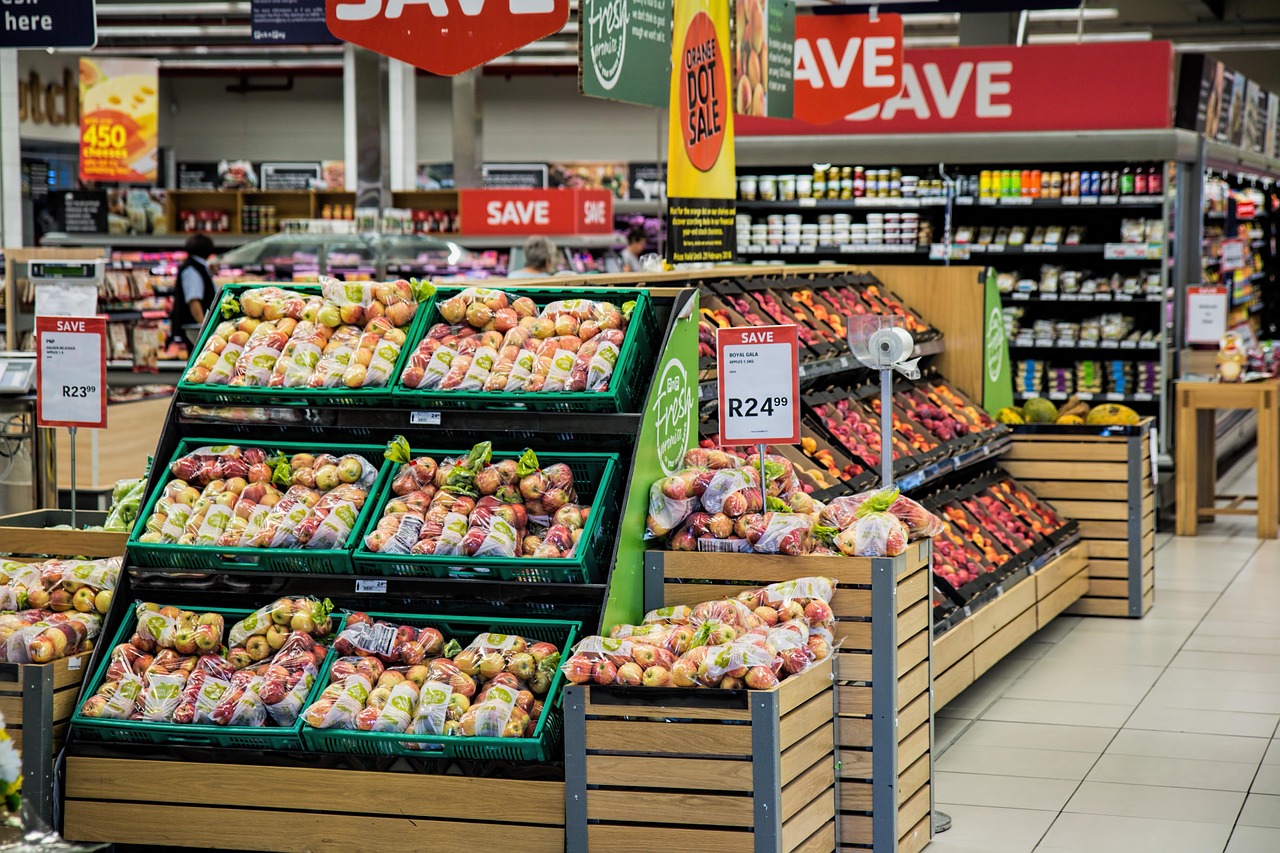
Farm shares usually provide organic or sustainably grown produce at conventional prices, or even below conventional prices, because you are bypassing retail markups, distribution logistics, and packaging costs. The farmers capture a larger share of the retail food dollar, and you receive fresher, locally adapted varieties that often stay crisp and flavorful much longer than fruit shipped across the country.
However, comparing retail value to CSA value requires a realistic baseline. If a box contains three pounds of kale, four pounds of potatoes, two pounds of summer squash, and a pint of cherry tomatoes, you must ask yourself: would you have purchased those exact items at retail prices? If your normal shopping cart consists primarily of bananas, baby carrots, and bagged iceberg lettuce, valuing a box based on specialty items like heirloom tomatoes and fennel bulbs creates a false sense of savings. You are only saving money if the box replaces items you would have bought anyway, or if it genuinely expands your diet with affordable nutrition that displaces more expensive processed foods.
The Regional and Seasonal Factor: Summer Gluts vs. Lean Weeks
Another variable that influences community supported agriculture savings is the natural rhythm of the local growing season. Weather patterns dictate that different weeks yield vastly different volumes and varieties of produce. Understanding this cyclical flow is essential for determining whether a farm share fits your household economy.
In the early weeks of summer, farm shares often consist primarily of cool-weather greens, radishes, scallions, and early herbs. These items are nutritionally dense and wonderful for cooking, but they are relatively lightweight. During these weeks, the price-per-pound value of your box may feel slightly underwhelming compared to your upfront investment. You might find yourself wondering if the financial equation is working out in your favor.
By mid-summer, however, the harvest hits its peak. Boxes swell with heavy items: tomatoes, eggplants, melons, corn, and squash. The sheer tonnage of produce arriving on your counter increases dramatically, and the per-pound cost plummets relative to your fixed share price. This is the period when CSA members truly reap financial rewards, provided they can consume or preserve the bounty. As autumn approaches, the box transitions into heavy storage crops like winter squash, root vegetables, and storage cabbage, offering another wave of high-value staple items that can sit in a cool pantry for weeks without spoiling.
Recognizing this seasonal wave helps you budget accordingly. Rather than evaluating the value of your share on a week-by-week basis, you must look at the cumulative yield across the entire season. A slow June is almost always balanced out by an abundant August and September.
The Hidden Budget Killer: Food Waste Rates
Even if a farm share delivers superior produce at a lower cost per pound, the actual financial outcome for your household depends entirely on your consumption habits. The most common financial pitfall of joining a CSA is high food waste.
Supermarket shopping allows you to buy precisely what your meal plan demands. If your recipe calls for two bell peppers and one head of broccoli, you purchase those exact items. A farm share operates in reverse: the farm dictates what is ripe and ready to harvest. If a particular week yields five pounds of zucchini or an overwhelming bounty of bitter greens, you are responsible for consuming, preserving, or sharing that harvest before it spoils.
Households that fail to plan meals around their weekly pickup frequently watch twenty to thirty percent of their box rot in the crisper drawer. When produce goes straight from the box to the trash can, your effective cost per edible pound skyrockets. Realizing community supported agriculture savings requires either an established kitchen routine of preserving excess produce through freezing, canning, or dehydrating, or the culinary flexibility to invent meals on the fly using whatever vegetables arrived that week.
To mitigate food waste, successful CSA members develop immediate post-pickup processing habits. Instead of stuffing the entire box into the refrigerator as soon as you walk through the door, take twenty minutes to wash, chop, and store your items correctly. Root vegetables should have their greens removed so they do not draw moisture out of the roots. Greens should be washed and spun dry, then stored with paper towels to absorb excess humidity. Herbs can be placed in jars of water or turned into pestos and frozen. Taking these immediate steps prevents premature spoilage and ensures that your food investment actually ends up on your plate rather than in your organic waste bin.
Half-Shares and Working Shares: Alternative CSA Models
If the upfront cost, high volume, or rigid schedule of a traditional full share feels intimidating, many local farms offer alternative structures designed to make community-supported agriculture more accessible and budget-friendly.
The most common alternative is the half-share or bi-weekly share. Instead of picking up a massive box of produce every single week, members receive a share every other week, or a smaller box designed for one-to-two-person households. This cuts the upfront seasonal cost roughly in half and significantly reduces the risk of food waste for smaller families or busy professionals who eat out frequently. While the per-pound cost of a half-share is sometimes slightly higher than a full share, the total cash outlay is much easier to absorb, and the volume of vegetables is far more manageable.
Another option is the working share, where members trade a few hours of labor on the farm—harvesting, weeding, or packing boxes—in exchange for a discounted or entirely free produce share. For retirees, students, or flexible workers, this model transforms cash savings into labor equity. However, before committing to a working share, calculate your hourly value. Spending four hours weeding a field on a Saturday morning to save twenty dollars on a box values your labor at five dollars an hour. If you genuinely enjoy agricultural work and community building, a working share offers immense intangible value; if you view it purely as a financial transaction, traditional employment or freelance work may yield a better return on your time.
Logistical Realities: Pickup Windows and Meal Prep Time
Evaluating a farm share goes beyond direct monetary calculations to include time costs and convenience factors. Supermarkets offer wide operating hours, often opening early and closing late seven days a week. You can stop by on your way home from work, grab your groceries, and check an item off your weekly to-do list.
CSA pickups, on the other hand, are notoriously rigid. Most farms require you to collect your share during a specific two- or three-hour window on a designated weekday, either at the farm itself or at a neighborhood drop-off point such as a church parking lot or local business. Missing your pickup window usually means forfeiting that week’s share entirely, as volunteers or farmers rarely have the refrigeration space or staffing to hold abandoned boxes.
Beyond pickup logistics, fresh farm shares require significantly more kitchen preparation time than supermarket produce. Supermarket vegetables are often pre-washed, trimmed, or standardized. Farm shares often arrive with unwashed roots, clinging field soil, outer leaves intact, and occasional garden insects. Processing a box of root vegetables, greens, and herbs can easily add an hour of labor to your weekly kitchen routine. If you value your leisure time or already struggle to find hours to cook from scratch, this added labor can make the farm share feel more like an unpaid chore than a financial bargain.
Consider also the transportation logistics. If the designated drop-off point is fifteen minutes out of your way, you must factor in the cost of gasoline and vehicle wear-and-tear. Saving ten dollars on a box of vegetables loses its appeal if you burn two gallons of fuel and spend forty minutes driving round-trip to collect it.

A Practical Decision Framework for Budget-Conscious Shoppers
To decide whether a farm share belongs in your household budget, run through this practical checklist before committing your money for a full season:
- Assess your cooking style: Do you routinely build meals around whatever ingredients are available, or do you rely on strict weekly meal plans with specific grocery lists?
- Check your preservation skills: Do you have the time, equipment, and inclination to freeze, can, or ferment produce during peak harvest weeks?
- Verify schedule flexibility: Can you consistently make it to the designated pickup location and time without disrupting your work or family obligations?
- Audit current spending: Look at your last three months of grocery receipts to see how much you actually spend on fresh vegetables versus processed foods, meat, and pantry staples.
If you primarily buy frozen vegetables, canned goods, and basic staples, a farm share will not replace your grocery bill; it will simply add an entirely new category of food expense. Conversely, if your family already consumes large quantities of fresh, organic produce and you enjoy the culinary challenge of cooking seasonally, a farm share can yield meaningful financial and nutritional returns.
Frequently Asked Questions About CSA Financials
Shoppers exploring farm shares often encounter policies and questions that differ significantly from standard retail grocery shopping. Here are answers to the most common financial inquiries regarding community-supported agriculture.
What happens if I go on vacation during the season? Most farms do not offer refunds or make-up boxes for missed weeks because the harvest continues regardless of your travel schedule. However, many farms allow you to gift your share to a friend or neighbor for that week, or coordinate with another member to pick up double boxes on alternate weeks. Check the farm’s specific policy before signing up.
Are payment plans available for upfront shares? Many modern CSAs recognize that a lump-sum payment in March is difficult for many households. Consequently, they offer split-payment options, such as fifty percent down and fifty percent mid-season, or monthly subscription models billed automatically to a credit card. Be aware that split payments sometimes carry a small administrative fee.
Can I customize what goes into my box? Traditional farm shares are “farmer’s choice,” meaning you take whatever was harvested that week. However, an increasing number of farms now offer market-style pickups or customizable software portals where you can swap out items you dislike for other available produce, or add extra items for an additional fee.
Conclusion: Making the Right Choice for Your Wallet
Joining a community-supported agriculture program is a rewarding way to support local food systems, but it should be approached as a lifestyle choice with financial implications rather than a guaranteed way to slash household expenses. While the per-pound cost of local produce is often remarkably low compared to upscale retail markets, upfront payment structures, rigid pickup schedules, and the constant threat of food waste can easily neutralize those paper savings.
By auditing your actual eating habits, evaluating your willingness to process raw ingredients, and ensuring the upfront seasonal cost fits comfortably within your cash flow, you can make an informed decision that protects your monthly grocery budget without sacrificing fresh, quality food.