When a dog panics at the sight of a brush, tucks their tail during nail trims, or growls when their paws are touched, routine maintenance quickly turns into a battle of wills. Dealing with severe handling resistance is exhausting, and forcing an uncooperative pet through a grooming session can permanently damage their trust. Fortunately, implementing a structured program for dog grooming anxiety home desensitization offers a reliable way to change your dog’s emotional response to necessary care.
Veterinary behaviorists and professional groomers agree that handling tolerance is not an innate trait; it is a learned skill built through patience, clear communication, and predictable pacing. Whether you are trying to minimize dog grooming stress relief challenges or looking for ways on calming anxious dogs at groomer visits, starting at home with positive reinforcement grooming principles creates a rock-solid foundation. This guide outlines how to decode your dog’s stress signals, break down grooming tasks into manageable micro-steps, introduce safety equipment correctly, and decide when professional help is required.
Understanding the root of your dog’s anxiety is essential for long-term success. Many dogs are not simply stubborn; they are experiencing genuine fear or physical discomfort that triggers a survival response. When humans misinterpret this fear as disobedience and increase physical pressure or scolding, the dog’s panic intensifies, creating a compounding cycle of defensive reactivity. By shifting our perspective from compliance to emotional regulation, we open the door to effective, compassionate behavior modification.
Recognizing Early Canine Stress Triggers
Before you can help an anxious dog, you must learn to read their subtle language. Many owners only recognize panic when a dog growls, snaps, or panics violently. However, dogs exhibit a long cascade of warning signs well before reaching their breaking point. Spotting these early indicators allows you to pause, lower the intensity, and prevent a full-blown stress response.
Common subtle signs of canine discomfort include lip-licking, yawning out of context, panting when the room is cool, turning the head away, freezing in place, and whale eye (where the whites of the eyes are visible). A dog may also lift a single paw hesitantly or display heavy shedding and dandruff triggered by sudden adrenaline spikes. If you notice these behaviors during a grooming attempt, pushing through them teaches the dog that their communication is being ignored, which often escalates future defensiveness.
Understanding the context of these signals is vital. A single yawn in a quiet living room might just mean your dog is sleepy, but a cluster of signals—such as lip-licking, head-turning, and stiffness—when a brush appears is a clear behavioral warning. By keeping training sessions extremely brief, ending them before any of these signs appear, you teach your dog that human hands near their coat or paws predict safety rather than conflict.
Furthermore, it helps to map out your dog’s personal “ladder of aggression.” Dogs rarely jump straight from calm to biting; they progress through specific tiers of appeasement and stress signals. Tier one might include looking away, blinking rapidly, or turning the body sideways. Tier two often involves furrowing the brow, stiffening the musculature, or lifting a front paw. Tier three brings vocalizations like low whimpering, freezing, or attempting to hide. Only after these warnings are repeatedly ignored do dogs typically move to tier four, which includes snapping, snarling, or biting. Recognizing where your dog sits on this spectrum during a grooming session allows you to intervene long before dangerous escalation occurs.
Rule Out Medical Pain Before Starting Behavior Modification
Before attributing resistance purely to behavioral anxiety or stubbornness, you need to schedule a veterinary checkup. Dogs frequently become reactive to grooming simply because touching certain areas hurts. An ear infection makes ear cleaning agonizing, early arthritis makes standing on a grooming table painful, and hidden skin mats can pull tightly on sensitive skin.
Ask your veterinarian to perform a thorough physical evaluation, paying special attention to joints, skin, teeth, and ears. Addressing an underlying medical issue often resolves what looked like an intractable behavioral problem overnight. Once your veterinarian confirms your dog is medically sound, you can proceed with a confidence-building desensitization plan.
It is also worth noting that dogs are masters at masking subclinical pain. Evolutionary pressures encourage animals to hide physical vulnerability to protect themselves from predators or pack rivals. A dog with mild elbow dysplasia or a low-grade hot spot might not limp during a casual walk around the block, but placing them on a slippery grooming table or manipulating their limbs into extended grooming positions can expose raw discomfort. Your veterinarian can run diagnostic imaging, perform dermatological cytologies, or prescribe short-term anti-inflammatory medications to determine if physical pain is fueling your dog’s grooming resistance.
The Core Mechanics of Desensitization and Counter-Conditioning
Desensitization involves exposing your dog to a feared stimulus at a very low intensity—one that does not trigger a fear response—and gradually increasing the exposure over weeks or months. Counter-conditioning pairs that exposure with something wonderful, like high-value food rewards, so the dog learns that the scary object predicts good things.
To apply this to grooming, start by simply placing the brush or clippers on a table across the room. If your dog remains relaxed, reward them. Next day, move the item a foot closer. Never rush this progression. Your dog dictates the pace. If they show stress, you have moved too fast and need to back up a step.
The biological mechanism behind counter-conditioning relies on altering emotional pathways in the brain. Instead of flooding the amygdala with panic triggers, slow exposure builds a positive reflex. Over time, the sight of a grooming tool ceases to act as a predictor of discomfort and instead becomes a reliable predictor of delicious treats and pleasant touch.
To make this process truly effective, you must understand the difference between habituation and systematic desensitization. Habituation involves repeated exposure to a stimulus until the dog simply stops reacting out of boredom or fatigue. However, flooding a dog with grooming tools until they shut down is counterproductive and damages trust. Systematic desensitization, by contrast, keeps the dog well under their threshold of anxiety, ensuring their nervous system remains regulated while positive associations are forged in the cerebral cortex.
Breaking Down Grooming Tasks Into Micro-Steps
Grooming is not a single action; it is a complex sequence of events that includes being restrained, having paws manipulated, hearing buzzing sounds, and feeling unfamiliar textures. To conquer anxiety, break the routine down into its smallest possible components and work through them one by one.
- The Sight of Tools: Show the brush, feed a treat, and hide the brush. Repeat until the tool sparks eager anticipation rather than dread.
- The Approach: Touch the brush to the dog’s shoulder for one second, then reward. Do not attempt full body brushing yet.
- Paw Handling: Pick up a paw, hold it for one second, release it, and deliver a high-value treat. Build duration slowly.
- Sound Acclimation: Turn on clippers or a blow dryer in another room while playing a game or feeding a meal, gradually reducing the distance over multiple sessions.
By breaking each task down into micro-steps, you eliminate the cognitive overload that leads to panic. Each successful mini-repetition deposits a small coin into your dog’s emotional savings account, creating long-term resilience against handling stress.
Consider establishing a specific weekly timeline for these micro-steps. Week one might focus entirely on tool recognition and environmental familiarization. Week two can introduce gentle stationary touching without active grooming. Week three introduces the actual tools in contact with non-sensitive areas like the upper back or chest, while saving sensitive zones like paws, tail, muzzle, and rear end for later phases. By pacing yourself and maintaining rigorous consistency, you build steady momentum that prevents plateaus and setbacks.
Mastering Muzzle Conditioning for Safety
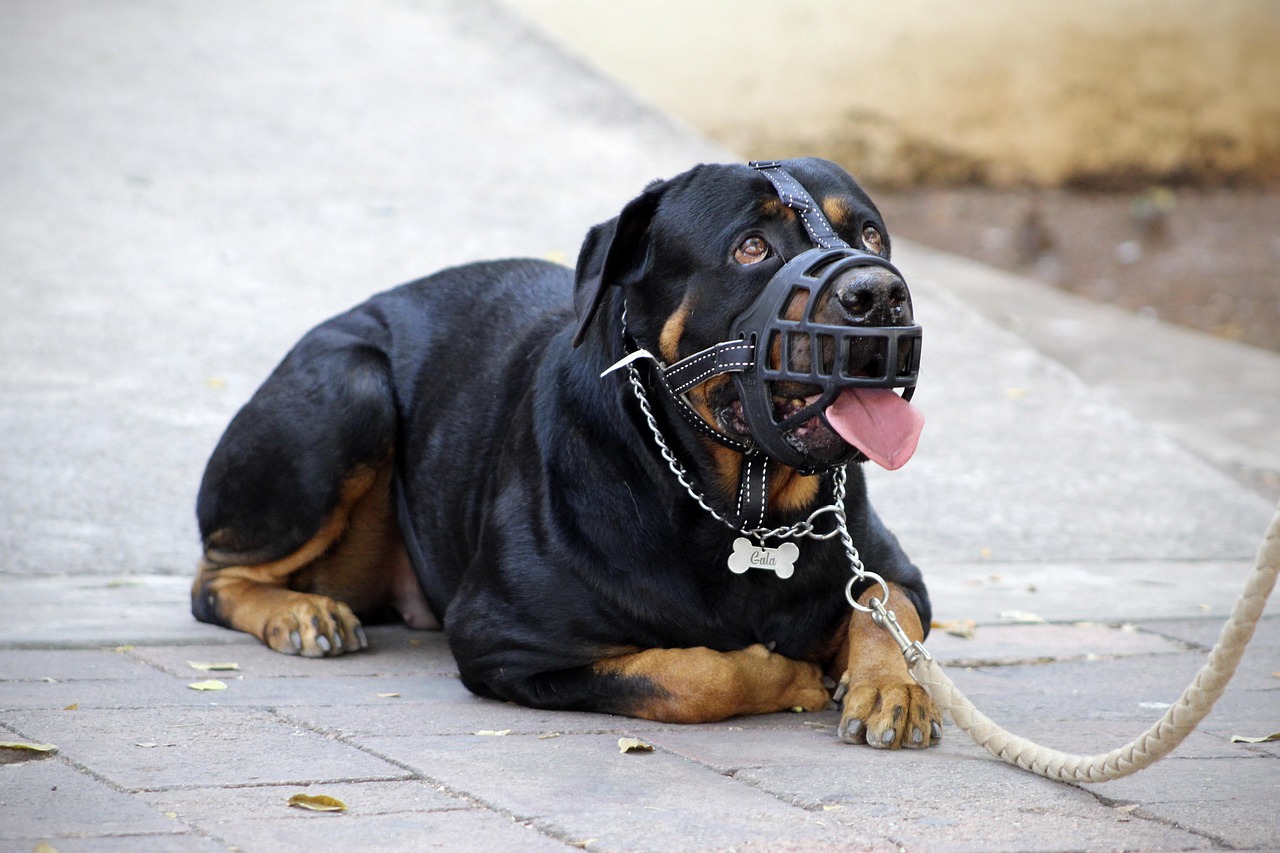
When working with a dog that has a history of snapping during handling, safety is non-negotiable. However, putting a muzzle on a stressed dog as a punishment or last-minute restraint often increases their trauma. Instead, practice positive muzzle conditioning so the dog views the muzzle as a welcome puzzle feeder.
Choose an ergonomic basket muzzle that allows your dog to pant, drink, and take treats easily. Smear a small amount of peanut butter or plain yogurt inside the basket and let the dog voluntarily insert their nose to lick it. Practice fastening the strap for only a few seconds initially, immediately rewarding them with high-value treats through or after the basket. A properly conditioned muzzle eliminates the handler’s anxiety, which in turn helps the dog stay calmer.
Many owners feel an emotional barrier about using muzzles, associating them unfairly with aggression or punishment. In professional veterinary and training circles, however, muzzles are viewed as essential safety tools that protect both humans and animals. When a dog knows they cannot bite, their handler experiences a massive drop in tension, releasing less cortisol and body stiffness. Dogs are exceptionally perceptive readers of human body language; when you feel secure and relaxed behind a properly fitted basket muzzle, your dog immediately senses that shift and settles down more quickly.
Choosing Between Professional Salons and Home Upkeep
Even with consistent home desensitization, some maintenance tasks or dog temperaments require professional intervention. Deciding whether to tackle grooming at home or outsource it depends on your dog’s specific triggers, your physical capabilities, and the complexity of the coat type.
Home upkeep works best for maintenance brushing, daily paw wiping, and early puppy socialization. It allows you to control the environment and work in short, five-minute increments tailored to your schedule. However, full body haircuts, thick double-coat blowouts, and difficult nail grinds often require specialized equipment, hydraulic tables, and professional expertise.
When to Hire a Fear-Free Certified Professional
If your dog requires full grooming but panics at home, look for a groomer certified in fear-free or low-stress handling methods. These professionals use specialized techniques, non-slip surfaces, calming pheromones, and frequent rest breaks to minimize trauma. Always communicate your dog’s specific triggers honestly during the intake consultation so the groomer can tailor their approach.
Evaluating a professional grooming salon requires asking targeted questions before booking an appointment. Inquire whether their staff has received formal training in low-stress handling or cooperative care. Ask how they handle dogs that display severe handling anxiety—do they use muzzles and rest breaks, or do they rely on physical force and restraint tables? A reputable fear-free groomer will welcome your questions, allow you to tour the handling area, and respect your dog’s emotional boundaries during every step of the grooming process.
Common Mistakes to Avoid During Grooming Training
Progress can easily stall if you fall into common handling traps. Being aware of these pitfalls helps keep your training on track:
- Rushing the timeline: Expecting a fearful dog to tolerate a full grooming session in a single weekend always backfires.
- Using flooding techniques: Forcibly pinning a dog down until they stop struggling teaches them helplessness, not comfort, and increases the risk of a bite.
- Choosing low-value rewards: Using dry kibble when working through high-level anxiety rarely works. Reserve chicken, freeze-dried liver, or squeeze cheese exclusively for grooming sessions.
- Inconsistent timing: Delivering the treat after the scary event is over rather than *during* the handling fails to build a positive association.
Avoiding these common missteps requires mindfulness and patience. If you find yourself losing patience or feeling frustrated during a desensitization session, it is always best to pause, put the equipment away, and try again another day. Training should always remain a positive shared experience that strengthens your bond rather than creating a battleground of wills.
Building a Sustainable Maintenance Routine
Once your dog is comfortable with basic handling, consistency is the key to maintaining their progress. Integrate short, low-stress handling sessions into your weekly routine even when grooming isn’t strictly necessary. A quick paw touch during TV time or a minute of brushing followed by a treat keeps the behavior fresh and prevents regression.
Remember that managing dog grooming anxiety is a marathon, not a sprint. By respecting your dog’s boundaries, honoring their communication signals, and taking a systematic approach to positive reinforcement, you can turn a fraught chore into a safe, cooperative bonding experience for both of you. Over time, your consistent efforts will build deep emotional resilience, ensuring that future veterinary exams, nail trims, and coat maintenance sessions become calm, manageable parts of your dog’s daily life.