When summer pyrotechnics light up suburban neighborhoods or low-pressure fronts roll across the plains, millions of American dog owners face a heartbreaking spectacle: a pet driven into blind panic by sound. For pet parents searching for an effective dog noise phobia thunder firework anxiety treatment US protocol, canine noise aversion is far more than a minor annoyance or a mild shudder under the dining room table. Left unmanaged, severe sound sensitivity can escalate into dangerous destruction, fence-jumping escape attempts, self-injury, and profound psychological distress. A successful response requires a coordinated strategy combining physical shelter, sensory masking, behavioral conditioning, and modern veterinary medicine.
Managing a noise-phobic dog is not about finding a single magic pill or relying exclusively on a tight vest. Instead, board-certified veterinary behaviorists advocate for a multi-layered approach. By establishing an acoustically muffled safe den, applying supportive pressure wraps, utilizing white noise masking, and administering targeted, short-acting anxiolytic medications prescribed by your veterinarian, you can prevent panic before it takes hold of your household.
Understanding Canine Noise Sensitivity and Panic Responses
To treat noise phobia effectively, it helps to understand what happens inside a dog’s nervous system when loud, unexpected sounds strike. Canines hear frequencies almost twice as high as humans can, and their hearing is significantly more sensitive to sudden changes in amplitude. A distant rumble of thunder that sounds like a low hum to human ears can feel like a localized explosion to an animal with acute acoustic perception.
Thunderstorm phobia is particularly complex because it rarely involves sound alone. Dogs sensitive to storms are often reacting to a cascade of subtle environmental cues that begin hours before the first audible clap of thunder:
- Barometric Pressure Drops: Rapid shifts in atmospheric pressure signal an impending storm system to a sensitive animal’s middle ear, triggering early anticipatory anxiety.
- Static Electricity Build-Up: Large storm fronts generate high atmospheric static charge. Dogs with thick or double coats can experience uncomfortable static buildup, causing them to seek out grounded areas like bathtubs, tiled basements, or stainless steel fixtures.
- Ozone and Chemical Scent Changes: Rain and electrical lightning charges alter atmospheric chemistry, creating distinct scent markers that dogs detect long before clouds darken.
- Low-Frequency Infrasound: Thunder creates deep, low-frequency vibrations that travel vast distances through the earth and air, triggering visceral physiological arousal before human ears register a sound.
Fireworks, on the other hand, produce sharp, unpredictable, high-decibel acoustic shocks accompanied by explosive flashes of light and sulfurous odors. Because pyrotechnics occur in rapid, erratic bursts without the natural warning sequence of a storm, they frequently trigger acute freeze-or-flight panic responses.
Recognizing the Spectrum of Anxiety Symptoms
Fear responses manifest differently depending on a dog’s temperament, age, and genetic background. Recognizing early signs allows you to intervene with environmental or medical support before your pet reaches an unmanageable state of terror.
| Severity Level | Observable Behaviors | Physiological Signals |
|---|---|---|
| Mild | Pacing, hyper-vigilance, tail tucking, lip licking, ears pinned back, subtle yawning. | Slightly elevated respiratory rate, mild muscle tension. |
| Moderate | Trembling, vocalizing, seeking constant human contact, refusal of high-value treats, persistent digging at floor carpets. | Panting, heavy drooling (hypersalivation), dilated pupils, warm paw pads from stress sweating. |
| Severe | Frantic door scratching, chewing drywall, jumping through glass windows, uninhibited escape attempts, aggressive defense if restrained. | Tachycardia, involuntary elimination, extreme hyperventilation, elevated body temperature, high risk of self-trauma. |
Designing an Environmental Sanctuary: The Safe Den
When panic strikes, a dog’s primary instinct is to seek a subterranean or enclosed space to wait out the perceived threat. Creating a dedicated environmental den provides an immediate physical barrier against light bursts, acoustic shocks, and atmospheric shifts.
The ideal den location is an interior room with no exterior walls or windows—such as a central walk-in closet, a windowless hallway, or a subterranean basement room. If an interior room isn’t available, choose an interior bathroom or a master bedroom equipped with heavy, insulated window coverings.
Acoustic Soundproofing for Scared Dogs
True soundproofing requires high mass and airtight construction, which isn’t always feasible in a standard home setting. However, you can achieve significant acoustic dampening by applying smart soundproofing tactics to your chosen den:
- Block Window Gaps: Heavy thermal blackout curtains or dense acoustic moving blankets hung over windows absorb high-frequency sound waves and eliminate startling flashes of light.
- Seal Door Frames: Draft stoppers and weather stripping around the den door prevent sound leakage through open gaps under or around the doorframe.
- Add Dense Fabrics: Soft materials absorb sound reflections within the room. Line the floor with thick wool rugs or foam mats, and drape heavy blankets over plastic or metal dog crates.
- Ground Static Electricity: If your dog seeks out porcelain fixtures, bath tubs, or metal pipes during storms, place an anti-static mat or grounded bed in the den to prevent micro-shocks caused by ambient static build-up.
Integrating Environmental Control and Comfort
A den must remain comfortable and well-ventilated, especially during hot summer holidays like the 4th of July. Keep the space air-conditioned to prevent overheating, which can easily happen when an anxious, heavy-panting dog is enclosed in a small room. Leave the door slightly ajar or ensure continuous airflow through a quiet box fan positioned away from the dog’s primary resting spot.
Equip the sanctuary with orthopedic bedding, familiar blankets unwashed to retain comfort smells, and an item of worn human clothing. Providing safe chew toys loaded with frozen peanut butter or wet food offers a positive tactile outlet that can help soothe mild arousal.

Sound Masking and Auditory Distraction Strategies
Blocking external noise is only half the battle; masking what gets through is equally vital. Passive silence can actually make sharp acoustic spikes sound more dramatic to a terrified animal. Introducing continuous, predictable baseline sound softens the contrast between silence and sudden loud explosions.
White Noise vs. Brown Noise
Not all sound masking is created equal. While standard white noise contains equal energy across all audible frequencies, it often sounds like harsh television static to sensitive ears. Many dogs respond far better to brown noise or pink noise, which feature deeper, lower-frequency profiles that resemble a roaring waterfall, heavy rain, or a low-register fan. These lower frequencies are remarkably effective at drowning out the deep thuds of distant pyrotechnics and low thunder rumbles.
Position sound machines directly between the primary sound source (such as an exterior window or patio door) and your dog’s bed. Avoid playing sound at deafening levels; the goal is to create a constant acoustic background, not to overload your dog’s ears further.
Regulated Auditory Therapy and Psychoacoustics
Classical music and specially engineered canine auditory therapy can actively lower heart rates. Psychoacoustically modified classical compositions—which feature simplified rhythms, low frequencies, and steady tempos of 50 to 60 beats per minute—have been shown in clinical trials to reduce stress behaviors in shelter environments and private homes.
Start playing this music during calm, positive experiences—such as mealtime or belly rubs—weeks before storm or firework season begins. This creates a positive conditioned emotional response, converting the music into an auditory signal that safety and comfort are present.
Compression Garments and Calming Aids: Mechanics and Limitations
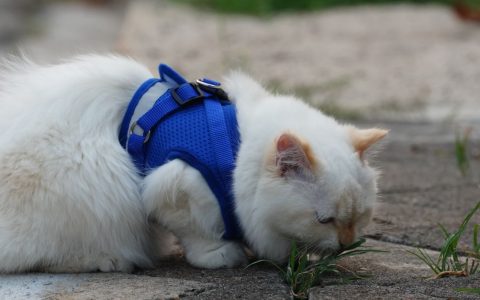
Compression vests, such as the ThunderShirt or specialized anxiety wraps, are widely used across the US for canine noise phobia. These garments apply gentle, continuous pressure across the torso, similar to the practice of swaddling an infant or using a weighted blanket for human sensory anxiety.
How Compression Gear Works
The underlying theory relies on deep-pressure somatosensory stimulation. Continuous, uniform pressure triggers the release of endorphins and reduces physiological heart rate responses in mild-to-moderate anxiety cases. For many dogs, a properly fitted compression wrap shifts their emotional state from active panic to a manageable level of calm.
To use compression garments effectively, keep these key guidelines in mind:
- Ensure Proper Fit: The wrap must be snug around the chest and torso without restricting breathing, movement, or circulation. You should be able to slide two fingers comfortably under the straps.
- Condition the Wrap First: Never put a brand-new compression vest on your dog for the first time during an active thunderstorm or a major holiday firework display. The dog will quickly associate the vest with fear. Instead, put the wrap on during calm, everyday activities for short 15-minute intervals, pairing it with high-value treats.
- Avoid Overuse: Do not leave compression wraps on continuously for days at a time. Put the vest on 30 to 45 minutes before an anticipated storm or event, and remove it once the environment calms down to prevent sensory habituation.
Pheromones and Topical Calming Supplements
Synthetic Dog Appeasing Pheromones (DAP)—which mimic the reassuring pheromones secreted by a nursing mother dog—can be diffused in the safe room or sprayed directly on bedding. While DAP diffusers rarely stop severe panic on their own, they work well alongside noise masking and compression gear to create a reassuring sensory environment.
Calming supplements containing L-theanine, alpha-casozepine, or tryptophan can be helpful for mild situational stress, but they are generally insufficient for severe, panic-level noise phobias. Always discuss supplements with your veterinarian before introducing them, especially if your dog is taking prescription medications.

Veterinarian-Prescribed Situational Medication Protocols
When environmental management and physical gear are not enough to keep a dog calm, veterinary intervention is necessary. Severe noise phobia is a dangerous medical condition that causes extreme acute stress, metabolic strain, and risk of severe physical injury. Modern veterinary medicine offers safe, highly targeted situational anti-anxiety medications designed to prevent full-blown panic.
Short-Acting Anxiolytics vs. Outdated Sedatives
Historically, dogs with noise phobia were frequently prescribed acepromazine, a powerful tranquilizer. Modern veterinary behaviorists strongly advise against using acepromazine as a standalone treatment for noise anxiety. Acepromazine acts as a neuromuscular blocker and sedative without providing true anti-anxiety (anxiolytic) effects. It renders the dog physically unable to move or react while leaving their mind fully conscious and terrified—effectively trapping the dog inside their panic.
Today, a comprehensive dog noise phobia thunder firework anxiety treatment US approach prioritizes true situational anxiolytics that block fear pathways in the brain without paralyzing the animal:
- Dexmedetomidine Oromucosal Gel: An FDA-approved prescription gel specifically formulated for canine noise aversion. Applied directly to the dog’s gums (oromucosal absorption), it selectively targets alpha-2 adrenergic receptors in the brain to block fear and hyper-arousal responses without causing heavy general sedation.
- Gabapentin: Widely used for off-label situational anxiety, gabapentin dampens central nervous system hyper-excitability. Administered 1 to 2 hours before an anticipated event, it provides physical relaxation and mild sedating effects.
- Trazodone: A serotonin antagonist and reuptake inhibitor (SARI) that rapidly reduces acute fear, agitation, and panic. It is often prescribed as an as-needed oral tablet given prior to storms or fireworks.
- Benzodiazepines (e.g., Alprazolam, Diazepam): Fast-acting medications that can disrupt an active panic response if given at the earliest sign of anxiety. They work rapidly on GABA receptors, though they require careful veterinary oversight due to potential habituation or occasional paradoxical excitation.
Timing and Dosing Protocols
The single most common mistake pet owners make with situational medication is waiting too long to give it. Once a dog is in full panic mode—with racing pulse, dilated pupils, and flooded adrenaline—oral medications take much longer to absorb and are significantly less effective.
Administer prescribed situational anxiolytics 60 to 90 minutes before the expected noise event. Watch weather radar closely during storm season, and check local schedule announcements ahead of summer holiday pyrotechnics. If a sudden storm strikes without warning, consult your veterinarian beforehand about emergency dosing protocols.
Always complete a comprehensive medical examination and blood panel with your primary veterinarian before starting any situational medication protocol. Dogs with underlying cardiac, renal, or hepatic conditions require careful drug selection and precise dosage adjustments.
Cost Breakdown: Planning for Dog Storm and Firework Treatments
Managing noise phobia effectively requires a modest investment in physical gear, environmental modifications, and professional veterinary consultations. Here is a practical overview of expected costs when building a comprehensive care plan in the United States:
- Veterinary Consultation & Prescriptions: An initial exam and behavioral evaluation typically costs $80 to $200, depending on your region. A seasonal supply of situational medications (such as trazodone, gabapentin, or dexmedetomidine gel) ranges from $30 to $120 per season.
- Compression Wraps & Vests: High-quality pressure coats run between $35 and $60.
- Environmental Soundproofing & Den Setup: A dedicated white or brown noise machine costs $25 to $50. Acoustic blackout curtains, heavy blankets, and pheromone diffusers add another $50 to $150.
- Professional Behavior Consultations: For severe cases requiring personalized desensitization programs, a consultation with a board-certified veterinary behaviorist (DACVB) or certified professional dog trainer (CPDT-KA) ranges from $150 to $450 per session.
Long-Term Desensitization and Counter-Conditioning
Situational medications and safe dens manage acute panic during active events, but long-term recovery requires retraining how your dog’s brain processes scary sounds. Systematic desensitization and counter-conditioning are the gold-standard behavioral techniques for lasting relief.
Step-by-Step Desensitization Process
- Acquire High-Quality Audio Tracks: Source professional recordings of thunderstorms or fireworks. Standard phone speakers are too tinny to reproduce realistic low frequencies, so play these tracks through a high-fidelity home audio system or soundbar with decent bass response.
- Identify the Threshold: Play the sound at a volume so low that your dog notices it but shows absolutely zero signs of anxiety—no lip licking, head tilting, or pacing. This baseline is your starting threshold.
- Pair with High-Value Rewards: The moment the low-level sound plays, offer high-value treats (such as cooked chicken, freeze-dried liver, or real cheese) or engage in your dog’s favorite game. The goal is to build a direct neural association: sound equals unexpected rewards.
- Gradually Increase Volume Over Weeks: Slowly increase the volume by minute increments across multiple short sessions (3 to 5 minutes each). If your dog shows any subtle stress signals, turn the volume down immediately and return to the previous safe level.
- Introduce Secondary Sensory Cues: Once your dog is comfortable with higher audio levels, incorporate flash effects using dimmable lights to simulate lightning, continuing to reward calm behavior throughout.
Patience is essential. True desensitization takes weeks or months of consistent, small sessions. Pushing your dog too fast can cause sensitization, making the fear worse instead of better.
Common Owner Mistakes During Noise Events
When our pets are terrified, human instincts don’t always align with effective canine behavioral management. Avoid these common pitfalls during high-noise events:
- Punishing Fear Behaviors: Never scold, crate forcefully, or punish a dog for whining, pacing, or barking during a storm. Fear is an involuntary emotional response, not an act of disobedience. Punishment confirms to the dog that the environment is dangerous, exacerbating panic.
- Forcing Exposure: Do not drag a terrified dog out of their self-selected hiding spot (under a bed or in a closet) to bring them into the living room or force them to wear gear. Respect their choice of shelter.
- Withholding Comfort: An outdated myth claimed that comforting a scared dog “reinforces fear.” Modern veterinary behavior science disproves this completely. You cannot reinforce a primary emotion like fear with gentle affection. If your dog seeks comfort, provide steady, calm physical contact. However, avoid dramatic, high-pitched coddling that signals heightened human anxiety.
- Leaving Dogs Unattended Outdoors: Never leave a noise-sensitive dog in a yard during fireworks or storms, even within a securely fenced area. Panic drives dogs to scale high fences, dig under footings, or break through latch gate mechanisms, leading to lost or injured pets.
- Delaying Microchip Updates: More dogs slip collar tags and escape on the 4th of July than on any other day of the year. Ensure your dog is microchipped and that contact details in national registries are current before holiday periods.
Frequently Asked Questions About Dog Noise Phobia
Can a dog suddenly develop noise phobia as an adult?
Yes. It is common for dogs to develop noise phobias between the ages of 1 and 5 years as they reach full behavioral maturity. Sudden onset of noise sensitivity in older dogs can also indicate medical conditions, such as painful musculoskeletal disease, cognitive dysfunction syndrome, or subtle hearing changes that alter sound perception.
Is it safe to combine a ThunderShirt with situational medication?
Absolutely. Combining environmental management tools like ThunderShirts or brown noise with prescribed anxiolytic medications is considered standard best practice in veterinary behavior. Combining modalites creates a comprehensive safety net that addresses sensory, physical, and chemical aspects of panic.
How far in advance should I give my dog storm medication?
Most oral situational medications (such as trazodone or gabapentin) take 60 to 90 minutes to reach peak effectiveness. Administer medications before physical symptoms appear. Monitoring radar reports during storm season allows you to medicate your pet before atmospheric pressure drops trigger early anxiety.
Building Your Multi-Layered Noise Action Plan
Managing severe canine noise phobia requires planning ahead long before the sky fills with thunder clouds or holiday fireworks. By systematically combining environmental modifications, physical compression tools, sound masking, and modern situational anxiolytics, you can transform seasonal panic into a manageable, safe experience for your dog.
Schedule a consult with your veterinarian well ahead of peak storm seasons or summer holidays. Discuss proper anxiolytic options, establish safe baseline doses, and test your indoor den setup early. With an effective plan in place, you can protect your dog’s health, prevent escape risks, and keep your household calm through every storm.