For decades, the laundry aisle has been dominated by bulky plastic jugs of heavy liquid soap, massive tubs of powder, and, more recently, pre-measured plastic pods. Today, a new contender occupies shelf space: ultra-thin, dehydrated laundry detergent sheets. When evaluating laundry detergent sheets vs liquid formulas, eco-conscious shoppers must look past marketing claims to examine surfactants, enzymes, and water ratios. Marketed heavily for their zero-waste, plastic-free cardboard packaging and featherlight footprint, these sheets promise the cleaning power of traditional formulas without the environmental guilt. But for shoppers accustomed to pouring a capful of thick blue liquid or tossing a pod into the drum, skepticism is natural. Do these paper-thin squares actually dissolve in cold water? Can they lift stubborn grass stains, grease, and daily odors just as effectively as legacy brands? And how do they stack up economically on a cost-per-load basis?
Evaluating laundry detergent sheets vs liquid requires looking past marketing claims to examine how surfactants, enzymes, and water ratios interact inside modern high-efficiency washing machines. While traditional liquid detergent remains the undisputed standard for versatility and heavy-duty stain pretreating, detergent sheets have evolved rapidly, offering compelling advantages for space-saving, eco-conscious households. This guide breaks down the science, performance trade-offs, financial costs, and real-world results of switching your laundry routine.
Understanding the broader market shift helps clarify why so many consumers are looking for alternatives. Traditional household cleaning products have long relied on heavy packaging that incurs steep carbon costs during transport. When shoppers buy liquid detergent, they are essentially paying to ship water across state lines—water that is already flowing freely from household taps across the country. Detergent sheets strip away that unnecessary fluid, delivering concentrated active ingredients in a format that easily fits inside a standard mailbox or a tight apartment cabinet. However, convenience and sustainability matter little if your clothes still look dingy or retain odors after a full cycle. Analyzing the mechanics of how these products clean is essential to making an informed purchasing decision for your household.
How Laundry Detergent Sheets Work
To understand whether detergent sheets can compete with liquid soap, it helps to understand what they are made of. Traditional laundry detergent is roughly 50 to 80 percent water. Liquid formulas require this liquid base to keep surfactants, stabilizers, and optical brighteners in suspension. Detergent sheets take a radically different approach through dehydration. Manufacturers blend concentrated surfactants, alcohols, polyvinyl alcohol (PVA) as a binding agent, and plant-based enzymes into a paste, which is then rolled, dried, and cut into paper-thin squares.
When you drop a sheet into your washing machine drum or detergent drawer, water immediately attacks the PVA matrix. The sheet rapidly dissolves, releasing the concentrated cleaning agents directly into the wash water. Because the water is removed during manufacturing, the resulting product weighs a fraction of an ounce and eliminates the need for heavy single-use plastic jugs. However, this minimalist format introduces unique engineering challenges, particularly regarding how quickly and completely the sheet dissolves in cold water cycles, which have become standard for energy-conscious homes across the United States.
The science of surfactants relies on molecules with hydrophilic (water-loving) and hydrophobic (water-fearing) ends. In traditional liquids, these molecules float freely in a suspension of water. In a detergent sheet, they are locked into a solid, dry polymer matrix. The moment water is introduced in the wash drum, that matrix must disintegrate instantly to allow the surfactants to surround dirt and oil particles, lifting them away from fabric fibers. If the manufacturing process creates a sheet that is too dense, or if the water temperature is too low, portions of the sheet can remain un-dissolved, reducing the overall cleaning efficiency and occasionally leaving a gummy residue on dark garments.
Traditional Liquid Detergent: The Standard Bearer
Liquid laundry detergent has maintained its market dominance for good reason: versatility. Liquid soaps excel at immediate dissolution because they are already dissolved. When you pour liquid detergent directly onto a greasy collar stain or a mud-splattered pair of jeans, the surfactants immediately begin breaking down hydrophobic bonds before the wash cycle even starts. This ability to act as a pre-treater is a major performance advantage that dry sheets cannot easily replicate.
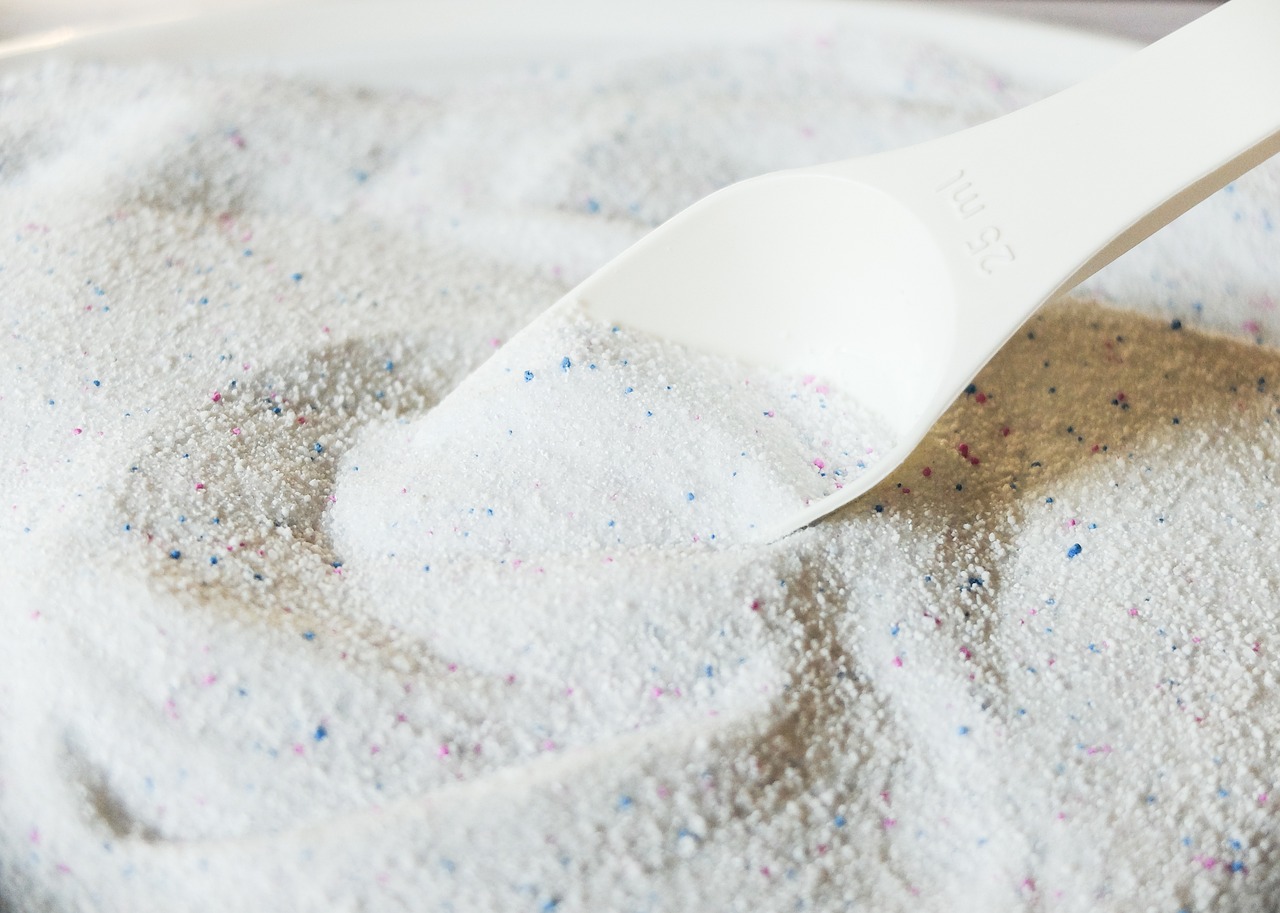
Liquid detergents also allow for precise variable dosing. If you are washing a small, lightly soiled load of gym clothes, you can use less soap. If you are washing a massive load of heavy towels, you can scale up. Formulators can pack specialized enzyme blends, optical brighteners, and long-lasting synthetic fragrances into liquid matrices with relative ease. The primary drawback of liquid detergent is entirely structural: the packaging. Millions of high-density polyethylene (HDPE) plastic jugs enter landfills and recycling facilities every year. Furthermore, shipping heavy water-based liquids across the country burns substantial fossil fuels compared to shipping lightweight, compressed sheets.
Beyond packaging concerns, liquid detergent requires dedicated storage space. Bulky jugs take up substantial room on laundry room shelving or floor space next to the machine. Additionally, measuring caps often become sticky and messy, leading to product buildup around the rim of the bottle. Despite these operational frustrations, many consumers continue purchasing liquid formulas because they trust decades of established household habit and recognize the immediate visual satisfaction of pouring a measured cap of soap.
Laundry Pods: Convenience with a Catch
Before detergent sheets gained popularity, single-use pods promised an end to sticky measuring caps and heavy pouring. Pods encase a highly concentrated liquid or powder detergent inside a water-soluble PVA film. They offer unmatched convenience and eliminate user error associated with overdosing liquid soap, which can leave soapy residue on fabrics and build up inside machine plumbing.
However, pods carry distinct disadvantages. They are significantly more expensive per load than bulk liquid or sheets. They also present safety hazards in households with small children or pets, as their bright colors and candy-like appearance have led to accidental ingestions. Additionally, while the PVA casing is designed to dissolve, questions remain about how completely these synthetic films break down in municipal wastewater treatment plants, leading many eco-conscious consumers to seek alternatives like detergent sheets.
The manufacturing process for pods also requires specialized machinery that encapsulates liquid under specific humidity and temperature controls, which contributes to their higher retail price point. While they solve the clutter and measuring issues of traditional jugs, they fail to solve the broader sustainability equation because they are typically packaged in rigid plastic tubs or heavy plastic bags that add to household waste streams.
Stain Removal Performance: Do Detergent Sheets Clean Well?
The central question for any consumer considering a switch is simple: do detergent sheets clean well? The short answer is yes, for everyday laundry. For typical office wear, school clothes, bedsheets, and light body oils, high-quality detergent sheets perform comparably to mid-tier liquid detergents. Modern sheet manufacturers incorporate active enzymes—such as protease for protein stains and amylase for starches—into the dried matrix, ensuring that organic soils are actively broken down during the wash cycle.
However, performance diverges when dealing with challenging soils. If your household frequently tackles heavy industrial grease, ground-in red clay, motor oil, or deep-set wine spills, standard detergent sheets may fall short unless paired with a dedicated stain-removal booster. Because sheets cannot be poured directly onto a stain as a concentrated spot treatment, you lose the pre-treating advantage that liquid detergent provides. To achieve comparable results with sheets on heavily soiled loads, you either need to pre-treat stains with a separate stain remover or use warm-to-hot water cycles that help activate the surfactants more aggressively.
Laboratory testing of various laundry formats consistently shows that while surfactants in sheets perform admirably on water-soluble and light oily soils, heavy pigment stains require targeted enzymatic action that works best when applied directly to the fabric before agitation begins. Consumers who transition to sheets should adjust their laundry habits by keeping a natural enzyme spray or a bar of laundry soap on hand for spot-treating collar rings, ink marks, and food splatters before tossing garments into the machine.
Fabric Softening and Conditioning Comparison
Many laundry detergent sheets are marketed as all-in-one solutions that clean and soften fabrics simultaneously, eliminating the need for separate liquid fabric softeners or dryer sheets. This dual-action claim relies on plant-based softening agents or mild conditioning polymers incorporated into the sheet formulation.
In practice, the softening effect of detergent sheets is subtle. If you prefer the heavy, slippery coating left by traditional liquid fabric softeners, detergent sheets will likely feel underwhelming. However, this is often a hidden benefit rather than a flaw. Traditional liquid fabric softeners deposit waxy chemical residues on clothing fibers over time, which reduces the moisture-wicking performance of athletic wear, towels, and flame-retardant children’s sleepwear. Detergent sheets generally rinse cleaner than liquid softeners, leaving fabrics feeling naturally clean rather than artificially coated. For households that miss static control, wool dryer balls provide a sustainable, chemical-free alternative.
Furthermore, avoiding chemical-laden fabric softeners is particularly beneficial for family members with sensitive skin or dermatological conditions like eczema. Residues left by traditional softeners can trap heat and irritate skin. Detergent sheets reduce this chemical burden by eliminating unnecessary synthetic fragrances, dyes, and fatty acid softeners from the wash cycle entirely, promoting healthier garment wear over the long term.
Cost-Per-Load Analysis
When comparing liquid vs sheet laundry soap comparison metrics, price is often the deciding factor. Traditional budget liquid detergents remain the cheapest option on a strict cost-per-load basis, particularly when purchased in massive bulk containers at warehouse clubs. However, ultra-concentrated eco-friendly liquids from premium brands often rival or exceed the price of detergent sheets.
Dyer sheets typically fall in the mid-to-high price tier. While a single box of 60 to 100 sheets might look inexpensive upfront, you must calculate the exact cost per load. Premium eco-friendly sheets generally range from 15 to 30 cents per load, putting them on par with mid-range liquid pods and premium plant-based liquids. When factoring in the elimination of separate fabric softeners and the reduction of accidental product waste from spilling or overdosing liquid soap, the financial gap narrows considerably.
It is also worth considering hidden financial factors, such as storage efficiency and shipping costs. Because sheets are lightweight and sold in flat cardboard mailers, many brands offer direct-to-consumer subscription models that eliminate retail markups. When evaluating your household budget, taking a holistic view of laundry expenses—including the purchase of separate stain removers, softeners, and replacement items damaged by heavy chemical buildup—helps clarify the true value of making the switch.
Environmental Impact and Packaging Waste
The strongest argument for switching to detergent sheets is undeniable: packaging waste. The laundry care industry produces billions of single-use plastic jugs annually, a significant percentage of which never make it to a recycling facility due to complex municipal sorting constraints or caps made from mismatched plastics.
Laundry detergent sheets are almost universally packaged in compostable or recyclable cardboard envelopes. This eliminates plastic jug waste entirely. Furthermore, because the sheets are dehydrated and flat, their shipping volume is drastically smaller than that of liquid detergent. Transporting a pallet of liquid detergent means hauling thousands of pounds of water across the highway system, whereas a pallet of detergent sheets can hold the equivalent number of loads in a fraction of the space, drastically lowering transportation-related carbon emissions.
For eco-conscious households looking to minimize their carbon footprint, this reduction in logistics emissions and solid waste is a major selling point. Plastic jugs that do make it to recycling centers often require energy-intensive processing, and many municipal programs reject colored or opaque high-density polyethylene altogether. Adopting cardboard-packaged detergent sheets removes household reliance on petroleum-based plastics entirely for this category of home maintenance.
Washing Machine Compatibility and Water Temperature
Modern US households predominantly use high-efficiency (HE) front-load or top-load washing machines that utilize lower water volumes than older agitator models. This water-saving design requires detergents that dissolve rapidly without leaving gummy residue.
High-quality detergent sheets dissolve completely in warm and hot water within seconds. However, in very cold water cycles (below 60 degrees Fahrenheit), some lower-quality sheets may fail to dissolve entirely, leaving thin, translucent film flakes stuck to dark clothing or trapped in rubber door gaskets. If you wash exclusively in icy tap water during winter months, look for brands specifically engineered for cold-water dissolution or tear the sheet into smaller pieces before tossing it into the drum.
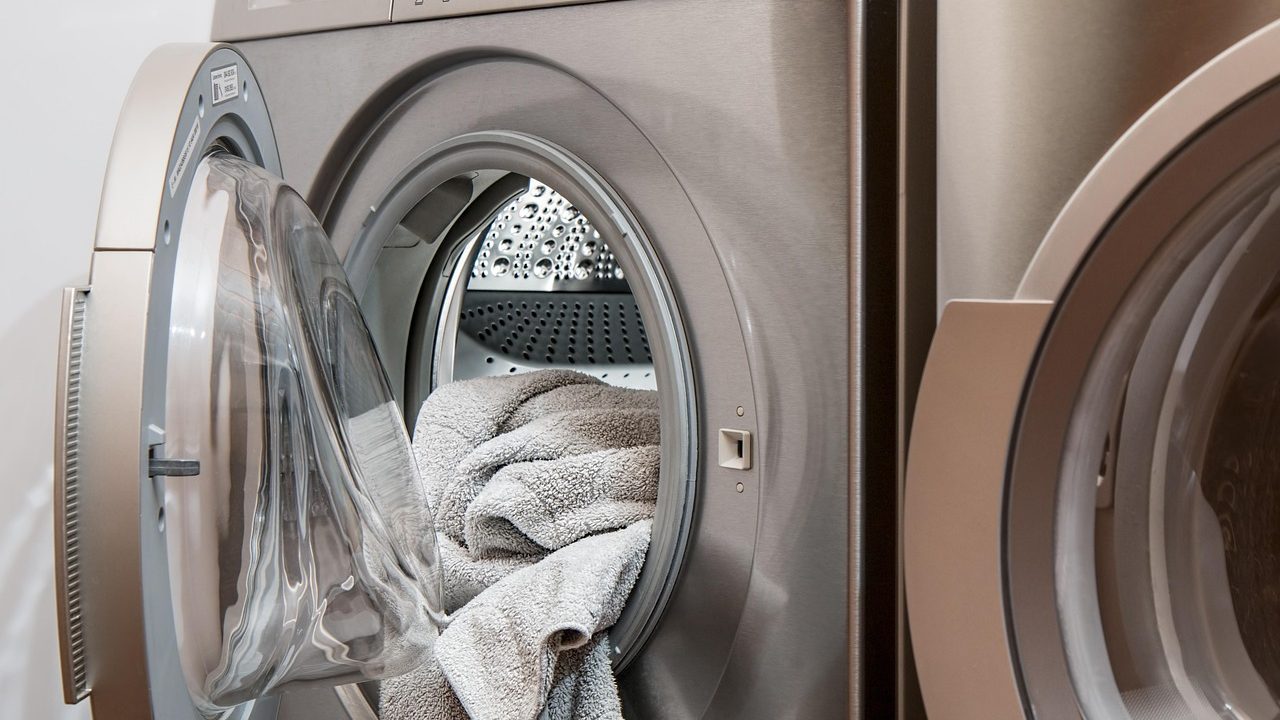
Ensuring compatibility with your specific washing machine model involves reviewing manufacturer guidelines regarding detergent types. While traditional powders can sometimes clog older dispenser drawers, detergent sheets bypass this issue when placed directly into the wash drum. For front-loaders, placing the sheet at the back of the drum before loading clothes ensures it is immediately saturated with water as the fill cycle begins, maximizing dissolution efficiency.
What to Look for in Eco-Friendly Laundry Detergent Sheets
If you decide to transition, not all detergent sheets are created equal. Use this checklist to evaluate brands:
- Transparent Ingredient Lists: Avoid vague terms like “fragrance” or proprietary blends. Look for clearly listed plant-derived surfactants and enzymes.
- Plastic-Free Packaging: Ensure the outer envelope and internal seals are genuinely cardboard or home-compostable materials without hidden plastic coatings.
- Enzyme Inclusion: Check for protease, amylase, and cellulase to ensure the sheet has actual stain-fighting capability rather than just soapy water.
- Scent Options: If you have sensitive skin, opt for unscented or hypoallergenic variants free of synthetic musks and phthalates.
Taking the time to research brand certifications, such as Leaping Bunny cruelty-free standards or USDA organic biobased labels, helps ensure that your eco-friendly choice meets rigorous environmental standards. Reading independent consumer reviews can also highlight whether a specific brand tends to clump in cold water or leave unwanted residue on synthetic fabrics.
Common Mistakes When Using Detergent Sheets
Maximizing the performance of laundry detergent sheets requires avoiding a few common user errors:
- Overloading the Machine: Stuffing the drum to maximum capacity prevents water from circulating freely, which prevents the sheet from dissolving completely.
- Placing Sheets in the Dispenser Drawer: Unless the manufacturer explicitly approves it, do not place sheets in the automatic liquid dispenser drawer. Always drop them directly into the drum before adding clothes.
- Under-dosing Large Loads: For oversized loads or heavily soiled workwear, a single standard sheet may not provide enough surfactant power. Use two sheets for extra-large or exceptionally dirty loads.
Another frequent oversight is neglecting to store the cardboard packaging in a dry location. Because detergent sheets are sensitive to ambient moisture, storing them in a damp laundry room without sealing the package can cause the sheets to stick together or degrade prematurely. Keep the box in a cool, dry cabinet to maintain structural integrity.
The Verdict: Which Should You Choose?
The choice between laundry detergent sheets and liquid detergent ultimately depends on your household’s priorities. If your primary goal is eliminating single-use plastic waste, reducing your carbon footprint, and reclaiming valuable shelf space in a crowded laundry room, modern laundry detergent sheets are an exceptional alternative that easily handles everyday garments.
However, if you routinely manage industrial-strength stains, require heavy-duty pre-treating capabilities, or prefer the lowest possible cost-per-load for massive family laundry volumes, traditional liquid detergent remains a reliable workhorse. For many households, a hybrid approach—keeping a small bottle of liquid stain-pretreater on hand while using eco-friendly detergent sheets for standard daily loads—offers the best of both worlds.
Ultimately, transitioning away from heavy plastic jugs represents a meaningful step toward sustainable home management. By understanding the performance dynamics, cost structures, and environmental benefits of laundry detergent sheets, you can curate a laundry routine that protects your clothing, respects your budget, and preserves the planet.