Overlanding and vehicle-based camping have surged in popularity, driving up the retail cost of quality gear. When you begin your research using a refurbished roof top tent buyer guide, you quickly realize that for campers looking to upgrade their setup without spending top dollar, a factory-certified refurbished shelter can look like an incredible bargain. Major manufacturers occasionally clear out returned inventory, floor models, or units with minor cosmetic blemishes, offering them at steep discounts. However, buying pre-owned or factory-renewed camping equipment requires a different evaluation standard than buying brand-new retail items. When you are miles deep into a national forest during a heavy downpour, a compromised waterproof seal or a failing hinge transforms a minor discount into a major camping disaster.
Navigating the secondary market for vehicle shelters demands a clear understanding of what ‘refurbished’ actually means in the overlanding industry. Unlike factory-fresh units pulled straight from a master shipping crate, refurbished models may have endured shipping damage, customer returns due to buyer’s remorse, or minor factory touch-ups. This comprehensive guide explores the mechanical and structural realities of discounted shelters, helping you weigh initial savings against long-term durability and weatherproofing reliability.
Understanding Factory-Certified Refurbished Versus Traditional Used Tents
Before diving into specific hardware components, it is essential to distinguish between a factory-certified refurbished roof top tent and a private-party used tent found on local classified sites. A true factory-certified unit typically goes back to the manufacturer or an authorized service center. Technicians inspect the fabric, test the opening mechanisms, replace missing hardware, and repackage the shelter. In contrast, a private-party used tent is sold strictly as-is, with zero recourse if you discover mold, bent rails, or missing mounting brackets.
However, ‘factory-certified’ does not automatically mean pristine. Manufacturers vary wildly in their refurbishment standards. Some brands conduct comprehensive rebuilds that include brand-new mattresses, fresh waterproof coatings, and replacement zippers. Others perform a cursory wipe-down, test the gas struts, and repack the unit with whatever hardware remains in the original box. When reviewing a listing, always read the fine print regarding what was repaired or replaced. If the seller or manufacturer cannot provide a clear checklist of refurbishment steps, approach the purchase with the same caution you would apply to a completely private sale.
Another vital distinction lies in the return window and customer support. Retail purchases typically carry full manufacturer warranties protecting against structural failure for two to five years. Refurbished models often come with truncated warranties—sometimes as short as 30 to 90 days—or are designated as final sale items. Weighing the initial cash savings against the loss of comprehensive warranty protection is the first step in making a smart purchasing decision.
Waterproof Integrity: Canvas Denier, Seam Taping, and Rainfly Wear
The primary job of any roof top tent is keeping you dry when Mother Nature unleashes a storm. Waterproofing failure is the single most common complaint among buyers of discounted outdoor gear, making fabric inspection your highest priority. Most modern roof top tents utilize either a heavy-duty polycotton canvas blend or a lighter ripstop polyester for the main body and rainfly. Each material handles wear and refurbishment differently.
Polycotton canvas, usually rated between 280G and 380G (grams per square meter), relies on a dense weave and a polyurethane (PU) or silicone coating to shed water. Over time and through repeated packing cycles, this coating can degrade, especially if a previous owner packed the tent away while it was damp. When evaluating a refurbished tent, inspect the interior canvas for dark water stains, stiffness, or a sticky residue, which indicate past mold growth or chemical breakdown. A genuine factory refurbishment should include a fresh application of waterproof spray or a rigorous re-coating process, but you should never assume this has been done without verification.
Seam tape is another critical vulnerability. Factory seams are heat-sealed with waterproof tape to prevent water from seeping through needle holes. In returned or floor-model tents, heat-sealed tape can peel at stress points, particularly along the corners of the rainfly and the main tent floor. Check whether the manufacturer re-taped the seams during the renewal process. If you notice lifting tape, you will need to spend an afternoon applying seam sealer yourself before taking the tent on its maiden voyage.
Structural Durability: Inspecting Aluminum Shells and Hinge Fatigue
Beyond the canvas, the physical frame of your shelter determines its longevity on rugged dirt roads and washboard trails. Hard-shell tents rely on molded fiberglass, ABS plastic, or aluminum frames connected by heavy-duty metal hinges and gas struts. Soft-shell tents rely on aluminum telescoping poles, pivoting internal arms, and heavy PVC travel covers. Both styles present unique durability concerns when purchased through refurbishment channels.
Aluminum hard-shell tents are generally more durable than ABS plastic over years of sun exposure, but they are susceptible to denting, frame warping, and hinge fatigue if the vehicle takes a hard impact or if the shell was dropped during shipping. When examining a hard-shell unit, check the alignment of the top and bottom shells when closed. If there is a visible gap or if the latches require excessive force to secure, the frame may be slightly warped. A warped aluminum shell will never seal correctly against driving rain and highway wind, leading to annoying whistling noises at 65 mph and potential water leaks.
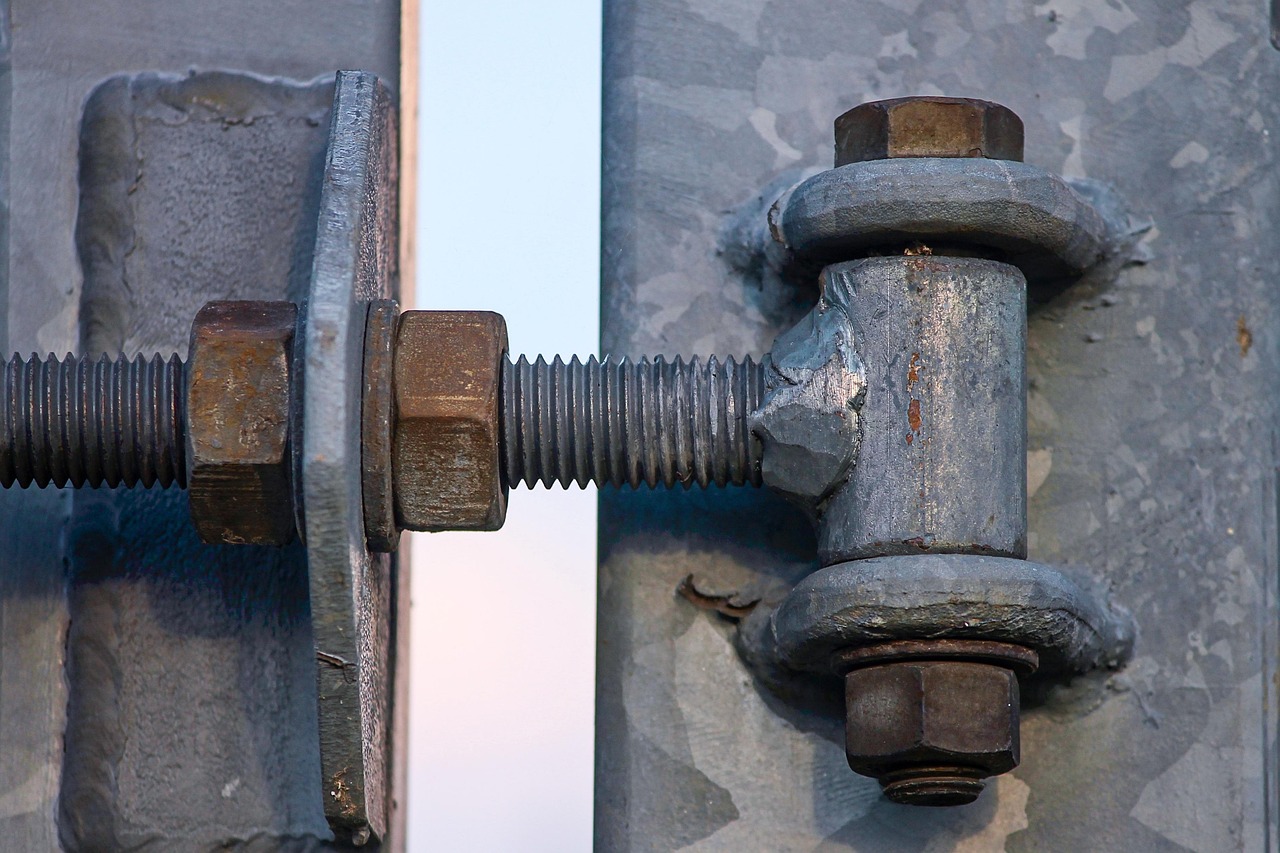
Hinge mechanisms bear immense leverage stress every time you open and close the tent. Look closely at the pivot points, bolts, and rivets. Are there signs of metal stress, hairline cracks in the powder coating, or loose fasteners? In a refurbished unit, technicians should replace stripped bolts and torque all structural fasteners to specification, but transit vibrations can loosen hardware. Always bring a basic socket set to check every structural connection before mounting the tent to your crossbars.

Gas Strut Mechanics and Hydraulic Lifter Performance
If you are looking at a clamshell or pop-up hard-shell roof top tent, gas struts are the mechanical heart of the setup process. These hydraulic or gas-charged cylinders do the heavy lifting, allowing a single person to deploy the tent in under a minute. Unfortunately, gas struts are also one of the most frequently replaced components in the secondary market.
Gas struts lose their internal pressure over time, especially when exposed to extreme temperature fluctuations in storage warehouses or shipping containers. A refurbished tent that sat in an unheated warehouse through a freezing winter may arrive with weak or completely dead struts. When you release the latches, the shell should lift smoothly and hold itself firmly in the open position without sagging. If the upper shell drifts downward or requires you to push it open manually, the struts have lost their charge.
Replacing gas struts is generally inexpensive and straightforward—often requiring nothing more than a flathead screwdriver to pop off the retaining clips—but it is an added expense you must factor into your total budget. Verify the pound-force (lbs) rating stamped on the side of the existing struts before ordering replacements, as upgrading or replacing them with incorrect pressure ratings can either slam the tent shut dangerously or make closing it an exhausting upper-body workout.
Zipper Integrity, Mesh Quality, and Hardware Alignment
It is the small hardware details that frequently ruin a camping trip. A jammed zipper, a torn bug screen, or a missing mounting bolt can turn a relaxing weekend into a frustrating ordeal. During the refurbishment process, quality control teams are supposed to inspect every zipper and screen, but human error and fast processing lines mean small defects slip through.
Test every single zipper on the tent multiple times. High-quality tents typically use heavy-gauge YKK zippers with oversized metal pulls. Check the teeth for misalignment, especially around the tight radius curves near the doors and windows. A misaligned zipper will quickly separate or break its teeth under tension. If a refurbished tent has a repaired zipper track, examine the stitching to ensure the repair is reinforced with heavy nylon thread rather than a quick single-stitch patch.
Inspect the fine mesh screens designed to keep out mosquitoes and no-see-ums. Pinholes and small tears are common in returned gear, often caused by careless packing or pets. While small mesh tears can easily be patched with standard repair tape, large rips require professional sewing. Finally, check the mounting hardware package. Refurbished units frequently arrive missing proprietary sliding plates, security nuts, or torque wrenches. Make sure the manufacturer includes a complete mounting kit compatible with your specific roof rack crossbar dimensions.
Manufacturer Warranties, Return Policies, and Fine Print Disclaimers
The single biggest trade-off when buying a discounted overlanding shelter is the alteration of warranty protection. Brand-new roof top tents often carry comprehensive multi-year warranties covering everything from canvas defects to mechanical frame failure. Refurbished units, however, exist in a regulatory gray area dictated by the specific retailer or manufacturer’s outlet policy.
Before entering your credit card information, read the specific terms of the refurbishment guarantee. Does the manufacturer offer a 30-day money-back guarantee, or is the sale strictly final? If the tent arrives with hidden structural damage or severe leaks, can you return it for a full refund, or are you stuck paying expensive freight return shipping fees? Many online gear liquidators charge steep restocking fees and freight charges on large-item returns, which can easily erase any upfront savings.
Furthermore, understand what the limited refurbishment warranty actually covers. Most factory-renewed warranties cover mechanical defects in the frame or struts but explicitly exclude fabric wear, mold, fading, or minor cosmetic scratches. Knowing these boundaries ensures you inspect the exact areas that matter most during your initial trial period.
A Step-by-Step Inspection Checklist Upon Delivery
When your refurbished roof top tent arrives via freight carrier, do not wait until your Friday departure date to open the crate. Treat the delivery day as the beginning of a rigorous inspection window. Follow this step-by-step checklist within 48 hours of receipt:
- Inspect the Exterior Packaging: Document any punctures, tears, or crushed corners on the shipping pallet with photographs before signing the freight bill.
- Unbox in a Clean, Dry Space: Lay out a tarp in your driveway or garage. Unpack the tent completely, removing all protective plastic wrap and cardboard inserts.
- Check All Mounting Hardware: Lay out the bolts, rails, brackets, and wrenches against the manufacturer’s manual checklist to ensure nothing is missing.
- Test the Opening Mechanism: Deploy the tent fully. Listen for unusual creaking, check hinge alignment, and test the gas struts or telescoping poles.
- Examine the Canvas and Seams: Run your hands along the interior seams, check for thin spots in the fabric, and inspect all bug screens for tears.
- Perform a Water Test: Before mounting the tent to your vehicle, set it up outdoors and use a garden hose with a gentle spray nozzle to simulate a moderate rainstorm for 15 minutes. Check the interior floor and ceiling for any dampness.
- Test Every Zipper: Open and close every door, window, and annex zipper to ensure smooth operation without snagging.
Cost-Benefit Analysis: When a Refurbished Tent Makes Financial Sense
Overlanding gear represents a significant capital investment. Retail hard-shell tents frequently cost between $2,000 and $4,000, while soft-shell models range from $1,000 to $2,500. Factory-certified refurbished models typically offer discounts of 20% to 40%, translating to savings of $400 to $1,200 depending on the model and brand tier.
To determine if a refurbished purchase makes financial sense for your situation, calculate your projected usage. If you are an avid overlander who spends 30 to 50 nights a year on rough backcountry trails, the wear and tear you inflict yourself will quickly eclipse minor cosmetic blemishes from a factory refurbishment. In this scenario, saving $800 on a structurally sound, factory-renewed shelter is an exceptional financial decision.
Conversely, if you camp only once or twice a year in mild weather at established campgrounds, the reduced warranty and potential hassle of minor DIY repairs might not justify the savings. Furthermore, factor in any auxiliary costs: if a discounted tent arrives missing a $50 mounting bracket, requires a $30 tube of seam sealer, and needs new $45 gas struts, your total savings shrink rapidly. Always calculate the all-in price before celebrating a discount.
Common Buyer Mistakes to Avoid in the Secondary Market
Navigating the discounted gear market trips up even seasoned campers. Avoiding common pitfalls ensures your purchase remains a genuine bargain rather than an expensive headache.
One major mistake is ignoring weight limits and vehicle compatibility. Refurbished tent sales are often final, meaning if you buy a heavy hard-shell tent that exceeds your vehicle’s dynamic roof load rating or your aftermarket crossbar weight capacity, you cannot simply return it without absorbing heavy fees. Always verify both your vehicle manufacturer’s dynamic roof rating and your specific rack system’s weight limits before purchasing.
Another frequent error is failing to air out and dry the tent immediately after delivery or after your first trip. Refurbished tents that sat in damp warehouse storage for months may have dormant mold spores in the canvas weave. If you pack a damp tent away in its travel cover, mold will proliferate within 48 hours, ruining the fabric and creating a severe health hazard. Always set the tent up in the sun to air out completely before storing it.
Finally, do not rely solely on promotional photos provided by the liquidator or manufacturer. Refurbished inventory varies unit by unit. If possible, buy from sellers who provide detailed grading notes or actual photographs of the specific unit you will receive rather than stock imagery.
Final Verdict: Making the Right Call for Your Overlanding Setup
A factory-certified refurbished roof top tent bridges the gap between high-end overlanding comfort and budget-conscious camping. When sourced from a reputable manufacturer with clear grading standards and a dependable return window, these shelters deliver exceptional value. By rigorously inspecting the waterproof canvas, checking aluminum hinge alignment, testing gas strut pressure, and verifying hardware completeness upon delivery, you can secure a reliable backcountry home away from home while keeping hundreds of dollars in your pocket.
Approach the refurbished market not as a gamble, but as a technical evaluation process. Do your research, respect the warranty limitations, and perform a thorough water and mechanical test before hitting the trail. With the right preparation, a factory-renewed shelter will serve you faithfully across thousands of miles of rugged terrain and starlit nights.