When shopping for high-end optical measurement tools, the sticker shock of brand-new units often drives buyers toward the secondary market. Whether you are a dedicated golfer tracking yardage to a tucked pin or a hunter ranging a ridgeline across a canyon, premium laser rangefinders and binoculars represent a substantial investment. A top-tier device can easily cost upwards of several hundred dollars, prompting many consumers to search for a reliable refurbished rangefinder buyer guide to navigate the complex landscape of certified pre-owned optical gear.
However, buying used or refurbished optical equipment carries unique risks that differ significantly from purchasing standard consumer electronics. Rangefinders are precision instruments that combine sensitive laser diodes, intricate microprocessors, high-magnification glass lenses, and delicate internal stabilization mechanisms. A unit that appears cosmetically pristine on the outside may harbor hidden mechanical or optical defects that compromise its accuracy in the field. To ensure your purchase delivers the performance you expect, you must look past the attractive discount and evaluate the item through a rigorous technical lens.
Understanding Factory-Certified Pre-Owned vs. Third-Party Refurbished
The single most important distinction in the secondary optical market lies in who performed the restoration and what guarantees back the device. Understanding this hierarchy protects you from costly mistakes and ensures you have recourse if the unit fails.
Manufacturer-certified pre-owned (CPO) units are returned items, demo models, or minor-defect stock sent back to the original maker—such as Leupold, Bushnell, Vortex, or Nikon. The manufacturer’s factory technicians inspect, repair, recalibrate, and clean the device to original factory specifications. These units typically ship with genuine replacement parts, updated firmware, original accessories, and a robust manufacturer warranty that closely mirrors a brand-new retail purchase.
Third-party refurbished units, by contrast, are often processed by third-party liquidators or retail warehouses with varying levels of optical expertise. While these sellers may test basic functionality—such as whether the unit turns on and emits a laser—they rarely possess the specialized collimation benches required to verify optical alignment or laser pulse timing. A third-party refurbishment might mean a quick wipe-down with a microfiber cloth and a generic 30-day store return policy rather than a true mechanical overhaul.
When weighing your options between these two tiers, consider the total cost of ownership. While a third-party refurbished rangefinder might save you an extra fifty dollars upfront, the lack of factory calibration checks or genuine component replacements can result in premature failure. Manufacturer-certified units bridge the gap between steep retail pricing and unpredictable used marketplace risks, offering peace of mind through documented inspection protocols and reliable customer support.
Furthermore, it helps to understand how the supply chain of factory-certified gear operates. Major optics brands frequently rotate stock from professional trade shows, media evaluation events, and retailer overstocks. These units are often brand-new items that simply cannot be sold as “new in box” because the outer packaging was opened or damaged. Buying from these authorized channels represents the absolute sweet spot for value-conscious consumers, netting near-mint hardware with full factory backing at a substantial markdown.
Laser Diode Degradation and Ranging Limits
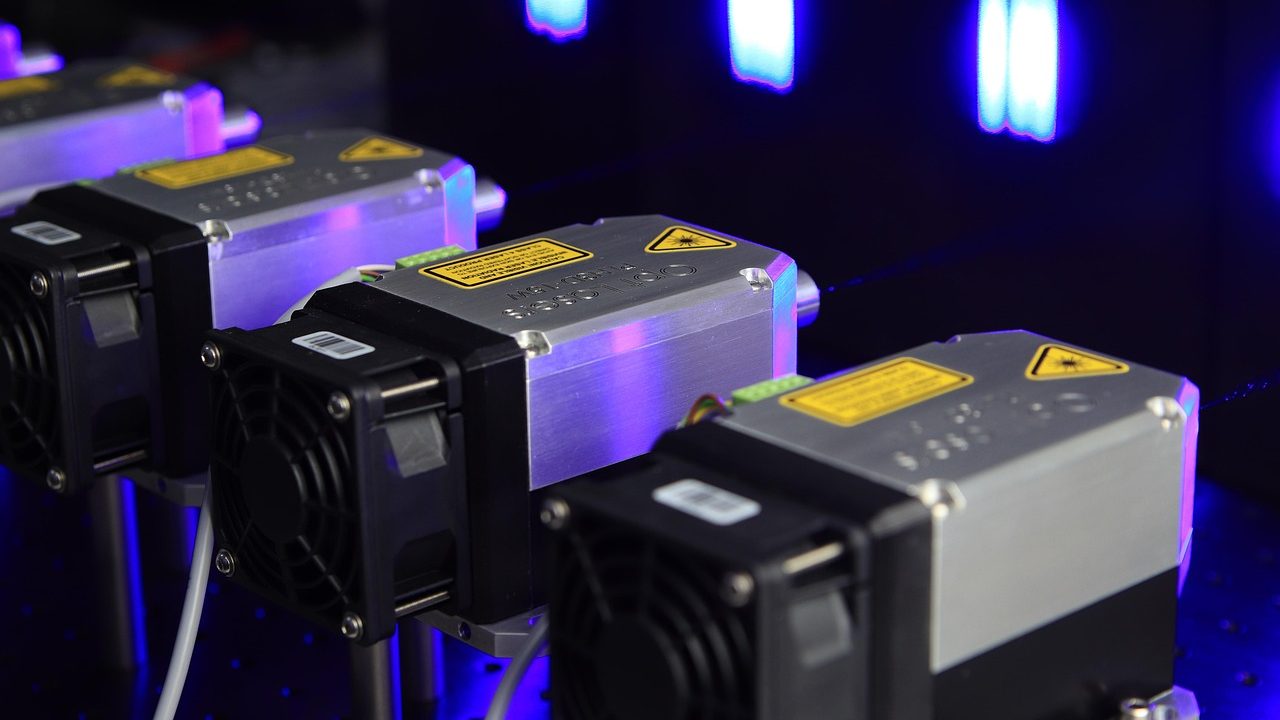
At the heart of every laser rangefinder is a semiconductor laser diode that emits pulsed infrared light. When you press the power button, the unit fires a burst of photons toward your target and measures the time it takes for the reflection to return. Understanding how these components age is critical when evaluating used equipment.
Unlike incandescent bulbs that burn out suddenly, semiconductor laser diodes experience gradual degradation over thousands of operational cycles. While modern diodes are rated for an exceptionally high number of firings, heavy commercial use, prolonged exposure to extreme temperatures, or electrical surges can diminish the diode’s output power. A degraded diode will struggle to return a reliable signal from non-reflective targets, long distances, or during adverse weather conditions like fog and heavy rain.
When testing a pre-owned rangefinder, pay close attention to its maximum ranging capabilities against non-reflective objects (such as trees or animals) compared to highly reflective targets (such as flagstick prisms or metal road signs). If the unit routinely fails to lock onto targets well within its advertised specifications, the laser emitter or internal receiver photodiode may be nearing the end of its operational lifespan.
Furthermore, internal pulse timing circuitry can drift over years of heavy use or physical shock from drops. This drift manifests as erratic yardage readings where the same target yields slightly different measurements across consecutive button presses. A properly calibrated unit should deliver consistent, repeatable distance calculations under identical environmental conditions. Most commercial rangefinders utilize class 1 eye-safe infrared lasers (typically around the 905nm wavelength). Over time, thermal cycling—leaving the device in a hot vehicle during summer or a freezing truck bed in winter—can stress microscopic wire bonds within the laser diode assembly, making thermal stability an important quality indicator for used gear.

Optical Inspection Checkpoints: Glass, Coatings, and Reticles
Beyond the electronics, the physical glass and internal optical train dictate the clarity and brightness of your view. Even a rangefinder with a flawless laser system is frustrating to use if the lenses are scratched, delaminated, or out of alignment.
High-end optical gear features sophisticated multi-coatings applied to the glass surfaces to maximize light transmission, reduce glare, and enhance contrast. These microscopic chemical layers are exceptionally durable, but they can be permanently damaged through improper cleaning. Using an abrasive paper towel, a dirty shirt corner, or household glass cleaner strips away these coatings, leaving visible smudges, hazy patches, or iridescent rainbow streaks on the objective or ocular lenses.
When performing an optical inspection:
- Inspect the objective lens (the front glass facing the target) under a bright LED flashlight at an angle to spot hairline scratches, pitting, or coating wear.
- Look through the eyepiece and focus the diopter. Check for internal dust specks, mold growth (common in humid climates if the nitrogen purge failed), or water spots trapped between lens elements.
- Examine the internal display or LCD overlay. Ensure all yardage digits, battery indicators, and reticle markings illuminate evenly without fading, bleeding, or dead pixels.
It is also worth noting how optical magnification interacts with your intended use. Lower magnification rangefinders (such as 4x or 5x) typically offer a wider field of view, making them exceptionally fast to acquire targets on a golf course. Higher magnification models (6x, 7x, or greater) provide the extra reach needed for hunting across vast terrain but require steady hands or built-in image stabilization to prevent jittery viewfinders.
Additionally, pay attention to the display type. Older or budget models often feature basic black LCD overlays that can become difficult to read against dark backgrounds or shadowed brush. Premium units utilize adjustable red LED or organic light-emitting diode (OLED) displays that automatically adjust brightness based on ambient light conditions. When evaluating a pre-owned OLED rangefinder, check for burn-in or dimming segments in the display matrix, which can occur if the unit was left powered on continuously in high-heat environments.
Mechanical Wear, Housing Seals, and Weatherproofing
Rangefinders are routinely used in rugged outdoor environments, exposed to driving rain, dust, mud, and accidental drops onto hard terrain. Evaluating the physical housing is just as important as checking the optics.
Most premium rangefinders feature a magnesium alloy or reinforced polycarbonate chassis wrapped in a rubberized armor coating for shock absorption and grip. Inspect the seams and rubber armor for cracks, gaps, or loose sections where moisture and debris can infiltrate the interior housing. If the unit is advertised as waterproof or fog-proof, it relies on internal O-ring seals and an inert gas purge (usually nitrogen or argon) to prevent internal condensation.
A compromised seal will quickly fog up from the inside when moving between contrasting temperature environments, such as pulling a cold rangefinder out of an air-conditioned vehicle into a humid morning field. Once moisture enters the sealed optical chamber, it can permanently etch the glass surfaces and corrode internal circuit boards, rendering the unit unrepairable.
Pay careful attention to mechanical moving parts as well. Focus rings, diopter adjustments, mode buttons, and battery door threads should operate smoothly without binding, excessive play, or grinding sensations. Stripped battery cap threads or cracked door latches are classic indicators of a unit that has suffered rough handling or improper battery changes in the field.
If the device features a hinge mechanism (in binocular-style laser rangefinders) or a magnetic attachment system for golf carts, inspect these physical stress points for looseness. A weakened hinge will cause the optical barrels to drift out of alignment, resulting in double vision or eye strain during extended glassing sessions.
Evaluating Warranty Terms and Return Policies
One of the primary hidden costs of buying pre-owned equipment is the potential absence of a valid manufacturer warranty. Many premier optics brands offer legendary lifetime, transferable warranties that cover defects in materials and workmanship regardless of who owns the device. However, some manufacturers explicitly restrict their warranty coverage to the original retail purchaser, or shorten the warranty period for refurbished items.
Before committing to a purchase, verify the exact terms of the warranty coverage. Does the seller offer a 30-day money-back guarantee that allows you to field-test the device in real-world conditions? Is there a store-backed warranty that extends beyond the standard return window? If you are buying a manufacturer-certified unit, confirm whether the original warranty transfers or if a certified refurbished warranty applies. A strong warranty is often worth paying a slightly higher price upfront.
Reviewing the fine print regarding accidental damage protection is equally critical. While standard warranties cover manufacturing defects, they typically exclude drops, water submersion, or cosmetic wear. Understanding these boundaries ensures you know exactly what financial protection your secondary market purchase provides.
When dealing with private party sales on marketplaces like eBay or specialized forums, remember that manufacturer warranties are only valid if purchased from an authorized dealer. Buying a “new old stock” unit from an unauthorized liquidator may void your eligibility for factory service, leaving you entirely reliant on whatever short-term return window the marketplace provides.
Common Pitfalls to Avoid When Buying Pre-Owned Optics
Navigating the secondary market successfully requires avoiding several common traps that catch inexperienced buyers off guard:
- Ignoring Battery Compartment Corrosion: Always inspect the battery cap and contacts for green or white powdery residue caused by leaking alkaline batteries. Corroded contacts can disrupt power delivery and ruin sensitive circuit boards.
- Failing to Verify Calibration: Compare the yardage readings of the pre-owned unit against a known, verified distance or a trusted companion device. If the readings drift inconsistently as distance increases, the internal alignment mirror or timing circuit may be misaligned.
- Buying Grey Market Imports: Be cautious of heavily discounted units imported from overseas markets. These devices may lack valid domestic warranty support, and authorized service centers in the United States may refuse to repair them.
- Overlooking Missing Accessories: Factor in the replacement cost of essential proprietary accessories, such as specialized magnetic mounts, soft carrying cases, or diopter covers, which are frequently lost by previous owners.
- Overpaying for Obsolete Firmware: Some older rangefinders lack modern ballistic solvers or angle-compensation algorithms (such as true horizontal distance calculations). Ensure the unit’s software capabilities align with your modern outdoor or golfing needs before buying.
How to Test Your Rangefinder Upon Arrival
Once your pre-owned or refurbished rangefinder arrives, put it through a systematic evaluation during your return window rather than letting it sit on a shelf. Start by installing a fresh, high-quality battery, as weak batteries can cause erratic laser performance and dim displays.
Test the device across a variety of lighting conditions and distances. Step outside in bright daylight and attempt to range targets at close range (25 yards), medium range (150 yards), and maximum advertised range (500+ yards). Pay attention to acquisition speed—a healthy laser should lock onto a target within a fraction of a second. Test specialized modes such as slope compensation, scan mode, and target-priority algorithms to ensure all internal software functions operate smoothly without freezing or error codes.
Perform a mechanical and optical check by sighting a straight vertical edge, such as a telephone pole or building corner, against the vertical crosshair of your reticle. If the edge appears tilted or curved, the internal image erecting prisms may have shifted due to impact shock. Finally, check the diopter adjustment by rotating it fully in both directions to ensure the focus remains crisp across your entire field of view.
By maintaining a disciplined, detail-oriented approach to inspecting mechanical wear, lens coatings, laser output, and warranty coverage, you can confidently secure high-performance optical equipment at a fraction of retail cost, ensuring dependable accuracy for seasons to come.