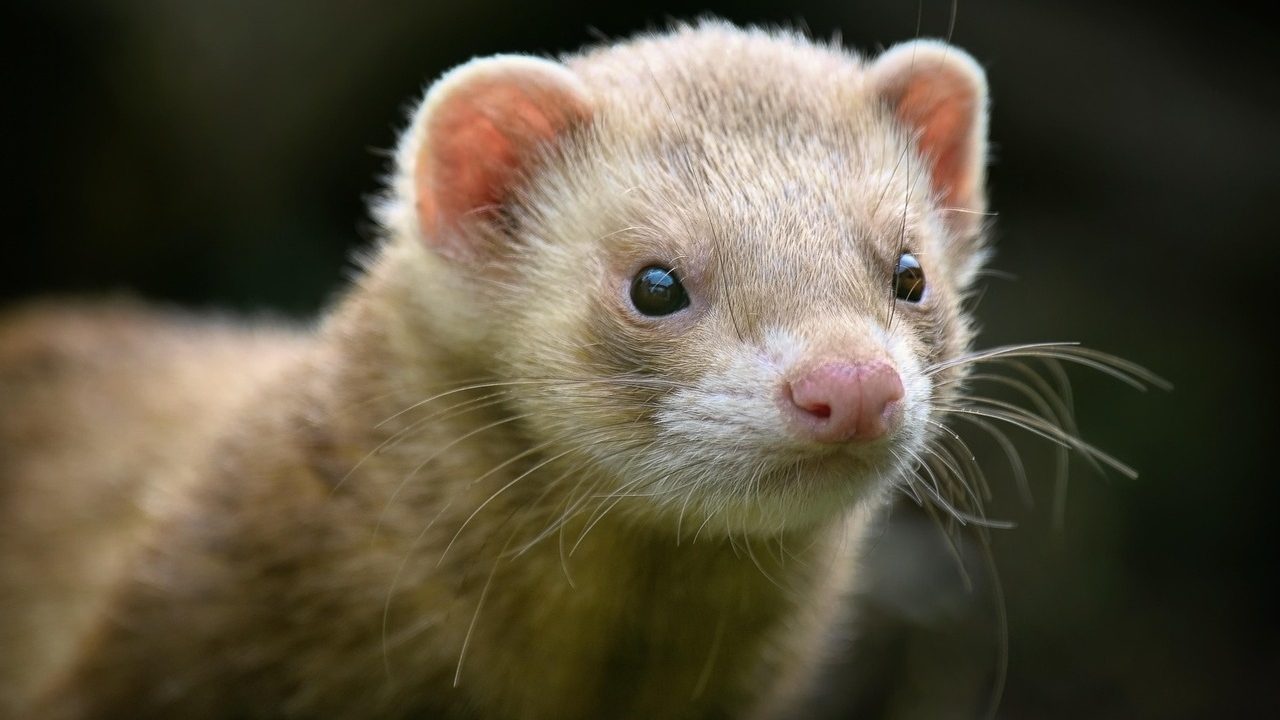
Caring for a domestic ferret involves far more than simply filling a food bowl and cleaning a litter box. Because these intelligent, high-energy mustelids possess specialized skin glands, rapid metabolisms, and a natural instinct to dig and explore, routine maintenance is essential for their long-term health. A thorough ferret grooming and care guide goes beyond basic aesthetics; it acts as a proactive defense against common health issues like ear mites, overgrown claws, and painful skin irritation.
Many first-time owners are surprised to learn that ferrets require a structured maintenance schedule. Unlike cats, which spend hours grooming themselves, or dogs, which can tolerate frequent baths, ferrets have delicate sebaceous glands that react defensively to harsh scrubbing. Stripping away their natural oils with too many baths actually causes their skin to produce a stronger, musky odor. Balancing cleanliness with biological reality requires patience, the right tools, and an understanding of how to desensitize your pet to handling.
Establishing a predictable grooming rhythm also provides invaluable opportunities for routine health surveillance. When you regularly handle your ferret’s paws, check inside its ears, and run your hands through its coat, you establish a physical baseline. This makes it much easier to detect early warning signs of systemic illness, parasites, or structural injuries before they escalate into costly or painful medical emergencies.
Understanding Ferret Skin and Coat Biology
To establish an effective grooming routine, you must first understand how a ferret’s coat and skin function. Ferrets possess a dense undercoat overlaid with longer guard hairs that protect them from minor scratches and regulate body temperature. Twice a year, usually in the spring and fall, they undergo a dramatic shedding cycle. During these seasonal coat changes, you may notice significant fur loss, flaking skin, or temporary color shifts as the new coat pushes through.
Healthy ferret skin relies on a delicate balance of natural oils. When owners panic over the natural musky scent of a ferret and bathe the animal weekly with harsh commercial shampoos, they trigger a rebound effect. The sebaceous glands go into overdrive to replace the stripped oils, making the ferret smell stronger within days. Maintaining coat health is therefore less about frequent washing and more about proper diet, environmental cleanliness, and strategic brushing.
Providing a high-protein, high-fat diet rich in animal-based meat is the foundation of a glossy coat and healthy skin. Kibble or raw diets lacking adequate taurine and essential fatty acids often result in dry, brittle fur and excessive dander. If you notice dull fur outside of a normal shedding period, evaluate your pet’s nutrition before changing your bathing habits.
Furthermore, understanding the difference between normal seasonal shedding and pathological hair loss is critical for ferret caretakers. While natural molts generally progress evenly from the tail forward or head back, symmetrical hair loss along the flanks and tail base can be an early indicator of underlying endocrine disorders, such as adrenal disease. Keeping a close eye on skin texture and hair density during your routine grooming sessions ensures you can flag these medical concerns for your veterinarian promptly.
Essential Tools for Home Ferret Maintenance
Having the right equipment on hand prevents grooming sessions from turning into stressful wrestling matches. Because ferrets are small, flexible, and notoriously impatient, your tools need to be appropriately sized and easy to manage in tight spaces.
Assemble a dedicated grooming kit containing the following items:
- Small animal or cat nail clippers: Scissor-style clippers or human fingernail clippers with a clear view of the cutting edge work best.
- Feline or small-animal styptic powder: Essential for stopping minor bleeding quickly if you accidentally nick the quick during a nail trim.
- Soft-bristled slicker brush or rubber grooming mitt: Perfect for capturing loose undercoat fur during shedding seasons.
- Cotton balls and veterinary-approved ear cleaner: Never use cotton-tipped swabs deep inside a ferret’s ear canal; use soft balls for surface wiping only.
- Salmon oil or Ferretone (used sparingly): A high-value distraction treat to keep your ferret licking while you trim nails or check teeth.
Keep these supplies in a portable basket or caddy so you can set up quickly wherever your ferret is most relaxed. Setting a predictable routine helps the animal associate the appearance of the grooming kit with positive rewards. Maintaining clean tools is equally important; disinfect clippers with isopropyl alcohol between sessions to prevent cross-contamination if you care for multiple pets.
Mastering Safe Nail Trimming for Sensitive Paws
Overgrown nails are more than just a nuisance that scratches your furniture or skin; they pose a genuine physical hazard to your ferret. Long nails easily catch on fleece hammocks, cage bars, and carpet loops, leading to torn claws, sprained toes, or panicked injuries. Establishing a reliable routine for pet ferret nail trimming is one of your most important weekly responsibilities.
Ferrets are notoriously ticklish and protective of their paws, making nail trims a challenge for beginners. The secret to success lies in distraction and secure, comfortable positioning. Never scruff a ferret just to clip its nails, as this induces panic and makes future sessions harder. Instead, try the belly-lure method or enlist a helper.
Place a small drop of salmon oil or a veterinary-approved malt paste onto your ferret’s belly while it lies on your lap. As the ferret eagerly licks the treat off its own fur or a shallow dish, its attention is entirely occupied. While it is distracted, gently take one paw at a time between your thumb and forefinger, pressing softly on the toe pad to extend the claw.
Look closely at the claw to locate the quick—the pink blood vessel running down the center. Position your clippers so you cut across the clear tip of the nail, staying at least two millimeters away from the pink quick. If your ferret has dark claws where the quick is invisible, clip only the small, hooked tip that curves downward. If you accidentally nick the quick and a drop of blood appears, immediately press a small pinch of styptic powder onto the nail tip with firm, gentle pressure for a few seconds.
If your ferret attempts to pull away, do not tighten your grip into a painful squeeze. Instead, pause the session, let the animal calm down, and resume only when it is relaxed. Rushing a nail trim often leads to mistakes, while patience builds long-term tolerance.
Managing Long Fur Tangles and Shedding
While standard domestic ferrets have short, manageable coats, Angora and half-Angora ferrets feature long, flowing fur that requires specialized upkeep. Without regular attention, fine undercoat fibers twist into stubborn mats around the neck, tail base, and armpits, pulling tightly on the sensitive skin underneath.
Even short-haired ferrets benefit from gentle brushing during their bi-annual molt. Use a soft rubber grooming mitt or a fine-toothed metal comb to lift dead hair away from the skin. Work slowly in the direction of hair growth. If you encounter a small mat on an Angora ferret, never pull or yank it. Instead, hold the base of the mat near the skin with one hand to prevent pulling, and gently tease the fibers apart using your fingers or a specialized dematting comb.
Grooming sessions also provide an ideal opportunity to check for external parasites like fleas or ticks, as well as dry skin patches, scabs, or unusual lumps. Make a habit of running your hands gently over your ferret’s entire body during cuddle time to catch minor skin issues early. For Angora varieties, daily coat checks are necessary to prevent painful pelting, a condition where the undercoat mats tightly against the skin and blocks normal airflow.
Ear Cleaning Routines and Hygiene Basics
Ferrets naturally produce a significant amount of waxy ear secretions, which can range from light tan to dark brown. While a moderate amount of wax is normal, a buildup can trap moisture and debris, creating a breeding ground for bacteria, yeast, or ear mites.
Inspect your ferret’s outer ears weekly. If you notice a heavy buildup of dark wax, it is time for a cleaning. Always use a veterinary-approved ear cleaning solution formulated for small mammals. Never pour liquid directly into the ear canal or use cotton swabs (Q-tips), as a sudden head movement can drive wax deeper or rupture the delicate eardrum.
Instead, apply a few drops of the cleaning solution to a cotton ball. Gently wipe the visible folds and crevices of the outer ear flap and the upper entrance of the canal. If your ferret shakes its head, allow it to dislodge loosened wax naturally, then wipe away any debris that surfaces. If you notice a foul odor, severe redness, or coffee-ground-like debris that persists after cleaning, consult a veterinarian to test for ear mites or infection.
Maintaining clean ears prevents chronic discomfort. Keep in mind that excessive scratching at the ears combined with heavy black debris is a classic symptom of otodectic mange (ear mites), which requires specific parasitic treatment prescribed by a licensed veterinarian rather than standard home cleaning.
Bathing Frequency Limits and Skin Health
Many new owners assume indoor pets need regular baths to stay fresh. With ferrets, the exact opposite is true. Bathing should be kept to an absolute minimum—ideally no more than once or twice a year, unless your pet has rolled into something sticky or toxic.
When a bath is genuinely necessary, prepare a shallow basin of lukewarm water (never hot) and use a specialized, soap-free ferret shampoo or a mild kitten shampoo. Protect the ferret’s ears and eyes carefully. Keep the bath brief, rinse thoroughly to remove all soap residue, and towel-dry the animal vigorously. Because ferrets easily catch chills, keep them in a warm room free of drafts until their fur is completely dry.
To manage natural odors between rare baths, focus on environmental hygiene rather than washing the animal. Wash fleece hammocks, bedding, and litter boxes weekly using unscented, pet-safe detergents. Scoop litter boxes daily and wipe down hard cage surfaces regularly to keep ambient cage odors under control.
If your ferret gets into a messy situation requiring an emergency bath, avoid using dish soap unless explicitly directed by a vet for grease removal, as standard dish soaps strip protective oils aggressively and cause immediate skin flaking and discomfort.
Dental Care and Claw Maintenance Integration
Grooming extends beyond the coat and ears; dental health is a vital component of routine care. Ferrets fed primarily on soft treats or low-quality diets are prone to heavy tartar buildup, gingivitis, and painful tooth root abscesses.
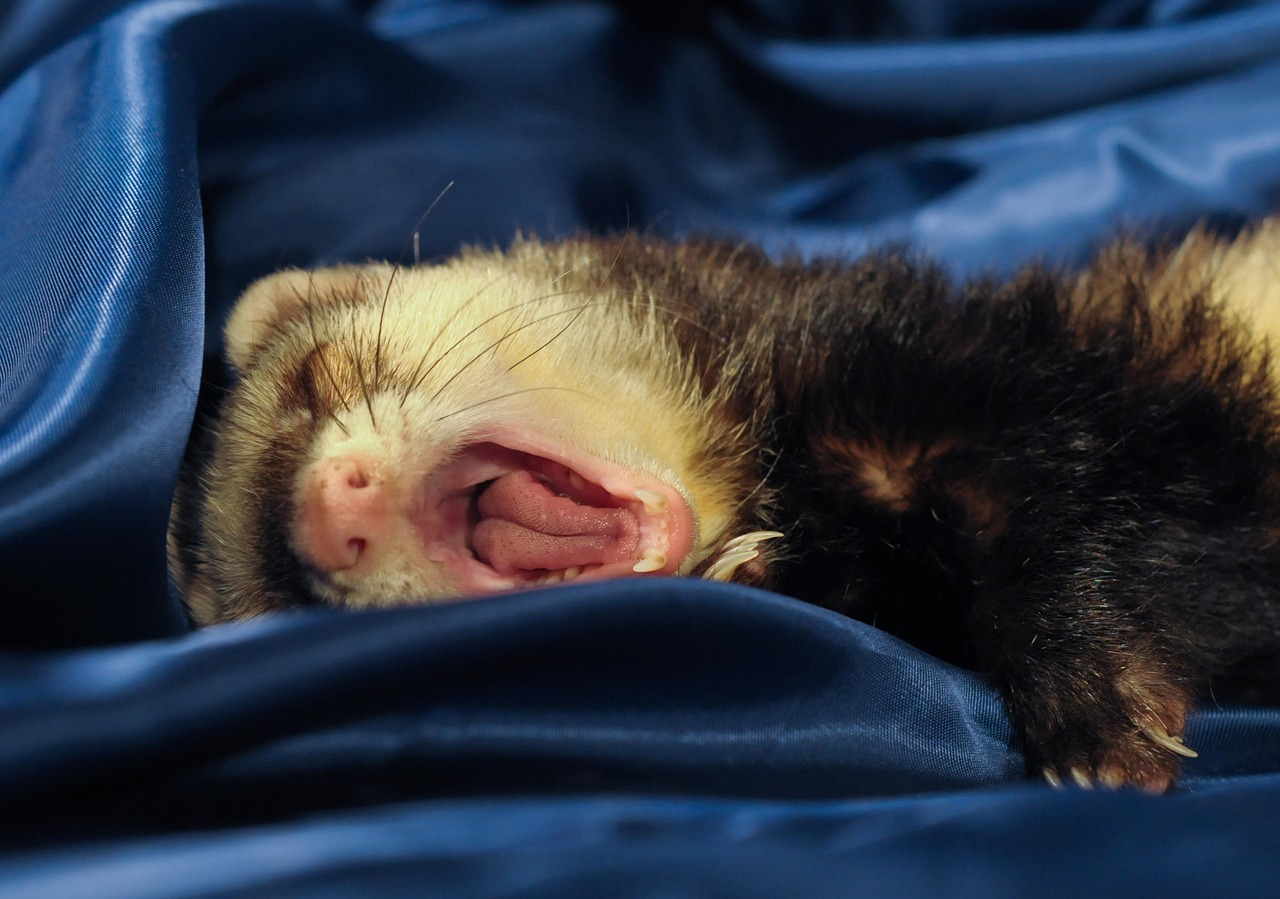
Introduce your ferret to tooth brushing early in life using a soft-bristled finger brush and poultry-flavored pet toothpaste. Never use human toothpaste, as foaming agents and fluoride are toxic if swallowed. Aim to brush your ferret’s teeth two or three times a week. If tartar is already thick and calcified, schedule a professional dental scaling with your veterinarian.
Incorporate dental checks into your weekly nail-trimming session. While your ferret is distracted by salmon oil, gently lift its lips to inspect the gums, teeth, and alignment of the jaw. Look for broken teeth, swollen gums, or dark tartar lines along the gumline. Proactive dental maintenance prevents systemic infections that can impact kidney and heart health down the road.
Handling Resistant Ferrets: Desensitization Techniques
Not all ferrets accept grooming calmly right away. Older rescues or naturally high-strung kits may squirm, hiss, or attempt to nip when you touch their paws or ears. Forcing a terrified animal through a grooming session damages trust and increases the risk of accidental injury.
Overcome resistance through systematic desensitization. Break the grooming routine down into tiny, low-stress steps over several days:
- Day 1-3: Simply touch your ferret’s paws or ears for two seconds while offering a favorite treat, then stop immediately.
- Day 4-6: Hold the paw slightly longer and gently press a single toe pad without clipping. Reward immediately.
- Day 7+: Introduce the sound of the clippers near the paw without cutting, building up to clipping just one nail per session.
Patience pays off. By keeping sessions short, positive, and predictable, your ferret will learn to tolerate or even enjoy routine maintenance. Never punish a ferret for squirming during grooming; instead, slow down and reinforce calm behavior with high-value rewards.
Common Grooming Mistakes to Avoid
Even well-intentioned owners sometimes fall into traps that compromise their ferret’s comfort or safety. Avoiding these common missteps will keep your care routine running smoothly:
By respecting your ferret’s unique biology and sticking to a gentle, consistent routine, you ensure your pet remains comfortable, clean, and healthy throughout its life.
Conclusion
Proper ferret maintenance is a manageable part of pet ownership when approached with the right techniques and realistic expectations. By understanding coat biology, mastering safe nail trimming, limiting baths, and keeping ears clean without deep probing, you safeguard your pet’s health. Consistent, gentle handling turns stressful chores into bonding moments, ensuring your indoor ferret stays happy and comfortable year-round.