
Indoor pet rabbits bring boundless joy to a home, but their care routines require specific attention that differs significantly from dogs and cats. One of the most overlooked yet critical aspects of routine rabbit husbandry is claw maintenance. Implementing a reliable rabbit nail trimming care guide protocol ensures your bunny stays mobile, comfortable, and free from painful foot injuries. Because indoor rabbits spend their lives on soft carpets, rugs, and linoleum, their claws do not experience the natural abrasion that outdoor rabbits encounter by digging and running on hard earth. Without natural wear, rabbit nails grow continuously, curling downward, catching on fabrics, or forcing the animal’s weight onto sensitive heel tissue.
Many rabbit owners dread nail day because rabbits are prey animals with strong hind legs and a tendency to startle easily. However, with the right preparation, proper handling techniques, and a patient approach, you can turn a stressful chore into a manageable routine. This guide outlines everything you need to know, from selecting the right tools and mastering the towel wrap to identifying the quick and handling accidental nicks calmly.
Why Indoor Rabbits Need Regular Nail Maintenance
In the wild, rabbits spend hours foraging, digging burrows, and traversing rocky or packed-dirt terrain. This active lifestyle keeps their claws naturally worn down to a manageable length. Indoor rabbits lead a much more cushioned life. While plush carpets and cozy rugs protect your home’s flooring, they offer zero resistance against growing keratin. As a rabbit’s claws grow too long, several distinct problems arise:
- Snagging and Trapping: Long nails easily slip through the woven loops of carpets, cage wire flooring (if used), or soft blankets. A panicked rabbit trying to free a trapped nail can easily fracture a toe or tear the nail straight out from the quick.
- Postural Changes: Overgrown nails prop the toes upward, altering the natural angle of the foot. Unlike dogs and cats, rabbits do not have soft, leathery footpads to absorb impact; instead, they rely on thick, dense layers of fur on the bottoms of their feet. When nails grow too long, they force the toes backward, flattening the entire foot.
- Sore Hocks (Pododermatitis): When weight distribution shifts, the fur on the hocks wears away, exposing sensitive skin to friction and bacterial infection. This painful condition is notoriously difficult to treat in rabbits due to their constant contact with floor substrates.
- Spinal Injury Risk: A rabbit with severely overgrown, curling claws may change its gait, leading to chronic back strain, joint stiffness, and premature arthritis over time.
Understanding these risks helps underscore why proactive maintenance is far easier and safer than reacting to an emergency injury. Scheduling consistent checks every few weeks creates a predictable rhythm that helps both you and your pet adjust to the process.
Gathering Your Grooming Toolkit
Success starts before you ever touch your rabbit. Having your equipment organized and within arm’s reach cuts down the session time significantly, keeping stress levels low for both you and your pet. Here is what you need in your grooming kit:
- Nail Clippers: Small cat scissor-style clippers or high-quality human toenail clippers work best for most pet rabbits. Avoid large, guillotine-style dog nail clippers. Guillotine styles obscure your line of sight and can crush the fragile, hollow structure of a rabbit’s claw rather than slicing it cleanly, leading to painful splits.
- Styptic Powder or Cornstarch: Even experienced veterinary technicians occasionally nick the quick. Having styptic powder or plain cornstarch nearby allows you to instantly stop any minor bleeding with a gentle press of a cotton swab or your fingertip.
- Bright Lighting: Natural daylight near a window, a focused desk lamp, or a high-powered LED headlamp is non-negotiable. You must be able to see through the nail structure to pinpoint the sensitive inner vein.
- A Towel or Small Blanket: Essential for secure handling, preventing escape attempts, and creating a calming environment.
- High-Value Treats: Keep a few favorite fresh herbs (like fresh cilantro, parsley, dill, or mint) or small pieces of dried apple ready to reward your bun during and immediately after the session.
Keeping these items dedicated to a specific grooming pouch or basket ensures you are never scrambling across the house while holding a wiggly, anxious animal.
Desensitizing Your Rabbit to Paw Handling
Rabbits are prey animals that rely heavily on their feet for rapid escape. Consequently, most rabbits instinctively pull their paws away when touched. Trying to force a nail trim on an unconditioned rabbit leads to a stressful struggle. Before attempting your first full trim, spend a few days or weeks desensitizing your pet to paw manipulation.
Start during a quiet time of day when your rabbit is relaxed, perhaps loafing on the floor. Gently stroke your rabbit’s head, back, and shoulders, slowly working your way down the flank toward a front leg. Lightly touch the leg, hold it for one second, and release, immediately offering a small piece of cilantro or parsley. Repeat this process daily, gradually increasing the duration of the touch and gently applying light pressure to spread the toes apart.
If your rabbit thumps, flinches, or tries to bolt, stop immediately, let them go, and try again later. Never punish a frightened rabbit. The goal is to build a positive association where your rabbit learns that paw touches predict delicious treats rather than danger.
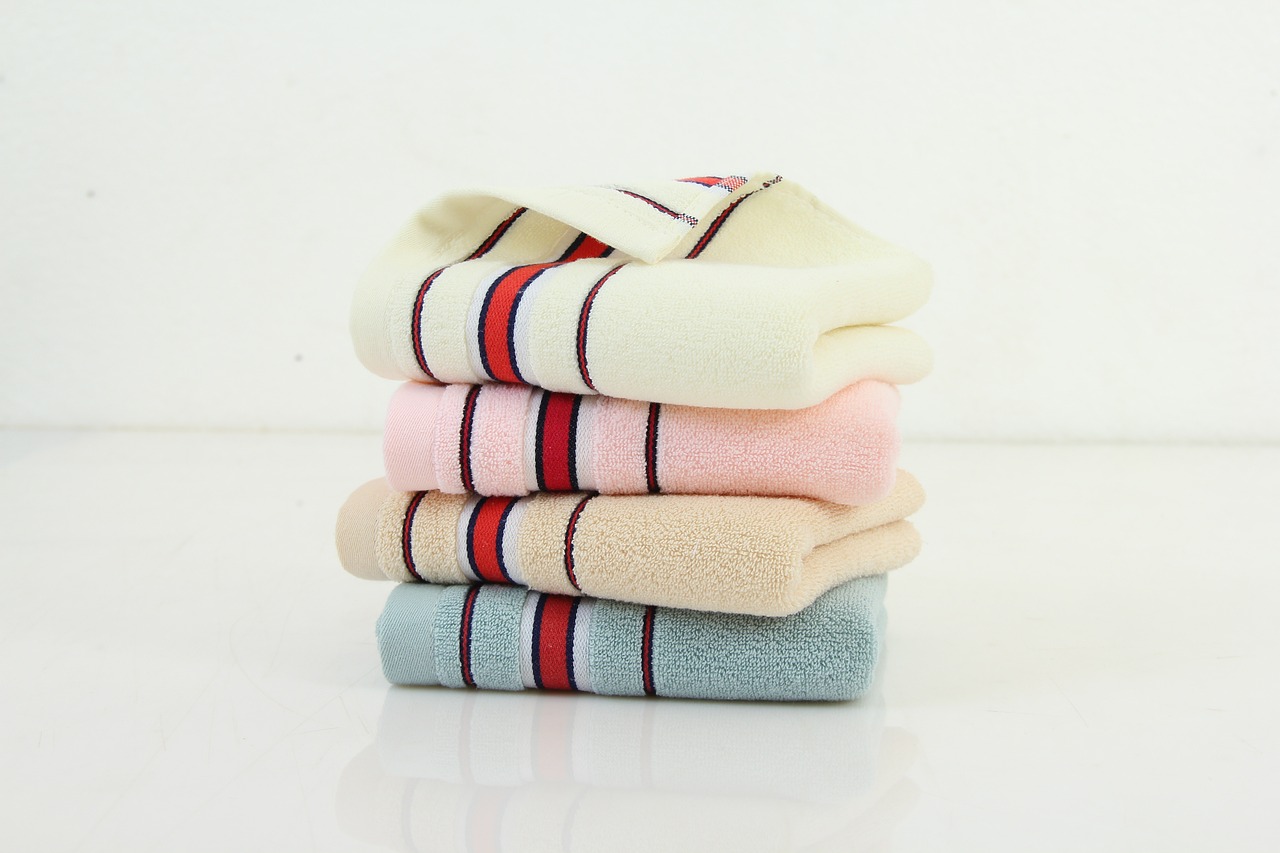

The burrito towel wrap keeps your rabbit secure and prevents sudden kicking during nail trims.
Mastering the Burrito Towel Restraint Method
Proper restraint is the single most important factor in preventing injury during a nail trim. A squirming rabbit can jerk its paw at the exact moment the clippers close, leading to an accidental cut into the quick. The ‘burrito wrap’ is a veterinary-approved technique that immobilizes the body while keeping the rabbit feeling secure and grounded.
- Lay a soft, medium-sized bath towel flat on your lap or on a secure, non-slip table surface.
- Place your rabbit gently on top of the towel in a natural sitting position, facing away from you.
- Bring one side of the towel snugly over the rabbit’s back and tuck it gently under the opposite side of their body, keeping the front legs safely constrained.
- Wrap the remaining side securely around, leaving the head free so the rabbit can breathe easily, blink, and see you.
- Tuck the loose ends underneath the rabbit’s body to create a snug, secure cocoon.
Crucial Safety Warning on “Trancing”: Never place your rabbit completely flat on its back (often called “trancing” or tonic immobility) to trim their nails. While a tranced rabbit appears completely still and cooperative, they are actually experiencing a profound, fear-induced paralysis state. This survival mechanism causes massive spikes in heart rate, blood pressure, and stress hormones. Always keep your rabbit upright, slightly angled, or in a natural crouch inside their wrap.
Anatomy Check: Identifying the Quick
Before making any cuts, you must locate the quick—the sensitive blood vessel and nerve ending that runs down the center of the nail. Cutting into the quick causes sharp pain and bleeding. Fortunately, most domestic rabbits have translucent nails, making the pink or red quick clearly visible under good lighting.
Take a close look at the claw. You will see a clear or light-colored outer keratin sheath and a darker, pinkish core extending from the base outward. Your goal is to cut the dead, clear tip of the nail, leaving a safe buffer of at least two to three millimeters between your cut line and the end of the pink quick.
If your rabbit has dark, pigmented, or black nails, the quick is obscured. In these cases, shine a small penlight or smartphone flashlight directly beneath the nail pointing upward. The light will often illuminate the silhouette of the quick from within. If you still cannot see it, err on the side of caution and trim only the very tip of the curve.
Step-by-Step Trimming Procedure
With your rabbit securely wrapped, your tools ready, and your lighting adjusted, you can begin the clipping process methodically.
Work through the paws one by one. Start with the front paws, then move to the hind paws, which often grow faster and sharper. Gently press down on the top of the toe and support the underside to extend the claw fully from its fur sheath.
Position your clippers perpendicular to the nail—never cut sideways or at an odd angle, as this can crush the nail or cause splintering. Double-check your distance from the quick, give a firm, swift snip, and release the toe. Praise your rabbit in a calm, soothing voice.
Do not forget the dewclaw! Located higher up on the inner side of the front paws, the dewclaw touches nothing when the rabbit walks and is notorious for curling completely around into a ring that punctures the surrounding skin if neglected.
Always ensure bright, direct lighting so you can clearly see the blood vessel inside the nail.
Special Case: Managing Dark or Black Claws
Trimming black rabbit claws can feel intimidating because you cannot clearly see where the blood vessel ends. However, you can master this with a simple veterinary trick known as the “pressure test” or “squeeze-and-wait” technique.
Align your clippers where you think it is safe to cut—usually just past the natural downward hook of the claw. Apply very light, gradual pressure with the clippers without making the cut. Watch your rabbit’s face and body language closely. If the rabbit flinches, pulls their paw back, or tenses up, you are likely resting on the quick. Release the pressure immediately, move the clippers slightly further toward the tip of the nail, and try the pressure test again. If the rabbit does not react to the light squeeze, it is safe to make a quick, clean cut.
For rabbits with entirely dark nails, it is far safer to make small, frequent micro-trims (taking off just 1 to 2 millimeters every two weeks) rather than waiting months and attempting a major trim. Frequent micro-trims actually encourage the internal quick to naturally recede back toward the paw, allowing you to safely maintain a shorter claw length over time.
Managing the Aggressive or Highly Fearful Bunny
Not every rabbit will tolerate the burrito wrap on the first attempt. If your rabbit is prone to grunting, lunging, biting, or thumping, you must adjust your strategy to keep both of you safe from injury. High-stress reactions can easily trigger physical injuries or metabolic issues in sensitive rabbits.
If you have a particularly difficult rabbit, consider a two-person strategy. One person acts as the dedicated “holder,” keeping the rabbit calm, covering their eyes gently with a soft cloth to reduce visual triggers, and feeding them continuous pinches of fresh herbs. The second person focuses entirely on isolating one paw at a time and trimming the claws. This division of labor speeds up the process significantly.
Furthermore, do not feel pressured to trim all twenty nails in one single session. If your rabbit becomes excessively stressed—manifested by heavy mouth-breathing, flared nostrils, or frantic kicking—stop immediately. Release them back into their enclosure with a treat. Trimming one paw per day over the course of four days is an excellent, highly effective way to prevent your rabbit from becoming overwhelmed by fear.
Handling Accidental Nicks and Bleeding
Even seasoned professional groomers occasionally clip too close and hit the quick. If this happens, your rabbit may squeak, pull away, or thump. Stay calm. Your reaction sets the emotional tone for your pet.
Immediately press a small pinch of styptic powder or cornstarch directly onto the bleeding tip of the nail with gentle, firm pressure for five to ten seconds. The bleeding should stop almost instantly. Clean up any excess powder, offer your rabbit a delicious treat, and pause the grooming session for the day. Do not attempt to finish the remaining nails if your rabbit is already stressed; give them a break and finish the rest in a day or two.
Post-Trim Care and Rebuilding Trust
Grooming sessions can be taxing on your relationship with your rabbit. Many rabbits will run away, hide under furniture, or turn their backs to you for several hours after a nail trim. This is normal behavior, but you can actively rebuild trust by establishing a positive post-grooming routine.
Always release your rabbit directly into a safe, familiar space where they have immediate access to fresh hay and water. Never chase them down immediately after releasing them. Instead, sit quietly on the floor at their eye level and place a small offering of fresh greens nearby. Let them approach you on their own terms. Within a few sessions, your rabbit will associate the temporary discomfort of the trim with the high-value food reward that follows, significantly reducing their recovery time and apprehension.
Establishing a Routine Maintenance Schedule
Consistency is key to keeping nail trimming sessions short and stress-free. Most indoor rabbits require a nail trim every four to six weeks. However, growth rates vary based on age, diet, activity level, and flooring textures. Older, less active rabbits or those with arthritis may need more frequent trims because their mobility is reduced.
Add a monthly paw check to your calendar alongside other routine care tasks, such as brushing during shedding season and checking litter box habits. By keeping nails at a healthy length, you protect your rabbit from injury, safeguard your furniture from accidental tears, and ensure your furry companion enjoys a comfortable, active life.
Frequently Asked Questions About Rabbit Nail Care
How do I know if my rabbit’s nails are too long?
As a general rule, if you can easily see your rabbit’s claws protruding past the surrounding tufts of fur on their paws when they are standing in a natural position, they are due for a trim. Additionally, if you hear a distinct “clicking” sound when your rabbit hops across hard surfaces like tile or hardwood floors, their nails are hitting the ground and shifting their posture, meaning they are overdue for maintenance.
What should I do if a nail is completely torn off?
If your rabbit catches a nail on a carpet or wire and tears it completely out, it will likely bleed heavily. Apply firm pressure with a clean tissue and styptic powder to stop the bleeding. Because an open nail bed is highly susceptible to bacterial infection from litter boxes and floors, keep the environment spotlessly clean and consult your exotics veterinarian. They may prescribe a short course of topical or oral antibiotics to prevent joint infections.
Can I use a rotary nail grinder (Dremel tool) on my rabbit?
While rotary grinders are popular for dogs, they are generally not recommended for rabbits. The high-pitched whine and vibration of a motorized grinder can easily terrify a sensitive prey animal, causing them to panic and kick violently, which risks spinal fracture. Additionally, the friction from a grinding tool generates rapid heat, which can quickly burn the sensitive quick inside a rabbit’s small, thin claw.
Why do my rabbit’s nails split or splinter when I cut them?
Splitting is usually caused by dull clippers or using the wrong type of tool, such as guillotine clippers or human fingernail clippers on very thick hind nails. Ensure your clippers are sharp and designed specifically for small animals. If a nail splits slightly, use a fine emery board or nail file to gently smooth down the rough edge so it does not snag on fabrics.