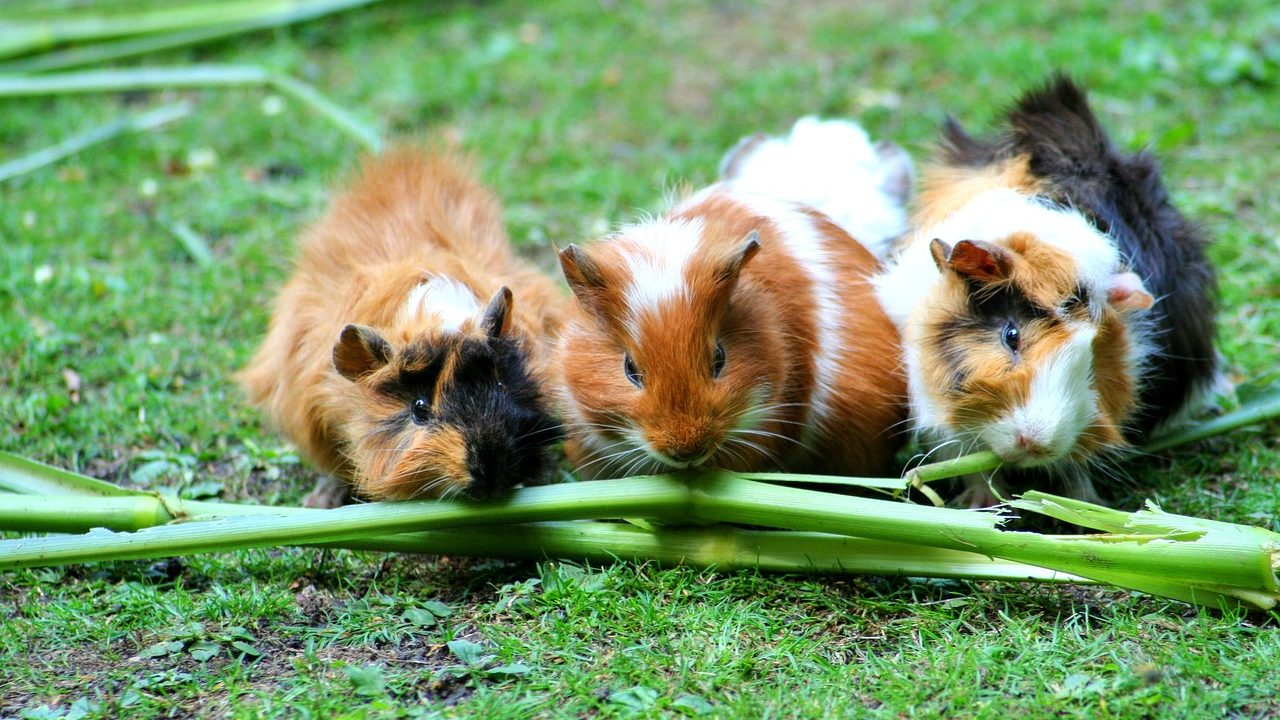
Maintaining a consistent guinea pig grooming and care guide routine is essential for keeping your indoor cavy healthy, comfortable, and bonded with you. While guinea pigs are notoriously meticulous groomers that spend a large portion of their day cleaning their own fur, they rely heavily on their human caregivers for coat maintenance, nail trimming, ear checks, and general hygiene. Whether you share your home with a short-haired American cavy or a flowing-coated Peruvian, establishing a predictable, stress-free grooming schedule prevents common health issues like matting, bumblefoot, and overgrown nails.
Many pet owners underestimate the time and technique required to keep a cavy in top shape. Without regular intervention, long fur quickly traps bedding, hay, and moisture, leading to skin infections and discomfort. Furthermore, guinea pigs are prey animals with sensitive nervous systems. Introducing grooming tools and handling routines requires patience, positive reinforcement, and a clear understanding of cavy anatomy. This guide breaks down everything you need to know about setting up an effective grooming routine, handling sensitive areas, and maintaining your pet’s overall well-being.
Understanding Your Cavy Coat Type and Daily Needs
Before diving into grooming tools and techniques, it helps to understand how coat variations dictate your maintenance schedule. Guinea pigs fall into three broad coat categories: short-haired breeds (such as Americans and Teddies), long-haired breeds (such as Peruvians, Silkies, and Coronets), and hairless varieties (Skinny Pigs and Baldwins). Each type requires a distinct approach.
Short-haired cavies are the lowest maintenance, typically requiring only a weekly once-over with a rubber curry brush or soft bristle brush to remove loose hairs and distribute natural skin oils. Long-haired breeds, however, demand daily attention. Their continuous hair growth creates a high risk for tangles, urine scalding, and severe matting around the hindquarters. Hairless guinea pigs have entirely different needs; they do not require brushing, but their exposed skin requires regular wiping with a damp cloth, protection from drafts, and occasional application of safe, unfragranced moisturizers to prevent dryness.
Regardless of breed, consistency is your best tool. Short daily sessions are far less stressful for a guinea pig than a marathon grooming session once every two weeks. By making gentle handling a predictable part of your daily routine, you build trust and reduce the adrenaline spikes common in prey animals.
To further understand cavy coat dynamics, owners should also consider seasonal shedding patterns. Even indoor guinea pigs experience shifts in coat density as ambient indoor temperatures fluctuate throughout the year. During seasonal transitions in spring and autumn, short-haired breeds may drop significantly more undercoat. Increasing brushing frequency during these windows prevents loose fur from being ingested during self-grooming, which can otherwise contribute to digestive tract sluggishness or hairball-like blockages in rare cases. Observing your pet’s skin health under natural light during these weekly or daily grooming sessions allows you to spot early indicators of mites, fungal issues like ringworm, or dry skin before they escalate into veterinary emergencies.
Essential Tools for Your Cavy Grooming Kit
Having the right equipment makes grooming faster, safer, and more comfortable for both you and your pet. Avoid using human hairbrushes or heavy-duty dog combs, which are often too harsh for a guinea pig’s delicate skin and fine hair structure. Instead, curate a dedicated small-animal grooming kit with the following items:
- Soft-bristle brush: Ideal for short coats and finishing touches on long coats, helping to smooth fur and distribute oils.
- Stainless steel greyhound comb: Features fine and medium-spaced teeth to check for tangles and debris near the skin.
- Small slicker brush with coated tips: Excellent for removing loose undercoat fur in long-haired breeds, provided you use a light touch.
- Small human nail clippers or specialized cat claw scissors: Offers precision when trimming tiny cavy nails.
- Styptic powder or cornstarch: A vital safety item to stop minor bleeding instantly if you accidentally nick the quick.
- Unscented baby wipes or a damp washcloth: Perfect for spot-cleaning soiled rear ends without giving a full, stressful bath.
Keep these supplies in a dedicated basket or pouch near your guinea pig’s enclosure so you can grab them easily during lap-time sessions. Associating the kit with positive rewards like small pieces of fresh bell pepper or cilantro helps your guinea pig look forward to the routine.
When selecting your tools, pay close attention to the scale of each implement. Human nail clippers designed for thick fingernails can crush small cavy claws rather than cutting them cleanly, leading to splintering or discomfort. Cat claw scissors or specialized small animal trimmers feature curved blades that match the contour of a cavy’s claw, ensuring a swift, clean cut. Additionally, storing your metal tools in a dry container prevents rusting, and wiping combs down with a pet-safe disinfectant between grooming sessions ensures you do not transfer skin oils, dander, or bacteria from one cavy to another in multi-pet households.
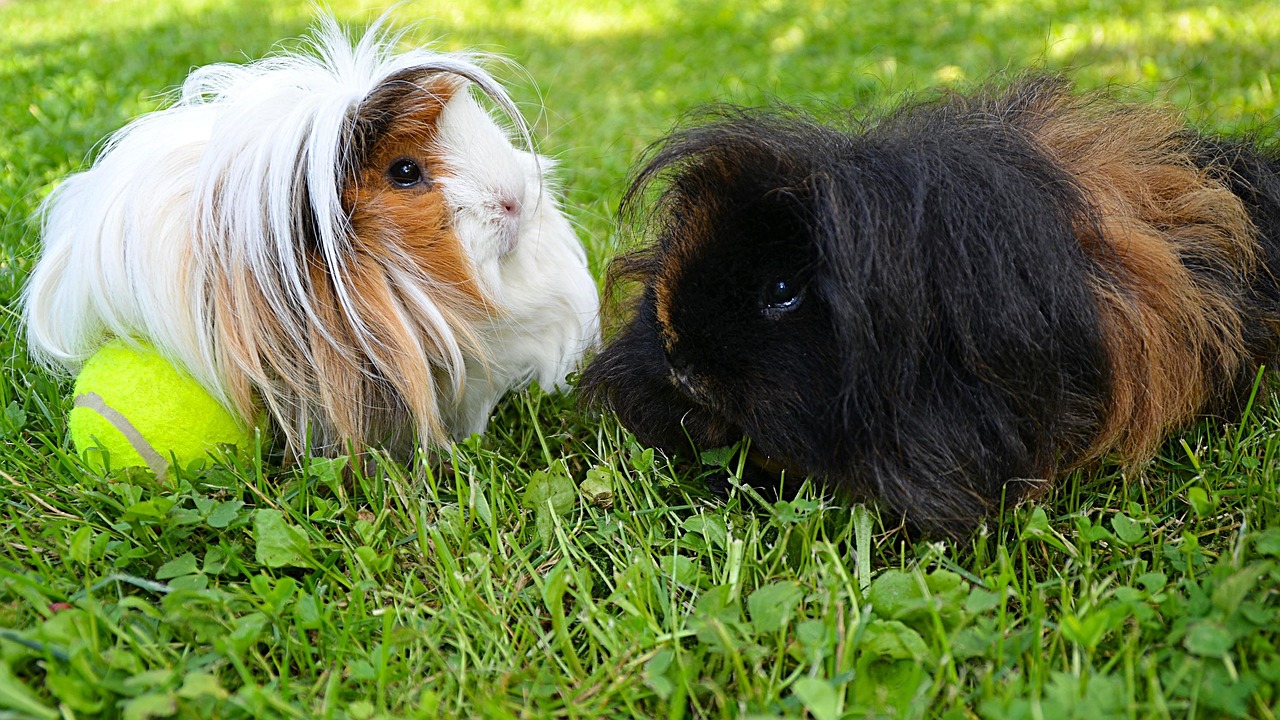
Step-by-Step Daily Brushing Routine for Long-Haired Cavies
Long-haired guinea pig care requires a disciplined daily approach to prevent fur from felting together near the skin. If you wait until mats form, removing them can pull painfully on your pet’s skin and require careful snipping with blunt-nosed scissors. Follow this step-by-step routine to keep long coats manageable:
First, find a comfortable, secure lap-time spot. Place a clean towel across your lap to catch loose hair and provide traction. Allow your guinea pig to settle for a minute, offering a small leafy green to establish a calm mindset. Never force a frightened or squirming animal into position; let them sniff the brush before you begin.
Start by using your fingers to gently part the hair down the middle of the back, working from the head toward the rump. This allows you to inspect the skin for flakiness, parasites, or early signs of tangles. Next, take your stainless steel comb and gently work through the hair starting at the ends and moving upward toward the roots. If you encounter a knot, hold the hair base near the skin with one hand so you do not pull the skin, and gently tease the tangle apart with the comb.
Finish the session by running a soft-bristle brush over the coat to smooth the fur and remove any loose strands. For guinea pigs with exceptionally long floor-sweeping coats, many owners practice ‘sanitary trims’—carefully cutting the fur around the hindquarters and underside to a shorter length. This simple step drastically reduces the chance of urine stains and trapped bedding.
Maintaining long-haired breeds also requires vigilance regarding environmental debris. Indoor guinea pigs spend hours trotting through bedding, hay, and paper pellets. Tiny pieces of timothy hay or aspen shavings easily wedge themselves into long locks, creating the foundation for stubborn mats if left unchecked. After your daily brushing session, take an extra moment to sweep your fingers gently through the belly fur and around the armpits, as these friction-heavy zones are prime locations for hidden knots. Establishing this thorough habit keeps your cavy’s coat silky, clean, and completely free of uncomfortable pulling.
Desensitizing Sensitive Paws and Safe Handling Techniques
Guinea pigs are naturally defensive about their feet. In the wild, their paws are vital for fleeing predators, and instinct tells them that restraining or touching their legs is dangerous. Consequently, handling paws for nail trims and skin checks requires a patient desensitization process.
Begin desensitization weeks before you actually need to trim their nails. During regular lap time, gently touch your guinea pig’s legs and paws while offering a high-value treat like a small slice of carrot or parsley. Do this for only a few seconds at a time. If your cavy stays calm, reward them immediately. Gradually increase the duration of the touch until you can gently press their paw pads to extend the nails without causing panic.
When it comes to physical restraint, always support your guinea pig’s entire body weight. Place one hand securely underneath their chest and abdomen, and use your other hand to gently cup their hindquarters. Never pick up a guinea pig by the scruff or squeeze their torso tightly. For grooming and nail trimming, the most secure position is sitting upright against your chest or resting comfortably on a stable surface with a secure towel barrier.
Building positive associations with paw handling transforms a high-anxiety task into a manageable routine. If your guinea pig attempts to bolt or kick during early training sessions, avoid scolding them; simply pause, let them relax, and try again later with a smaller increment of touch. Pairing these exercises with a familiar verbal cue, such as saying ‘paws’ softly before touching their feet, helps establish a predictable pattern that your cavy will eventually anticipate with calm curiosity rather than defensive panic.
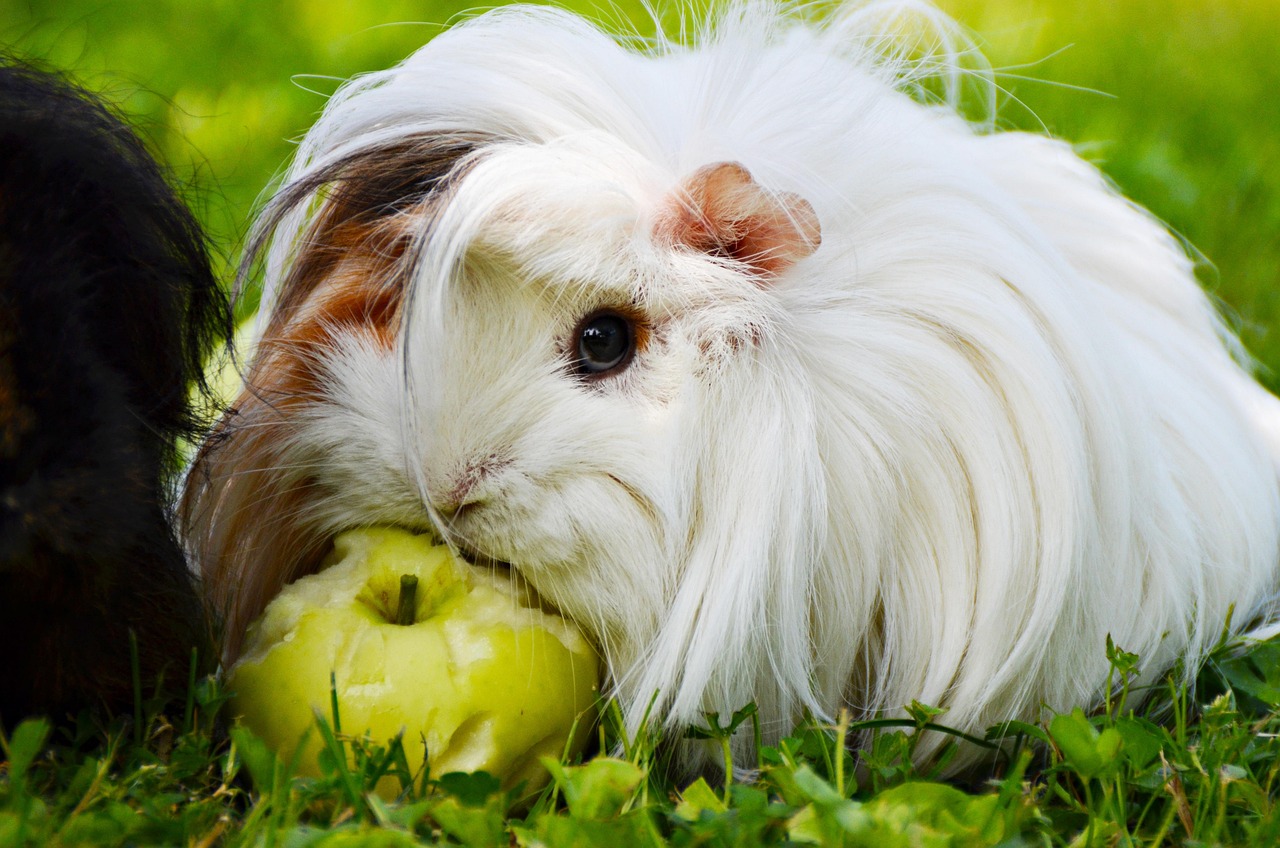
Nail and Coat Maintenance: Trimming and Hygiene Schedules
Overgrown nails are a common hazard for indoor guinea pigs. Because indoor cage flooring lacks the abrasive qualities of natural terrain, cavy nails continue to grow unchecked. If left too long, nails can curl inward, causing severe joint pain, gait abnormalities, and even piercing the footpads. Establishing a regular nail-trimming schedule—typically every four to six weeks—is non-negotiable.
Trimming cavy nails requires good lighting. For guinea pigs with light-colored claws, you can easily spot the ‘quick,’ the pink blood vessel running inside the nail. Trim just past the pink line, leaving a safe margin. For dark-clawed guinea pigs, the quick is hidden. In these cases, shine a small flashlight or smartphone light from underneath the nail to illuminate the internal structure, or trim extremely small slivers off the very tip at a time.
Always keep styptic powder close by. Even experienced owners occasionally nick the quick. If bleeding occurs, press a small pinch of styptic powder onto the nail tip with firm, gentle pressure for a few seconds. The bleeding will stop almost immediately.
Beyond nails, inspect your guinea pig’s ears, eyes, and scent glands weekly. Healthy cavy ears should be clean and free of heavy wax or foul odors. Use a damp cloth to wipe the outer ear flap only; never insert cotton swabs into the ear canal. Check the eyes for any cloudiness or discharge. Finally, intact male guinea pigs feature a pocket below the tail called the grease gland, which can collect waxy buildup and require occasional gentle cleaning with a warm, damp cloth or pet-safe wipe.
Maintaining a comprehensive hygiene schedule also involves checking your cavy’s teeth periodically, as dental alignment directly impacts overall health and grooming capacity. While you cannot trim teeth at home—a task strictly reserved for exotic veterinarians—checking that your guinea pig is happily eating hay ensures their molars and incisors are wearing down naturally. Clean scent glands, bright eyes, and well-maintained nails round out a robust husbandry routine that safeguards your pet against preventable discomfort.
Common Grooming Mistakes to Avoid
Even well-intentioned owners can run into trouble if they rely on incorrect techniques. Avoiding common pitfalls protects your guinea pig from stress and accidental injury:
- Bathing too frequently: Guinea pigs rarely need full water baths. Frequent bathing strips their skin of natural protective oils, leading to severe dry skin and flaking. Spot-clean soiled areas instead, and only bathe when medically necessary or heavily soiled.
- Ripping through mats: Yanking a comb through severe tangles pulls the sensitive skin tight, causing pain and teaching your guinea pig to fear grooming time. Always use scissors to carefully split stubborn mats vertically away from the skin.
- Neglecting cage hygiene: Grooming is only half the battle. Damp bedding and dirty litter boxes directly contribute to coat staining, matting, and skin infections like bumblefoot. Keep living areas meticulously clean.
- Skipping boar cleanings: Male guinea pigs require regular inspection of their genital area and grease gland to prevent impaction—a potentially dangerous condition where hay and debris accumulate in the anal sac.
By keeping these caveats in mind, you can maintain a safe, comfortable maintenance routine that protects your pet’s health.
Another frequent misstep is rushing through grooming sessions when a cavy shows early signs of stress. Ignoring vocalizations like low purring that escalates into teeth-chattering or rigid body posture can lead to defensive biting or long-term handling aversion. Always respect your pet’s communication signals; if your guinea pig becomes overly agitated, wrap up the session, offer a favorite vegetable, and resume tomorrow. Patience yields far better long-term results than forcing a complete grooming session in a single sitting.
Conclusion and Long-Term Maintenance
A reliable guinea pig grooming and care guide routine goes far beyond keeping your cavy looking neat; it serves as a cornerstone of preventive healthcare. By combining daily coat checks, patience-building paw desensitization, and regular nail trims, you catch potential health concerns like skin parasites, wounds, or overgrown teeth and nails long before they become emergencies. Approach grooming as a peaceful bonding experience rather than a chore, and your indoor cavies will reward you with relaxed trust and vibrant, healthy coats for years to come.
Ultimately, successful cavy care is built on consistency, observation, and adaptability. As your guinea pig transitions from an energetic youth to a senior cavy, their grooming needs may shift. Older guinea pigs often experience arthritis or mobility issues, making it harder for them to reach certain areas for self-grooming and increasing their vulnerability to urine scalding or neglected nails. By staying attuned to these changing needs and maintaining your gentle, structured routine, you ensure your indoor companion enjoys a comfortable, dignified, and exceptionally well-cared-for life.