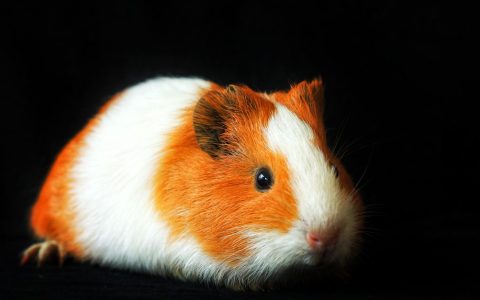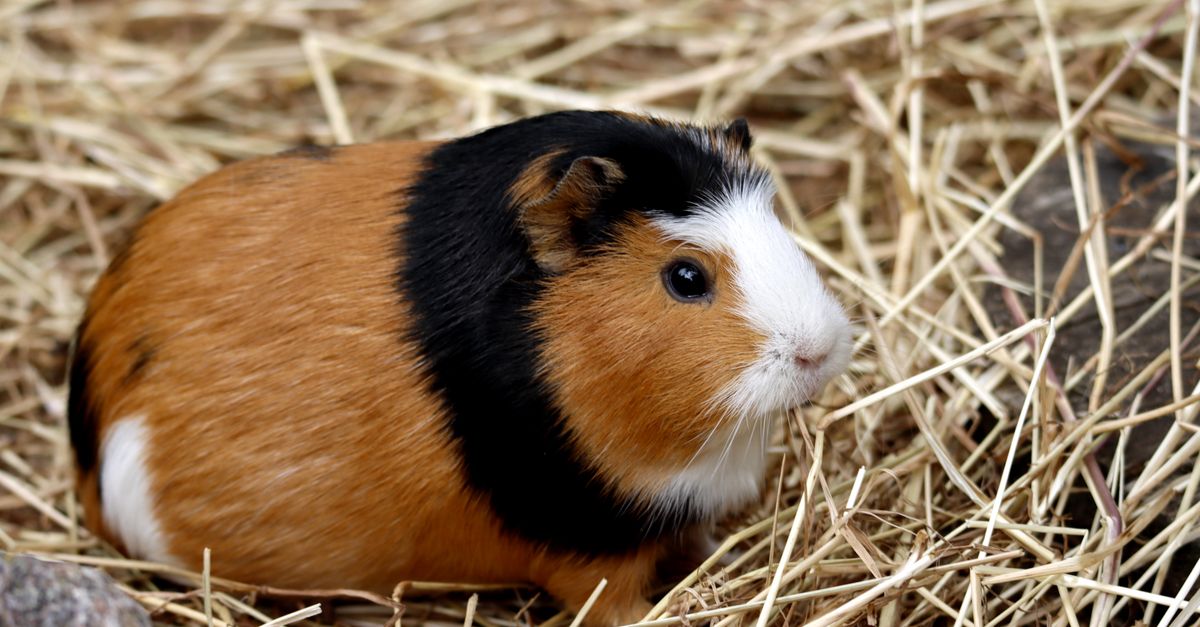
Switching your small pets to a guinea pig fleece bedding guide approach offers major benefits, but it requires careful planning. For decades, disposable paper beddings and wood shavings have been the default choices for small mammal habitats. While convenient, these disposable options can be dusty, expensive over time, and messy to clean up around the house. Moving to washable fleece liners changes your routine completely, transforming your cage maintenance into a predictable, eco-friendly system. This comprehensive guide walks you through every phase of the transition, from initial material preparation to daily upkeep and long-term health monitoring.
Understanding the Benefits and Trade-Offs of Fleece Bedding
Before making any change to your guinea pigs’ environment, it helps to understand why fleece has become so popular among experienced small pet owners and veterinary professionals. Fleece works differently than traditional bedding. Instead of absorbing urine directly into the top layer, good fleece liners act as a moisture-wicking barrier. Urine passes straight through the fleece into a hidden absorbent layer underneath, such as U-Haul moving pads, high-density cotton batting, or bamboo fleece, leaving the top surface feeling relatively dry to the touch.
This moisture-wicking property is the primary reason veterinarians support fleece use. By keeping the surface dry, fleece drastically reduces the risk of ammonia burns and respiratory irritation caused by damp bedding sitting against a guinea pig’s delicate skin and lungs. Furthermore, fleece eliminates the risk of accidental ingestion of dusty wood shavings or paper fibers that can sometimes lead to gastrointestinal blockages.
However, fleece is not completely maintenance-free. While disposable bedding can simply be rolled up and thrown away, fleece requires a dedicated laundry routine. You must commit to washing and drying heavy layers multiple times a week. Additionally, fleece does not control odors on its own; you must perform daily spot-cleaning to remove wet hay, poops, and trapped debris. If you live in an apartment without in-unit laundry, hauling heavy wet cage liners to a laundromat can quickly become exhausting. Weighing these realities before you buy materials will save you from frustration later.
Choosing the Right Materials for Your Cage Setup
Not all fleece is created equal, and choosing the wrong type can defeat the entire purpose of the switch. When putting together your cage liners, you need to look specifically for anti-pill fleece. Regular fleece or cheap synthetic blankets tend to pill quickly, creating loose strings and fuzz that can wrap around your guinea pigs’ tiny toes or get ingested during chewing behavior, leading to dangerous internal blockages.
An effective fleece liner is typically constructed as a multi-layer quilt. The top layer must be anti-pill polyester fleece, which handles the moisture-wicking job. Sewn directly beneath it is an absorbent middle layer, such as recycled cotton batting or zorb fabrics, which holds the liquid securely. The bottom layer is often a waterproof PUL (polyurethane laminate) fabric or simple canvas to protect your cage floor or table surface from leaking moisture.
If you prefer DIY sewing projects, you can purchase anti-pill fleece fabric by the yard at local craft stores and pair it with pre-washed cotton towels or moving pads. If sewing is not your hobby, numerous artisan shops specialize in custom-sized liners tailored to popular enclosure dimensions like C&C cages or commercial wire-bottom habitats. Always ensure that whatever material you choose fits snugly against the walls of the enclosure. Guinea pigs love to burrow and crawl underneath loose liners, which soils the bare bottom of the cage and creates a damp, unhygienic hiding spot.
The Crucial Prep Step: Conducting the Wicking Test
One of the most common mistakes beginners make is putting brand-new fleece directly into the cage without prepping it first. New anti-pill fleece is manufactured with chemical softening agents and manufacturing oils that create a water-repellent barrier. If you put fresh fleece into a cage right off the bolt, urine will pool on top instead of passing through to the absorbent layers below, leaving your guinea pigs walking in puddles.
To strip these factory coatings and activate the moisture-wicking properties, you must wash and dry the fleece multiple times before its first use. Wash the liners in hot water using a fragrance-free, hypoallergenic liquid detergent. Avoid using any fabric softener or dryer sheets entirely. Fabric softeners leave a waxy, waterproof coating on the synthetic fibers that ruins their ability to wick moisture.
Once the cycle is complete, run the items through a hot drying cycle. To test whether the fleece is truly ready for your pets, perform a simple wicking test. Pour a tablespoon of clean water directly onto the dry fleece surface. If the water beads up and rolls off, the fleece needs to be washed again. If the water immediately absorbs into the fabric within a few seconds, your liners are fully prepped and ready for the cage.
Managing the Transition Through Gradual Desensitization
Guinea pigs are creatures of habit. They rely heavily on familiar scents and textures to feel safe in their environment. Dropping a brand-new, smooth fleece liner into their familiar cage overnight can trigger anxiety, causing them to freeze in place, refuse to eat, or hide frantically in a corner.
To prevent this stress, use a gradual desensitization schedule over the course of a week. Start by placing a small fleece pad or pouch inside their current bedding setup for a few days. Let them get used to the feel and smell of the new fabric while still surrounded by their familiar paper or wood shavings. Next, cover only half of the cage floor with the fleece liner while leaving the other half with their traditional bedding.
This split setup allows your guinea pigs to choose where they want to spend their time. Most curious cavies will investigate the fleece side within a few hours. Once you notice them comfortably napping and exploring the fleece half, you can remove the remaining traditional bedding and cover the entire enclosure. Throughout this transition, keep their food bowls, water bottles, and favorite hideys in the exact same spots to maintain a sense of geographical security.
Establishing an Efficient Daily Spot-Cleaning Routine
Switching to washable liners does not mean cage cleaning only happens on laundry day. In fact, daily maintenance is the secret to keeping a fleece-lined habitat fresh, sanitary, and odor-free. Because solid waste and hay do not dissolve or filter away on their own, you must remove them manually once or twice a day.
Get into the habit of performing a quick five-minute sweep every morning and evening. Use a small hand broom and dustpan designed specifically for pet cages to sweep up stray poop pellets, discarded hay, and scattered food bits. Many owners find it helpful to set up designated hay stations using litter boxes or shallow plastic bins filled with hay; guinea pigs naturally tend to relieve themselves while eating, which catches a massive percentage of the daily waste in one easy-to-empty spot.
Inspect the fleece surface during your sweep to check for unusually damp patches. If a water bottle has leaked or a guinea pig has spilled fresh vegetables in a specific corner, blot the area with an absorbent paper towel or swap out a small, targeted pee pad rather than stripping the entire cage liner. Maintaining this consistent routine prevents ammonia buildup and keeps your pets’ living space smelling clean between major wash days.
Safe Washing Protocols and Laundry Best Practices
When laundry day arrives, proper washing protocols are essential to remove bacteria, ammonia, and lingering odors without introducing chemicals that could harm your small pets. Start by shaking your fleece liners thoroughly outside or over a trash can to remove as much stray hay, hair, and dried debris as possible before the fabric ever touches your washing machine. Shaking out the liners prevents clogged pump filters and keeps your washing machine running smoothly for years.
To protect your washing machine and trap stray pet hair, place the fleece liners inside a heavy-duty mesh laundry bag or pet wash bag before loading them into the drum. Wash the liners in warm or hot water using a gentle, unscented, hypoallergenic detergent. Avoid harsh commercial detergents with heavy perfumes, optical brighteners, or chlorine bleach, as these chemical residues can irritate your guinea pigs’ sensitive respiratory tracts and delicate skin.
Never use liquid fabric softener or dryer sheets under any circumstances. As mentioned during the prep phase, softeners coat the synthetic fibers in a thin film that destroys the moisture-wicking ability of the fleece. Dry the liners on a medium heat setting or hang them outside on a clothesline if weather permits. Ensure the liners are 100% dry before placing them back into the cage; folding or storing slightly damp fleece can lead to mold and mildew growth that poses severe health risks to your pets.
Monitoring for Foot Health and Preventative Care
One of the most important veterinary considerations when using fleece bedding is monitoring your guinea pigs’ foot health. In the wild and in traditional bedding setups, cavies walk on varied natural terrain. In indoor cages, however, constant contact with hard, damp, or poorly padded surfaces can lead to a painful bacterial skin infection of the foot pads known as pododermatitis, commonly referred to as bumblefoot.
While fleece is much softer than wire flooring or thin paper bedding, improper maintenance can still put your pets at risk. If fleece liners are allowed to stay damp for too long, or if the absorbent middle layers compress and lose their cushioning over time, your guinea pigs’ feet will constantly press against a wet surface. This softens the skin of the paw pads, allowing bacteria from accumulated droppings to enter and cause painful swelling, redness, and sores.
Make it a regular weekly habit to gently pick up each guinea pig and inspect the bottoms of their feet. Look for any signs of redness, calluses, swelling, or black scabs on the heels and toes. If you notice any early signs of irritation, assess your cage hygiene immediately. Increase your daily spot-cleaning frequency, ensure your fleece liners are drying completely between washes, and consider adding extra fleece pee pads in high-traffic resting areas to provide extra cushioning and a drier surface.
Troubleshooting Common Mistakes and Adjusting Your Setup
Even with the best preparation, you may run into a few hurdles during your first few months using fleece bedding. Identifying these common issues early will help you adjust your routine and keep your small pets comfortable and healthy.
One frequent complaint among beginners is stubborn hair buildup clinging to the fleece. Guinea pig hair and stray hay fibers love to weave themselves into the fabric pile during washing. To combat this, run a rubber pet hair removal brush or a damp rubber glove over the dry fleece before tossing it into the wash. This simple extra step pulls trapped hair out of the fibers so it does not clog your washing machine or transfer to your regular human laundry.
Another common issue is persistent urine odor. If your cage begins to smell strong even after a fresh wash, your detergent may not be breaking down uric acid crystals effectively, or your wash cycle might be overloading the machine. Try cutting back on the amount of detergent you use—too much soap actually leaves a residue that traps odors—and add half a cup of plain white vinegar to the rinse cycle to neutralize ammonia naturally. If your liners are old and the middle absorbent layer has broken down beyond repair, it is simply time to retire them and invest in fresh replacements.
Conclusion: Embracing Sustainable Habitat Care
Transitioning your indoor guinea pigs to washable fleece liners takes initial effort, investment, and a willingness to adjust your weekly chores. However, the long-term rewards are well worth the adjustment. By following a gradual desensitization schedule, performing diligent daily spot-cleaning routines, maintaining safe and chemical-free washing protocols, and regularly monitoring your pets’ foot health, you create a cleaner, safer, and more comfortable environment for your cavies. Embracing this sustainable approach not only reduces household waste and long-term expenses but also strengthens the daily bond between you and your healthy, thriving pets.