If you share your home with an indoor rabbit, you have likely witnessed the phenomenon known as the coat blowout. Successfully navigating a heavy shed requires a reliable rabbit shedding and grooming guide approach that combines gentle desensitization, the right tools, and an unwavering focus on digestive health. Four times a year, house rabbits drop their old fur to make way for a new seasonal coat. For long-haired breeds like Angoras, Lionheads, and Jersey Woolies, or even standard short-haired breeds like Rexes and Dutch rabbits, this shedding process can quickly turn your living room into a landscape of floating tufts. Beyond the vacuuming nuisance, heavy shedding presents a serious health risk: wool block. Because rabbits groom themselves constantly like cats, they ingest large quantities of loose fur. Unlike felines, however, rabbits cannot vomit. If that fur is not passed through the digestive tract, it can combine with food and mucus to form a dangerous blockage. By understanding how to manage coat blowouts proactively, you can keep your indoor bunny comfortable and protect them from life-threatening gastrointestinal issues.
Understanding the Rabbit Coat Blowout Cycle
Rabbits do not just shed a little bit all year round; they typically undergo major molting cycles every three to four months. A full coat blowout usually starts at the head and travels down the back toward the tail, leaving a distinct line where the old fur lifts away from the new pelt underneath. During these heavy phases, you may notice clumps of fur pulling away effortlessly, sometimes even standing up in strange tufts that make your rabbit look unkempt. The undercoat releases first, followed by the longer guard hairs, creating a patchwork appearance that can last anywhere from two to six weeks depending on the individual rabbit’s genetics, age, and overall health status.
Indoor environments can significantly disrupt this natural cycle. Artificial lighting schedules, central heating, and modern air conditioning can confuse a rabbit’s biological clock, leading to continuous, low-level shedding or unpredictable blowout schedules that seem completely out of sync with natural seasons. Recognizing the start of a blowout is your cue to step up your daily management routine immediately. Waiting until the fur is flying everywhere allows mats to form close to the skin, which restricts air circulation, traps moisture, and can cause painful skin irritation, hot spots, or flystrike if the rabbit spends any time outdoors. Monitoring your rabbit daily for these subtle shifts ensures you catch the blowout before it turns into an overwhelming grooming challenge.
Young rabbits, or kits, experience their first major coat changes as they transition into adult fur, typically around four to five months of age. This juvenile molt can catch first-time owners off guard because the fur texture changes dramatically, sometimes shifting from a soft, downy baby coat to a coarser, more resilient adult pelt. Senior rabbits may also experience altered shedding patterns due to arthritis or reduced mobility, making it difficult for them to reach certain areas of their bodies during self-grooming. Consequently, older rabbits rely heavily on their human caregivers to step in and prevent mats from accumulating around their hindquarters and flanks. Recognizing these life-stage nuances allows you to tailor your grooming frequency to match your rabbit’s exact biological needs rather than relying on a rigid, one-size-fits-all schedule.
Selecting the Right Grooming Tools
Using the wrong brush can pull painfully on delicate rabbit skin or tear out healthy fur. Rabbits have paper-thin skin that tears easily, making human-grade slicker brushes with sharp, exposed wire teeth a poor choice for daily maintenance. Instead, build a grooming toolkit designed specifically for lagomorphs that respects their fragile anatomy.
A rubber grooming mitt or gentle rubber curry brush is ideal for short-haired breeds. It acts like a magnet for loose fur while giving your rabbit a soothing massage that mimics mutual grooming habits. For longer coats, a specialized small-animal comb with rounded metal teeth helps work through tangles without snagging the skin. Always use your fingers to gently tease apart stubborn mats rather than jerking a comb through them. A misting bottle filled with clean water can also help dampen static and trap flying fur during brushing sessions, though you should never soak your rabbit or leave their skin damp. Avoid cat furminating blades or heavy de-shedding rakes unless specifically recommended by an exotic veterinarian, as these can easily cut rabbit skin or strip healthy topcoats.
When organizing your toolkit, keep in mind that different coat types require entirely different implements. For instance, a dense Rex coat—which lacks the longer guard hairs found in other breeds—benefits greatly from damp-cloth wiping combined with a very soft-bristled brush, whereas an Angora wool coat requires a wide-toothed comb and meticulous parting of the wool down to the skin to catch developing mats before they felt together. Having a variety of tools on hand ensures you can adapt your approach depending on whether your rabbit is experiencing a mild maintenance week or a torrential full-body blowout.
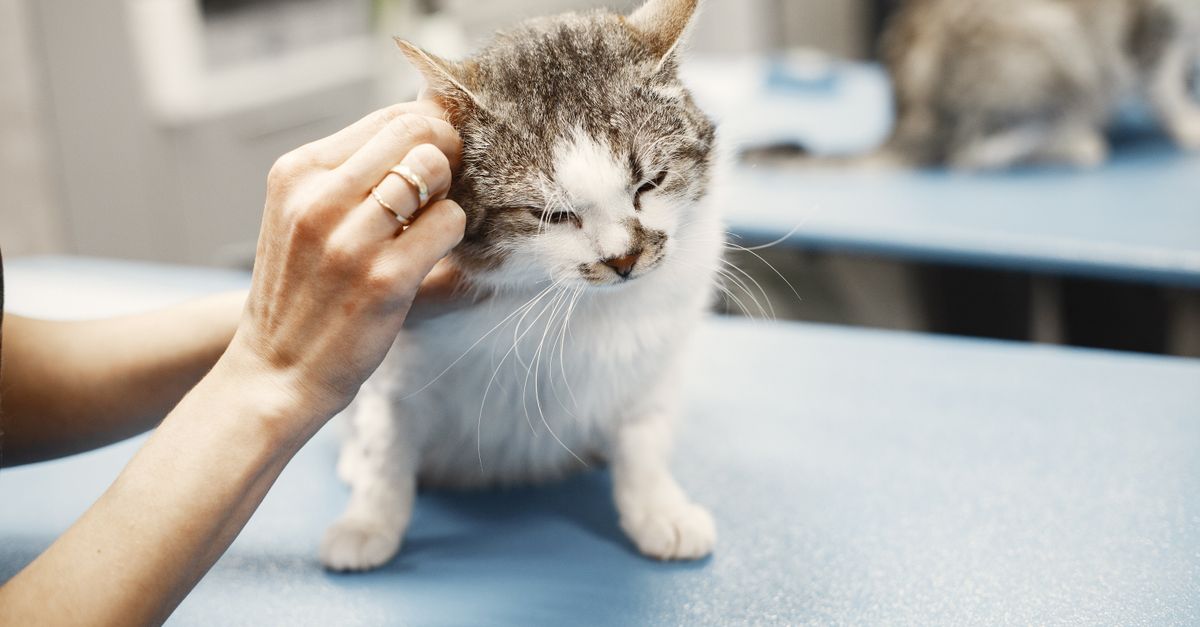
Step-by-Step Grooming Desensitization
Many rabbits initially detest being groomed because they are prey animals who feel inherently vulnerable when restrained. Forcing a terrified rabbit into your lap for a brushing session damages trust and can trigger dangerous panic responses, including sudden backward leaps that result in broken bones or spinal injuries. Desensitization requires immense patience, positive reinforcement, and a predictable, stress-free routine.
Start by choosing a secure, non-slip surface at a comfortable height, such as a sturdy table covered with a textured yoga mat or a rubber-backed bath rug to give their paws traction. Keep initial sessions very brief—just one or two minutes at a time. Offer a favorite leafy green, like a sprig of cilantro or a small piece of carrot top, immediately before and after the brush touches their fur to build positive associations. Allow the rabbit to sniff the brush while it is stationary. Gently stroke their head and shoulders where they naturally enjoy being petted, slowly introducing the tool to adjacent areas they tolerate. If your rabbit shows signs of stress, such as thumping their hind foot, freezing completely, or flattening their ears against their back, stop immediately and try again later. Consistency and calm energy win over forced duration every single time.
Over the course of two to three weeks, gradually increase the duration of each grooming session as your rabbit learns that the brush predicts safety and delicious treats rather than discomfort. Always keep all four paws firmly supported on the grooming surface; never flip a rabbit onto its back like a baby. This unnatural position induces tonic immobility, which is actually a fear-induced paralysis response rather than a state of relaxation. By keeping your rabbit upright, secure, and gently engaged with food, you turn an intimidating chore into a bonding ritual that strengthens your relationship with your indoor companion.
Preventing Wool Block and Supporting Digestion
The primary medical hazard of heavy shedding is wool block, medically known as a trichobezoar. When a rabbit grooms itself during a blowout, loose fur enters the stomach. If the digestive tract slows down, this fur stays in the stomach, dehydrates, and packs into a dense mass that blocks food from passing into the intestines. Because rabbits cannot vomit or expel material upward, this obstruction requires urgent veterinary intervention and can deteriorate rapidly.
Preventing wool block depends entirely on keeping the gastrointestinal tract moving at a rapid, healthy pace. Fiber is the absolute engine that drives rabbit digestion. An unlimited supply of fresh grass hays, such as timothy, orchard grass, oat hay, and botanical mixes, is non-negotiable. The abrasive, long-stemmed fiber in hay stimulates the gut muscles and naturally sweeps ingested fur through the system.
Hydration is the second critical pillar of prevention. Many rabbits do not drink enough standing water from a bowl or bottle during dry winter months or air-conditioned summers. Encourage water intake by offering fresh greens washed thoroughly and served wet, or by providing multiple heavy ceramic bowls placed strategically around their exercise area. While some owners use unsweetened, 100% pure pineapple or papaya juice as an occasional, limited treat based on the old belief that enzymes dissolve hair, modern veterinary science emphasizes that water and fiber remain the true workhorses for maintaining proper gut motility.
It is also worth noting that cecotropes—the nutrient-rich night feces that rabbits produce and ingest directly from the anus—play a vital role in their overall digestive ecosystem. When fur ingestion is high, these cecotropes can occasionally become coated or tangled in stray hairs, causing minor disruptions in their recycling process. Ensuring that your rabbit maintains an unobstructed rear end through routine hygiene checks during heavy sheds helps safeguard this natural digestive loop.
Recognizing Early Warning Signs of GI Stasis
Even with meticulous grooming, gastrointestinal stasis can strike quickly if stress, pain, environmental changes, or insufficient fiber slows the gut down. GI stasis is not a disease in itself, but rather a complete shutdown of the digestive system that can quickly turn fatal if ignored. Every indoor rabbit owner must learn to recognize the earliest warning signs.
The most reliable indicator of trouble is a noticeable change in fecal output. Monitor your rabbit’s litter box daily. A marked reduction in fecal pellet size, fewer pellets overall, or strings of poop held together by strands of fur are glaring red flags that require immediate attention. Complete cessation of droppings is an absolute medical emergency. Other symptoms include refusing favorite treats, sitting hunched in a corner with a tense abdomen, grinding teeth audibly in pain, and a complete lack of interest in hay or water.
If you suspect GI stasis, contact an exotic animal veterinarian immediately. Do not attempt unprescribed home remedies, human pain relievers, or wait to see if the rabbit bounces back overnight. Rabbit digestion is extremely fragile, and hours matter when reversing gut slowdown. Professional treatment typically involves fluid therapy, prescription prokinetic medications to restart gut contractions, pain management, and gentle syringe feeding of critical care formulas to keep the metabolic engine running while the GI tract heals.
Nutritional Strategies During Peak Shedding Seasons
During a heavy coat blowout, your rabbit’s body is working overtime to produce new fur, which requires extra energy, vitamins, and protein. However, altering a rabbit’s diet too drastically can upset their sensitive gut flora and trigger bloat or diarrhea. The core of their daily diet—fresh hay, clean water, and a strictly measured portion of high-quality grass-based pellets—should remain constant throughout the molting period.
You can safely support them by offering targeted leafy greens that are high in moisture and gentle on the stomach. Romaine lettuce, green and red leaf lettuce, dandelion greens, cilantro, and parsley make excellent daily additions. Avoid high-sugar fruits, commercial yogurt drops, and starchy vegetables during shedding periods, as excess sugar can fuel harmful bacteria in the cecum and disrupt the delicate balance of the digestive tract. If your veterinarian recommends specific digestive supplements, probiotic pastes, or fiber blocks formulated for small animals, integrate them carefully according to professional guidelines.
During high-shed periods, some rabbit owners increase the proportion of coarse, high-fiber grass hays in the enclosure while slightly reducing pellet intake to encourage higher hay consumption. Because fiber is the primary driver of gut motility, maximizing hay intake acts as an internal broom, sweeping out loose fur before it has a chance to compact in the stomach. Always make any dietary adjustments gradually over several days to avoid shocking your rabbit’s delicate digestive flora.
Creating an Environment That Minimizes Fur Ingestion
Environmental management plays a massive role in reducing the amount of fur your rabbit swallows between formal grooming sessions. Sweeping, dusting, and vacuuming your rabbit’s living quarters daily removes loose tufts that would otherwise be blown around rooms and accidentally eaten during exploration and foraging.
If your rabbit shares living space with other household pets, such as cats or dogs, coordinate grooming schedules so that stray pet hair from other animals is not tracked into the rabbit’s enclosure. Additionally, provide plenty of safe chew toys, woven willow balls, and untreated wooden blocks to keep their minds occupied and prevent boredom. Bored rabbits often over-groom themselves out of stress or lack of stimulation, which directly increases the amount of fur entering their digestive tract. Interactive toys and regular out-of-cage exercise keep their minds active and their bodies naturally moving, which naturally stimulates healthy peristalsis.
Furthermore, consider placing washable cotton rugs or fleece blankets in high-traffic zones of your rabbit’s living area. These fabrics trap floating fur much more effectively than bare hardwood or laminate flooring, preventing stray tufts from rolling into corners where your rabbit might find and ingest them during play. Launder these fabrics frequently on hot cycles to remove accumulated fur, dander, and dust.
Troubleshooting Difficult Shedders and Long-Haired Breeds
Some rabbits require significantly more hands-on intervention than standard short-haired varieties. Long-haired breeds like Angoras, Lionheads, and Cashmere Lops do not simply shed cleanly; their wool continues to grow continuously, creating dense undercoats that trap moisture, dirt, and debris. If neglected, these coats mat down tightly to the skin, causing severe discomfort, restricted movement, and hygiene issues around the hindquarters.
For high-maintenance coats, establish a mandatory daily brushing schedule lasting 10 to 15 minutes without exception. In extreme cases, a professional grooming session or a sanitary trim performed by an experienced veterinary technician can safely reset a neglected coat. Never use household scissors to cut close to a rabbit’s skin to remove mats, as their skin pulls up into the hollow of the scissors with terrifying ease, resulting in horrific lacerations; always use an electric trimmer designed for small animals or let a professional handle it.
When working with long-haired breeds during a blowout, use a line-brushing technique. Part the fur with one hand down to the skin, and use your grooming tool with the other hand to brush small sections outward from the part. This ensures you are capturing loose fur at the root rather than just smoothing over the top layer of wool, which leaves hidden mats festering near the skin.
Establishing a Sustainable Year-Round Maintenance Routine
Managing rabbit fur is not a seasonal chore you can abandon for months at a time; it is a year-round commitment to keen observation and preventive care. By keeping your grooming tools organized, maintaining a predictable brushing routine, and prioritizing high-fiber nutrition, you can transform coat blowouts from a household crisis into a manageable part of pet ownership. Pay close attention to your rabbit’s daily habits, litter box output, and body condition. With the right techniques and veterinary guidance, you and your indoor bunny can sail through shedding season comfortably and safely.
Build weekly mini-maintenance checks into your calendar. Even outside of peak blowout windows, spending five minutes running a rubber brush over your rabbit helps catch early shedding before it overwhelms your living space. Combined with unlimited hay, fresh water, and attentive daily observation, this consistent routine ensures your rabbit stays vibrant, comfortable, and healthy all year long.
Frequently Asked Questions About Rabbit Shedding
How often do indoor rabbits blow their coats?
Most indoor rabbits experience heavy molting cycles about four times a year, though indoor artificial lighting and climate control can cause continuous low-level shedding.
Can I use a cat brush on my rabbit?
Avoid sharp wire slicker brushes or metal shedding blades designed for cats, as rabbit skin is exceptionally thin and tears easily. Stick to rubber grooming mitts and soft-bristled brushes.
What is the best way to handle flying fur during a blowout?
Lightly misting your hands with water before petting and grooming your rabbit can help capture loose tufts before they spread across your home.
Are pineapple enzymes effective at dissolving ingested fur?
While old husbandry myths suggested pineapple or papaya juice breaks down hair, modern veterinary medicine highlights that water and long-stemmed fiber are the only true drivers of safe digestion and hair elimination.
What should I do if I find a hard mat near my rabbit’s skin?
Never pull or cut mats out with household scissors, as rabbit skin is extremely thin and prone to lacerations. Gently tease the mat apart with your fingers or use a small-animal electric trimmer with professional guidance.