When most people think of intense shedding, long-haired breeds like Persians or Maine Coons usually come to mind. Yet, every indoor cat owner knows the reality: short-haired breeds shed relentlessly. Navigating this reality requires more than an occasional pass with a wire slicker brush. This comprehensive short haired cat shedding care guide offers a veterinary-backed framework for keeping your cat’s skin healthy, your furniture fur-free, and your grooming sessions stress-free.
Indoor cats live in a climate-controlled environment with artificial lighting schedules, which disrupts their natural outdoor shedding cycles. Instead of shedding heavily just twice a year, many indoor short-haired cats drop dander and loose undercoat fibers year-round, with massive seasonal surges during spring and autumn. Managing this requires a systematic approach to tool selection, technique, desensitization, and nutrition.
Understanding Indoor Short-Haired Cat Shedding Cycles
Cat fur grows in distinct biological phases: anagen (the active growth phase), catagen (a brief transitional phase), and telogen (the resting and eventual shedding phase). For cats living exclusively indoors, extended exposure to artificial light suppresses melatonin production, which confuses these natural seasonal cues. As a result, your domestic shorthair may experience continuous low-level shedding interspersed with dramatic coat blowouts that baffle many first-time pet owners.
A cat’s coat consists of two primary layers: a coarser outer guard hair that provides weather resistance, moisture repulsion, and coloration, and a soft, dense undercoat that provides thermal insulation. While short-haired breeds lack the flowing manes of long-haired cats, their undercoat can be surprisingly thick, especially in mixed-breed domestic shorthairs with multi-layered coats. When this undercoat dies off during a seasonal transition, it becomes trapped beneath the rigid guard hairs, leading to mats, localized dander buildup, and an endless parade of loose hair on your upholstery.
Furthermore, indoor humidity levels—especially during winter months when central heating systems run continuously—can dry out feline skin, making hair follicles brittle and prone to snapping rather than sliding out cleanly during the natural shedding process. Recognizing these environmental influences helps explain why your short-haired cat leaves a fine layer of fur on every surface despite not having long locks. Understanding the underlying biology of the skin and hair follicles allows you to tailor your grooming routine to match your cat’s actual physiological needs rather than just reacting to the mess on your floors.
When examining shedding cycles, it is also essential to account for age and health status. Younger adult cats often maintain vigorous, highly predictable shedding patterns, while senior cats may experience changes in coat density and skin elasticity. Older cats frequently groom themselves less efficiently due to joint stiffness or dental discomfort, which means dead hair accumulates more rapidly on their skin. By pairing a thorough understanding of the biological anagen, catagen, and telogen phases with daily observational care, you can anticipate shifts in your cat’s coat before they turn into major household messes.
Why Short Coats Still Need Consistent Grooming
A common misconception is that short-haired cats groom themselves efficiently enough to require zero human intervention. While cats spend up to half their waking hours grooming, feline tongues act like miniature hairbrushes equipped with backward-facing hooks called papillae. These specialized hooks easily capture loose fur during licking, and because cats cannot spit the hair out, they swallow it.
Swallowing massive amounts of loose hair during heavy shedding seasons leads directly to frequent hairballs, digestive upset, and potential intestinal blockages that can require medical intervention. Furthermore, trapped dead hair prevents natural skin oils (sebum) from distributing evenly across the coat, leading to flaky skin, dull fur, and increased environmental dander that triggers human allergies. Proactive grooming removes loose hair before your cat can ingest it, protecting their digestive tract and drastically reducing airborne allergens in your home.
Additionally, regular grooming acts as a tactile wellness check. By running your hands and tools systematically through your cat’s fur, you can identify hidden skin tags, small wounds, ticks, fleas, or unusual lumps and bumps that might otherwise remain concealed beneath a dense layer of short guard hairs. This early detection capability is one of the greatest hidden benefits of a consistent shedding care routine, giving you peace of mind and supporting long-term feline health.
Beyond physical health, maintaining a steady grooming schedule strengthens the emotional bond between you and your companion. Cats that are accustomed to gentle, non-threatening touch from an early age display lower cortisol levels during veterinary exams and household disruptions. When grooming is treated as a positive shared ritual rather than a mandatory chore, your cat learns to welcome the attention, transforming a potential battleground into a peaceful moment of connection.
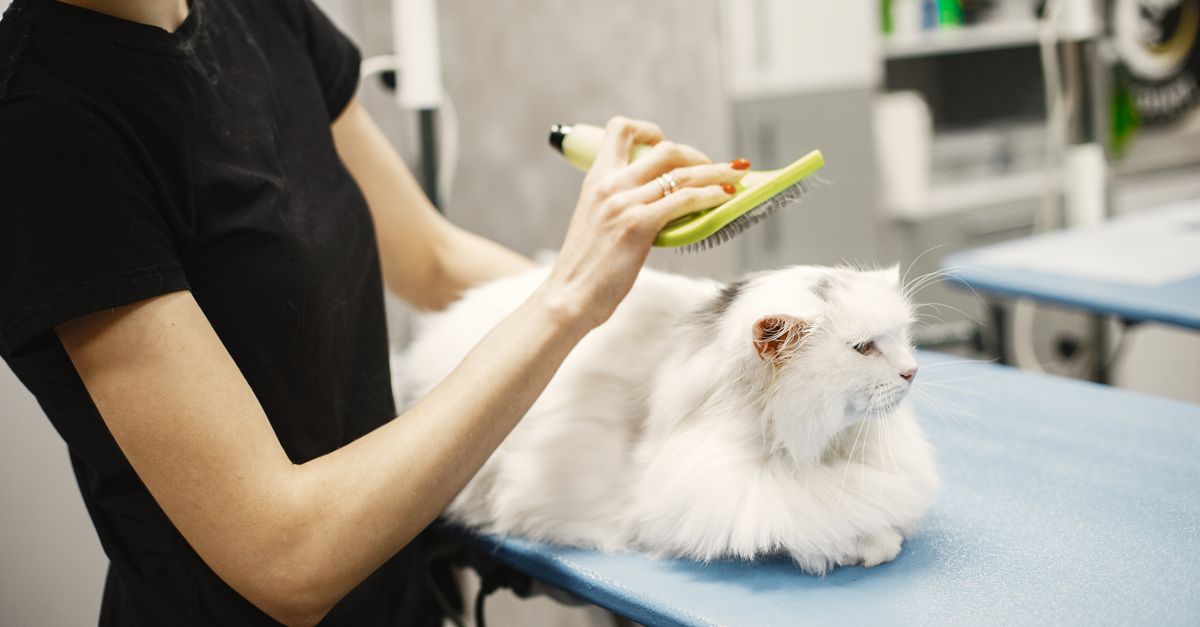
Essential Tools for Short-Haired Cats
Using the wrong brush can scratch your cat’s sensitive skin, cause static electricity, or fail to reach the dense undercoat. Effective short-haired cat maintenance relies on a specific lineup of tools designed for tight, short hair shafts and delicate skin.
- Rubber Curry Brushes: The absolute gold standard for short coats. Flexible rubber nubs massage the skin, stimulate blood flow, and act like a magnet for loose dead hair.
- Medium-Tooth Metal Combs: Excellent for checking the efficacy of your brushing sessions and catching small tangles behind the ears or along the thighs.
- Microfiber Grooming Mitts: Great for finishing passes that capture lingering surface dander and give the coat a polished sheen.
- Slicker Brushes (Use with Caution): While popular, standard wire slickers can easily scratch thin feline skin if pressed too hard. If used, choose a brush with coated tips and apply zero downward pressure.
When curating your grooming kit, avoid generic dog brushes with wide teeth or harsh metal pins unless specifically rated for feline use. Cats have remarkably thin, pliable skin compared to dogs, meaning that improper tool selection can quickly turn a bonding session into an unpleasant experience that your cat will actively try to avoid in the future.
It is also worth investing in high-quality grooming tools that are easy to clean and sanitize between sessions. Rubber curry brushes can be rinsed under warm water with mild soap, while metal combs should be wiped down to prevent oil and dander buildup. Keeping your tools in pristine condition ensures they perform effectively and prevents the transfer of bacteria or debris onto sensitive feline skin during subsequent brushing routines.
Step-by-Step Rubber Curry Brush Techniques
Technique matters far more than force when grooming a short-haired cat. Aggressive scrubbing will cause your cat to bolt and associate grooming with discomfort.
- Start with a Relaxed Cat: Choose a quiet time when your cat is naturally winding down, such as after a meal or an active play session.
- Begin at the Neck and Shoulders: Most cats enjoy being scratched around the head and neck. Use gentle, circular motions with the rubber curry brush to lift loose undercoat fibers.
- Move Along the Back and Flanks: Continue sweeping along the spine and down the sides using light, fluid strokes following the direction of hair growth.
- Pay Attention to Friction Zones: Spend extra care around the base of the tail, the collar area, and the flanks where loose hair accumulates rapidly.
- Finish with a Smoothing Pass: Use a damp washcloth or a microfiber mitt to sweep away any floating loose hairs resting on top of the guard coat.
Maintain a light touch throughout the process. The rubber nubs should glide effortlessly across the skin without depressing the muscle or bone underneath. If your cat leans into the brush or begins purring, you are using the exact right amount of pressure. Taking your time during this process ensures that your cat feels safe and relaxed.
If your cat shows initial hesitation, break the grooming session down into ultra-short micro-sessions lasting less than two minutes. Reward calm behavior immediately with praise or a small, high-value snack. Over time, gradually increase the duration of each session until you can comfortably complete a full pass over the entire body without causing distress or defensive posturing.
Managing Seasonal Coat Blowouts
Twice a year, indoor cats undergo a dramatic shedding event known as a coat blowout. During these transitional months, your routine maintenance must step up. Instead of a weekly five-minute brush, transition to daily short sessions lasting three to five minutes.
During a blowout, increase the frequency of your rubber curry sessions. If you notice clumps of loose hair lifting away in tufts, gently pinch and pull them away if they are entirely detached, but never yank on hair that is still anchored to the skin. Vacuuming your living spaces frequently during these periods also helps remove stray dander before it settles deep into carpets and soft furnishings.
It is also helpful to establish a staging area during blowouts. Grooming your cat on a rubber-backed mat or a designated towel catches the falling debris instantly, making cleanup effortless and keeping loose fur off your furniture and clothes. Staying ahead of a coat blowout prevents mats from forming in vulnerable areas like the armpits and hind legs.
During peak shedding seasons, environmental factors like temperature swings in your home can exacerbate hair loss. Keeping your indoor climate relatively stable minimizes the shock to your cat’s biological system. Combining consistent daily brushing with strategic home cleaning routines ensures that a seasonal blowout remains manageable rather than overwhelming your living space.
Desensitization Strategies for Sensitive Paws and Skin
Many cats tolerate back rubs but violently object when you touch their belly, tail, or paws. Desensitization is a slow training process designed to change your cat’s emotional response to grooming.
Start by pairing grooming tools with high-value treats. Let your cat sniff the brush while feeding them a lickable treat. Next, touch the brush to their shoulder for two seconds, immediately followed by praise and a treat. Gradually increase the duration and expand the touch zones over the course of several weeks. Never force a sensitive cat to endure a full grooming session if they show signs of overstimulation, such as twitching skin, flattened ears, or tail lashing.
Patience is paramount. If your cat pulls away, stop immediately and reset. Pushing through resistance teaches the cat that defensive behavior is required to stop the grooming process, which can make future sessions exponentially more difficult. Consistent, low-pressure exposure builds trust over time.
For particularly sensitive cats, clicker training can be an effective method to mark desirable calm behavior. By pairing the click sound instantly with a reward whenever the cat accepts touch on their hindquarters or flanks, you create a clear communication loop that accelerates the desensitization process. Always prioritize your cat’s emotional comfort over completing a grooming milestone in a single day.
Nutritional and Hydration Support for Coat Health
Healthy fur begins from the inside out. A dull, brittle coat that sheds excessively can often be linked to nutritional gaps. Ensure your cat’s diet features high-quality animal protein as the primary ingredient, along with balanced essential fatty acids like Omega-3 and Omega-6.
Omega-3 fatty acids, found in marine fish oils formulated for felines, support skin barrier function and reduce inflammation that can lead to excessive shedding and dander. Additionally, hydration plays a critical role. Cats have a notoriously low thirst drive. Incorporating wet food into their daily routine or utilizing a pet water fountain encourages adequate water intake, which keeps the skin supple and elastic, anchoring hair follicles more securely.
Consult your veterinarian before introducing any new supplements, as an excess of certain fat-soluble vitamins can cause toxicity or unbalance an already complete commercial feline diet.
Furthermore, evaluating your cat’s overall caloric intake and protein quality ensures their body has the raw building blocks required to produce strong, resilient hair keratin. Senior cats or cats with specific dietary sensitivities may require specialized veterinary diets tailored to support optimal skin and coat integrity throughout their adult lives.
Environmental Management for Dander and Loose Fur
Grooming your cat is only half the battle when managing household shedding. Environmental controls help capture airborne dander and stray hairs before they accumulate on your clothing and furniture.
Invest in an air purifier with a True HEPA filter and place it in the room where your cat spends the most time. Wash your cat’s bedding weekly in hot water to eliminate trapped oils and dander. For upholstered furniture, rubber pet hair removal tools or damp rubber gloves wipe away stubborn embedded hairs far more effectively than standard vacuums alone.
Maintaining moderate indoor humidity using a humidifier during dry winter months also prevents static electricity buildup during brushing, which often startles cats and ruins an otherwise calm grooming session.
Creating designated cat-free zones in certain areas of the home, such as bedrooms or formal dining spaces, can also provide relief for household members with mild allergies. Regularly laundering cushion covers, vacuuming with HEPA-equipped machines, and wiping down hard surfaces with microfiber cloths keeps environmental allergen accumulation to an absolute minimum.
Common Grooming Mistakes to Avoid
Even well-intentioned pet parents can make missteps that worsen shedding or damage their cat’s skin. Avoid these common pitfalls:
- Using Human Shampoos: Human skin has a different pH than feline skin. Bathing a cat with human soap strips natural oils, causing severe dryness and increased shedding.
- Over-Bathing: Most indoor short-haired cats rarely need a bath. Excessive bathing disrupts the skin microbiome.
- Applying Too Much Pressure: Metal tools pressed against thin skin lead to brush burn and defensive behavior.
- Skipping Consistency: Sporadic grooming sessions do nothing to stop the daily accumulation of loose undercoat.
Recognizing these pitfalls ensures your routine remains safe, effective, and free of unnecessary stress for both you and your feline companion.
Additionally, avoid using low-quality plastic grooming tools that can develop sharp burrs or generate intense static electricity. Inspect your brushes regularly for wear and tear, replacing any tool with damaged teeth or worn-out rubber nubs to protect your cat’s delicate skin from accidental scratches or irritation.
When Excessive Shedding Signals a Veterinary Issue
While seasonal shedding is entirely normal, sudden or localized hair loss can indicate an underlying medical problem. Consult your veterinarian if you observe bald patches, red or inflamed skin, constant scratching or over-grooming of specific areas, or a drastic change in coat texture.
Medical conditions such as feline hyperthyroidism, nutritional deficiencies, food allergies, ringworm, and parasitic infestations like fleas or mites can all mimic normal shedding while requiring targeted medical intervention. A thorough veterinary exam ensures your cat’s coat health is protected from the inside out.
Documenting when shedding spikes or taking clear photos of any skin changes can provide invaluable context for your veterinarian during diagnostic appointments.
Keeping a close eye on behavioral cues is equally important. If your cat begins excessively licking their abdomen, flanks, or tail base, it may indicate stress, pain, or dermatological discomfort rather than normal grooming behavior. Early veterinary consultation helps pinpoint the exact trigger, preventing minor skin issues from escalating into chronic health concerns.
Frequently Asked Questions About Short-Haired Cat Shedding
How often should I brush my short-haired cat? During normal periods, brushing once or twice a week is sufficient. During seasonal coat blowouts in spring and autumn, increase frequency to daily sessions lasting three to five minutes.
Can I use baby wipes on my cat’s coat to reduce dander? Unscented, hypoallergenic pet wipes can help remove surface dander between grooming sessions, but avoid using human baby wipes, which may contain ingredients toxic to cats if ingested during self-grooming.
Why is my short-haired cat shedding in clumps? Clumped shedding usually indicates a heavy seasonal blowout where dead undercoat is releasing all at once. Gently remove loose tufts with a rubber curry brush, but consult your vet if you notice raw or exposed skin underneath.
Do short-haired cats get hairballs? Yes, short-haired cats frequently swallow loose hair during grooming. While they may experience fewer severe hairballs than long-haired breeds, consistent brushing and proper dietary support remain vital for preventing digestive blockages.