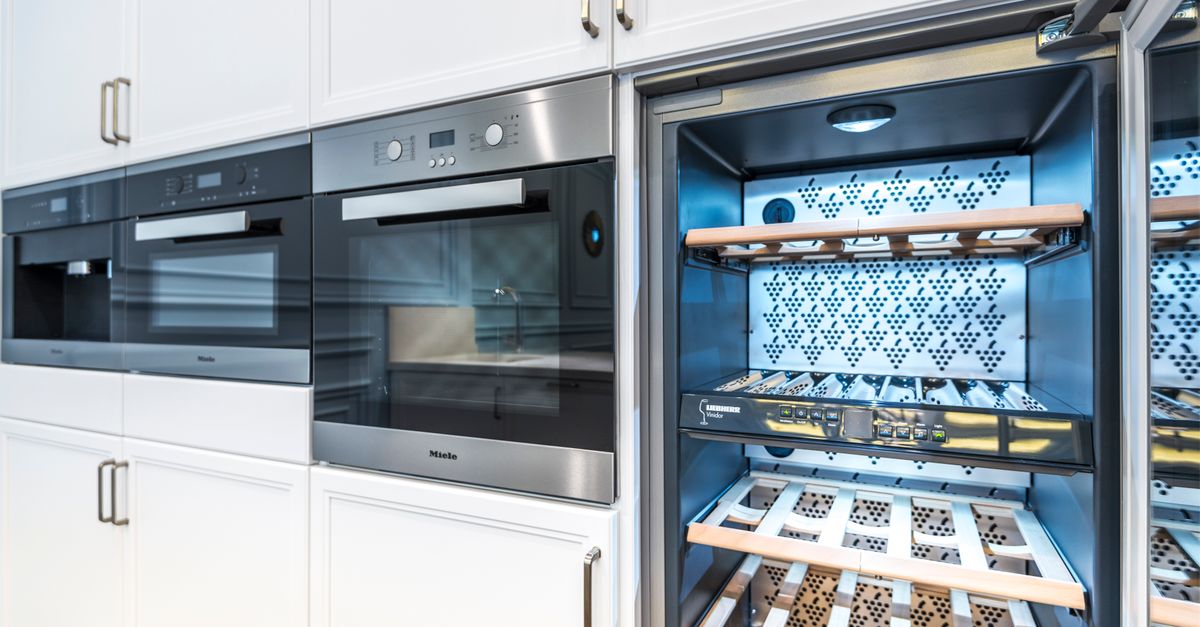
When investing in a high-end built-in wine refrigeration unit, you expect a pristine, self-contained environment designed to nurture delicate vintages over decades. Yet, many collectors are surprised to find a small, unassuming slot inside the cabinet housing a replaceable carbon cartridge. Executing proper wine cellar carbon air filter maintenance is one of those subtle operational chores that easily slips off the radar, leading many owners to wonder whether these charcoal inserts are essential engineering components or merely an expensive accessory.
To understand their true value, you have to look beyond the evaporator coils and digital thermostats. A wine fridge does not exist in a vacuum; it sits in your kitchen, pantry, or finished basement, exposed to fluctuating air quality, cleaning solvents, and cooking vapors. This guide breaks down the mechanics of sealed cooling systems, analyzes the real-world threat of odor taint, and provides a clear maintenance schedule for wine fridge odor filter replacement to protect your investment.
Over the lifespan of a fine wine collection, thousands of subtle environmental factors intersect to determine whether a bottle hits its prime or degrades prematurely. While humidity levels and temperature swings receive the lion’s share of attention from collectors, indoor air quality remains an equally critical pillar of proper storage physics. Understanding how air circulates within modern refrigeration units helps demystify why manufacturers build filtration ports directly into high-end appliance interiors.
How Sealed Cooling Loops and Cabinet Air Interact
A common misconception among wine collectors is that a factory-sealed cooling loop means the interior atmosphere is entirely isolated from the outside world. While it is true that the refrigerant circuit is hermetically sealed to prevent leaks and maintain precise thermodynamic cycles, the cabinet itself is not a hermetic bunker.
Every time you open the door to select a bottle, ambient air rushes into the compartment. Furthermore, built-in units rely on internal ventilation fans to circulate chilled air across multiple zones, ensuring even temperature distribution from top to bottom. This forced-air circulation continuously draws air across the contents of the cabinet. If that air carries microscopic volatile organic compounds (VOCs), those compounds will circulate relentlessly, coming into intimate contact with the corks and labels of your finest bottles over thousands of hours of storage.
Air exchange is a thermodynamic reality of any residential door opening cycle. Whenever the door is pulled open, warm, moisture-laden, and potentially odor-saturated air rushes in to displace the chilled air inside. The refrigeration unit’s compressor then works to cool this newly introduced air, condensing moisture onto the evaporator fins while forcing air through internal ducts. If these internal air paths lack an active filtration medium, any airborne contaminants remain trapped within the closed loop, cycling past your bottles indefinitely until the next door opening cycle introduces fresh dilution.
The Physics of Activated Charcoal: What Filters Can and Cannot Do
Activated carbon—often referred to as activated charcoal—is processed to create a vast network of microscopic pores, giving it an enormous surface area relative to its physical size. A single gram of activated carbon can have a surface area exceeding several hundred square meters. This structural property makes it exceptionally effective at adsorption, a process where gas or liquid molecules adhere to the surface of the carbon.
In a wine refrigeration application, the carbon filter targets airborne impurities such as:
- Strong culinary odors from nearby cooking, baking, or open-plan kitchens.
- Chemical off-gassing from cabinetry adhesives, new construction, or household cleaning supplies.
- Mold spores and musty basement odors that might otherwise find a foothold in high-humidity microclimates.
- Volatile organic compounds released by stored goods, cardboard cases, or wooden shelving.
However, it is equally important to understand what a carbon air filter cannot do. It does not regulate humidity, it does not kill bacteria on contact, and it cannot reverse spoilage once oxidation has occurred. Its sole job is to scrub the circulating air of foreign molecules before they can interact with your collection.
Adsorption is fundamentally different from absorption. While absorption involves a substance permeating the bulk of another material (like a sponge soaking up water), adsorption is strictly a surface phenomenon. The microscopic labyrinth of pores within activated carbon captures gas molecules via van der Waals forces. Because these bonding sites are finite in number, every filter has a strict capacity limit. Once every available pore is occupied, the filter reaches saturation and loses its efficacy entirely, highlighting why periodic replacement is non-negotiable for dedicated collectors.
Evaluating the Risk: Do You Actually Need a Carbon Filter?
Whether you strictly need a dedicated carbon filter depends heavily on where your wine refrigeration unit is installed and how you utilize the surrounding space. Consider your specific storage environment against these common scenarios:
Free-Standing Cellars in Clean Basements: If your cooling unit sits in a dedicated, low-traffic basement room far away from kitchens, paint fumes, and household chemicals, the ambient air quality is naturally stable. In these environments, the risk of external odor taint is minimal, and some collectors successfully stretch filter replacement intervals or operate without issue if the manufacturer design permits.
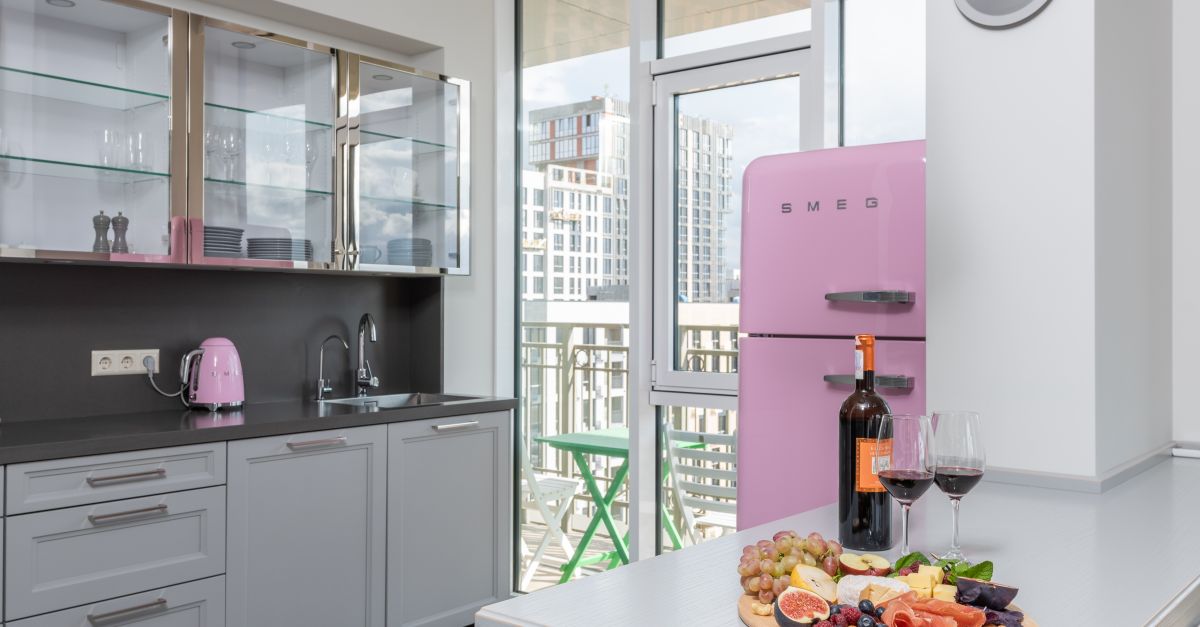
Built-In Units in Modern Kitchens: If your wine cooler is integrated directly beneath a kitchen island or flanked by cabinetry near a gas range, the exposure profile changes dramatically. Kitchens generate constant airborne grease, heavy aromatic compounds from spices and onions, and harsh chemical residues from daily countertop sanitation. In this setting, a functioning carbon filter is not optional if you want to prevent flavor migration.
Assessing your risk profile requires an honest appraisal of household habits. Do you frequently sear meats or fry foods in an open-plan kitchen? Do you store cleaning supplies in adjacent under-counter cabinets? Are there ongoing home renovation projects generating dust, paint fumes, or adhesive off-gassing nearby? Each of these factors accelerates carbon saturation and increases the likelihood that unfiltered air will negatively impact your stored bottles.
The Threat of Odor Taint and Cork Contamination
The primary fear driving obsessive air filtration is cork permeability. Natural cork is an elastic, porous material. While tight seals protect wine from direct liquid leakage, natural corks allow minute gas exchanges over years of aging. This slow oxygen permeability is vital for complex red wines to mature gracefully, but it cuts both ways.
If the air surrounding the bottle is saturated with strong ambient odors, those volatile molecules can slowly migrate through the porous cork structure over months or years. While it is rare for a wine to taste explicitly like garlic or detergent from ambient exposure, subtle aromatic profiles can be dulled or tainted, masking delicate tertiary notes of aged fruit, leather, and earth. Furthermore, robust molds or musty odors in poorly ventilated spaces can lead to undesirable sensory degradation, making preventative air filtration a vital safeguard for long-term cellaring.
Cork taint is most commonly associated with trichloroanisole (TCA), a chemical compound resulting from interactions between naturally occurring fungi in cork bark and chlorine-based compounds. While carbon filters do not cure pre-existing TCA locked inside a natural cork, maintaining an odor-free internal cabinet prevents external environmental compounds from compounding sensory flaws or introducing secondary taints that can ruin an expensive tasting experience.
Recognizing When It Is Time for a Replacement
Unlike water filters that often slow to a trickle when exhausted, or HEPA filters that visibly discolor with trapped dust, activated charcoal filters do not offer an obvious visual cue when they reach capacity. Once the microscopic adsorption sites within the carbon matrix are fully occupied, the filter simply stops working, allowing ambient odors to pass right through.
Most major appliance manufacturers recommend replacing built-in wine cooler air quality filters every 6 to 12 months. However, your actual replacement schedule should be guided by environmental stressors:
- High-Traffic Kitchens: Replace every 6 months due to heavy exposure to cooking oils, steam, and household cleaners.
- Dedicated Wine Rooms or Pantries: Replace every 12 months, as ambient air contamination is significantly lower.
- Post-Remodeling Environments: If you have recently painted, installed new floors, or done kitchen renovations, replace the filter immediately afterward, as airborne VOCs exhaust charcoal very rapidly.
Establishing a calendar reminder or tying filter changes to daylight saving time changes ensures you never lose track of replacement intervals. Ignoring this schedule risks letting a depleted filter sit silently in your appliance, offering a false sense of security while ambient kitchen vapors slowly degrade your collection’s aromatic profile.
Step-by-Step Guide to Replacing Your Wine Fridge Carbon Filter
Replacing a carbon air filter is a straightforward maintenance task that requires no tools and takes less than two minutes. However, because interior layouts vary by manufacturer, you should always consult your specific owner’s manual before proceeding.
- Locate the Filter Housing: In most built-in and under-counter models, the carbon filter is housed in a small circular or rectangular grille located on the upper interior ceiling or back wall of the cabinet.
- Remove the Old Cartridge: Twist or pull the housing cover open, depending on the manufacturer’s latch design. Carefully slide out the old charcoal canister or pad.
- Inspect the Housing: Wipe away any accumulated dust or condensation around the port using a clean, dry microfiber cloth. Avoid using scented cleaning sprays inside the cabinet.
- Install the New Filter: Unwrap the replacement filter (ensure any protective plastic wrapping is fully removed) and slide it firmly into the housing until it clicks or seats securely.
- Reset Maintenance Indicators: Many modern units feature a digital reminder light on the control panel. Press and hold the designated filter reset button for three to five seconds to clear the alert cycle.
Taking your time during this quick swap ensures you do not damage fragile plastic latches or dislodge internal wiring harnesses. Always inspect the new filter packaging to verify it matches your unit’s exact part number before installation.
Common Maintenance Mistakes to Avoid
Even conscientious collectors occasionally fall into traps that undermine their air quality management efforts. Avoid these frequent missteps:
Using Unapproved Generic Filters: While third-party replacement cartridges are often cheaper, verify that they match the exact dimensions and airflow specifications of your unit. Ill-fitting filters can allow air to bypass the charcoal matrix entirely, rendering them useless.
Forgetting to Remove Plastic Packaging: It sounds basic, but new carbon filters are frequently shipped in sealed plastic sleeves to preserve freshness in the box. Popping a wrapped filter directly into the unit blocks airflow completely.
Relying Solely on Baking Soda: While open boxes of baking soda are a classic refrigerator trick for food leftovers, they do not offer the targeted VOC adsorption capacity required for long-term fine wine preservation, nor do they fit neatly into designated internal airflow slots.
Avoiding these pitfalls guarantees that your air filtration system operates at peak efficiency, protecting your vintages without introducing secondary complications or blocking essential airflow channels inside the cooling cabinet.
Balancing Multi-Zone Climate Control and Air Purity
Multi-zone wine coolers introduce an extra layer of complexity. With separate compartments for chilled white wines and warmer reds, internal fans work overtime to maintain distinct thermal boundaries. If a single compartment houses odorous items—such as non-wine foodstuffs, though this is generally discouraged—the shared airflow can cross-contaminate zones.
While fine wine should ideally occupy its own dedicated refrigeration unit free of cheese, produce, or leftovers, reality often dictates otherwise. In mixed-use or multi-zone environments, maintaining a fresh carbon filter is your primary line of defense against cross-contamination, ensuring that the aromatic integrity of each bottle remains uncompromised.
Multi-zone units manage disparate temperatures by cycling air across multiple evaporator zones, which can sometimes create localized pressure differentials. A clean, unobstructed carbon filter helps normalize airflow dynamics across these zones, ensuring that volatile compounds released in one section do not concentrate in another during temperature stabilization cycles.
Conclusion
So, do built-in wine refrigeration units genuinely require dedicated charcoal carbon air filters? For collectors storing high-value bottles in active living spaces, the answer is a definitive yes. While a sealed cooling loop protects the wine’s temperature and humidity, it cannot stop ambient kitchen vapors, household chemicals, and VOCs from infiltrating the cabinet every time the door opens. By adhering to a consistent replacement schedule every 6 to 12 months, you secure a reliable defense against taint, protect the delicate aging process, and safeguard your investment for years to come.