When you live in an apartment, managing laundry day often requires creative solutions. If your building lacks hookups in the unit, bringing in a compact appliance is a common fix. However, before purchasing a compact unit, understanding portable washing machine electrical requirements will save you from blown fuses, tripped breakers, and frustrating installation hurdles.
Many renters worry that plugging a motor-driven water appliance into a standard wall socket will overload their apartment’s electrical grid. Fortunately, standard 120V household branch circuits suffice for the vast majority of portable washing machines. Unlike full-size laundry centers or electric dryers that demand heavy-duty 240V lines, compact washers are designed to integrate seamlessly with normal residential power.
This guide analyzes the electrical demands of compact portable washers versus full-size laundry systems, exploring amperage draws, plug types, and safe circuit management for apartment renters.
Understanding Standard 120V Household Circuits
In standard North American residential construction, regular wall outlets deliver 115 to 120 volts of alternating current. These outlets are wired to branch circuits protected by circuit breakers rated typically for 15 or 20 amps. Most everyday electronics, from kitchen microwaves to living room television sets, rely on this exact infrastructure.
Portable washing machines are purposefully engineered to operate within these standard electrical parameters. Because they are smaller, use less water, and wash smaller load capacities than commercial or full-size residential units, their internal motors and water pumps draw significantly fewer amps. A typical portable washer operates well within the limits of a standard 15-amp or 20-amp branch circuit, making dedicated wiring unnecessary.
Furthermore, residential electrical codes dictate how these circuits are distributed throughout a rental unit. Understanding your apartment’s electrical map helps you safely integrate a new compact washing machine without disrupting your daily routine or risking damage to sensitive household electronics.
In standard building architecture, a single 15-amp circuit often supplies power to multiple outlets in a bedroom, living area, or hallway. Meanwhile, modern kitchens and bathrooms feature dedicated 20-amp circuits specifically designed to handle localized high-draw appliances like blenders, coffee makers, and hair styling tools. When planning your compact laundry setup, recognizing how these circuits interconnect across your living space allows you to strategically place your appliance where electrical load is lowest.
Portable Washer Power Draw and Amperage Explained
To determine if your apartment outlet can handle a compact washer, you need to look at power draw. Wattage measures the total electrical power an appliance consumes, while amperage measures the electrical current flowing through the circuit. You can calculate amps by dividing watts by volts.
Most portable washing machines draw between 200 and 500 watts during normal operation. When calculating current on a standard 120V circuit, a 500-watt appliance draws roughly 4.2 amps. Even during peak operational cycles—such as motor agitation or water draining—the power draw rarely exceeds 10 amps. This leaves plenty of headroom on a standard 15-amp circuit, which can safely deliver up to 1,800 watts continuously without tripping the breaker.
Examining motor start-up surges is also essential. When the internal agitator or pump first engages, it may experience a brief instantaneous spike in electrical draw. However, because portable washers utilize much smaller fractional horsepower motors than full-size units, this startup surge is exceptionally mild and well within the safety parameters of standard household wiring.
To put this in perspective, consider how household electrical capacity is measured. A standard 15-amp, 120-volt circuit has a theoretical maximum capacity of 1,800 watts (15 amps multiplied by 120 volts). However, National Electrical Code (NEC) guidelines recommend limiting continuous loads on standard branch circuits to 80% of their maximum capacity to prevent overheating and premature breaker fatigue. This safe working threshold is 1,440 watts for a 15-amp circuit and 1,920 watts for a 20-amp circuit. Because a typical portable washer maxes out around 500 watts even under heavy load, it consumes only about one-third of your circuit’s safe continuous working capacity, leaving ample margin for auxiliary devices.
The 120V Washing Machine Plug and Dedicated Circuit Rules
A standard 120V washing machine plug features a familiar two-prong or three-prong grounded configuration, matching the standard NEMA 5-15 R receptacles found in almost every room of a modern apartment. You do not need an electrician or a specialized wall plate to plug in a portable washer.
However, while portable units do not require a dedicated circuit in the way large appliances do, you must still consider what else shares that circuit. Standard apartment circuits often power multiple outlets across a bedroom, bathroom, or kitchen wall. If your portable washer shares a 15-amp circuit with a high-draw appliance like a hair dryer, toaster, or portable heater, you risk exceeding the circuit’s total capacity and tripping the breaker.
Rented spaces often feature older wiring in historical buildings where multiple rooms are wired to a single 15-amp breaker. In these scenarios, mapping out your apartment’s circuits prior to plugging in your washer prevents unexpected power outages while your machine is midway through a spin cycle.
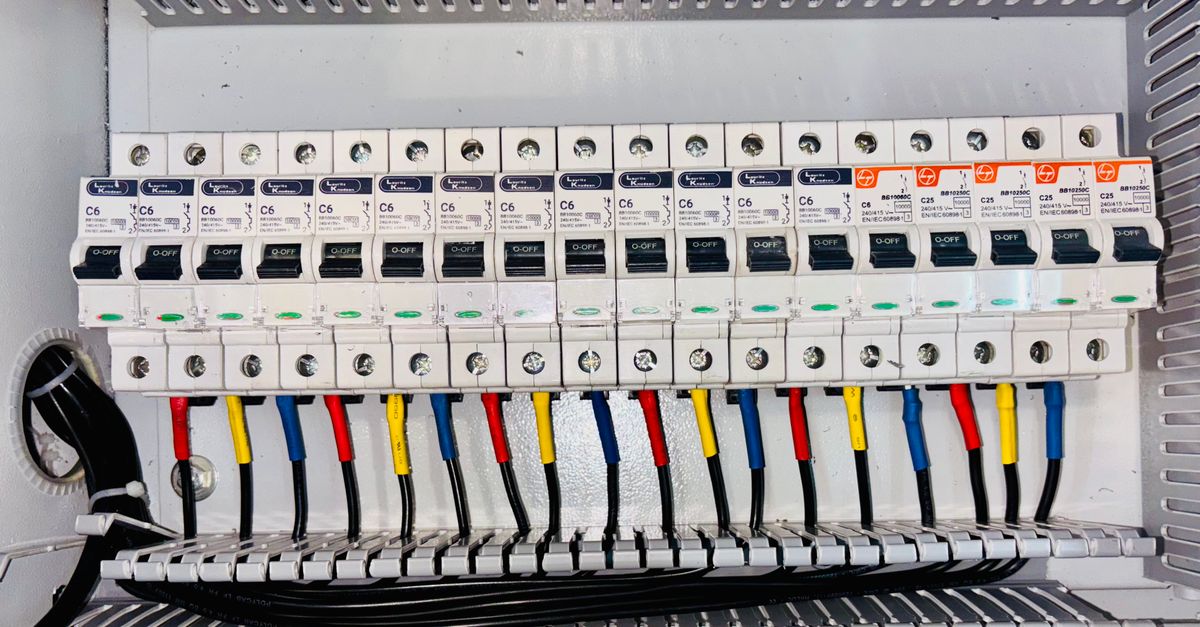
To map your circuits effectively, perform a simple test with a partner or a plug-in circuit analyzer. Turn on a lamp in one room, then head to your apartment’s breaker panel and flip breakers off one by one until the lamp turns off. Labeling these breakers with masking tape or a printed directory inside the panel door provides long-term clarity. When running your portable washer, ensure that no other heavy-load appliances are operating on that same specific breaker loop.
Comparing Compact Portable Washers to Full-Size Laundry Centers
The electrical requirements change dramatically when moving from portable appliances to full-size laundry centers or stacked units. Standard American laundry centers combine a clothes washer and an electric clothes dryer into a single chassis or side-by-side configuration.
While the washing portion of a full-size unit often runs on standard 120V power, the electric heating element in a standard dryer requires a massive amount of energy. Electric dryers typically require a 240V circuit capable of delivering 30 amps. This requires a heavy-duty four-prong receptacle and thick-gauge wiring running directly from your apartment’s main electrical panel.
Apartment buildings that lack pre-installed 240V dryer hookups cannot easily accommodate full-size electric laundry centers without expensive electrical upgrades—modifications that landlords rarely approve for individual tenants. Ventless condensing dryers offer a partial workaround by plugging into 120V lines, but they still require careful power management compared to dedicated portable washers.
Understanding the fundamental difference between motor-driven washing action and resistance-heat drying clarifies why full-size appliances demand 240V service. A standard washing machine primarily uses electricity to power an electric motor and control board, consuming minimal power. A clothes dryer, conversely, forces high-amperage electrical current through heavy resistance coils to generate intense heat. That heating process demands double the standard voltage (240V instead of 120V) to deliver enough wattage efficiently without melting standard wall wiring.
Evaluating Your Apartment’s Electrical Infrastructure
Before bringing home a portable washing machine, take time to inspect the room where you plan to operate it. Bathrooms and kitchens are the most common locations due to direct access to water supply lines and sink drainage.
Kitchens and bathrooms in modern US apartments are subject to National Electrical Code (NEC) guidelines requiring Ground Fault Circuit Interrupter (GFCI) protection for outlets near water sources. Plugging a portable washer into a GFCI-protected outlet is safe and recommended, as these outlets immediately cut power if an electrical ground fault is detected, protecting you from shock.
Check the label on the back of the washer or review the manufacturer manual to verify the exact electrical specifications. Match the stated wattage and amperage against your circuit’s rating to ensure safe operation.
In addition to checking GFCI functionality, inspect the physical condition of the wall receptacle itself. If the outlet faceplate is loose, cracked, or shows discoloration and scorch marks around the slots, do not plug your appliance in. Loose electrical contacts inside worn-out wall receptacles create high resistance connections, which generate localized heat under continuous electrical loads and pose a serious fire hazard. Report faulty outlets to your landlord or property management office for immediate replacement by a licensed electrician before connecting any motorized appliance.
Common Electrical Mistakes and Safety Best Practices
Even though portable washers have modest electrical requirements, improper setup can create safety hazards. Avoid these common mistakes when installing your compact laundry setup:
- Using Light-Duty Extension Cords: Never plug a portable washing machine into a thin, ungrounded household extension cord. Motors draw startup surges that can overheat light-duty cords and cause electrical fires. If you must use a cord, select a heavy-duty, grounded appliance extension cord rated for outdoor or heavy indoor use.
- Overloading Shared Circuits: Running your washer on the same circuit as heavy heating or cooling appliances can trip breakers repeatedly. Plug the washer into an unburdened outlet whenever possible.
- Ignoring Water and Electricity Proximity: Always keep power cords and wall outlets dry. Ensure the washer drain hose is securely fastened to prevent splashing water near floor outlets or power strips.
Furthermore, never attempt to bypass safety mechanisms or modify appliance plugs to fit non-compatible wall outlets. If a portable washing machine features a three-prong grounded plug, it must be inserted directly into a properly grounded three-hole receptacle. Using cheap cheater adapters that eliminate the grounding prong compromises the primary defense against electrical shock, particularly in damp environments like apartment kitchens and bathrooms.
Analyzing Additional Load Factors in Shared Apartments
Living in a multi-family rental building introduces unique electrical variables that go beyond your specific unit’s walls. Older apartment complexes often feature centralized electrical panels with limited overall amperage capacity distributed across multiple apartments. When multiple tenants run heavy appliances simultaneously during peak evening hours, subtle voltage drops can occur.
While a voltage drop rarely prevents a portable washer from operating, it can cause the internal motor to work slightly harder to maintain drum rotation speed. Ensuring your portable washer is plugged directly into a wall receptacle rather than a daisy-chained power strip helps mitigate voltage drop issues and guarantees consistent operational efficiency.
Understanding building-wide electrical capacity is also helpful when residing in vintage walk-up apartments constructed before the mid-20th century. These buildings often relied on knob-and-tube wiring or early non-grounded Romex cables that degrade over decades. If your apartment building has not undergone a comprehensive electrical modernization, running motorized appliances requires heightened vigilance. Pay close attention to how your apartment responds when the washer initiates its high-speed spin cycle. Dimming lights or buzzing sounds from nearby wall switches indicate an overloaded or aging circuit that warrants professional inspection.
Understanding Grounding and Surge Protection
Because portable washing machines combine water handling with high-speed motorized components, robust grounding is essential for personal safety. Standard three-prong 120V plugs feature a dedicated grounding pin designed to divert stray electrical currents safely into the building’s earth ground system in the event of an internal component failure.
If your apartment features older two-prong ungrounded outlets, you should never use a cheap adapter plug without securing the ground tab to the cover plate screw—and ideally, you should consult your landlord or an electrician before operating any water-using appliance on ungrounded circuits. Furthermore, utilizing a quality surge protector with an integrated clamping voltage rating can safeguard your washer’s digital control board against unexpected power surges or grid fluctuations.
Surge protection is particularly valuable in urban apartments where transformer switching, severe weather, or heavy industrial equipment nearby can send transient voltage spikes through local utility lines. Compact washers rely on solid-state control boards and digital timing microchips to manage wash cycles. A dedicated surge protector rated for appliances absorbs these transient spikes, protecting sensitive internal electronics from premature failure without altering the normal operating amperage of the circuit.
Navigating Lease Agreements and Landlord Policies Regarding Appliances
Before purchasing and installing a portable washing machine, thoroughly review your apartment lease agreement regarding auxiliary in-unit appliances. Many rental contracts contain specific clauses concerning water-using appliances, portable dishwashers, and washing machines to protect property owners from liability related to water leaks and accidental flooding.
Even though portable washing machines connect temporarily to sink faucets and drain into basins, some landlords maintain strict rules against unapproved hookups due to potential humidity buildup, mold risks, or plumbing strain. Open communication with your property manager ensures compliance with building policies and prevents friction. Presenting details about your compact machine’s low water consumption, secure faucet adapters, and electrical safety features can often reassure hesitant landlords that the appliance operates safely within standard apartment parameters.
Troubleshooting Breakers: What to Do When Your Apartment Circuit Trips
Even with careful planning, unexpected power disruptions can happen. If your apartment circuit breaker trips while your portable washing machine is running, do not panic. Follow a structured troubleshooting process to identify the root cause and restore power safely:
- Stop and Reset: Unplug the portable washing machine immediately from the wall outlet to isolate the appliance from the circuit.
- Inspect the Panel: Locate your apartment breaker panel and look for the switch that has flipped to the middle position or the “OFF” marker. Firmly push the breaker switch completely to the “OFF” position to reset its internal mechanical latch, then flip it back to the “ON” position.
- Audit the Circuit Load: Check what other devices were operating on that same circuit when the breaker tripped. Did someone turn on a microwave, hair dryer, or vacuum cleaner in an adjoining room?
- Test the Appliance: Plug the washer into a different, known working circuit in a separate room using a heavy-duty extension cord temporarily. If the machine runs without tripping the breaker, the issue was simply an overloaded shared circuit rather than an internal short in the washer. If the machine instantly trips multiple independent circuits, unplug it permanently and contact the manufacturer for warranty service.
Frequently Asked Questions About Apartment Portable Washer Power
Do portable washers require specialized 240V outlets?
No. Standard portable washing machines are designed exclusively for standard 120V household outlets and operate safely on normal 15-amp or 20-amp branch circuits.
Can I plug my portable washer into an extension cord permanently?
It is strongly discouraged. Permanent reliance on extension cords increases electrical resistance, risks overheating, and violates fire safety codes in many rental communities. Always plug the machine directly into a wall receptacle.
What should I do if my apartment only has two-prong ungrounded outlets?
Consult your landlord before operating any water-using appliance on ungrounded circuits. Using ungrounded equipment near water sources creates an unacceptable electric shock hazard.
Making Your Final Decision
Understanding portable washing machine electrical requirements removes the guesswork from apartment laundry shopping. Because compact washers operate safely on standard 120V household circuits with low amperage draws, you can enjoy the convenience of in-unit washing without rewiring your living space or investing in specialized 240V infrastructure. By respecting circuit load limits and avoiding substandard extension cords, you can set up a reliable, efficient laundry station in almost any rental home.