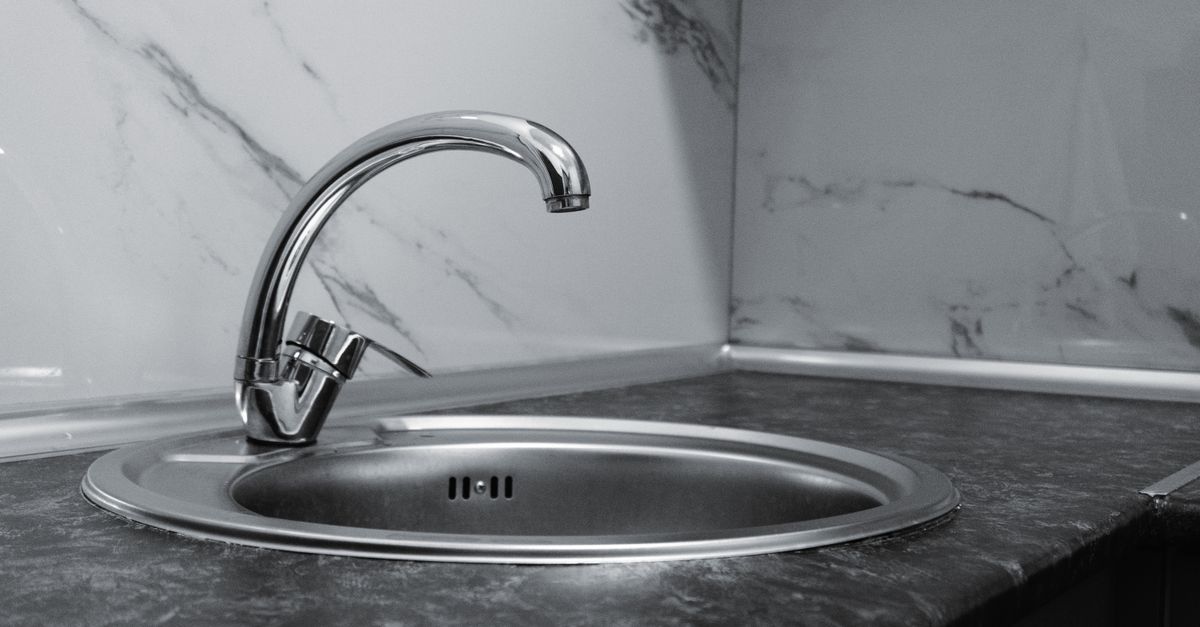
If you drink tea, French press coffee, or oatmeal every morning, you have likely stood in your kitchen wondering how best to heat your water. Traditional stovetop kettles give way to sleek electric models, while modern kitchen designs frequently feature dedicated under-sink systems that deliver near-boiling water the moment you pull the lever. Yet convenience always comes with a running cost. To understand true instant hot water dispenser energy use, you have to look beyond the wattage printed on the specification sheet and examine how these appliances actually consume electricity across twenty-four hours of daily life.
The central debate pits continuous standby power against intermittent high-draw heating cycles. An under-sink tank acts like a miniature water heater tucked inside your kitchen cabinet, keeping a small reservoir of water hot around the clock. An electric kettle, by contrast, sits completely dormant until you flip the switch, pulling a massive amount of power for a few minutes before shutting off entirely. Deciding which appliance belongs in your home depends heavily on your household’s daily consumption patterns, your sensitivity to standby electrical loads, and how much you value having steaming water instantly available.
Understanding this appliance dynamic requires a clear look at modern kitchen engineering. In an era where homeowners increasingly scrutinize every kilowatt-hour consumed by smart refrigerators, induction cooktops, and HVAC systems, specialized single-task appliances deserve the same rigorous financial and thermodynamic evaluation. Let us dive deep into the mechanics, operational costs, and practical realities of both options to help you determine which system best fits your household habits.
How Under-Sink Instant Hot Water Dispensers Work
An under-sink instant hot water system consists of three primary components: a small storage tank (typically holding between two thirds of a gallon to one gallon), a heating element nestled inside that tank, and a specialized faucet mounted on your countertop. Once installed and plugged into a standard under-sink electrical outlet, the system fills with water and brings it up to a preset temperature, usually between 190 degrees Fahrenheit and 200 degrees Fahrenheit.
To maintain this near-boiling state without letting the water boil away or freeze over, a built-in thermostat cycles the internal heating element on and off throughout the day and night. When you activate the dispenser handle, fresh cold water enters the bottom of the tank to replace the hot water drawn out, prompting the heating element to fire up and restore the reservoir’s temperature. Because the tank is insulated, it does not run constantly, but it does consume energy passively even when your kitchen is completely dark and empty.
Furthermore, these tanks operate under atmospheric or low pressure depending on the specific design, often incorporating an expansion chamber or an open-vent faucet configuration to prevent pressure buildup as water heats and expands. This mechanical complexity means that installation involves not just electrical considerations, but also plumbing connections, supply line sizing, and often an inline filtration system to protect the internal components from premature scale accumulation.
Understanding Electric Kettle Operation and Efficiency
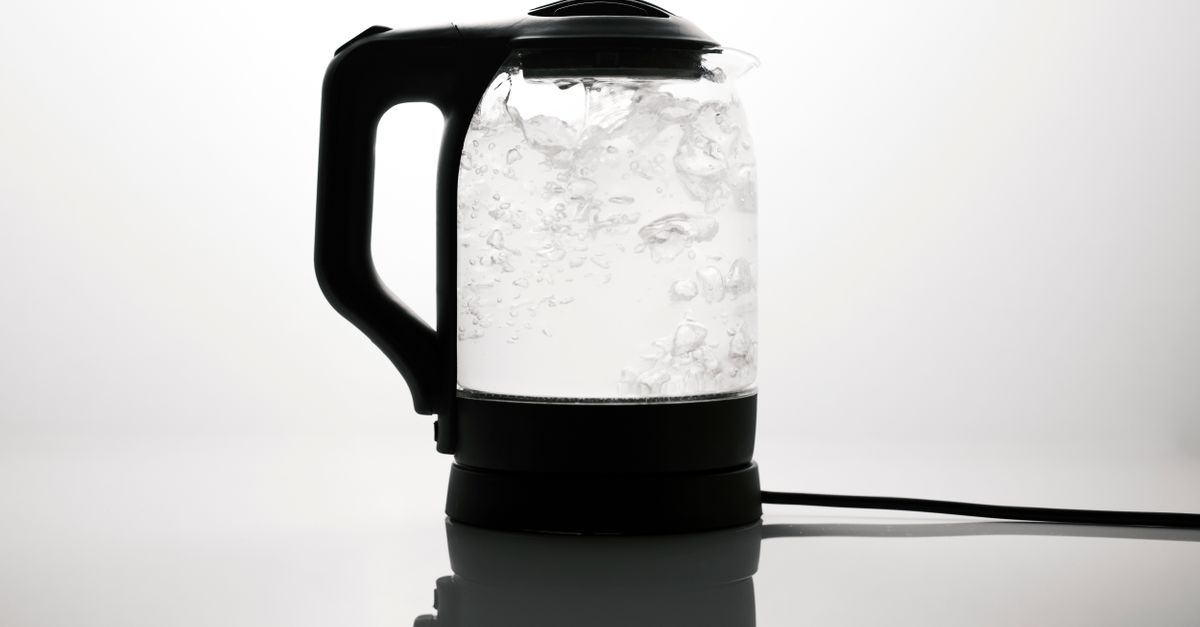
Electric kettles operate on a completely different principle. These portable appliances rely on high-wattage exposed or enclosed heating elements at the base of a pitcher to bring water to a rolling boil rapidly. Most standard countertop electric kettles draw between 1,500 and 1,800 watts, which is comparable to the power draw of a heavy-duty hair dryer or microwave oven.
Despite this high instantaneous wattage, an electric kettle runs for a remarkably short duration. Bringing a full liter of cold tap water to a boil typically takes between three and five minutes. Once the water reaches boiling point, an automatic internal steam switch trips, cutting power to the unit completely. Once finished, the kettle draws exactly zero watts of electricity until the next time you fill it and press the power button. This makes electric kettles exceptionally efficient from a thermodynamic standpoint, as you only pay to heat the exact volume of water you intend to use right then.
Modern electric kettles also feature advanced engineering enhancements such as double-walled stainless steel or glass construction, which acts like a thermal thermos. This prevents the outer shell from becoming dangerously hot to the touch and helps retain internal water temperature much longer if you happen to walk away and return ten minutes after the boil cycle finishes. Variable-temperature kettles allow users to select precise heating targets—such as 175 degrees Fahrenheit for delicate green teas or 200 degrees Fahrenheit for pour-over coffee—further reducing energy expenditure by avoiding unnecessary full-rolling boils.
The Core Comparison: Standby Power Versus Demand Power
Comparing the energy profile of these two appliances requires analyzing two distinct types of electrical consumption: standby power draw and active heating power draw. Standby power, often referred to as vampire load or idle draw, is the electricity consumed by an appliance simply to stay ready for action. Active power draw is the electricity consumed while actively doing the work of raising water temperature.
An under-sink instant hot water dispenser has a relatively modest active heating element—usually around 750 to 1,300 watts—which is slightly lower than a fast electric kettle. However, the under-sink unit incurs a continuous standby penalty. Depending on the quality of the tank insulation, ambient kitchen temperatures, and how frequently the thermostat cycles, a typical instant hot water tank consumes between 0.5 and 1.5 kilowatt-hours of electricity every twenty-four hours just sitting idle. Over the course of a year, that standby draw alone can add up significantly, regardless of whether you draw a single cup of hot water or fifty.
To put this into perspective, a constant standby pull of roughly 30 to 50 watts of average hourly maintenance energy means the tank kicks on dozens of times daily purely to combat thermal loss through the cabinet walls. In air-conditioned homes during the summer, this idle heat loss also slightly increases your home cooling load, adding a minor secondary penalty to your utility bill that rarely appears in direct appliance specifications.
Analyzing Daily Household Usage Habits
The math behind instant hot water dispenser energy use shifts depending entirely on how often your household actually needs hot water. If you work from home and brew tea, instant oatmeal, or pour-over coffee four, six, or ten times throughout the day, the usage profile begins to favor the convenience of an always-hot reservoir.
When you use an electric kettle ten times a day, you are constantly reheating the kettle, running a 1,500-watt appliance for three minutes per cycle, which adds up to thirty minutes of high-wattage operation daily. Meanwhile, a standby tank is already hot, so drawing water simply requires replacing that specific volume with incoming tap water and briefly topping off the heat. In a heavy-use household, the energy gap between standby losses and frequent kettle boiling narrows considerably. Conversely, if your home is empty all day and you only boil water twice in the evening, the standby tank continues drawing electricity for twenty-two idle hours for no functional purpose, making the electric kettle vastly more efficient.
Consider a busy family with multiple remote workers, school-aged children making instant cocoa, and avid tea drinkers. In such a dynamic environment, hot water is drawn continuously from morning until late night. For these households, an under-sink system eliminates the friction of filling, waiting, and resetting a countertop kettle, transforming kitchen workflow while keeping the energy penalty spread across dozens of productive uses.
Factoring in Tank Capacity and Insulation Quality
Not all under-sink water systems are created equal. Modern premium units feature dense foam insulation surrounding the stainless-steel or titanium inner tank, which dramatically reduces standby heat loss. Older or budget models may feature thinner insulation, causing the internal thermostat to trigger the heating element much more frequently to combat thermal bleeding into the surrounding cabinet space.
Tank capacity also plays a critical role. A smaller two-thirds-gallon tank loses less heat to its environment than a bulky full-gallon tank simply due to surface area physics. However, smaller tanks run out of hot water faster during heavy use, forcing the heating element to work harder to recover. When shopping for or evaluating these appliances, checking the manufacturer’s stated standby energy consumption—often measured in watt-hours per day—is essential for predicting your actual utility impact.
Furthermore, cabinet microclimates matter. If your under-sink cabinet houses hot water supply pipes or sits immediately adjacent to a dishwasher or oven housing, the ambient temperature inside that cabinet remains elevated. Higher ambient temperatures reduce the rate of heat loss from the tank, marginally lowering standby energy draw, though this must be weighed against potential humidity and ventilation concerns within cramped kitchen joinery.

Water Volume Waste and Efficiency Realities
Beyond electrical wattage, efficiency involves water volume management. Many consumers do not realize that under-sink instant hot water dispensers can sometimes encourage water waste or introduce unique plumbing inefficiencies. For instance, when you turn on an instant hot water tap, water travels through a flexible supply line from the tank under the sink up to the faucet.
In contrast, an electric kettle requires you to measure out your water precisely into a vessel. If you only want one mug of tea, you measure one mug. With an under-sink dispenser, it is easy to run the water for a moment to clear the line or let it run too long into a vessel, though this is primarily a water conservation concern rather than a direct electrical one. However, if you draw more water than you need from a large under-sink tank, the system must heat replacement water from cold, consuming active energy that parallels what a kettle would have used anyway.
Additionally, improper plumbing configuration can result in heat migration up the supply lines or minor siphon losses if check valves are missing or worn. Ensuring professional installation according to local plumbing codes safeguards not only against leaks but also against subtle thermodynamic inefficiencies that quietly inflate energy consumption over months of operation.
Financial Cost Breakdown on Your Utility Bill
Translating wattage and kilowatt-hours into actual dollars depends on your local utility rates. Across the United States, residential electricity rates vary widely, but assuming a national average cost of roughly fourteen to sixteen cents per kilowatt-hour provides a useful baseline for comparison.
If an under-sink dispenser consumes roughly one kilowatt-hour per day in standby and active heating combined, it costs about four to five dollars per month just to keep it operational and used moderately. An electric kettle used twice a day for boiling two cups of water might consume roughly 0.15 kilowatt-hours per day, costing less than a dollar per month. While neither appliance will single-handedly break your household budget, the electric kettle remains structurally cheaper to operate if your usage volume is low to moderate. The extra cost of the under-sink dispenser is effectively a convenience fee paid for immediate access.
When scaling these numbers across an annual timeframe, the difference between a kettle and an under-sink system typically ranges from thirty to sixty dollars per year in electricity costs. For most homeowners, this financial delta is negligible compared to the upfront equipment purchase price and installation labor required for an under-sink tank setup.
Installation, Maintenance, and Secondary Energy Factors
Evaluating total appliance cost requires looking beyond electricity to maintenance and installation factors that indirectly influence energy efficiency. Under-sink instant hot water systems require regular filter replacements to prevent mineral scale buildup on the internal heating element. As limescale accumulates inside the tank, it acts as a thermal insulator between the heating element and the water, reducing heat transfer efficiency and forcing the appliance to stay powered on longer to achieve the same temperature.
Electric kettles are also susceptible to mineral scaling, particularly in homes with hard water, but descaling a kettle with vinegar or citric acid is a simple DIY task. A scaled-up kettle takes slightly longer to boil, increasing active run time slightly, but it lacks the continuous standby penalty of an under-sink unit. Neglecting maintenance on either appliance degrades efficiency, but an unmaintained under-sink tank suffers both higher active energy use and continuous standby losses.
Water filtration maintenance is another critical operational factor. Under-sink instant hot water units almost universally require carbon or polyphosphate scale-inhibiting cartridges that need swapping every six to twelve months. Failing to replace these filters not only compromises water taste and safety but can severely restrict water flow rates, causing uneven heating cycles and accelerated wear on internal solenoids and thermostats.
Common Consumer Misconceptions About Kitchen Efficiency
Several persistent myths surround kitchen water heating appliances. One common belief is that keeping water hot continuously uses less energy than heating cold water from scratch because it takes less energy to maintain a temperature than to raise it. While true from a thermodynamic rate perspective, it ignores the time factor: a tank loses heat continuously to the ambient environment 24/7, whereas a kettle only draws power when actively directed by the user.
Another misconception is that instant hot water dispensers draw massive amounts of continuous power, akin to a central water heater. In reality, their low-wattage elements are designed to sip power gently, but that continuous sipping adds up over thousands of idle hours. Recognizing these realities helps homeowners separate marketing claims from actual utility meter measurements.
A third myth is that electric kettles waste substantial energy because steam escapes into the room. While steam release represents minor thermal loss, modern kettles feature auto-shutoff sensors calibrated to trigger immediately upon reaching boiling point, minimizing unnecessary steam generation and keeping active power draw strictly constrained to the necessary duration.
Decision Framework: Which Appliance Fits Your Lifestyle?
To determine whether an instant hot water dispenser or an electric kettle makes the most sense for your kitchen, weigh the following practical criteria:
- Daily Usage Volume: If your household boils water more than six to eight times a day for various tasks, the efficiency gap narrows, making the under-sink dispenser a viable convenience upgrade.
- Kitchen Layout and Counter Space: If counter clutter is your primary enemy and you want to free up plug space, an under-sink unit eliminates appliances from your countertops entirely.
- Budget Sensitivity: If minimizing monthly utility overhead is your top priority, an electric kettle remains the clear winner due to its zero standby power draw.
- Installation Complexity: Electric kettles require zero installation beyond plugging them into a wall outlet. Under-sink dispensers require plumbing adjustments, dedicated electrical access, and regular filter changes.
By carefully auditing your personal cooking routines, kitchen layout constraints, and tolerance for routine appliance maintenance, you can select the water-heating strategy that delivers optimal value without unnecessary energy waste.
Frequently Asked Questions About Hot Water Efficiency
Are instant hot water dispensers safe for homes with children?
Yes, nearly all modern under-sink instant hot water faucets feature spring-loaded safety handles that automatically lock when released, preventing accidental scalding if bumped by children or pets.
Can I turn off my under-sink hot water tank when I go on vacation?
Absolutely. Most units feature an accessible power switch or can be unplugged safely during extended absences, eliminating standby energy draw entirely while you are away from home.
Do electric kettles consume vampire power when left plugged in?
Most standard electric kettles on mechanical bases draw zero standby power when switched off. However, smart kettles or models with digital LED displays and temperature hold settings may draw a minor 1 to 3 watts of idle power.
Conclusion
Evaluating instant hot water dispenser energy use comes down to balancing the luxury of immediate convenience against the reality of 24/7 standby electrical draw. While an under-sink system will invariably add a few dollars more to your monthly utility bill compared to an electric kettle, the actual financial difference is modest for most households. If your daily routine involves constant hot water consumption throughout the day, the time saved and convenience gained may easily justify the standby energy cost. If your kitchen sees only occasional use, sticking with a high-efficiency electric kettle remains the most sensible, energy-conscious choice.