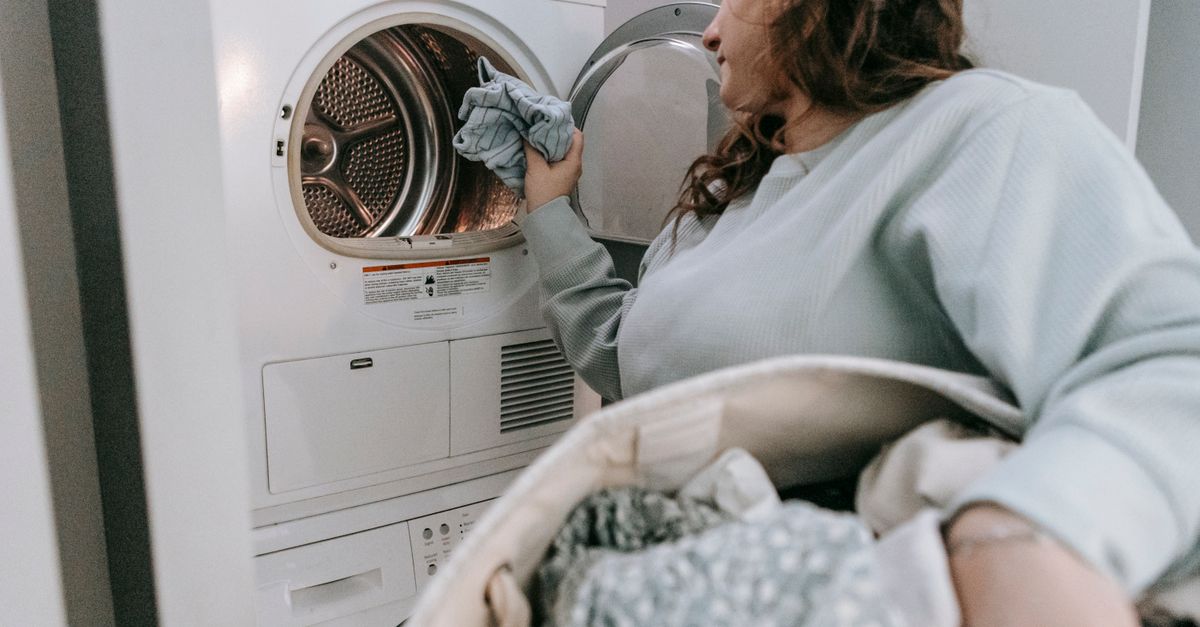
When shopping for a new laundry setup, the debate over a heat pump dryer vs electric dryer comes down to a fundamental trade-off: do you prefer the blistering speed of traditional electric resistance heating, or the gentle, energy-sipping efficiency of closed-loop refrigeration? For decades, standard electric dryers have been the default appliance in American homes. They are simple, fast, and familiar. However, they also pull massive amounts of electrical current and exhaust conditioned indoor air straight out through a roof or wall duct.
Enter the ventless heat pump dryer. Popular across Europe for years, these appliances have gained significant traction in the US housing market. They do not require an exterior exhaust duct, making them ideal for urban apartments, historic homes, second-floor laundry closets, and tight retrofits. But before investing in a high-efficiency appliance, it is crucial to understand how they operate under real-world conditions, how long your laundry will actually take to dry, and whether the utility bill savings justify the higher purchase price.
In the United States, residential laundry practices are often shaped by convenience and speed. We are accustomed to large-capacity drums, heavy loads, and rapid turnaround times. Transitioning to a heat pump system requires a shift in how we think about thermal dynamics and fabric care. Rather than blasting textiles with high heat, heat pump dryers treat laundry more like a delicate dehumidification process. This guide breaks down every performance variable—from energy consumption and electrical panel loads to cycle times and garment lifespans—to help you determine which system fits your household.
How Traditional Electric Dryers Work
To understand the differences, let us first look at the conventional appliance. A standard electric dryer operates much like a giant hair dryer. It pulls in ambient air from your laundry room, passes that air over heavy electrical heating coils to raise the temperature rapidly, and then forces the hot, dry air through a rotating tumbling drum. As the air absorbs moisture from your wet clothes, the saturated, hot air is pushed out of the machine and blown outdoors through a rigid metal exhaust duct.
This process is simple and brutalist in its execution. It demands an immense amount of energy—typically requiring a dedicated 30-amp, 240-volt circuit—because it constantly heats cold room air from scratch and then dumps all that thermal energy outside. Furthermore, because it exhausts air outdoors, it creates negative pressure inside your home, which can pull unconditioned outside air in through cracks and window seals, indirectly driving up your heating and cooling bills.
From a mechanical standpoint, traditional electric resistance dryers have changed very little over the past fifty years. The core components consist of a timer or electronic control board, a motor to turn the drum and blower fan, a thermostat or thermal fuse for safety, and an electric heating element. Because of this mechanical simplicity, they are relatively inexpensive to manufacture, easy for service technicians to repair, and straightforward to replace when parts eventually fail. However, their sheer appetite for electrical power makes them one of the single largest energy consumers in a typical modern household.
How Heat Pump Dryers Work
Heat pump technology completely reimagines the drying process. Instead of creating heat through electrical resistance and exhausting air outdoors, a heat pump dryer operates on a closed-loop refrigeration cycle, functioning much like a reverse dehumidifier combined with an air conditioner.
Inside the machine, a closed loop of air circulates continuously through the drum. The warm, humid air coming off your wet clothes is passed across an evaporator coil, which cools the air down to the dew point. As the air cools, moisture condenses out of it and is pumped away through a drain hose (or collected in a removable manual water tank). The dry, cool air is then routed across a condenser coil, which warms the air back up using recycled thermal energy. Finally, this warm, dry air is blown back into the drum to extract more moisture.
Because the system recycles heat rather than venting it outside, it consumes a fraction of the electricity. It also operates at much lower air temperatures, which is inherently gentler on your wardrobe.
The engineering marvel behind the heat pump dryer lies in its compressor and dual-coil architecture. While a standard air conditioner moves heat out of your home, a heat pump dryer captures the thermal energy it creates during the refrigeration cycle and redirects it right back into the drying loop. This thermodynamic recycling is why heat pump units achieve such astonishing efficiency ratings compared to traditional resistance heating elements.
Comparing Drying Speed and Cycle Times
The single biggest adjustment American homeowners face when switching to a heat pump model is the cycle time. If you are accustomed to tossing a heavy load of towels into a standard electric dryer and having them bone-dry in 35 to 45 minutes, you will need to recalibrate your expectations.
Because heat pump dryers operate at much lower temperatures—often hovering around 120°F to 140°F compared to the 180°F+ blasts of standard dryers—they simply remove moisture more gradually. A typical mixed load in a heat pump dryer can take anywhere from 60 to 90 minutes, while heavy loads like thick towels, denim, or bedding can easily stretch past two hours.
While longer cycle times are generally not an issue if you run your laundry overnight or load the machine before heading to work, they can bottleneck your laundry day if you are trying to wash and dry multiple consecutive loads for a large family. Proponents point out that the energy used per minute is so low that the longer runtime does not translate to higher power consumption, but the time commitment is real.
To mitigate longer dry times, modern heat pump dryer manufacturers incorporate advanced moisture sensors and variable-speed inverter compressors. These sensors continuously monitor the humidity levels inside the drum, halting the cycle precisely when clothes reach the desired dryness level rather than running on a fixed timer. Nevertheless, the physical laws of thermodynamics dictate that removing water at lower temperatures simply takes more time.
Electrical Requirements and Utility Draw
Electrical infrastructure is another major point of divergence. Standard electric dryers demand heavy-duty wiring. They require a 240-volt outlet backed by a dedicated 30-amp circuit and a heavy four-prong plug. If your laundry space lacks this specific wiring, installing a standard electric dryer means paying an electrician to run a new heavy-gauge line from your main electrical panel.
Many heat pump dryers, by contrast, are designed for standard US household electricity. Many models plug directly into a standard 120-volt, 15-amp or 20-amp grounded wall outlet, drawing far fewer amps. Even high-end 240V heat pump models draw significantly less wattage than resistance dryers, often operating safely on smaller circuits or sharing power loads. This flexibility can save hundreds of dollars in electrical upgrade costs during a home renovation.
When examining ventless heat pump dryer savings, the utility bill reduction is substantial. Traditional electric dryers consume roughly 3,000 to 5,000 watts of power per hour of operation. A modern heat pump dryer often uses less than 800 to 1,500 watts. Over the course of a year, running a high-efficiency dryer can shave a noticeable amount off your monthly electric bill, particularly in regions with high electricity rates.
For homeowners living in older houses with limited electrical service panels—such as 60-amp or 100-amp service—adding a traditional 30-amp electric dryer can overload the electrical system, requiring an expensive service upgrade. A 120V heat pump dryer avoids this bottleneck entirely, allowing owners to install a modern front-load laundry pair without tripping breakers or maxing out their home electrical capacity.
Installation and Venting Constraints
Venting requirements separate these two appliance categories completely. Standard electric dryers are strictly tethered to the outdoors. You must have a clear path to run a rigid metal exhaust duct from the back of the machine to an exterior wall or roof. If your laundry area is located deep within the interior core of your home—such as a hallway closet, a downtown condo, or a finished basement without exterior walls—venting a standard dryer can be difficult, expensive, or outright against building codes due to excessive duct length or fire hazards.
Heat pump dryers are entirely ventless. Because they capture and condense moisture internally, they do not need an exterior vent. They only require access to a drainpipe (similar to a washing machine drain) or a built-in condensate drawer that you empty periodically. This opens up incredible architectural flexibility. You can place a washer-dryer stack in a master bedroom closet, a galley kitchen, or a second-floor bathroom without worrying about cutting holes in your siding or cleaning out lint-clogged ductwork.
Eliminating the exhaust duct also solves a major HVAC efficiency problem. Traditional dryer vents expel conditioned indoor air outdoors, meaning your furnace or air conditioner worked hard to treat that air only for it to be sucked out of your house. Ventless dryers keep your indoor climate controlled, preventing negative pressure issues and stopping outdoor drafts, pollen, and pests from entering through exterior duct flaps.
Fabric Care and Wear and Tear
Clothing longevity is an overlooked factor when evaluating laundry appliances. Standard electric dryers rely on extreme heat to flash-evaporate water. That high heat bakes fabrics, breaks down elastic bands, shrinks cotton garments, and accelerates the shedding of microfibers that clog your lint trap. Every time you pull a wad of fuzzy lint out of a traditional dryer trap, you are holding the physical remnants of your favorite sweaters and shirts slowly disintegrating.
Heat pump dryers treat textiles with far greater care. The lower drying temperatures preserve fabric integrity, reduce shrinkage, and minimize fiber degradation. Delicate items, athletic wear, and woolens that might normally be designated for air-drying can often be safely tossed into a heat pump dryer without fear of ruining them. If you invest heavily in high-end wardrobe pieces, the extended lifespan of your clothing is a tangible financial benefit.
Furthermore, because heat pump dryers do not vent massive volumes of air, they do not pull lint through long, twisting duct runs where it can accumulate and create a serious household fire hazard. While you still need to clean the internal lint filter after every cycle, the overall safety profile of ventless drying is a notable advantage for multi-story residential buildings and tight urban apartments.
Upfront Costs vs. Long-Term Value
When asking the question, are heat pump dryers worth it, you have to look closely at the financial math. Upfront appliance pricing heavily favors the traditional electric dryer. Basic and mid-range electric resistance dryers are mature, mass-produced appliances that can be purchased relatively cheaply. Heat pump dryers involve complex refrigeration compressors, dual-inverter motors, and advanced sensor arrays, making their retail purchase price significantly higher.
However, purchase price is only part of the equation. To determine true long-term value, consider three variables:
- Installation Costs: If your home lacks an exterior vent duct or a dedicated 240V 30-amp circuit, retrofitting those utilities for a standard dryer can add hundreds or thousands of dollars in contractor fees. A ventless, 120V heat pump dryer often plugs right into existing household outlets.
- Utility Savings: The dramatic drop in energy consumption means lower monthly power bills. Over a typical 10-to-12-year appliance lifespan, these energy savings chip away at the initial price premium.
- Maintenance and Safety: Traditional dryers require vigilant duct cleaning to prevent lint buildup fires. Heat pump systems still require regular filter cleaning, but eliminating long exhaust runs drastically reduces household fire risks and eliminates the need to clean exterior vent hoods.
When factoring in potential utility rebates—many local electric utilities and federal energy-efficiency programs offer significant cash-back incentives for purchasing heat pump appliances—the initial price gap narrows substantially. For budget-conscious buyers planning to stay in their home for several years, the cumulative utility savings often tilt the financial favor toward the heat pump model.
Common Mistakes When Switching to Ventless Drying
Homeowners transitioning to heat pump technology often run into a few predictable hurdles during the first few weeks of ownership:
- Overloading the drum: Because heat pump dryers rely on airflow and tumbling to expose wet surfaces to the warm air loop, stuffing the drum to maximum capacity strangles the airflow and drags cycle times out to three hours or more. Smaller, looser loads dry much faster.
- Ignoring secondary filters: Unlike standard dryers that usually feature a single lint screen, many heat pump models incorporate secondary condenser filters that must be rinsed out periodically to maintain airflow efficiency. Neglecting these maintenance tasks degrades performance.
- Expecting a hot-to-the-touch feel: Clothes pulled from a heat pump dryer are warm and dry, but they do not feel like they were baked in an oven. Some users initially mistake this comfortable dryness for dampness because they are conditioned to associate heat with cleanliness.
Understanding these operational nuances ensures a smoother transition. Once users adjust their load sizes and embrace the gentler drying mechanism, most report high satisfaction with the quality of their laundry and the quiet operation of the appliance.
Making Your Final Decision
Choosing between a heat pump dryer and a standard electric dryer ultimately depends on your physical space constraints, electrical setup, and laundry habits.
If you live in a detached single-family home with an existing exterior vent, already have heavy-duty 240V wiring in place, prioritize fast cycle times, and want to keep your initial appliance budget modest, a standard electric dryer remains a reliable workhorse.
If you are remodeling a tight interior space without exterior venting access, want to slash your home energy consumption, care deeply about preserving the lifespan of your clothing, or simply want the installation freedom to put your laundry center wherever it makes the most functional sense, a heat pump dryer is an exceptional long-term investment.
Evaluate your household routine honestly. If you manage massive loads of heavy laundry daily and operate on a strict schedule where speed is paramount, the traditional electric dryer aligns best with your needs. If you value energy efficiency, flexible placement, and gentle clothing care, the heat pump dryer represents the future of home laundry technology.