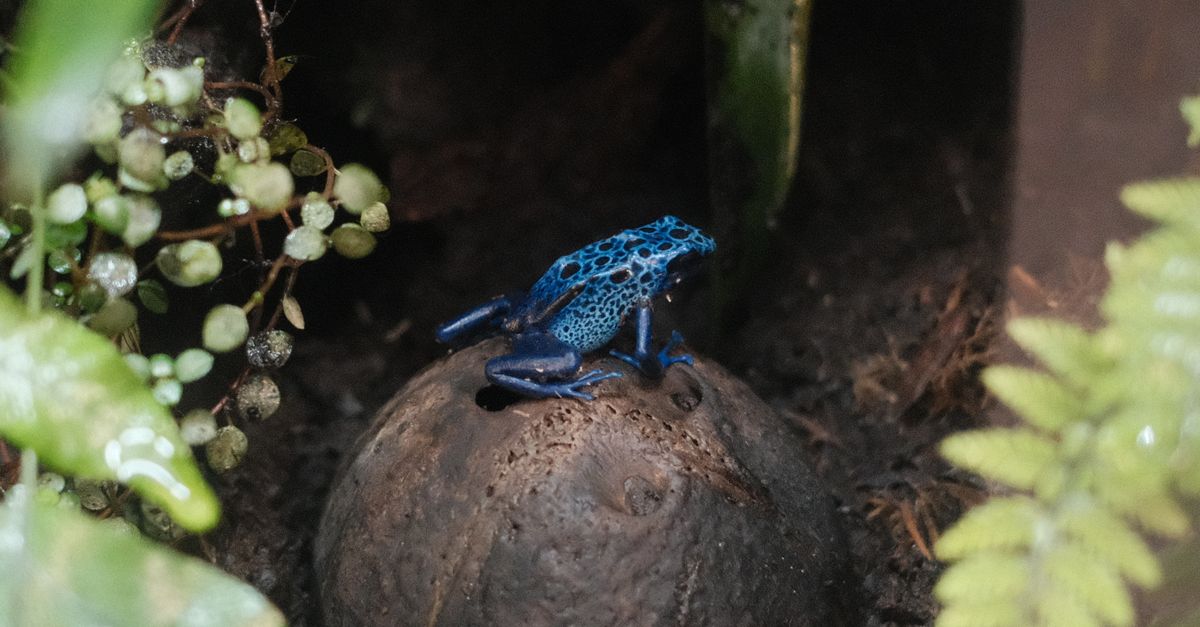
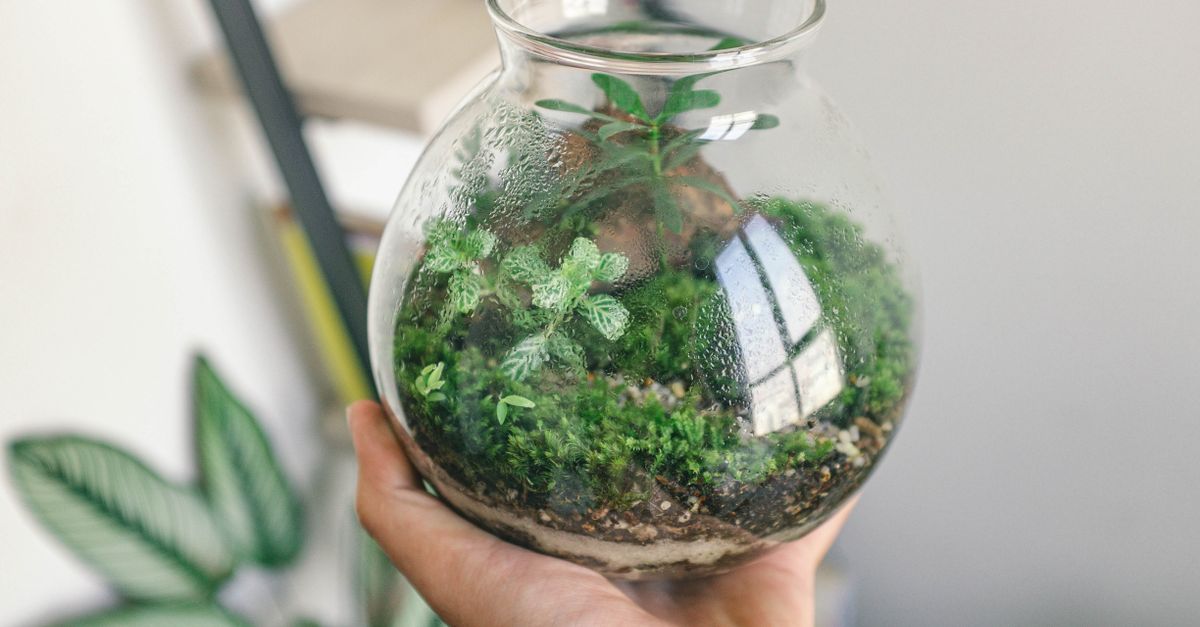
Keeping pet frogs and other amphibians indoors means acting as a microclimate architect. Unlike mammals, which regulate their own internal temperatures and maintain moisture through specialized skin and drinking habits, amphibians are ectothermic and rely heavily on their surrounding environment. Their permeable skin is constantly absorbing moisture and gases, making them exceptionally sensitive to dry air, sudden temperature spikes, and chemical fluctuations. Whether you are caring for a tropical White’s tree frog or a temperate salamander, mastering your setup is essential. This amphibian terrarium humidity care guide breaks down everything you need to know about setting up accurate digital monitoring, optimizing your daily misting routines, and spotting early health warning signs before they become veterinary emergencies.
Understanding the Physiological Needs of Captive Amphibians
To understand why precise environmental controls matter, you have to look at how amphibians interact with their world. An amphibian’s skin is not a waterproof barrier like a reptile’s scales; instead, it is a delicate, semi-permeable membrane that facilitates cutaneous respiration and water absorption. If the ambient air in the enclosure drops too low in moisture, water is rapidly wicked away from the animal’s body through osmosis. This leads to rapid dehydration, compromised immune function, and stress.
Similarly, because amphibians cannot internally generate body heat, their metabolic processes, digestion, and immune responses are entirely dependent on ambient room and enclosure temperatures. If the habitat runs too cold, food sits undigested in the gut, leading to rotting and fatal blockages. If it runs too hot, their metabolism skyrockets, causing rapid exhaustion and heat stress. Balancing these two invisible forces—temperature and relative humidity—is the foundation of successful amphibian husbandry.
Furthermore, because of this semi-permeable skin, any toxins present in the water, substrate, or air are absorbed directly into the animal’s bloodstream with alarming efficiency. This biological reality demands strict attention to water quality, cleaning protocols, and material safety within the terrarium. Keeper errors that might cause minor irritation in a reptile can prove rapidly fatal to an amphibian.
To fully grasp how sensitive these animals are, consider their evolutionary history. Amphibians bridge the gap between purely aquatic life and terrestrial existence. Their skin must remain damp to function properly. When humidity dips below safe thresholds, the microscopic mucus layer protecting the skin dries out, leaving the animal vulnerable to abrasions, bacterial invasion, and severe osmotic shock. Conversely, keeping an enclosure swampy and stagnant without proper ventilation invites anaerobic bacteria and fungal blooms, creating a breeding ground for pathogens.
Establishing Optimal Temperature Ranges Across Species
Temperature gradients are just as important in an amphibian enclosure as they are for reptiles, though the absolute numbers are generally lower. Most popular pet amphibians originate from shaded forest floors, damp undergrowth, or cool mountain streams. They do not tolerate intense desert-like heat, and even standard room temperatures can sometimes push sensitive species past their comfort zones.
For tropical species like dart frogs or red-eyed tree frogs, ambient daytime temperatures should generally range between 72°F and 82°F. Nighttime drops down to 68°F to 72°F mimic natural cloud cover and nocturnal cooling, which helps regulate their internal biological rhythms. Temperate species, such as American bullfrogs, fire-bellied toads, or certain newts and salamanders, prefer much cooler conditions, often thriving between 60°F and 72°F. Exposing a temperate amphibian to sustained temperatures above 78°F can cause severe physiological distress, accelerated cellular aging, and fatal thermal shock.
When planning your heating setup, avoid high-intensity basking bulbs that dry out the air rapidly and create unnatural overhead hot spots. Instead, rely on gentle ambient room heating, ceramic heat emitters controlled by a reliable thermostat, or low-wattage under-tank heating pads applied to only one side of the glass to create a safe thermal gradient. Always use a thermostat to prevent runaway heating events, which can occur during unexpected heat waves in your home.
It is also crucial to measure temperatures at multiple points within the enclosure. The temperature at the substrate level may differ significantly from the temperature near a screen lid or close to a heating element. Using multiple digital probe thermometers allows you to map out thermal zones, ensuring your pet can freely choose an area that matches its immediate metabolic needs without being forced into an uncomfortably hot or cold corner.
Mastering Terrarium Hygrometer Setup and Placement
You cannot manage what you do not measure accurately. Relying on cheap analog dial hygrometers taped to the corner of a tank is one of the most common beginner mistakes. These inexpensive gauges are notoriously inaccurate, easily thrown off by condensation, and rarely calibrated out of the box, often reading error margins of 20% or more.
Invest in a reliable digital hygrometer and thermometer combination unit with a probe. Place the main digital readout outside the tank for easy viewing, and position the sensor probe at the mid-level of the enclosure where your pet spends the majority of its time. Avoid placing sensors directly under misting nozzles or submerged in standing water, as continuous liquid contact will ruin the electronics and give false readings.
Most tropical amphibian setups require a consistent relative humidity range of 70% to 80%, while some rainforest species need spikes up to 90% following a heavy simulated rain. Establish a baseline by checking your hygrometer at multiple times throughout the day—especially right before and right after your enclosure’s automated or manual misting cycle. Keeping a daily log for the first few weeks can help you spot drying trends before they impact your pet.
To ensure absolute accuracy, perform a salt test on your digital hygrometer before installing it in the enclosure. Mix a slurry of table water and pure salt in a small bottle cap until it has the consistency of wet sand, place it inside an airtight container alongside your hygrometer, and leave it sealed for 12 to 24 hours. A properly functioning unit should read exactly 75% relative humidity in this sealed environment. If it deviates, note the offset or adjust the unit if it features a calibration button.
Designing an Effective Misting and Hydration Schedule
Maintaining high humidity requires a deliberate balance between moisture introduction and ventilation. Seal-top glass aquariums with screen lids often lose moisture too quickly in dry winter months when home heating systems run constantly, while fully sealed plastic bins can trap stagnant air and foster bacterial growth.
Establish a routine of misting the enclosure once or twice daily using reverse osmosis (RO) water or dechlorinated tap water. Never use straight distilled water for daily misting over long periods, as it can leach essential electrolytes from the animal’s skin through osmotic imbalance. Use a fine-mist hand pump or an automated misting system equipped with a timer to simulate natural morning dew and evening rain events.
Substrate choice also plays a massive role in passive humidity retention. Layering an expanded clay ball drainage layer at the bottom, topped with a breathable landscape fabric and a moisture-retaining organic substrate mix like coconut fiber and sphagnum moss, creates a natural water reservoir that slowly evaporates upward, stabilizing daily humidity swings. Avoid cedar or pine shavings entirely, as their natural aromatic oils are toxic to amphibians.
In addition to misting, always provide a shallow, easily accessible water dish filled with fresh, dechlorinated water. The water level should never be deep enough to pose a drowning hazard for smaller frog species—ideally no deeper than the height of the frog’s lower jaw when resting. Change this water daily, as amphibians frequently defecate in their soaking water, which can quickly turn a hydration station into a source of bacterial contamination.
Recognizing Early Signs of Respiratory Distress
Respiratory infections are among the most serious health threats in captive amphibians, and they are almost always triggered by improper environmental parameters—specifically, enclosures that are simultaneously too cold and too damp, or poorly ventilated tanks that harbor high concentrations of ammonia and bacteria.
Watch closely for early behavioral indicators of respiratory distress. A healthy frog resting normally should have a calm, rhythmic gular (throat) movement. If you notice your amphibian sitting abnormally high with its chin lifted, gaping its mouth open, producing audible clicking or wheezing sounds, or showing excessive mucus bubbles around the nostrils and mouth, contact an exotic animal veterinarian immediately.
Other subtle red flags include lethargy, floating sideways in water habitats (which can also indicate buoyancy issues), and spending an unnatural amount of time pressed against the screen lid trying to reach drier, fresher air. Correcting the underlying temperature and ventilation issues early is critical, but established infections require professional veterinary antibiotic administration, often via nebulization or targeted injections.
Preventing respiratory disease starts with rigorous hygiene. Remove uneaten food items daily, spot-clean soiled substrate weekly, and perform full substrate replacements according to your enclosure type’s maintenance schedule. Ensuring adequate cross-ventilation—such as pairing a front glass ventilation strip with a secure screen top—prevents stale, moisture-laden air from stagnating around the lower levels of the tank where your pet spends its time.
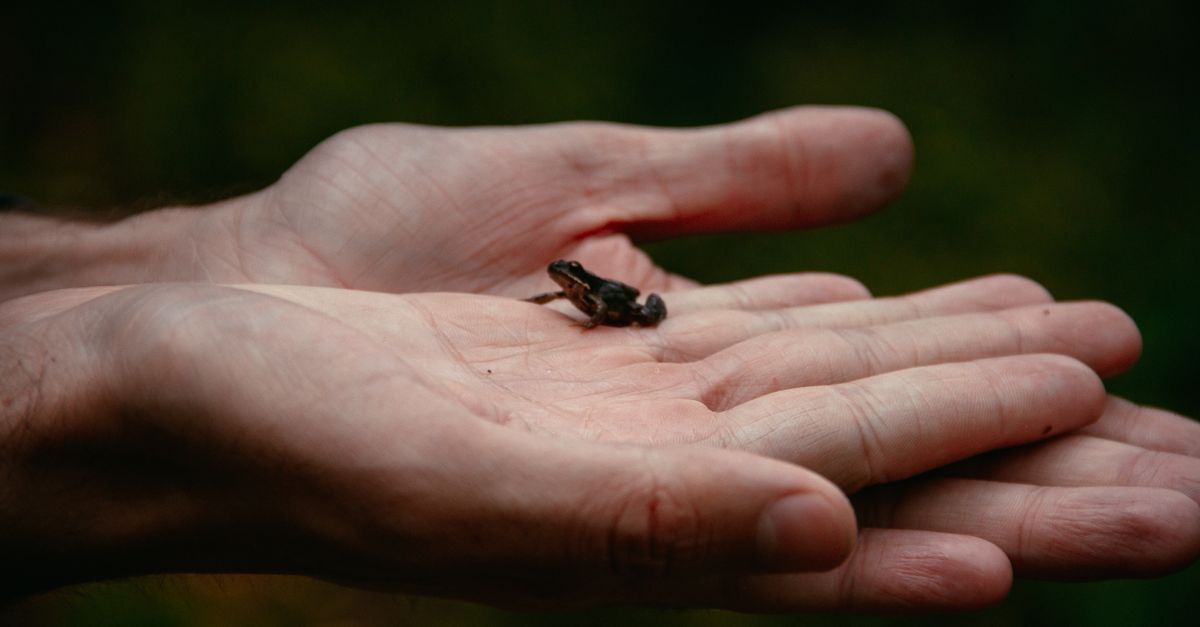
Managing Dehydration, Skin Shedding, and Dysecdysis
Amphibians regularly shed their outer layer of skin to accommodate growth and remove worn tissue. Unlike snakes, which shed in one long piece, frogs typically shed in patches and often consume the shed skin to recover valuable nutrients. However, when terrarium humidity drops too low, amphibians suffer from dysecdysis—abnormal, incomplete shedding that can severely restrict movement or blood circulation.
If you notice sticky, faded skin clinging stubbornly to your frog’s toes, back, or eyes, your enclosure is too dry. Dehydrated amphibians often display a dull, tacky skin texture rather than a glossy, moist sheen, and they may appear sunken around the eyes or lethargic. To assist an animal experiencing mild dehydration, provide a shallow clean soaking dish filled with dechlorinated water and ensure your misting schedule is increased immediately.
Never attempt to forcefully peel stuck skin off an amphibian. Their skin is incredibly delicate and tears easily, opening the door for opportunistic bacterial and fungal skin infections like chytridiomycosis or red-leg syndrome. If dysecdysis persists for more than 24 hours despite humidity corrections, consult a vet for a safe assisted soak protocol.
Monitoring your pet’s body condition and skin luster should be part of your weekly husbandry routine. A well-hydrated frog has bright, clear eyes, plump skin that springs back gently, and smooth, glistening locomotion. If you notice skin reddening on the ventral (belly) surface, particularly accompanied by lethargy, treat it as an emergency; ventral hyperemia is a classic sign of systemic bacterial septicemia, often referred to as red-leg syndrome, which requires immediate professional medical intervention.
Seasonal Adjustments and Troubleshooting Common Mistakes
Indoor microclimates fluctuate dramatically with the seasons. During winter, residential heating systems strip moisture from the air, causing terrarium humidity to plummet despite regular misting. Conversely, summer air conditioning can drop room temperatures lower than expected while sealing up houses against stagnant humidity pockets.
Keep a seasonal log of your terrarium parameters. If winter air is too dry, consider adding a room humidifier to the space housing your tanks, or cover a portion of the screen lid with acrylic sheeting to reduce evaporation rates—always leaving sufficient ventilation space to prevent stagnant air pockets and mold growth. If summer heat pushes your tank past safe thresholds, move the enclosure away from sunlit windows or use a small computer fan to blow across the screen top for gentle evaporative cooling.
Troubleshooting common habitat errors involves a step-by-step audit of your enclosure: verify your hygrometer calibration with a salt test, check that your misting nozzles are not clogged with mineral deposits, and ensure your substrate is holding moisture without becoming waterlogged. By prioritizing accurate digital monitoring, consistent water quality, and daily observation, you can provide a stable captive habitat that allows your pet amphibians to live long, healthy lives.
Additionally, review your water conditioning habits. Tap water treated with chloramines requires specific conditioners that break down both chlorine and ammonia bonds safely. Standard aquarium dechlorinators are not always sufficient if your municipal water supply uses chloramines, so double-check your product labeling. By maintaining meticulous records, keeping spare equipment on hand, and responding swiftly to subtle behavioral shifts, you will master the art and science of amphibian environmental management.